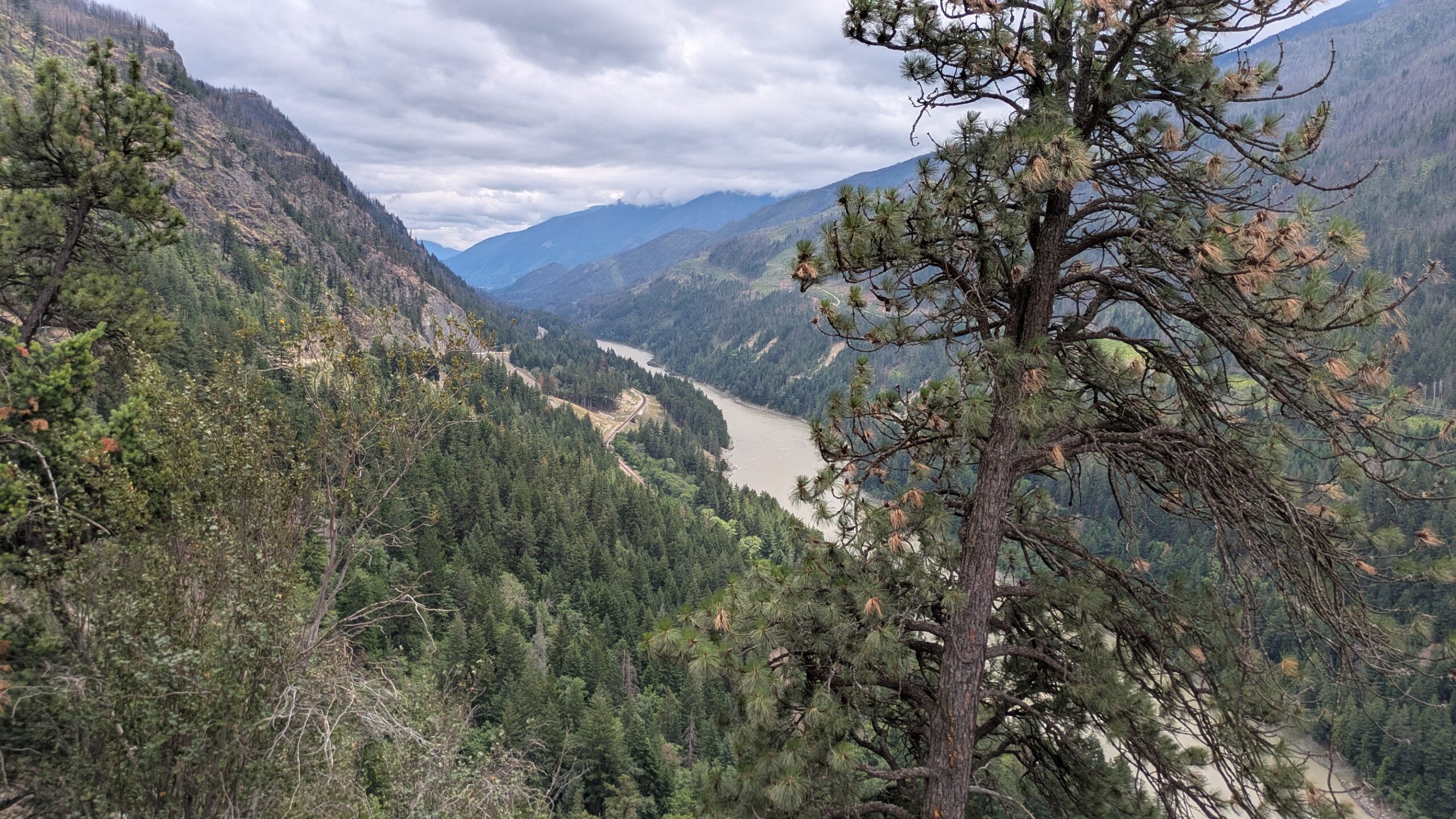
BC is big
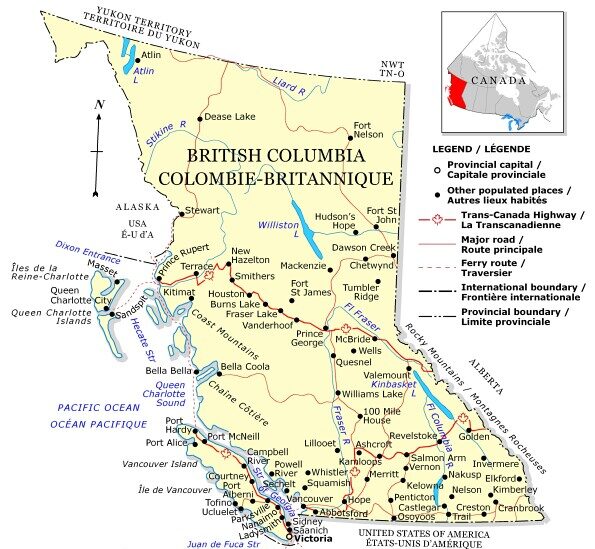
British Colombia, or BC to it’s mates, is an extraordinarily large province by any standards. It is about 950,000 square kilometres (about 370,000 square miles) which for perspective is more than double the size of California and substantially bigger than New South Wales Australia. But most of it’s people live down around Vancouver, making the vast northern stretches very (read: very) thinly populated. We had just spent three days travelling south through northern BC and we still had a long way to go.
Life in northern BC seems to centre around the lakes and rivers, which makes sense, which are in turn squeezed between the numerous snowy mountain ranges. And this time of year with all the snow melt all the waterways are absolutely to the brim and beyond.
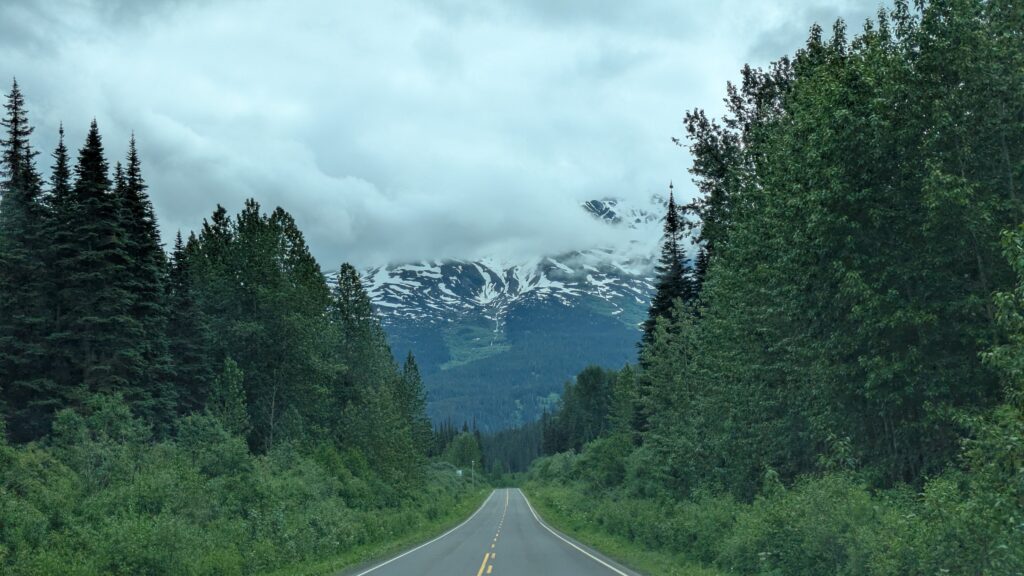
Julie and I woke amongst the wildflowers of our spot for the night and headed further south, finally reaching the T-intersection town of Kitwanga by mid morning. We refuelled and turned eastward, leaving Highway 37 we had tracked for more than three days and joined the Yellowhead Highway.
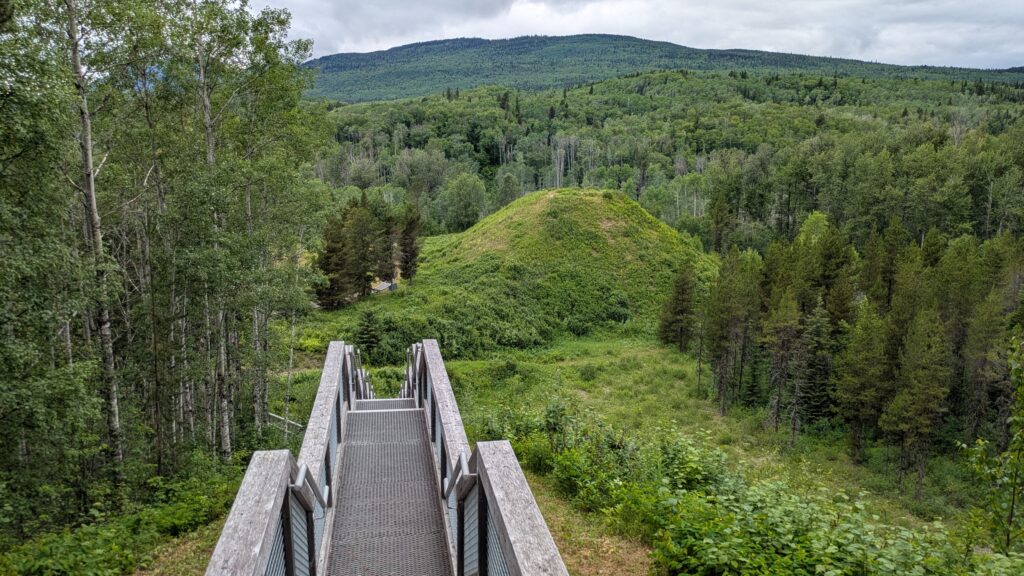
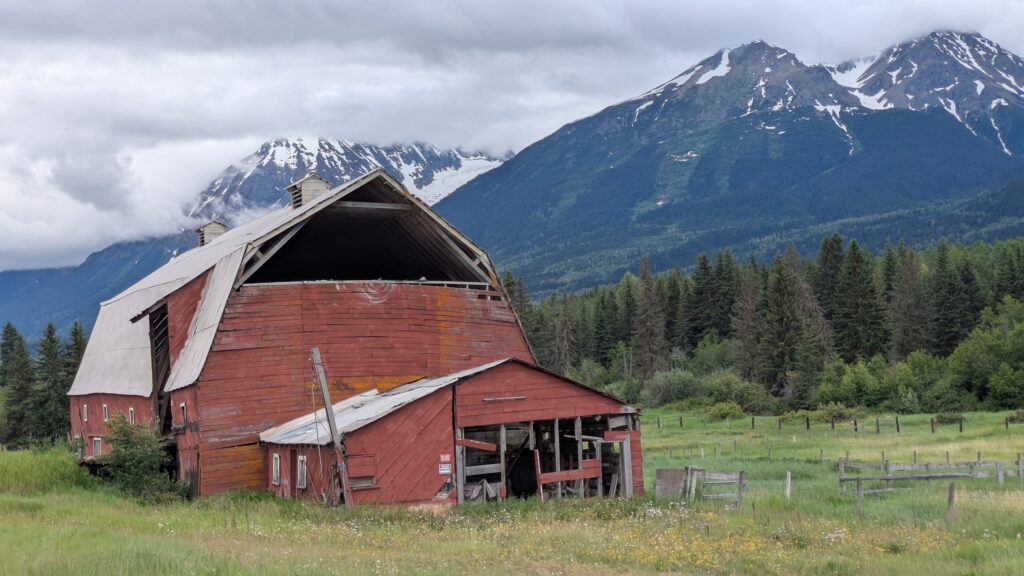
As we travelled southeast for the morning we watched a curious change in our surroundings. Yes, the high snowy mountains were still with us, if only the clouds would expose them, and yes, the full rivers and lakes were still everywhere, but we started to see a little farmland, even some crops being grown, and more frequent communities lining the road. We had definitely left the sparse land of Alaska, Yukon and Northwest Territories.
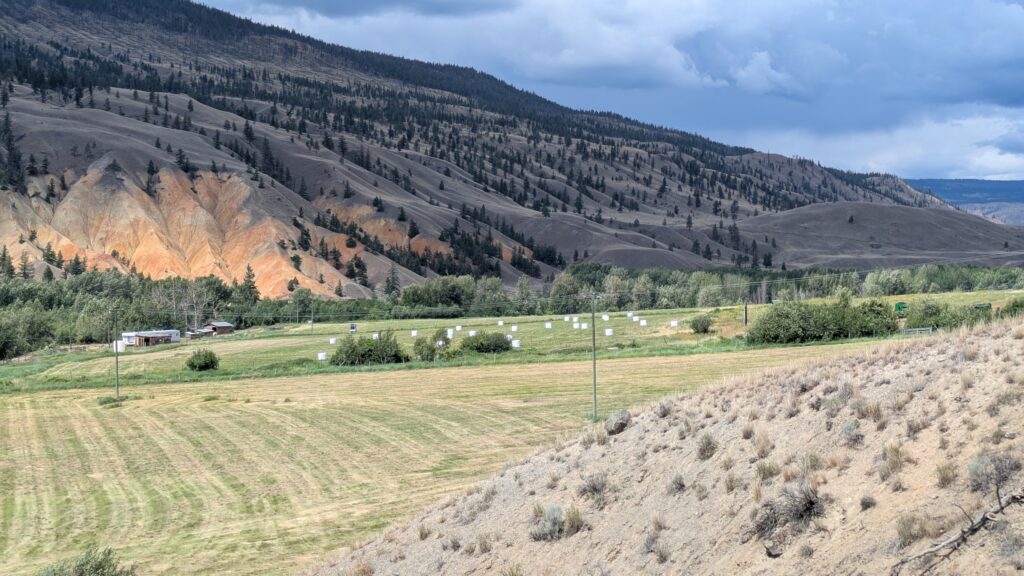
At the bopping town of Smithers we knew we were back in civilisation with it’s traffic light (OMG!), school zones and ice cream shops (civilisation has it’s benefits). Sporting fields were actually mowed and there were the old favourites like Canadian Tires, Tim Hortons and Dairy Queen. This was scary stuff. Julie even said she wanted to turn around and go back north.
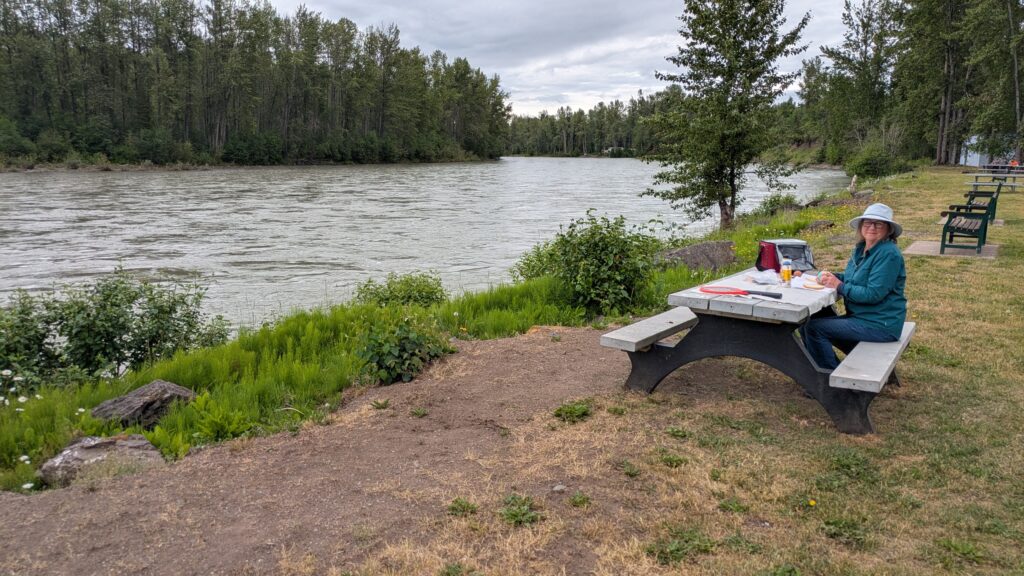
But press on we must and after weaving our way through more lakes and across more raging rivers we camped for the night at one of our familiar type of spots – under huge power lines. This gave us the outlook and privacy we always crave.
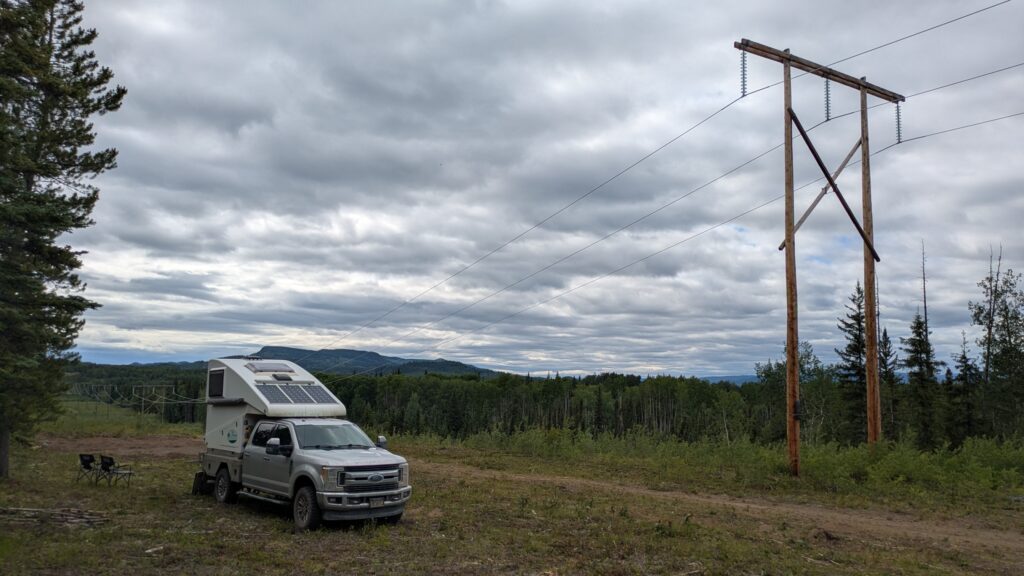
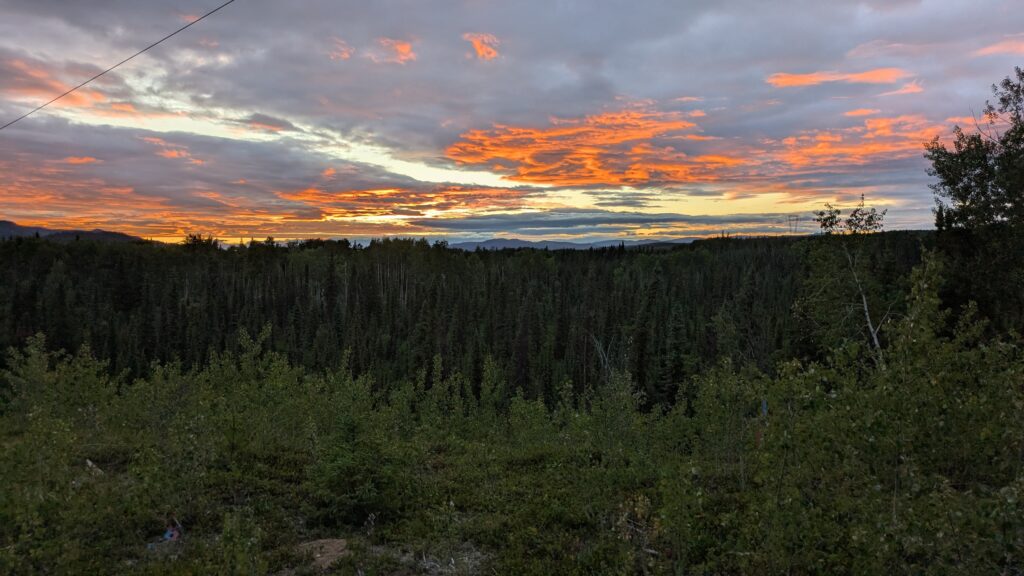
Our plan over the next few days was to eventually exit BC and re-enter the US state of Washington where we had scored a rare booking for a camping spot in a campground in North Cascades National Park. But that was still over 1,000 kilometres away so we had some hoofing to do.
The day started well with a great drive through the rural landscape through Vanderhoof (the geographical centre of British Colombia, no less) and into the thriving self-proclaimed capital of northern BC, Prince George. We Walmarted ourselves for essential supplies and refuelled before heading south on Highway 97, only the third highway since entering BC from the north over 1,000 kilometres ago.
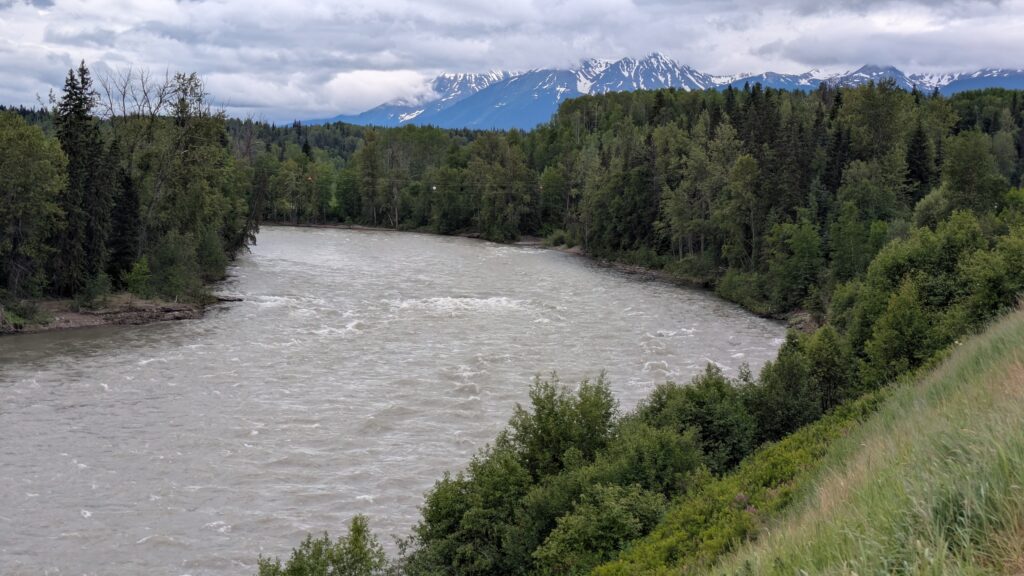
This was vaguely familiar ground for us as we had driven north on 97 two months ago at the beginning of our adventure. The difference this time is that everything was so green, the trees, the fields, the shrubs and undergrowth and roadside strips. And of course the lakes and rivers were still at maximum capacity.
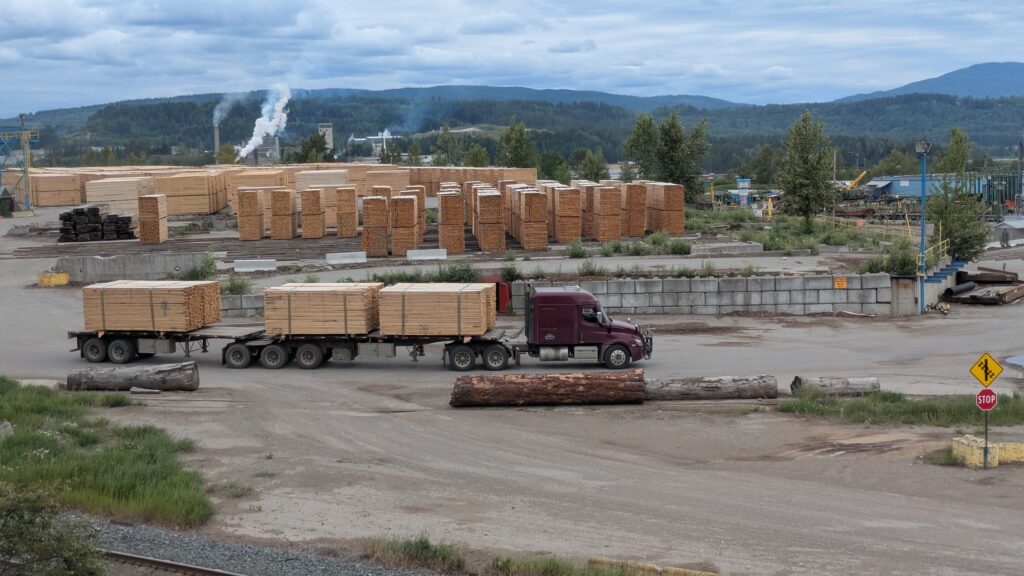
But things can look differently a second time. At the town of Quesnel, which we appreciated last time for it’s rich gold panning history we now saw through the timber industry, which directly or indirectly employs 75% of the residents and is the lifeblood of this entire region.
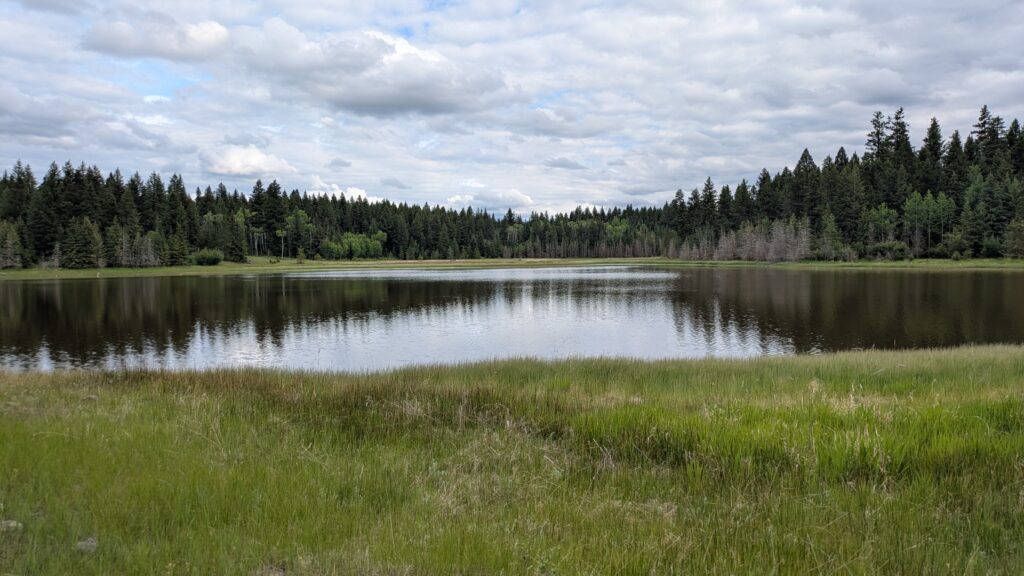
We followed the mighty Fraser River for some time, then past Williams Lake, before deciding to set up camp for the night in Cariboo Nature Principal Park, a small park off the highway. It was here we had a complete failure of our hydraulic lift system and our top simply would not go up.
We tried a few tricks and workarounds, some of which had worked before, but unfortunately we were completely stuffed. Without the top going up we obviously couldn’t get in, couldn’t cook and couldn’t sleep there. Oh no. A big oh no.
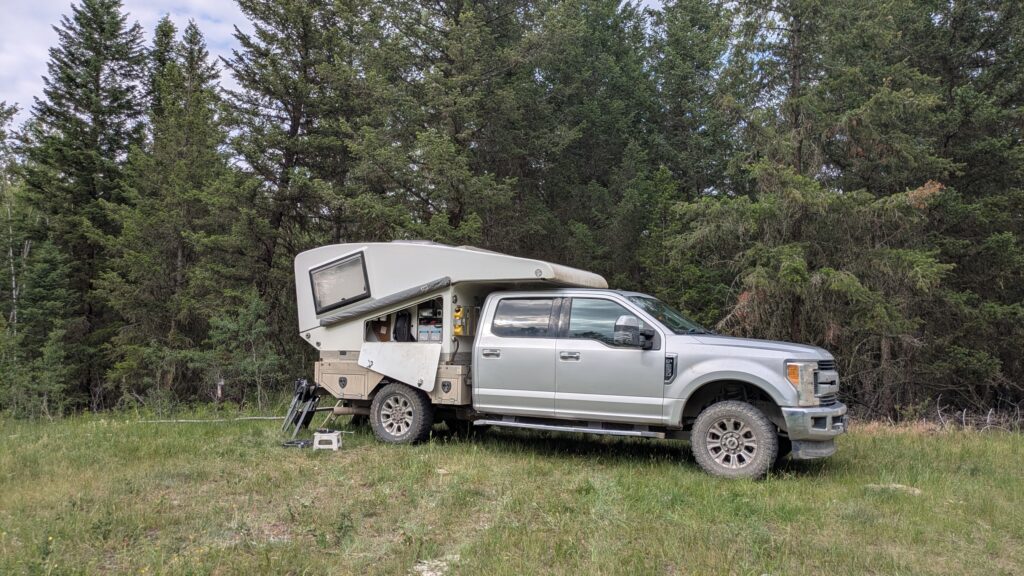
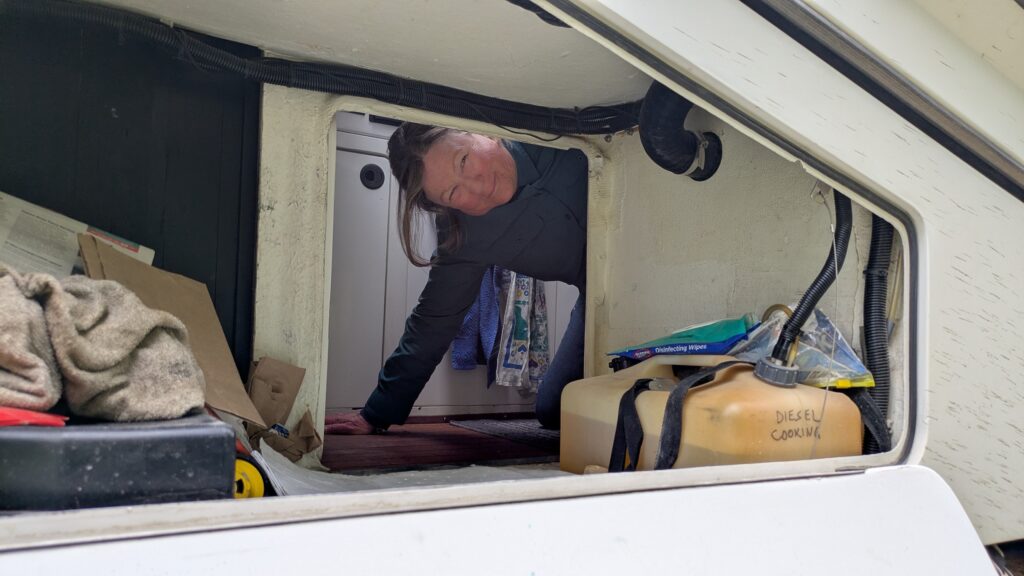
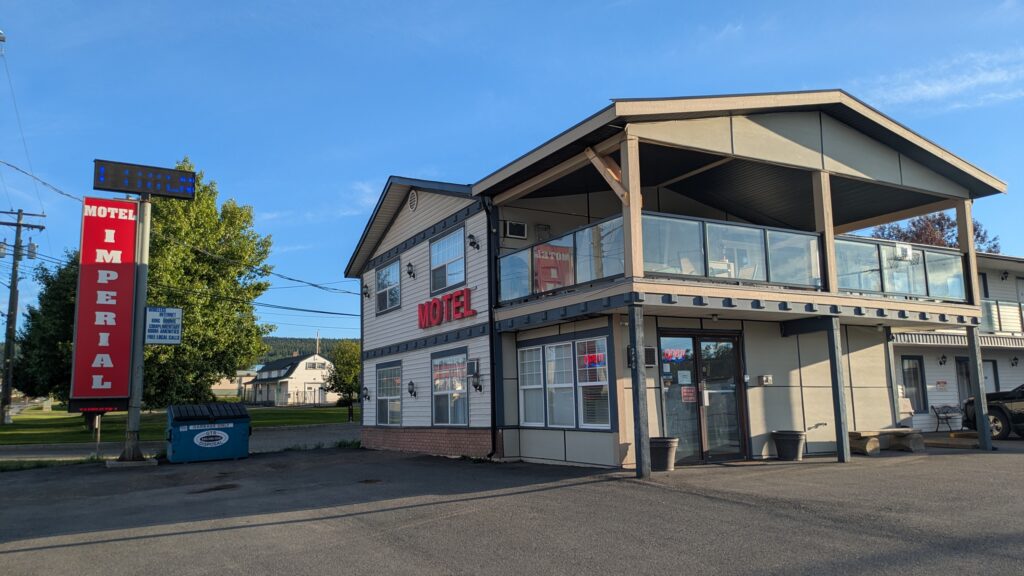
We drove another 25 kilometres to the largeish town of 100 Mile House (very unimaginative names for towns around here), checked into a motel and organised takeaway pizza. To say we were despondent is an understatement – if we couldn’t resolve this massive problem we were seriously messed up.
The next morning our mood was hopeful but doubtful as we hit a couple of garages asking for help. And then – presto! Like magic Richard came to our rescue and after testing and brainstorming the issue he was able to take out the old motor and install the reconditioned replacement motor that I have been carrying in my spare parts. The lid of the camper worked perfectly again…or as good as possible considering the lid is still twisted and goes up unevenly. Never mind, Tramp is fully functional again and everyone was happy.
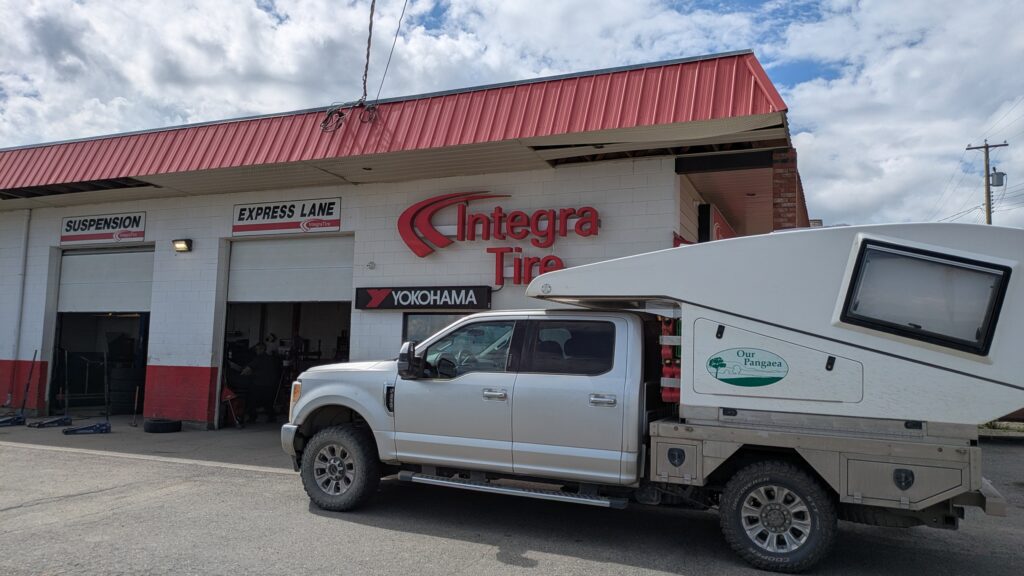
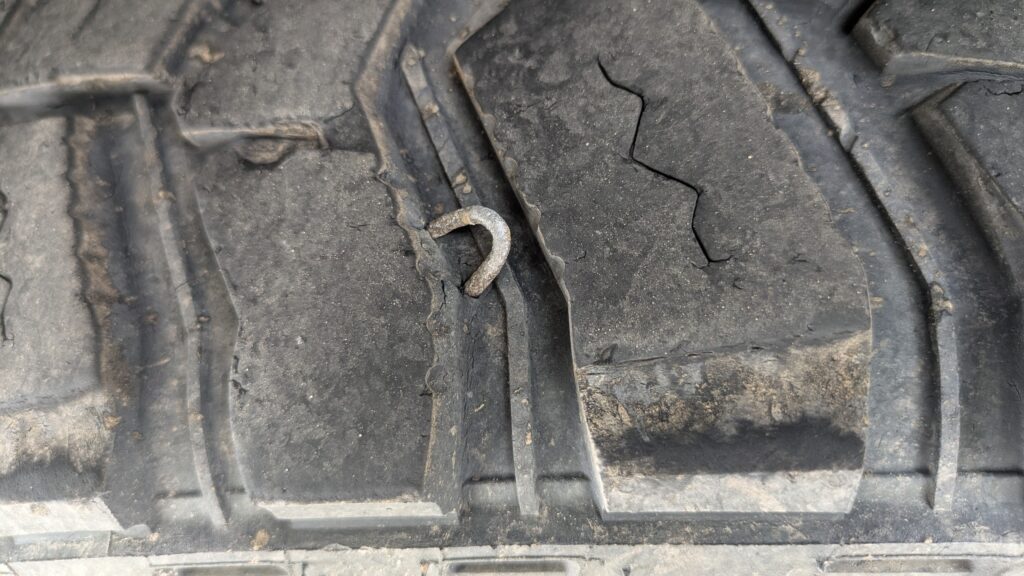
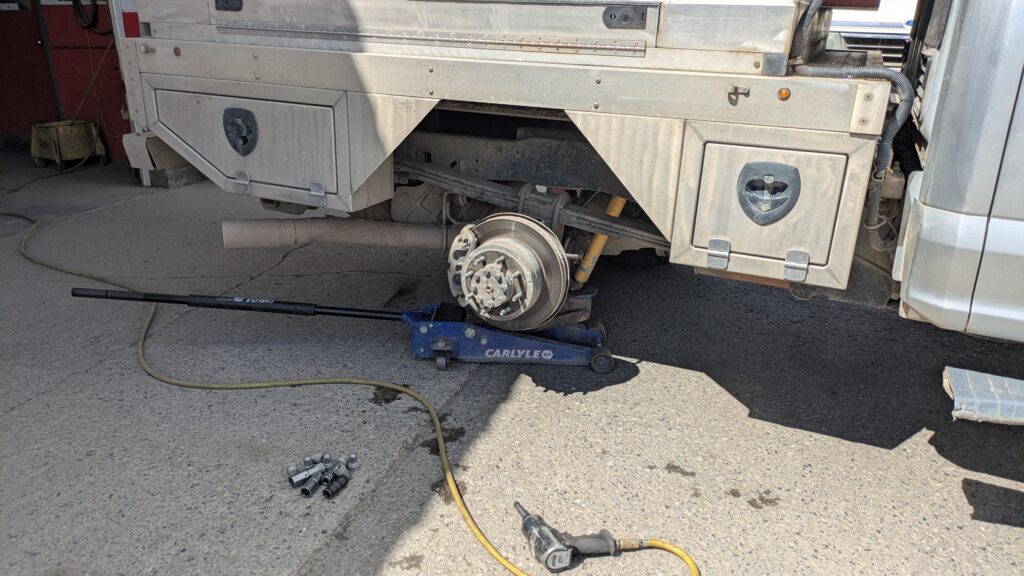
To top it off, they took off the tire with a staple in it, put on a new patch and reinstalled the tire, all for nothing. These guys know how to make us smile. Thanks to Richard and everyone at Integra Tire Centre in 100 Mile House.
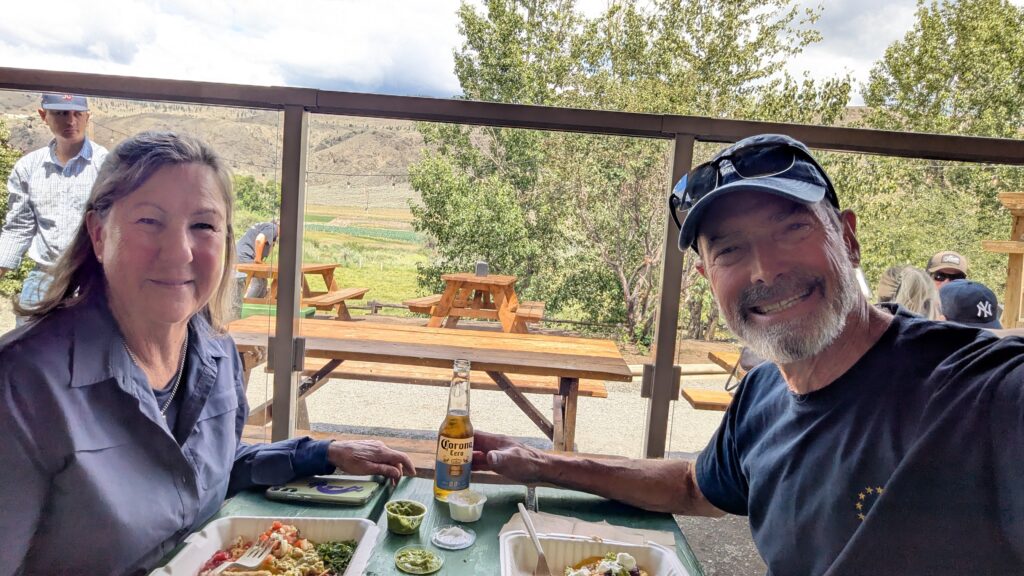
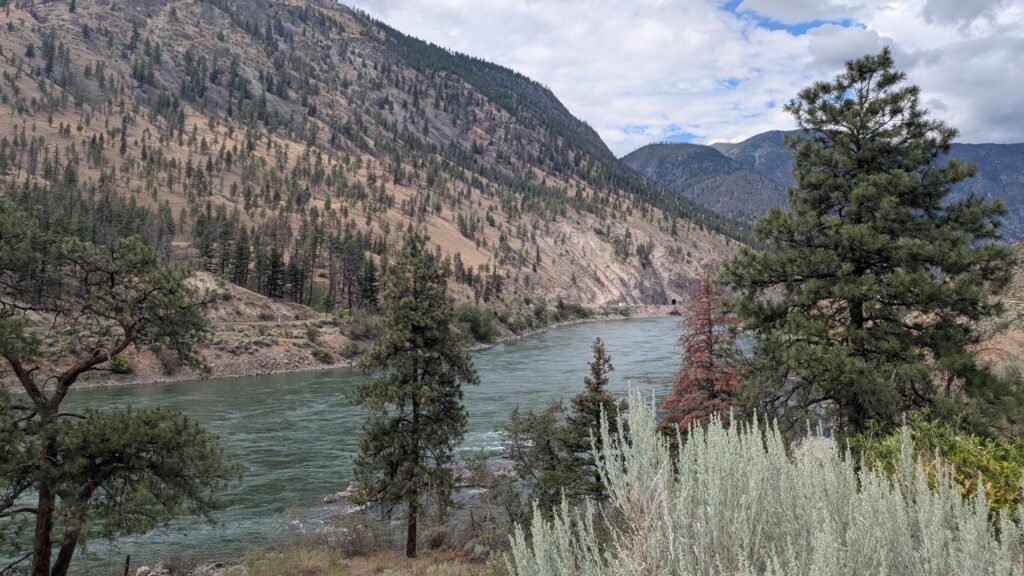
We travelled further south on Highway 97, enjoying the green fields and rural landscape until we reached Cache Creek where we stopped for roadside tacos. Further south we met up with the raging Thompson River and closely followed it through a narrow and dramatic canyon it had carved. The accompanying train line is used by the famous Rocky Mountaineer to connect Vancouver and Banff/Lake Louise.
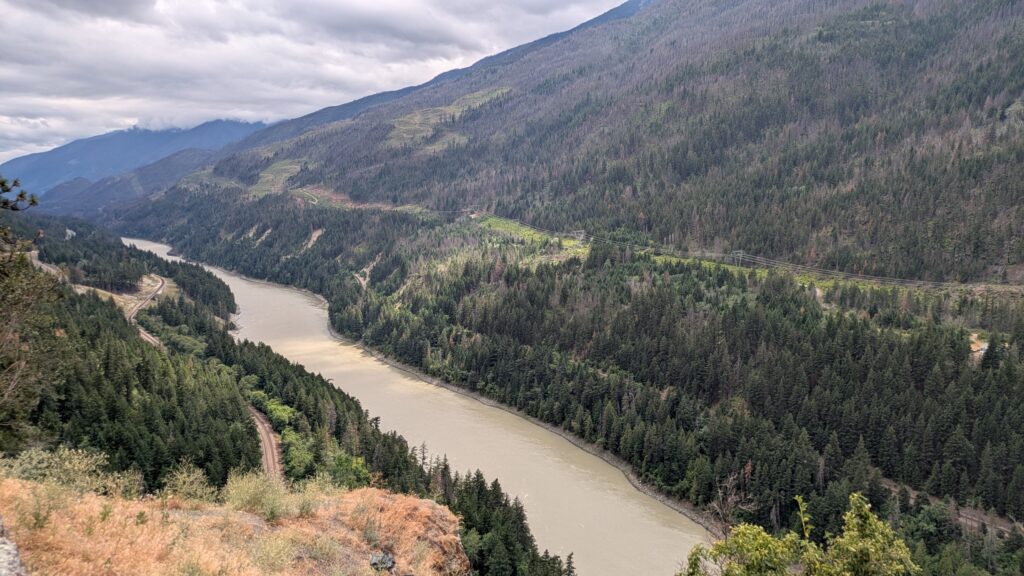
When the Thompson River merged with the mighty Fraser River the canyon got a whole lot deeper and even more dramatic. We couldn’t take photos that gave these canyons justice because of the narrow road and lack of pull-outs but we grade them absolutely world class.
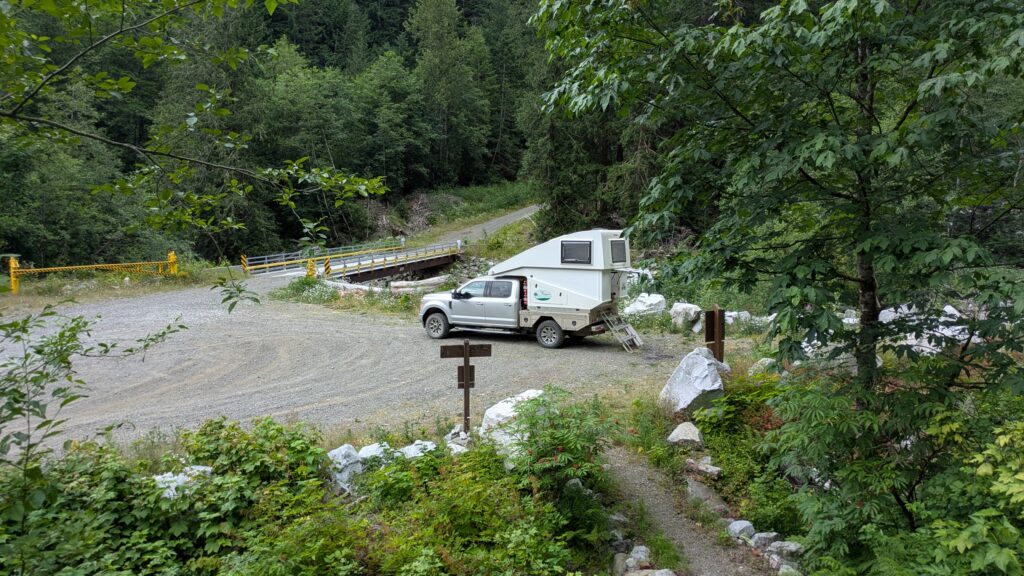
As the road reached the southern edges of BC we made the town of Hope and camped for the night off a side road near a stream at the trailhead of the Hudson Bay Company Heritage Trail, lifting the lid and enjoying the full use of our sometimes reliable Tramp in what we knew would be our last camp in Canada.
Comments
BC is big — No Comments
HTML tags allowed in your comment: <a href="" title=""> <abbr title=""> <acronym title=""> <b> <blockquote cite=""> <cite> <code> <del datetime=""> <em> <i> <q cite=""> <s> <strike> <strong>