There’s no place like Nome
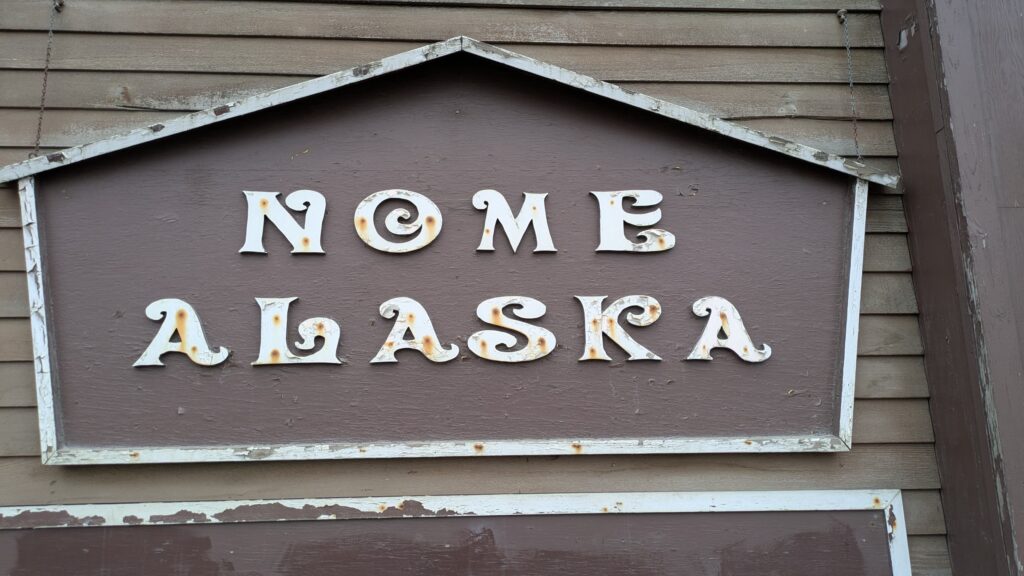
There was one more place on our Alaskan bucket list before we could say we’ve done Alaska and that was a remote community on the Bering Sea with a rich gold mining history, not connected to the rest of humanity by roads, almost forgotten by everyone else. It was the small town of Nome way out on the Seward Peninsula and it had our name written all over it.
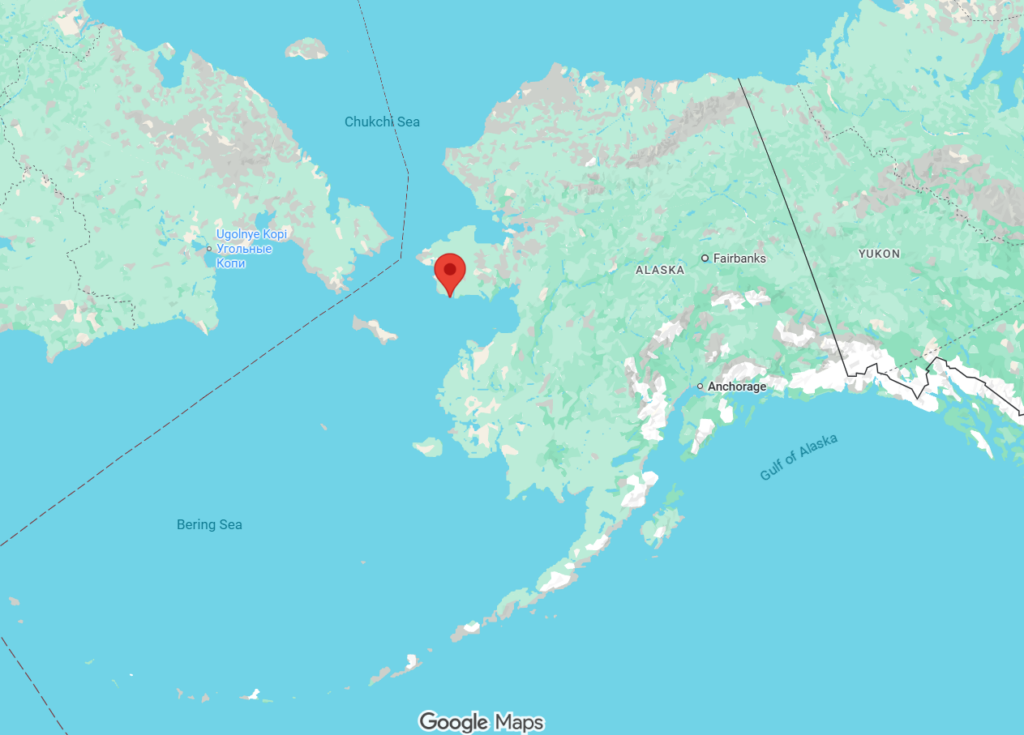
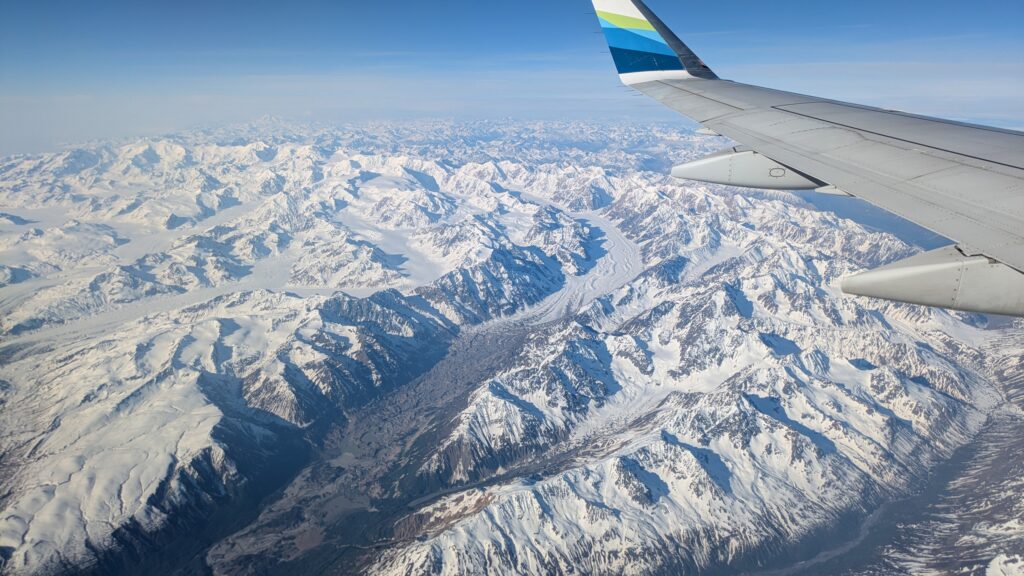
We woke before the sun crested the horizon, which tells you about how early it was, drove to the Anchorage airport and boarded our flight to Nome, a 90-minute scenic flight over the magic snow-capped Alaska Range and into another world.
We had been to the fly in-fly out oil town of Deadhorse and the seasonal fishing town of Dutch Harbor, so we knew remote Alaska, but we were still surprised by what we found in Nome.
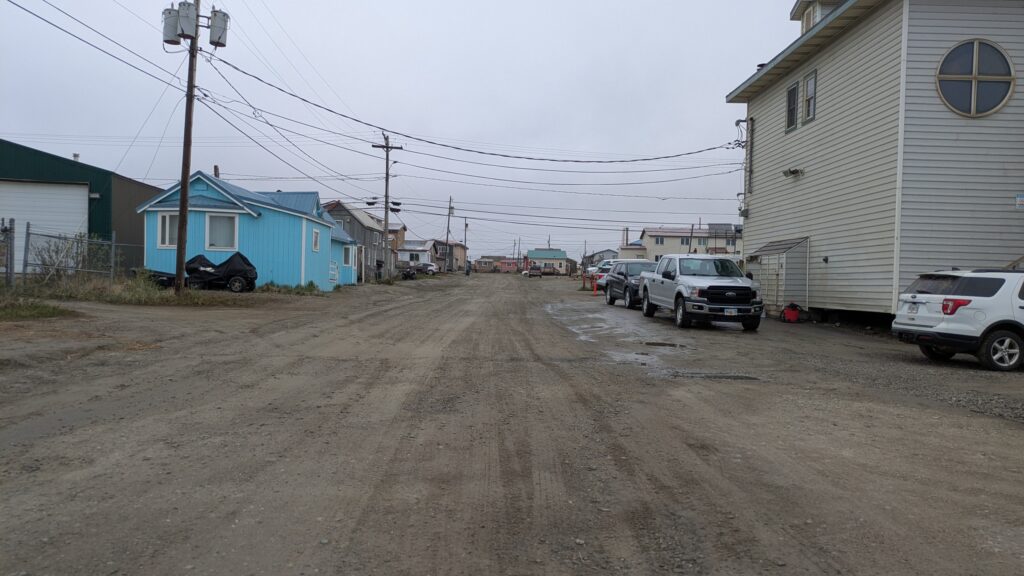
Nome is a normal town, not based on mining or fishing or tourism, just scratching out an existence in a remote and desolate environment on the Bering Sea. Not being connected to the road system means everything has to come in by plane or boat. The ocean here is frozen half the year and the town is said to get more than six feet (two metres) of snow each year. Temperatures plunge to the lowest of low levels and for people who live here year-round it must be very tough.
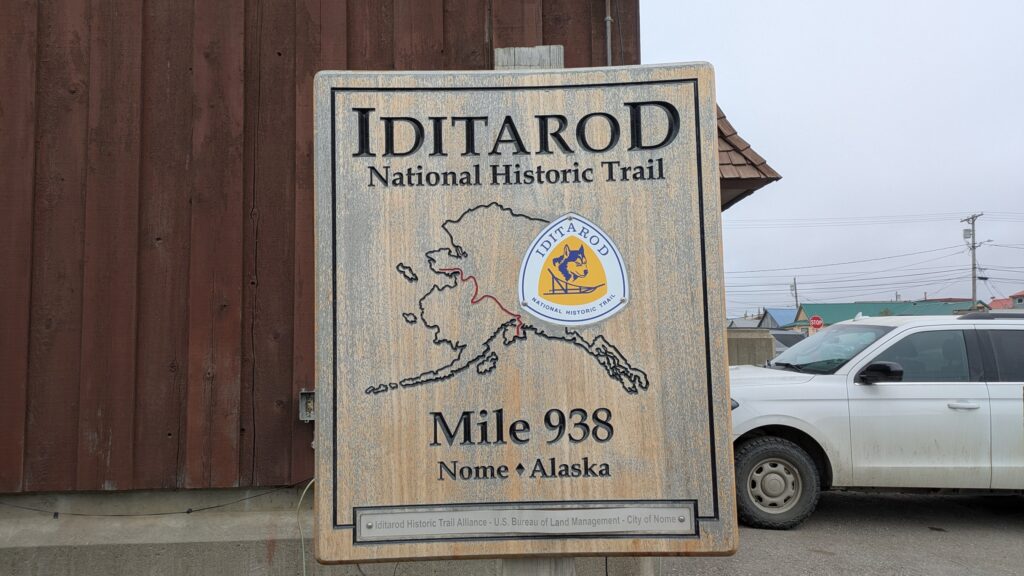
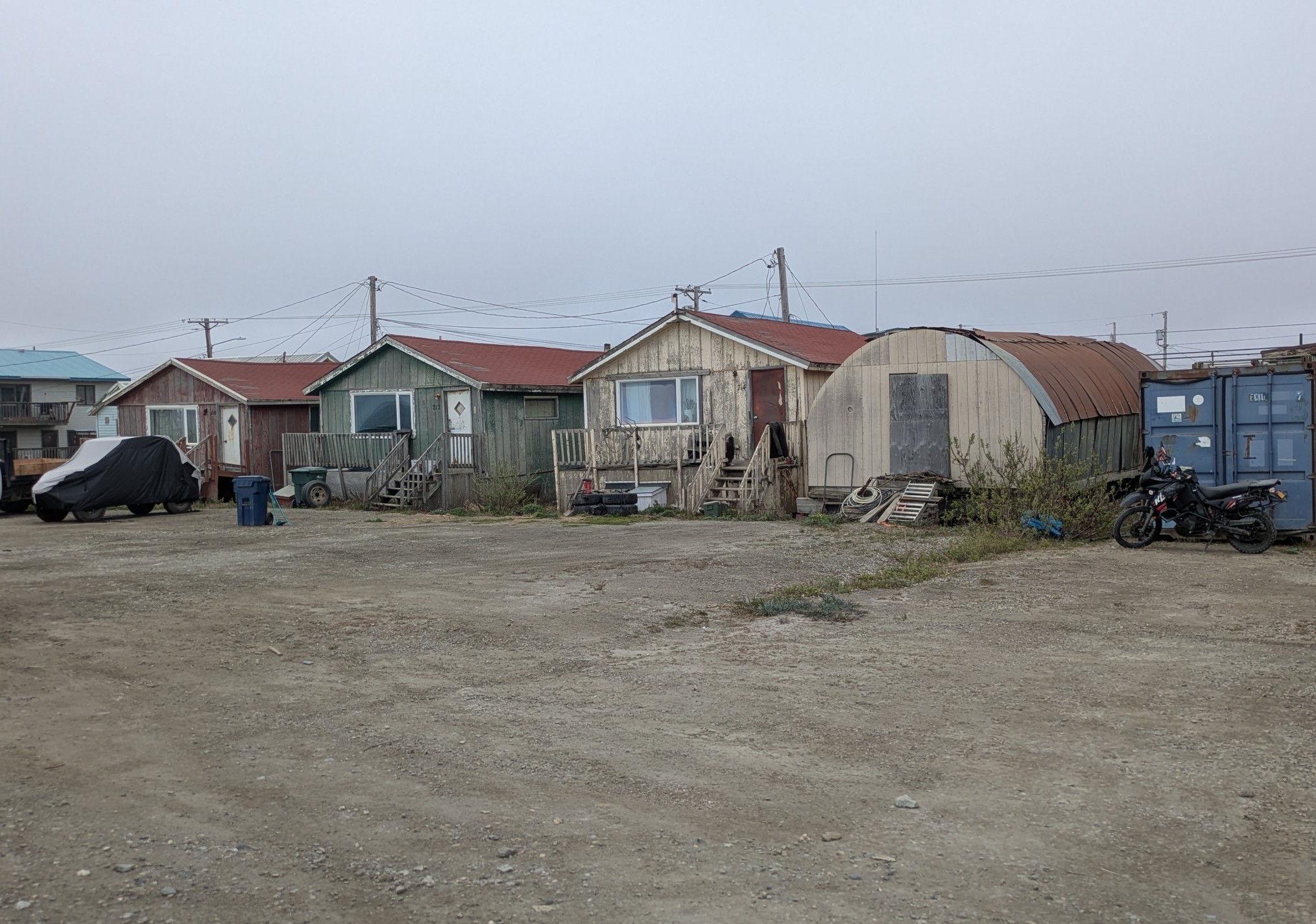
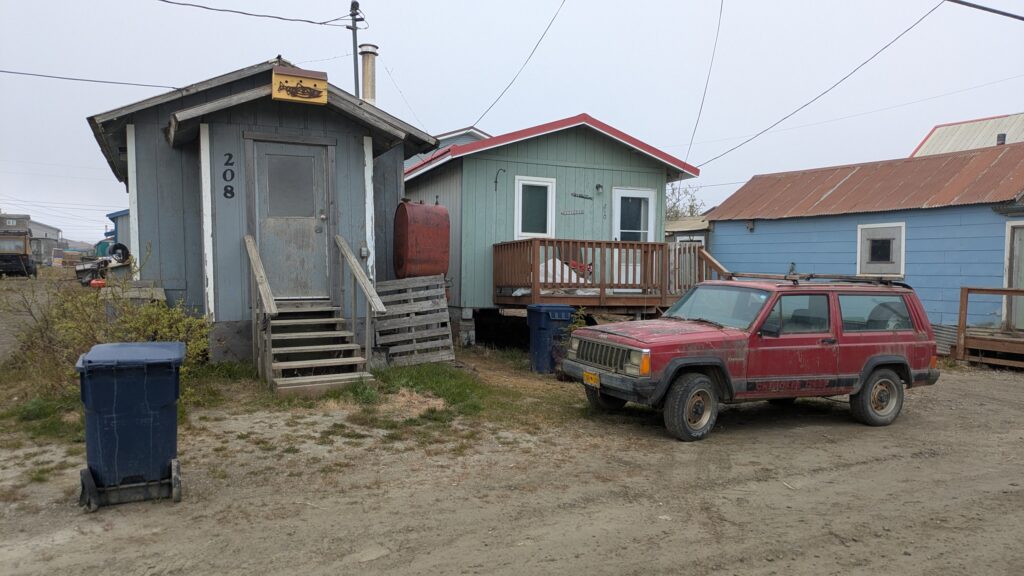
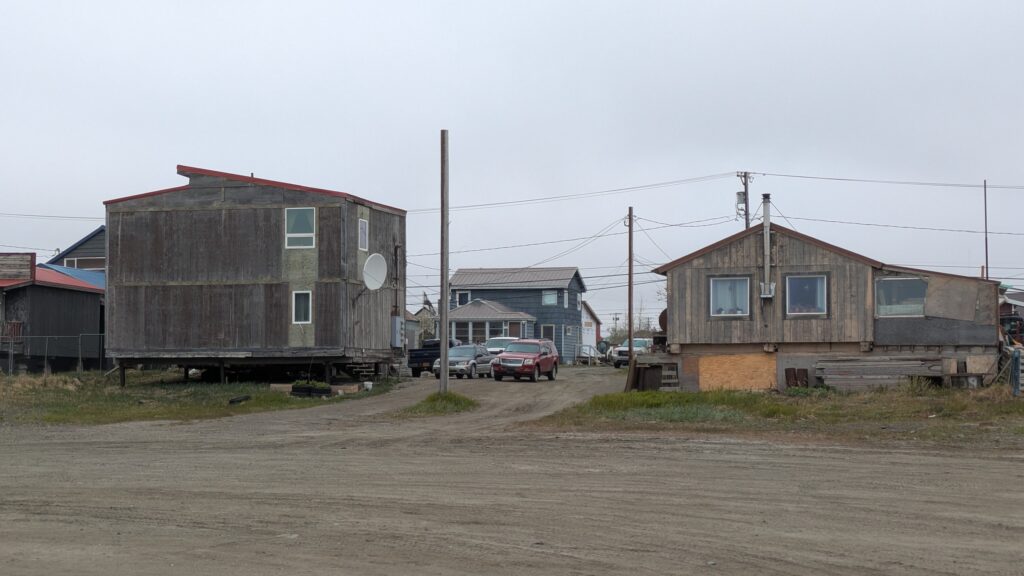
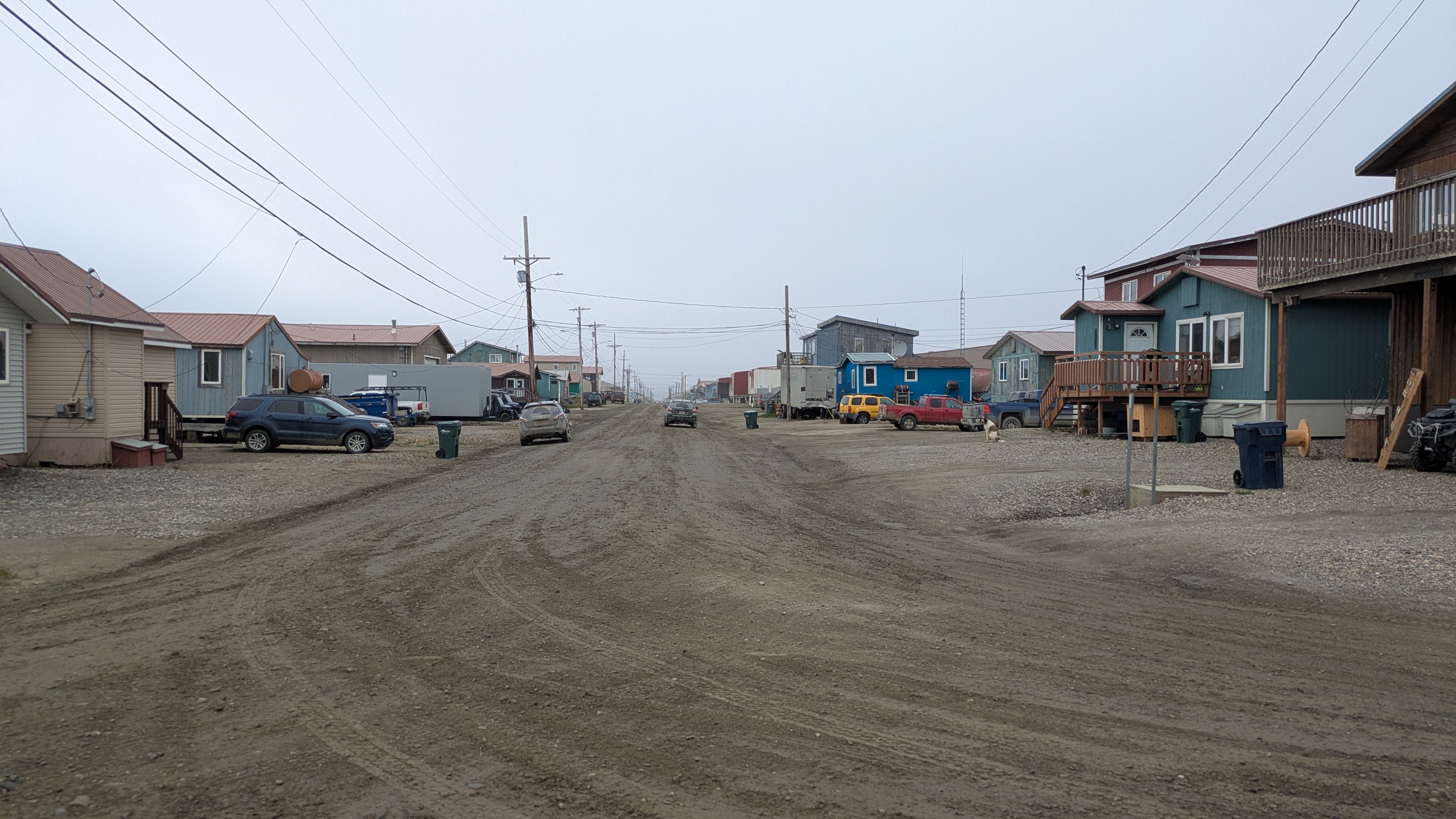
From the tiny Alaskan Airlines terminal we begged a ride into town and began our exploration of Nome. The town, whose traditional name is Sitnasuaq, has a population of around 3,500, mostly Native Alaskans, with no clear commercial or industrial engines to drive the economy. Most of the roads in town were not paved and the buildings showed signs of what harsh winters can do to them.
After more than 4,000 years of people living off the land in traditional ways gold was discovered nearby in 1898 which changed Nome forever. Gold fever was sweeping through Alaska and people came from everywhere, flooding the town with hope and leaving a few years later with despair. But by 1902 the town had over 20,000 people, making it the largest city in Alaska. Hard to believe today but Nome was a seriously bopping place back then.
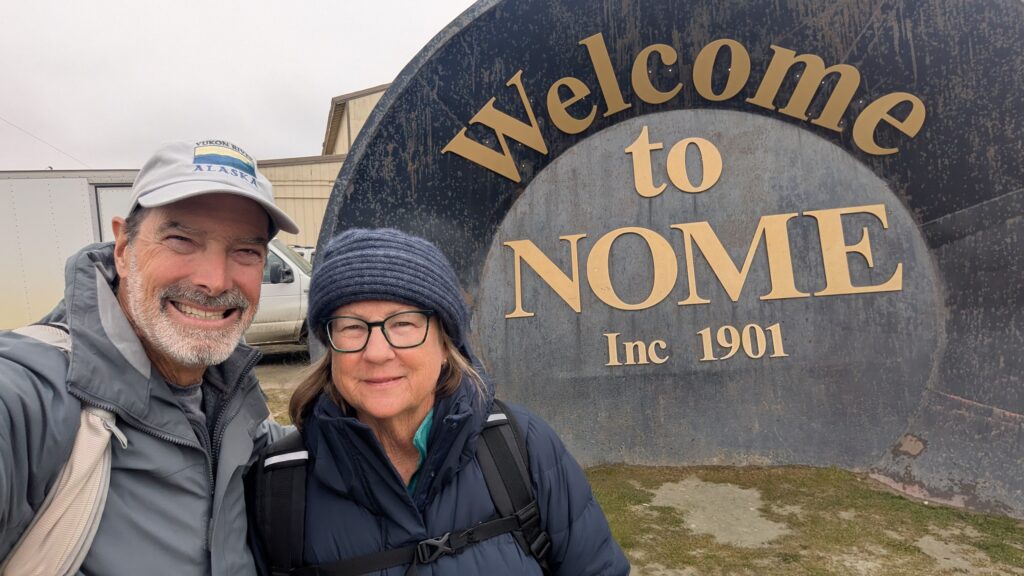
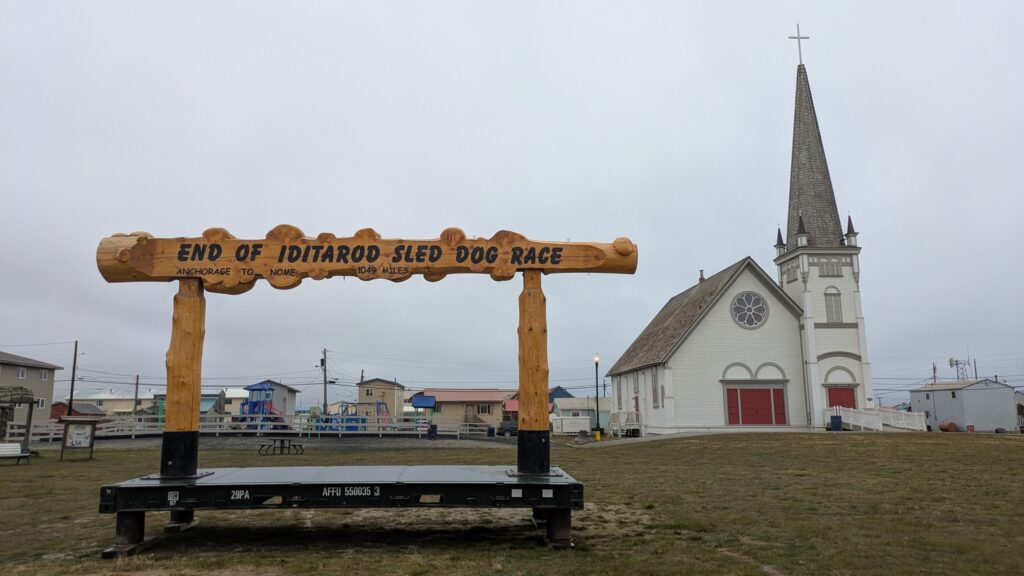
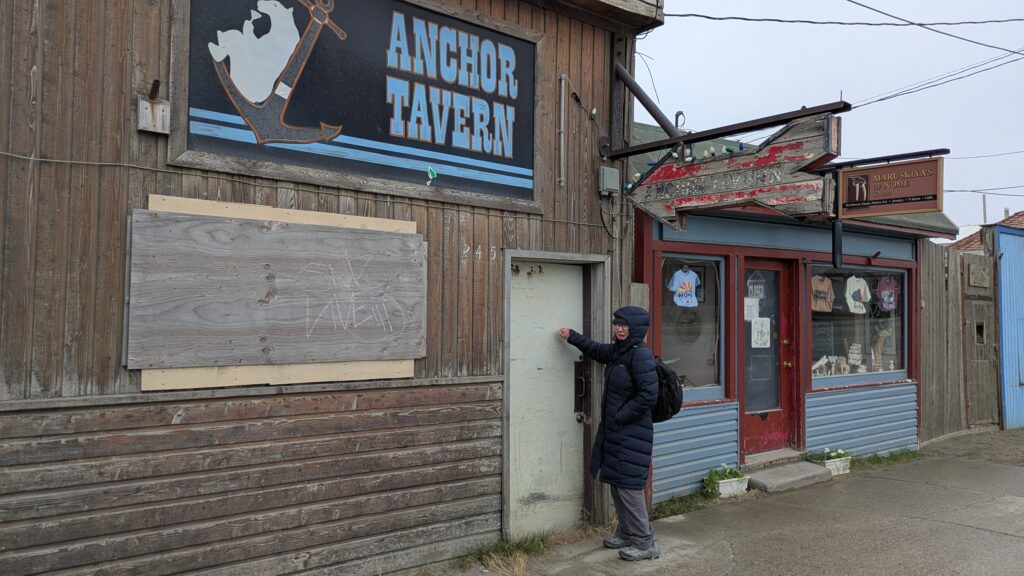
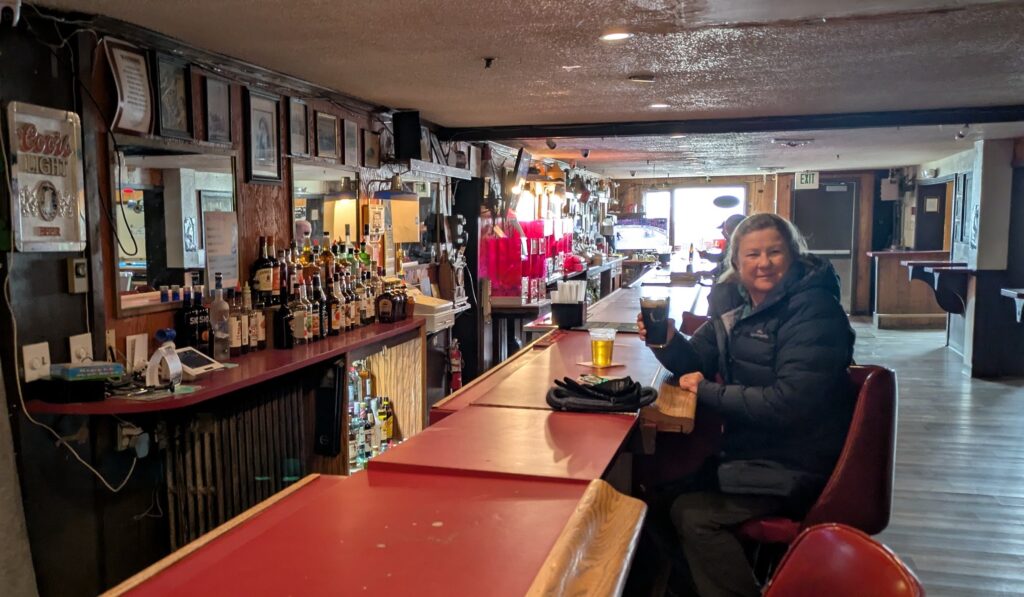
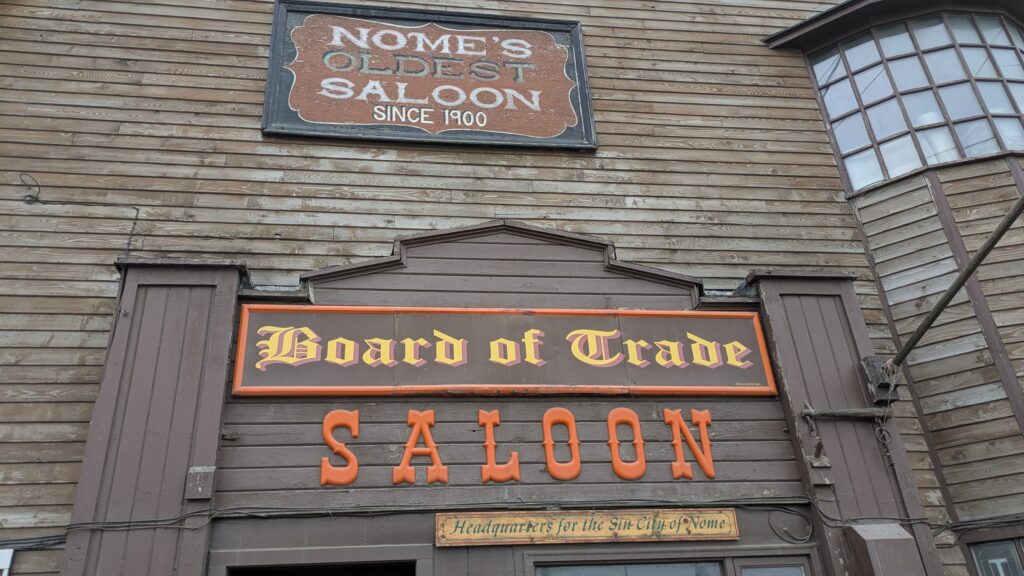
Today Nome is a shadow of it’s former glory, a grim and gritty town with very little sparkle to be found. Julie and I wandered the streets endlessly, marvelling at the way these hardy people carve out an existence but also despondent that some living conditions were fairly scrappy. Living in Nome is definitely not for everyone.
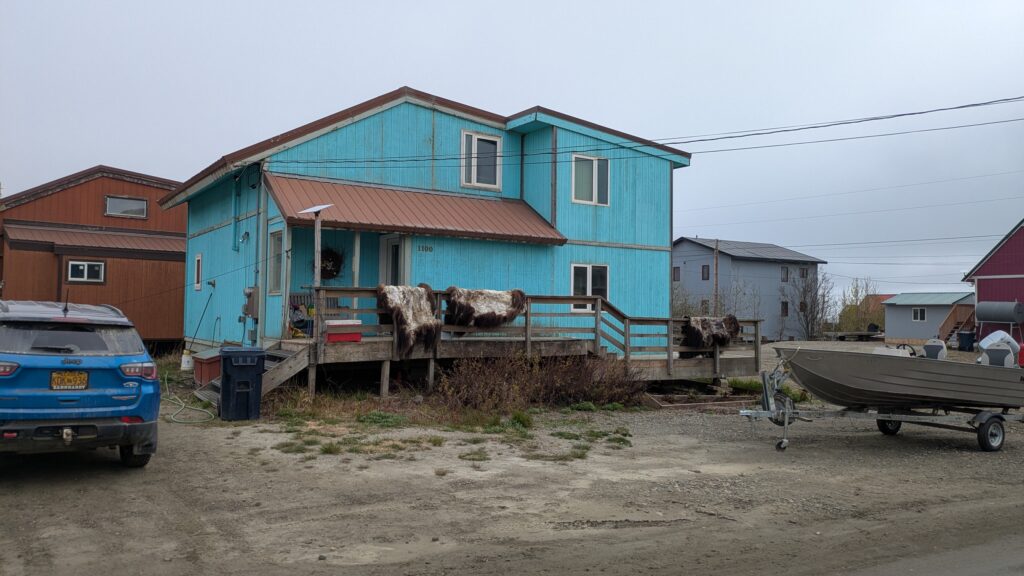
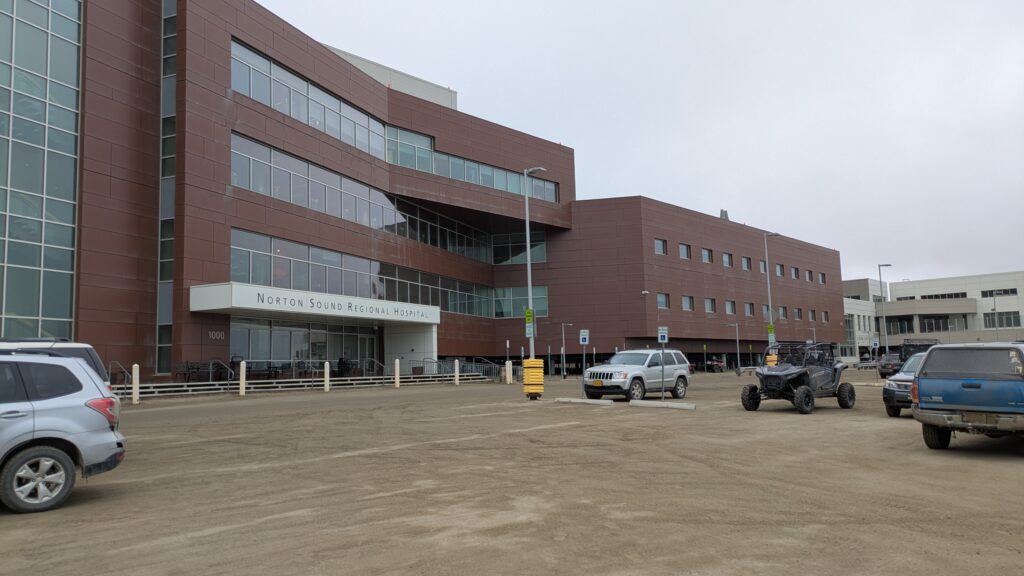
We asked a few people about good places to eat and the responses were telling. One guy recommended the Hospital cafeteria as the best restaurant in town, adding that the views from the cafeteria were excellent. A woman recommended the local Subway because it had clean toilets.
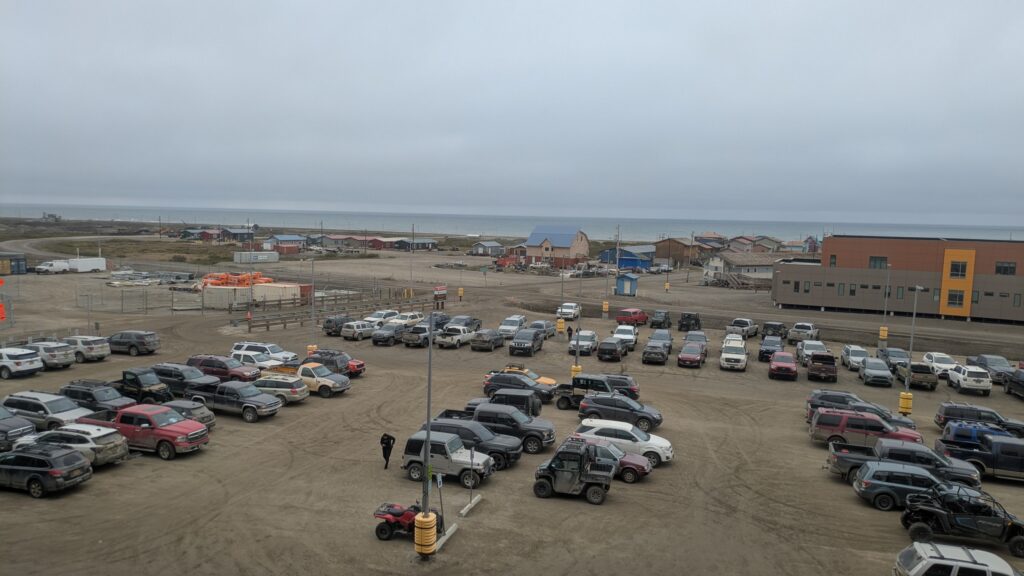
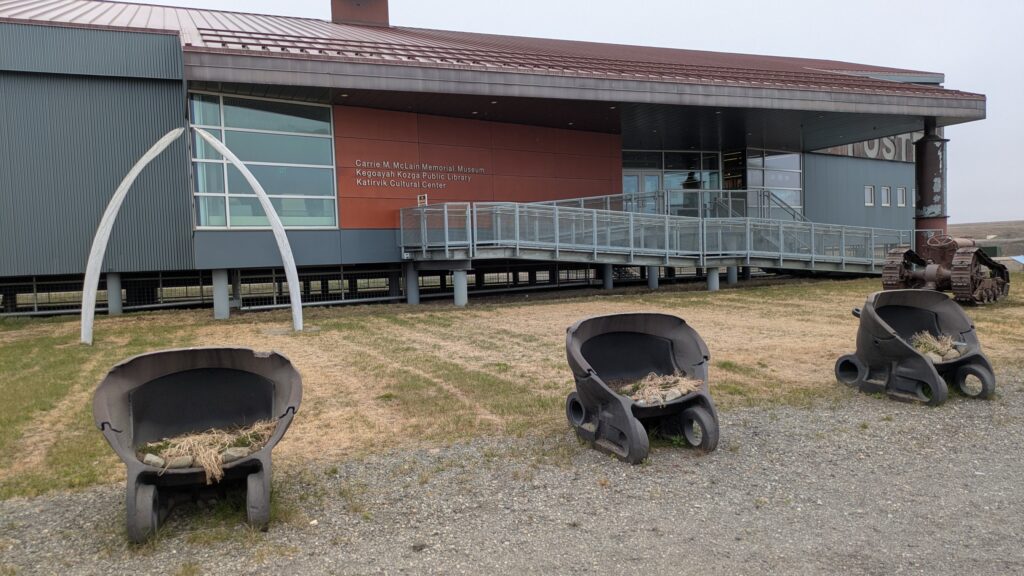
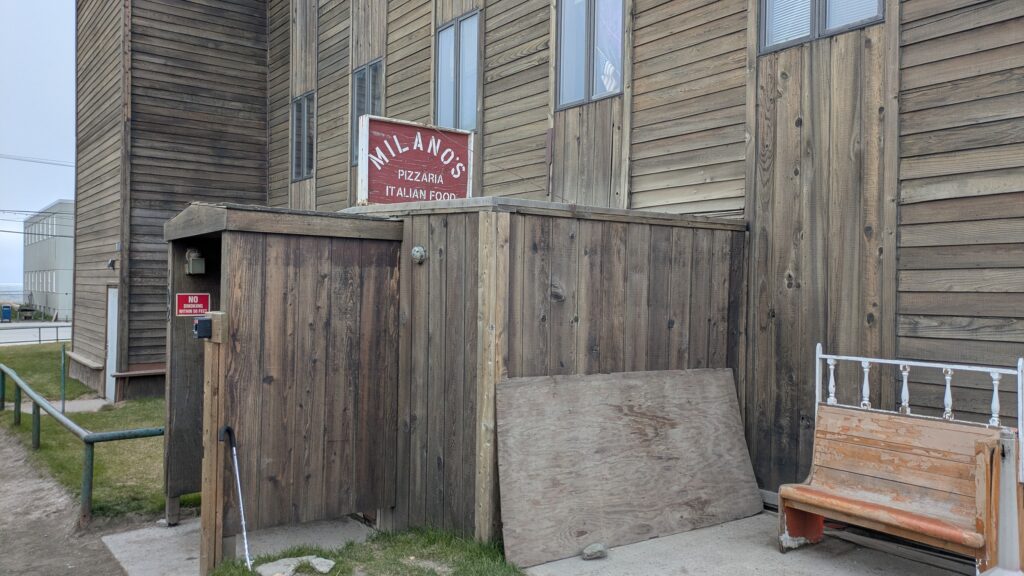
We tested out different spots to eat, including a lunch at the hospital where you choose your food and they charge you by the pound ($10.99 per pound of food on your tray) but mercifully skipped the Subway. We recommend Milano’s Pizzeria for good grub in a warm environment. The city museum was absolutely fantastic and the cultural center was good too.
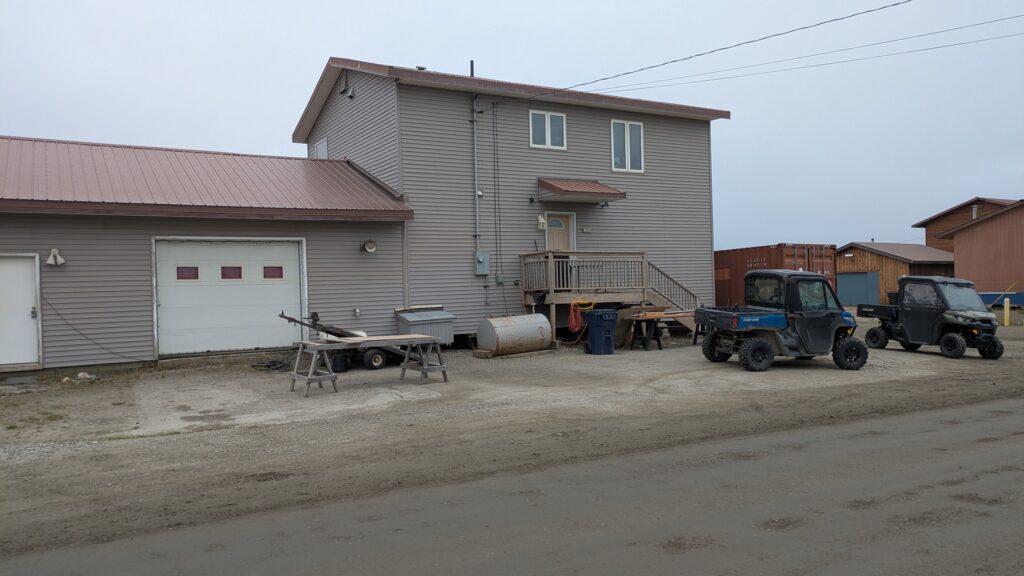
For our only night in Nome we stayed in the spare bedroom of a private home through Airbnb. It was basic but very comfy and homely, perfect for us.
We had a couple more things to see and do on our second day in Nome and after leftover pizza for brekkie we braved the grey and cold Nome conditions for a walk along the beach to check out the Swanberg Dredge. Along the way we found two pieces of sea glass which this section of beach is famous for and is said to be a popular pastime for locals and visitors.
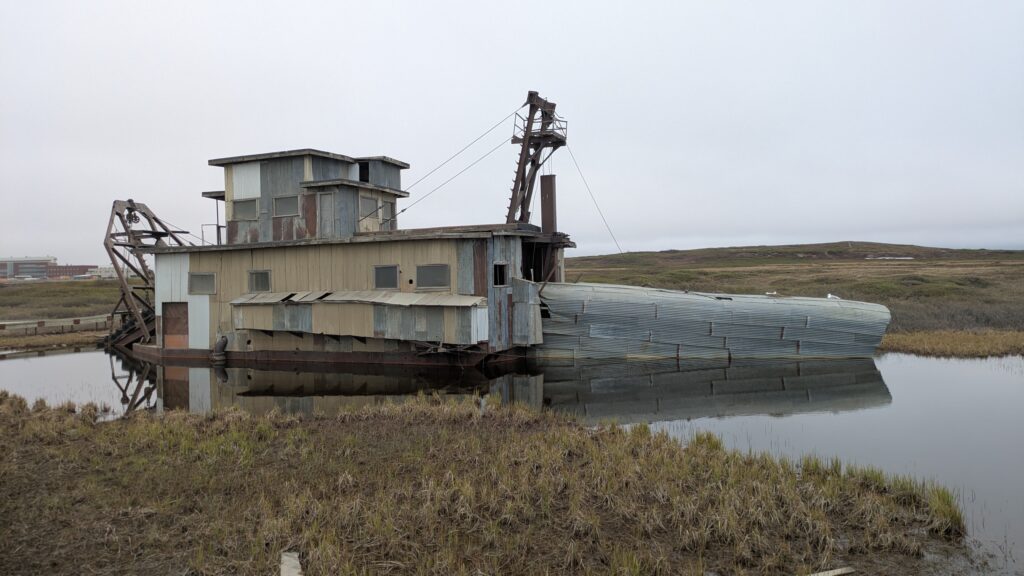
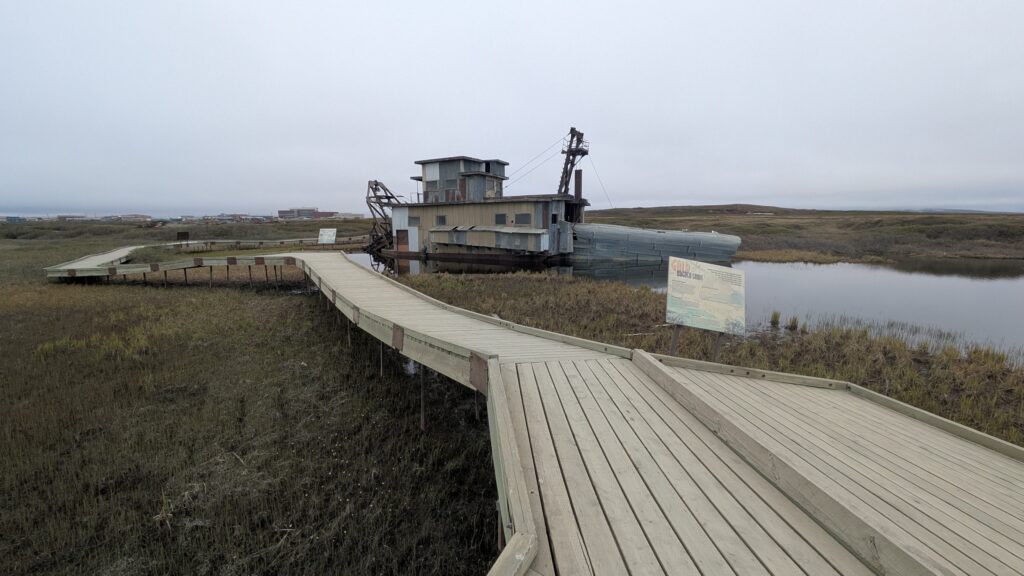
But this 100-year-old relic of a dredge was the star at this end of town, one of many who mined for gold on a large scale, creating and moving it’s own lake as it dug up dirt from one end, processed it for gold and spat the tailings out at the other end. The information boards on a dodgy boardwalk around the dredge told the story of how they worked and the destruction they caused.
We trudged back into town, well more than a mile, against the cold wind coming off the Bering Sea, and ducked into the first establishment that offered coffee. Thank goodness for coffee.
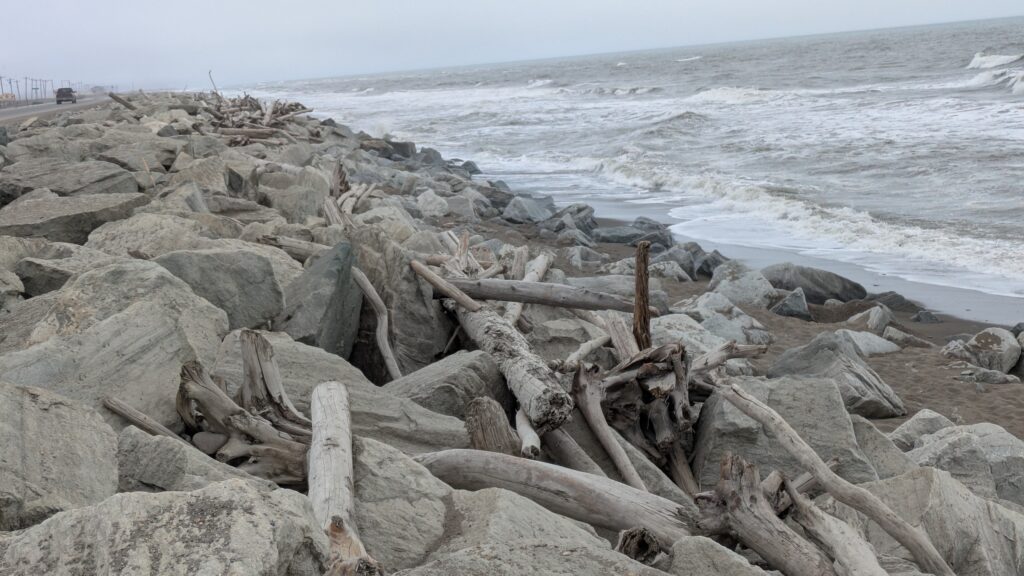
While the modern history of Nome is defined by the gold rush in 1898, geographically the Seward Peninsula is dominated by the huge Bering Land Bridge National Preserve. As every American child was taught, during the last major ice age 20,000 years ago the oceans dropped and there was a thousand-mile-wide land connection between what is today Russia and Alaska. Across this land bridge people and animals moved eastward looking for greener pastures, so to speak, and the North American continent began it’s own population.
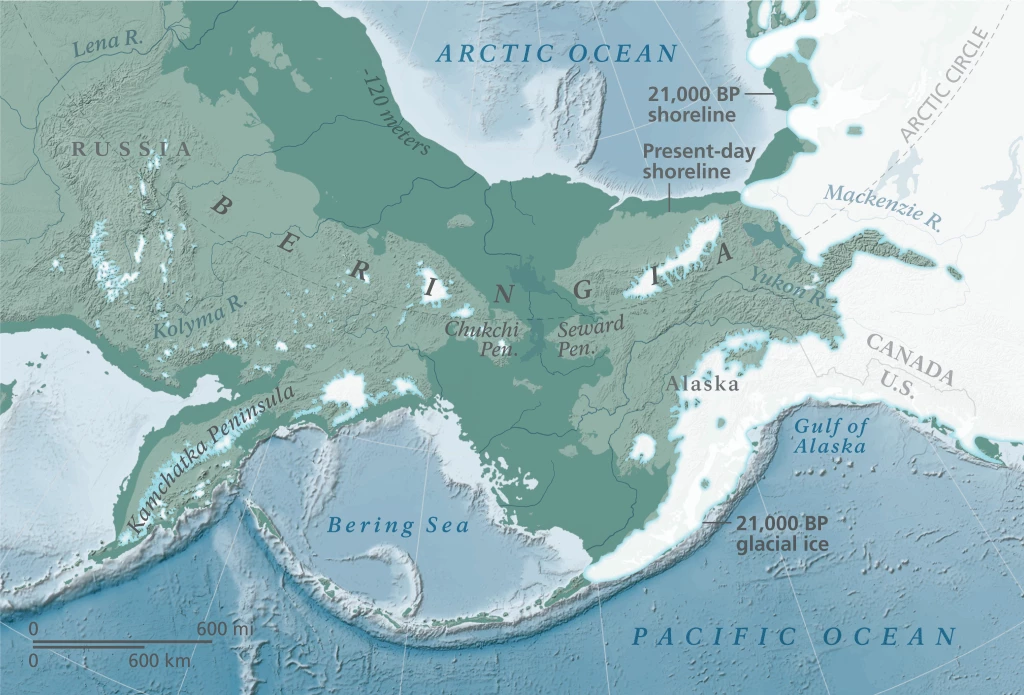
The oceans have long since risen and created the Bering Straight between the continents but the land on the American side is today protected as a National Preserve. This vast open land of tundra, volcanic lava fields, rivers and lakes has no roads or services, although it is used by the traditional Alaskan Natives for their subsistence hunting and fishing.
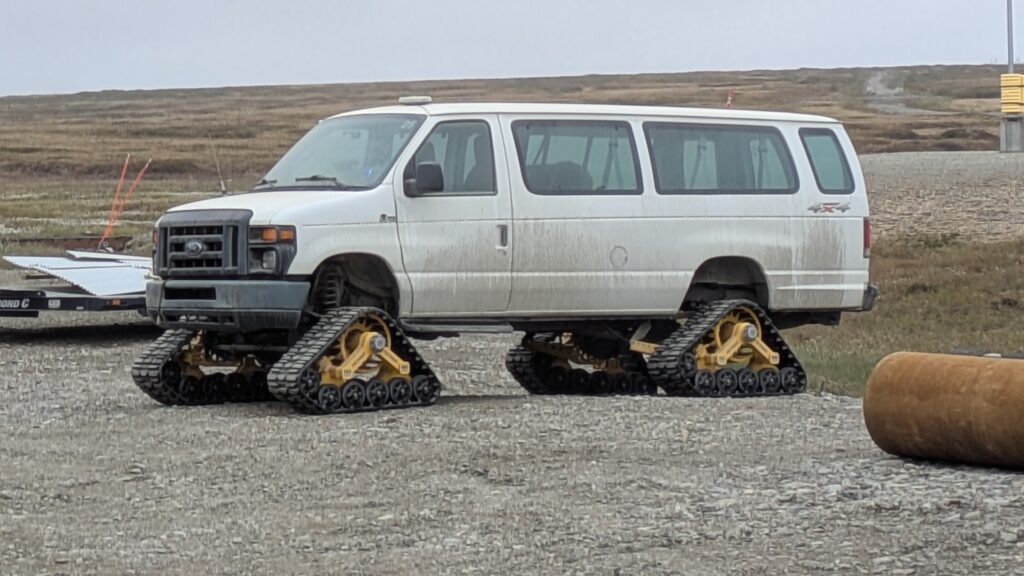
We visited the Visitor Center which celebrated this special part of America and learned more about how the continent became populated and how today’s people on the peninsula still rely on this land for their traditional lives. It is a harsh and wild part of the world but certainly worth preserving.
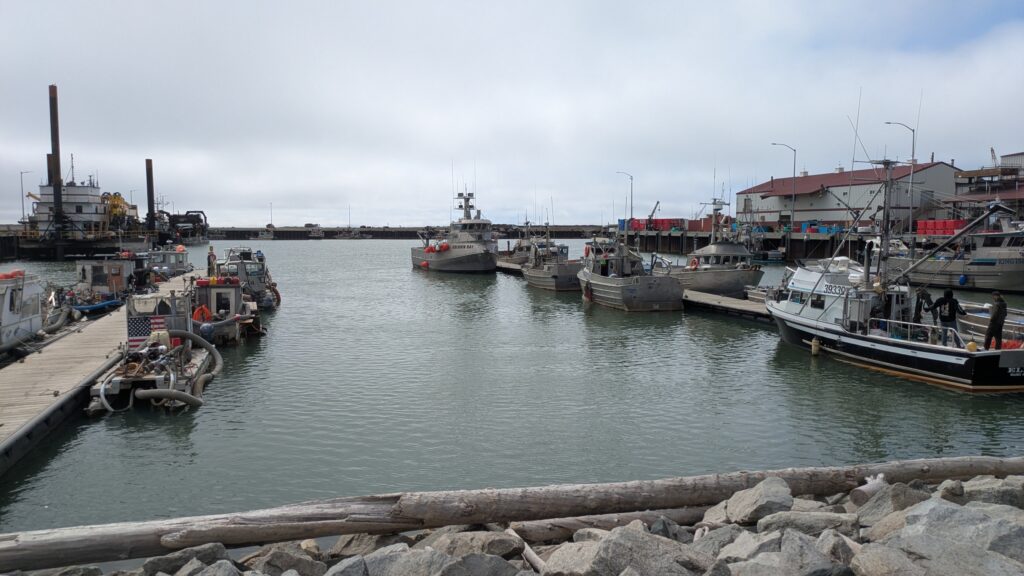
With blue skies making a surprise visit from behind the clouds we unzipped the top layer and walked past the small port at the mouth of the Snake River all the way to the airport where we sat in the small airport waiting lounge (12 seats) before catching our flight back to Anchorage.
It had been a wonderful, surprising and enlightening visit to this remote part of Alaska, the starkness of the town on the cold Bering Sea, the rich history, the wonderful land all around. There’s a lot of places on our list which we want to return to and Nome won’t be one of them but we’re glad we made the effort, a fascinating little corner of America that most people can’t imagine.
Comments
There’s no place like Nome — No Comments
HTML tags allowed in your comment: <a href="" title=""> <abbr title=""> <acronym title=""> <b> <blockquote cite=""> <cite> <code> <del datetime=""> <em> <i> <q cite=""> <s> <strike> <strong>