
Special Kyrgyzstan
Who really knows much about Kyrgyzstan, other than the Kyrgyz people themselves? As we got stamped into the spelling bee disaster for the second time we knew we had much to learn about our home for the next week or so. But I did learn a few things in my research – ethnically mixed, culturally close to Russia and Kazakhstan, largely dependent on China for trade, modestly Muslim, primarily rural, noted for their 19th century woman who was an army general, proud of their breed of horses with a national drink of alcoholic horse milk and a national hero who carried his horse through a snow storm. That’s Kyrgyzstan for ya.
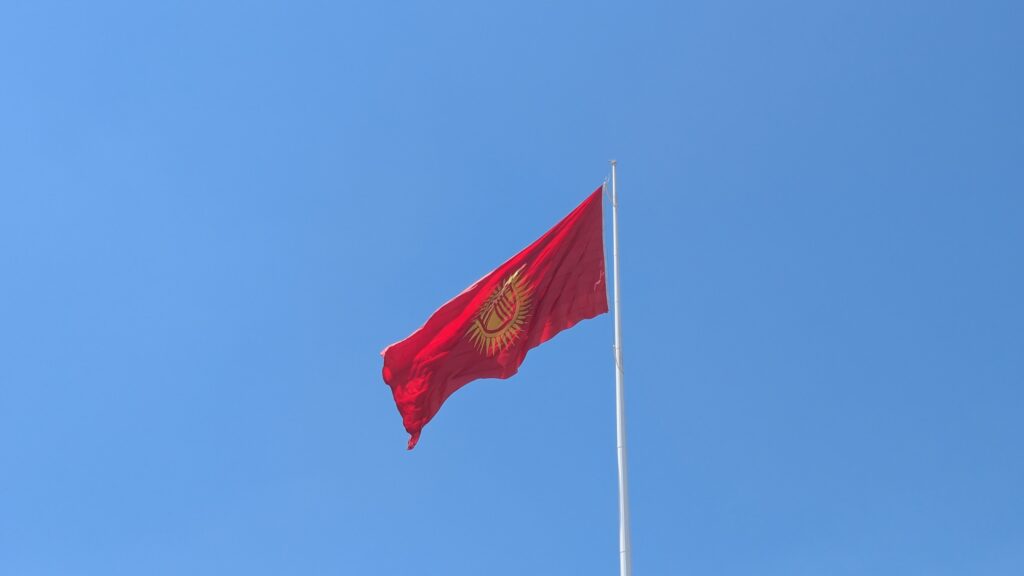
But Kyrgyzstan was three countries away from where we started the day. We woke up in the northern Tajikistan city of Khujand and caught early taxis to the border with Uzbekistan. Because only on Dave’s Tours can you do three countries in one day, including dragging our bags for the third time as we walked across a border, then another long taxi to the airport in Tashkent Uzbekistan, then an international flight to Bishkek Kyrgyzstan and finally a taxi to our downtown hotel. Phew.
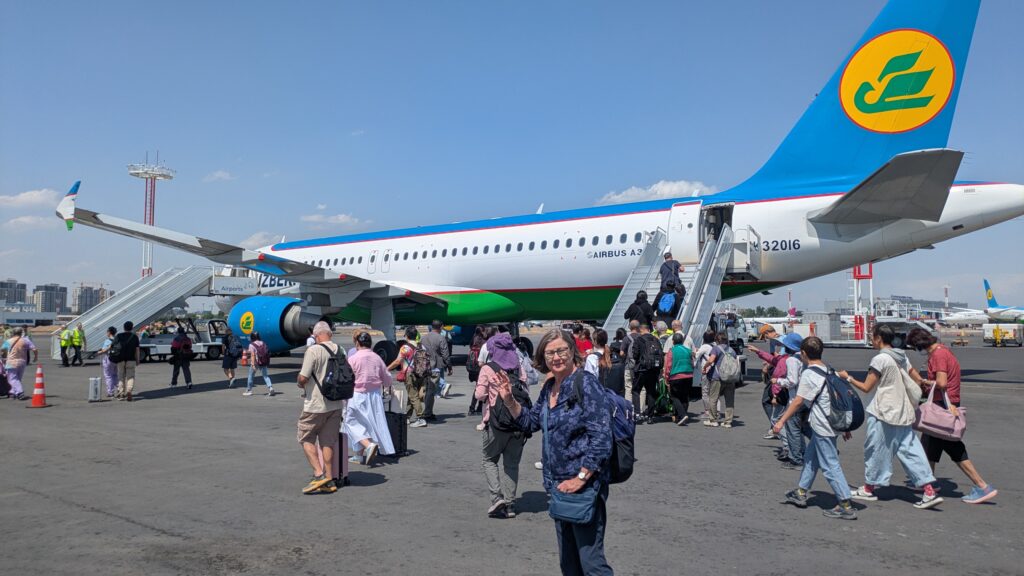
And Bishkek, the capital of Kyrgyzstan, was it high on our travel list? Ah, well, actually, no, not really. But Bishkek was our starting point for our next adventure exploring the mountains and lakes of northern Kyrgyzstan. So Bishkek it was.
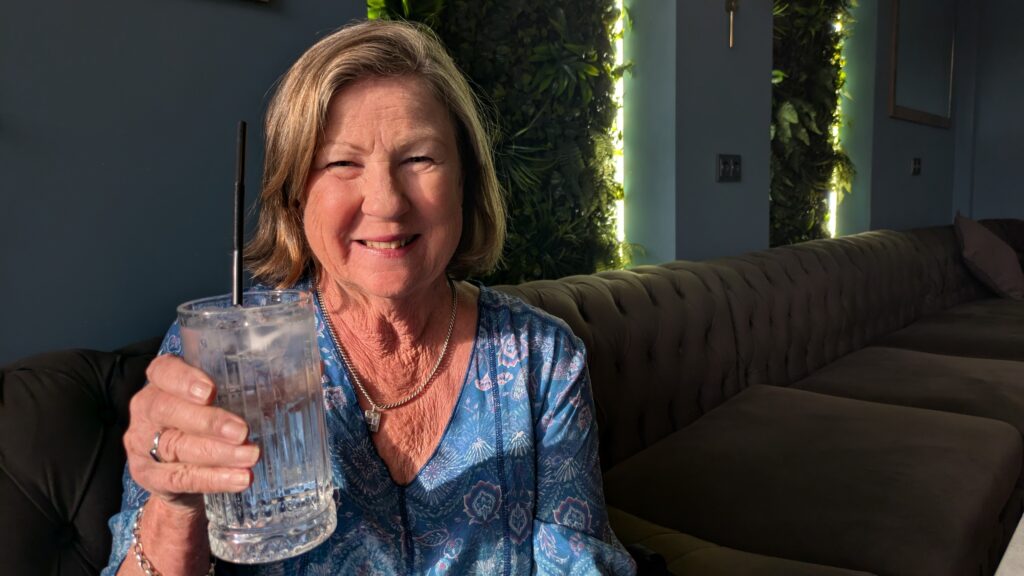
The next morning I found a free self-guided walking tour on an app we had used before and after a western breakfast we were off to see the sights of this city of 1.3 million people, whatever they may be. And actually, it turns out those sights were pretty good.
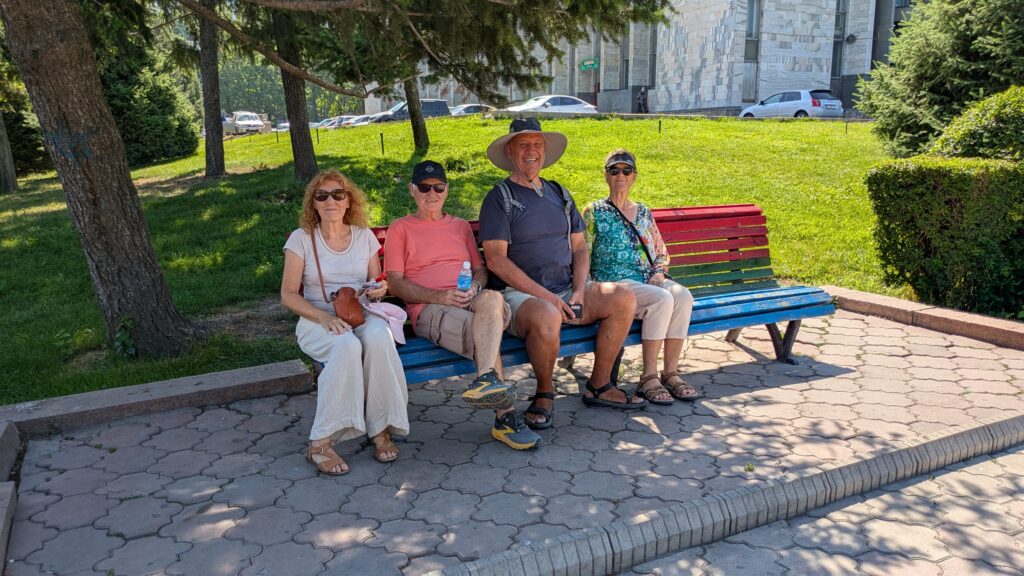
The first thing that struck us about Bishkek was that it was quite modern and even western. The bar we went to the night before had draft beer and gin and tonics, the restaurant served a mix of western and local food, and when the live music started up both men and women were dancing like crazy. Hardly a headscarf was to be seen.
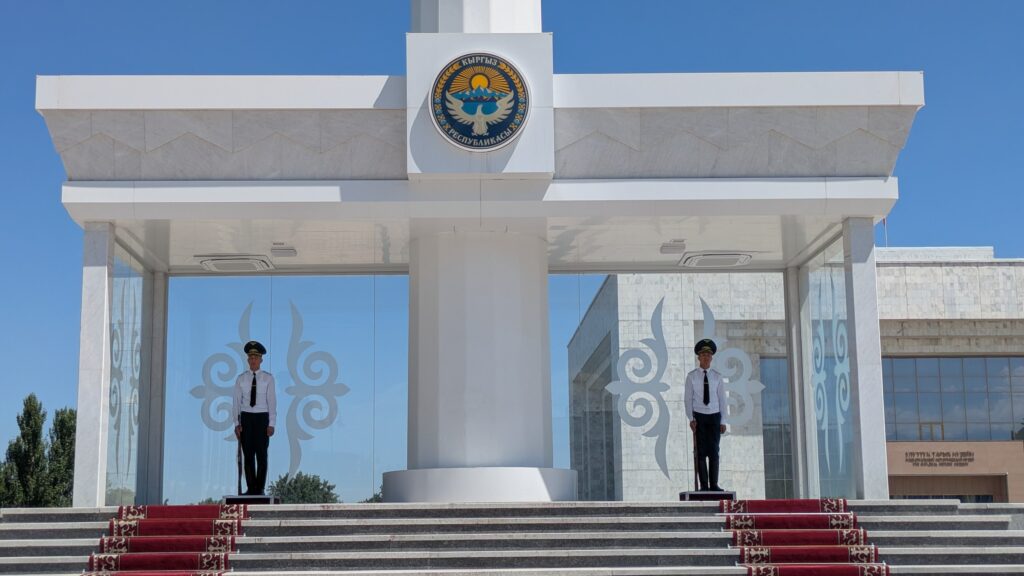
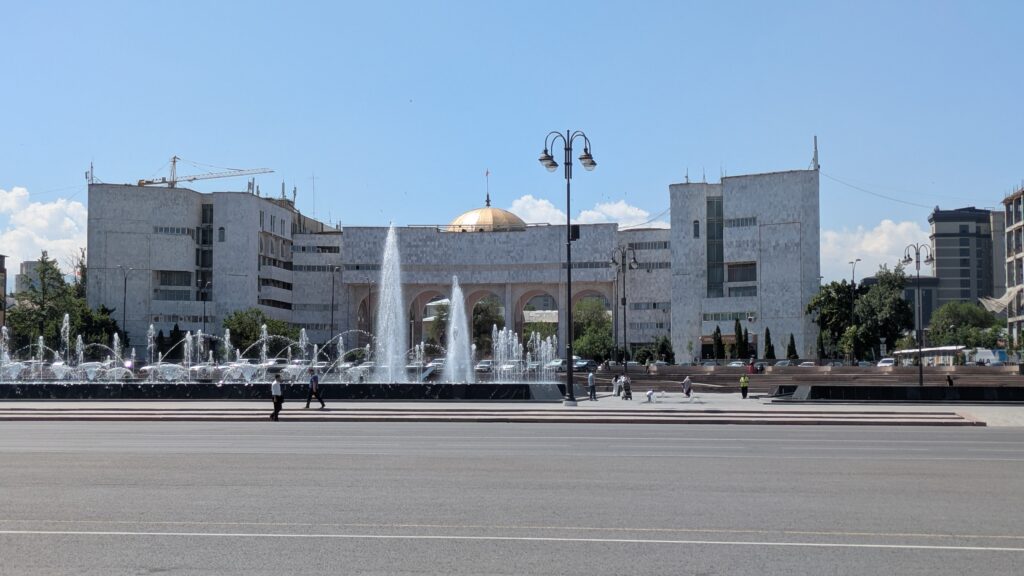
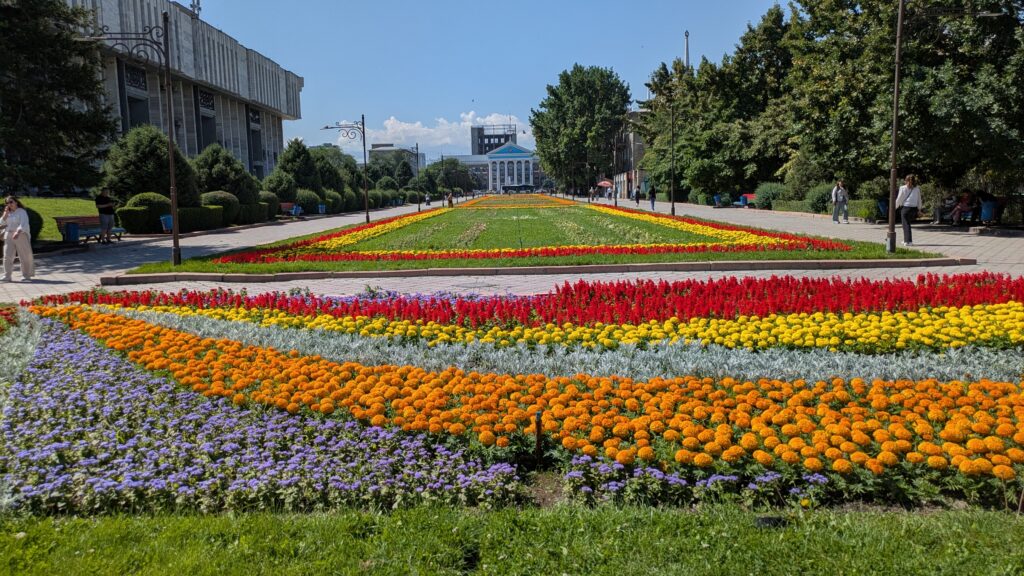
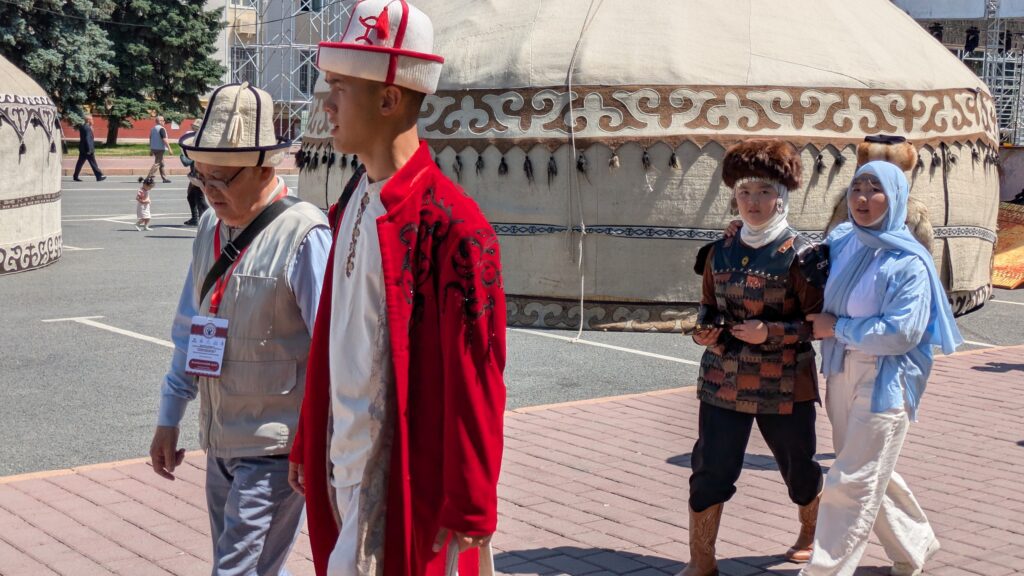
Bishkek seemed to be laid out in a fairly standard grid with wide tree-lined streets reminiscent of the other Soviet-designed cities we had seen in this region like Tashkent and Dushanbe. The sun was sparkling and as luck would have it, it was National Armed Forces Day, a national holiday, so we saw many people dressed in national costume.
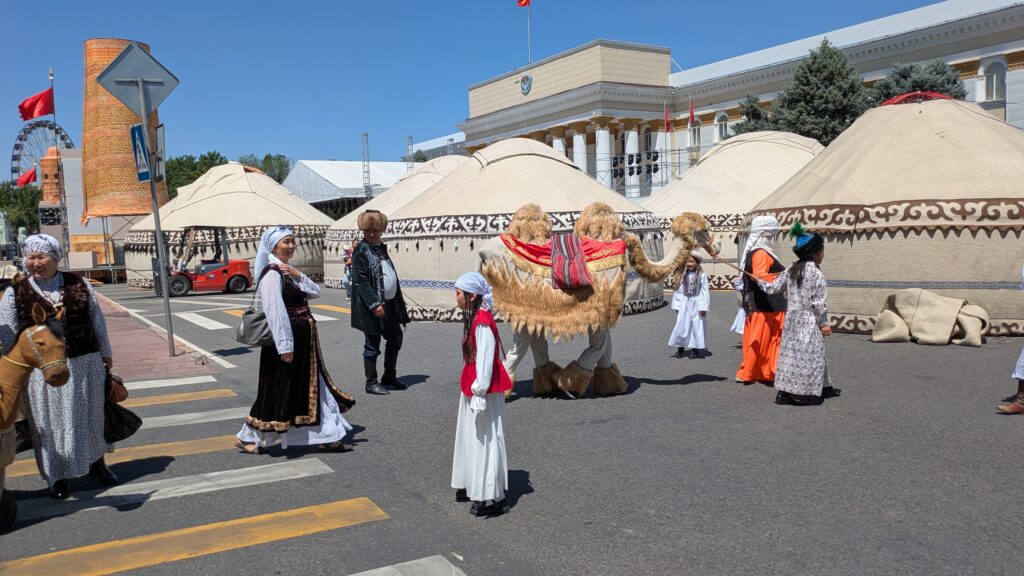
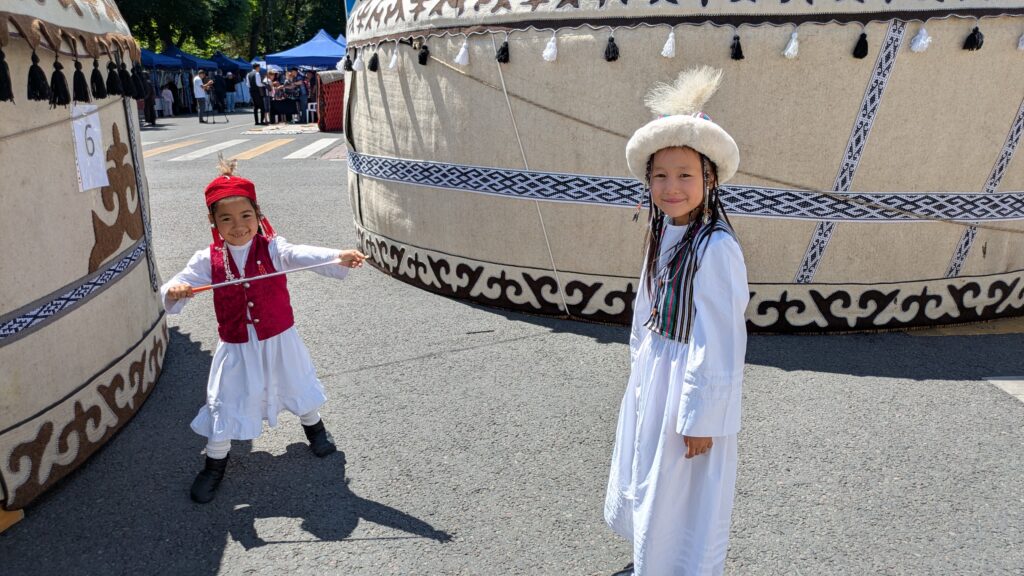
Bishkek also doesn’t have a long history like other cities in this region. Not much more than a large village 200 years ago, it grew in prominence under the Russians and afterwards in independence. Kyrgyzstan has had a few bloody uprisings and coups since they were freed from the Soviet yoke in 1991 but today sport a 30-something President and perhaps some hope that their best times are ahead of them. We were certainly impressed by Bishkek.
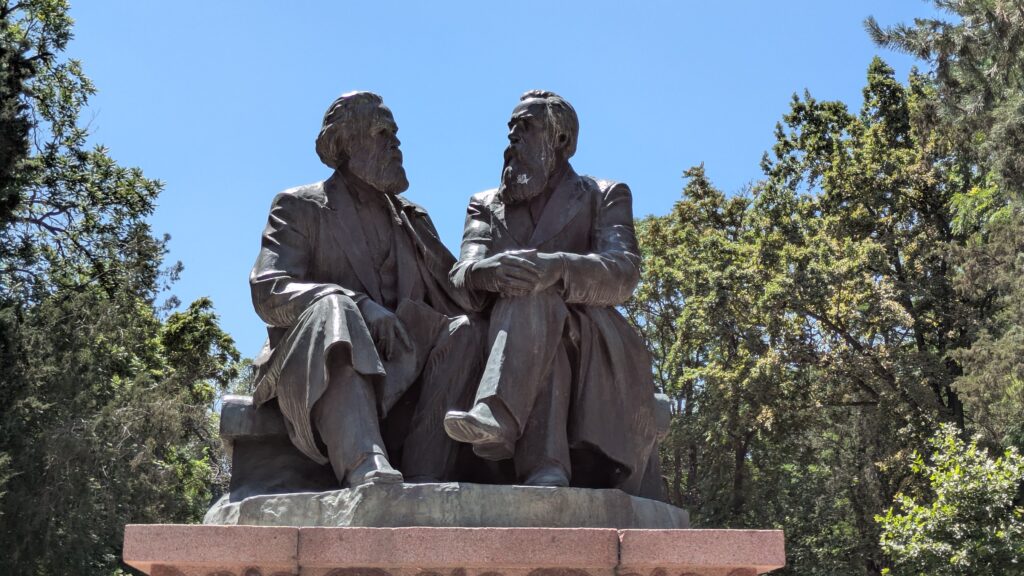
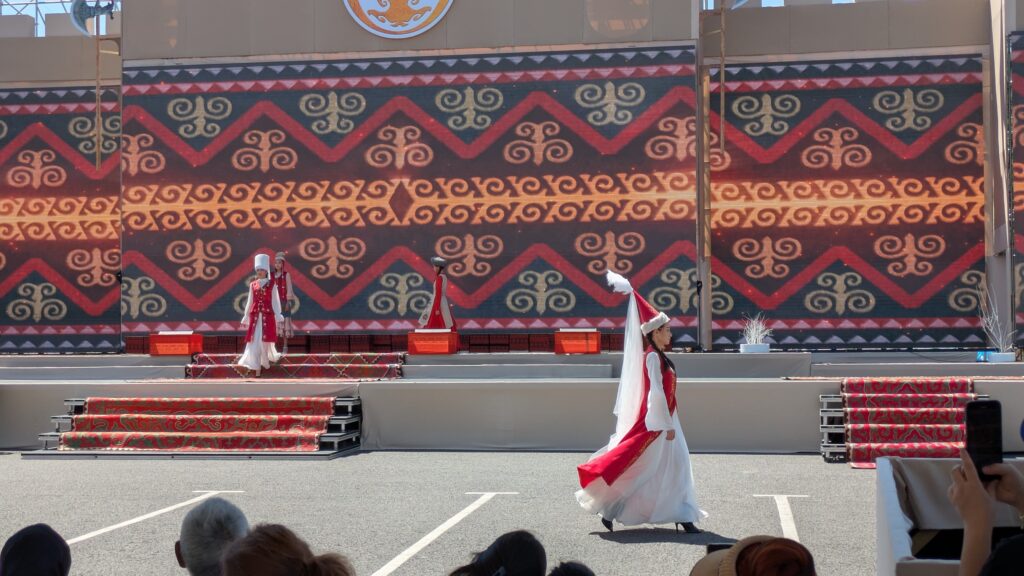
Bill’s Walking Tour took us through the University, past various government buildings, through numerous grassy parks sporting beaut springtime flowers, many statues of famous Russians and Kyrgyzstanis, a couple of pop-up markets, a national costume fashion show, the opera house and philharmonic hall and a whole bunch of other stuff. Just call us culture vultures.
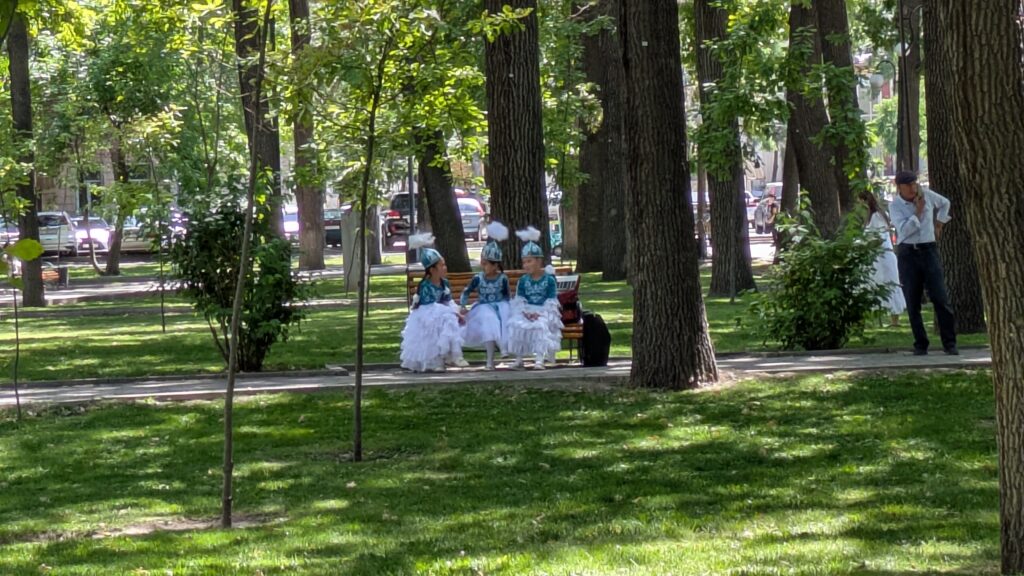
And all the time we loved the people-watching, mostly in western attire, women with long dark hair, some older men sporting their funny national hats, kids running around laughing and playing. We loved it.
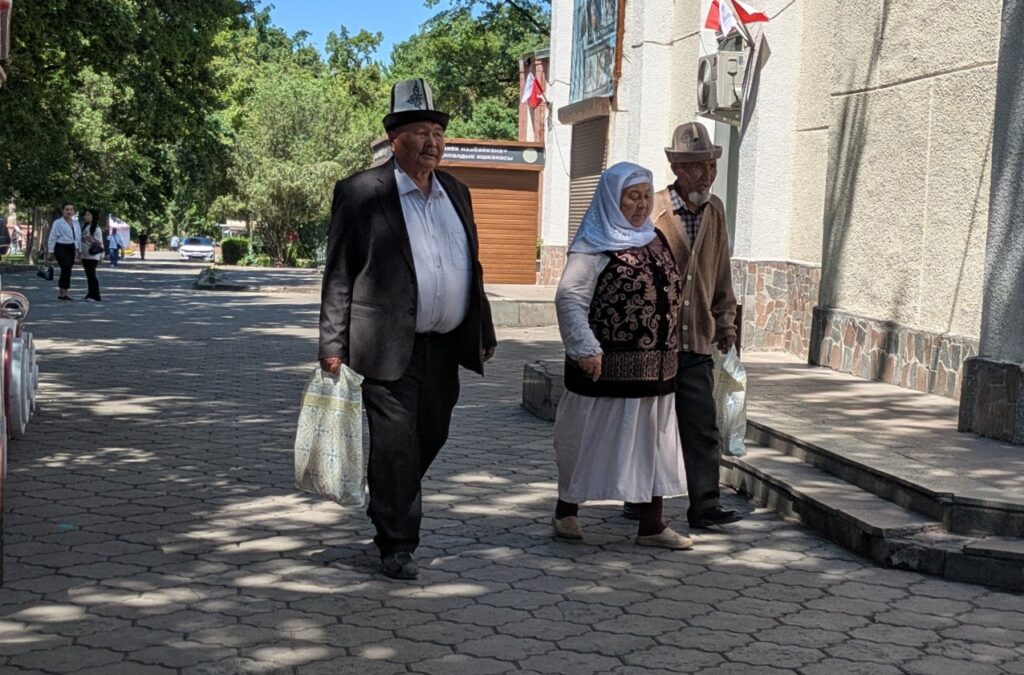
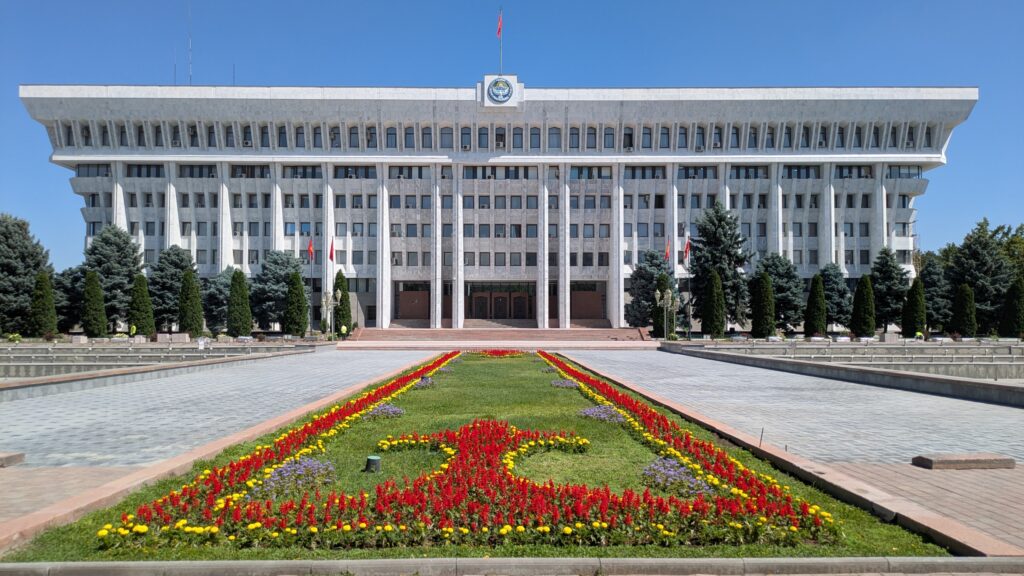
That evening we returned to the bar and another fun restaurant, enjoying this place immensely. If you can hit Bishkek on a warm sunny day you could probably live here forever.
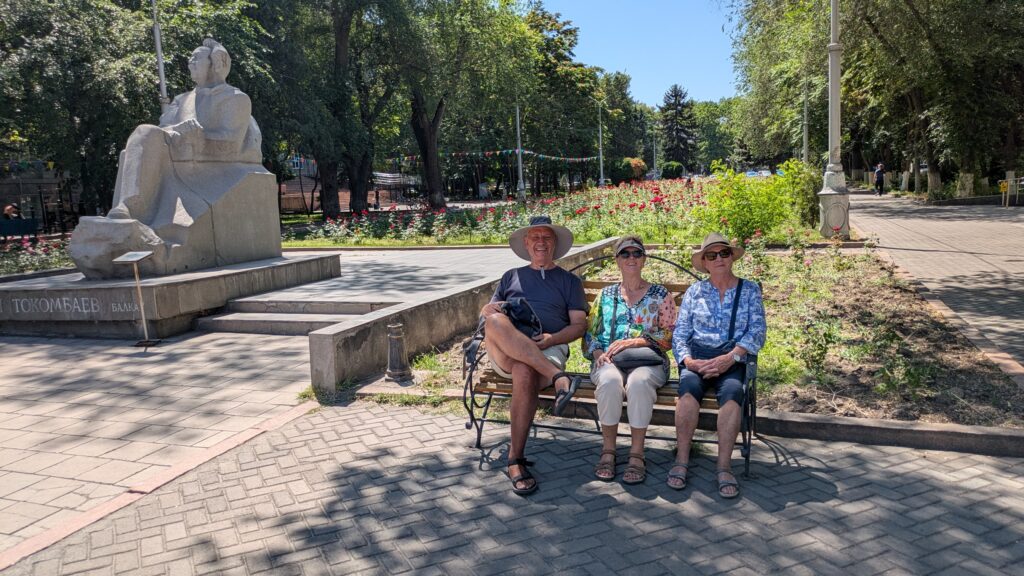
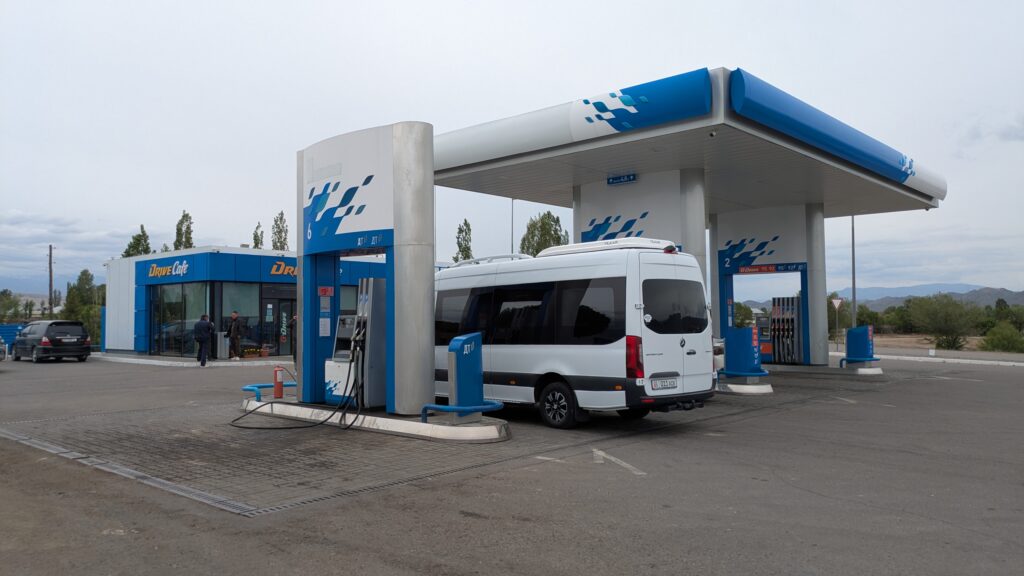
The next morning we met our driver and guide for the third and final guided tour of our Central Asia extravaganza. Our super-comfy Mercedes Sprinter van, driver Manus and English-speaking guide Ilyas will take us on a seven day trip through scenic lakes, beaut mountains and more natural wonders across norther Kyrgyzstan and southeastern Kazakhstan, eventually ending up in Almaty where our time in Central Asia will end.
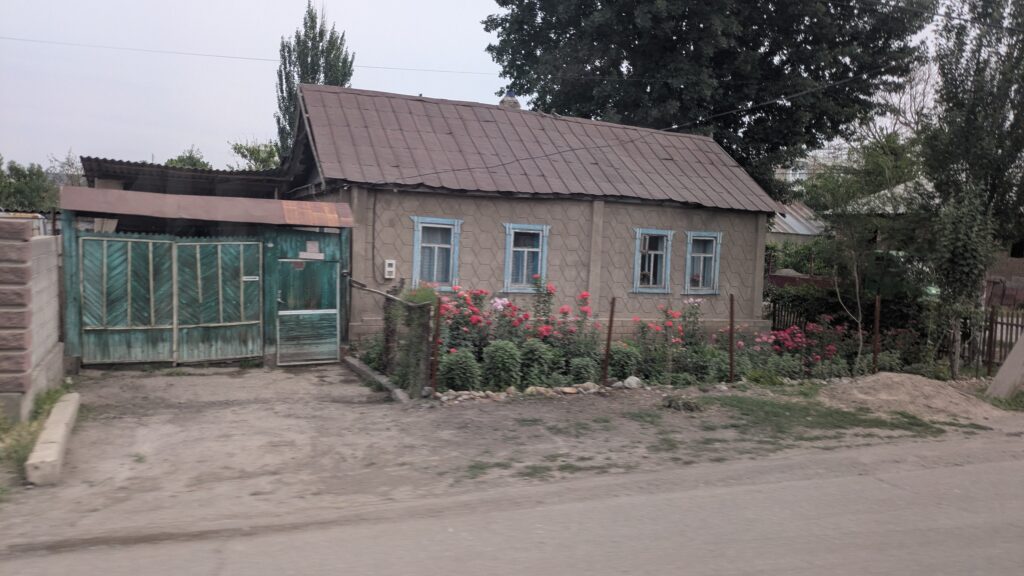
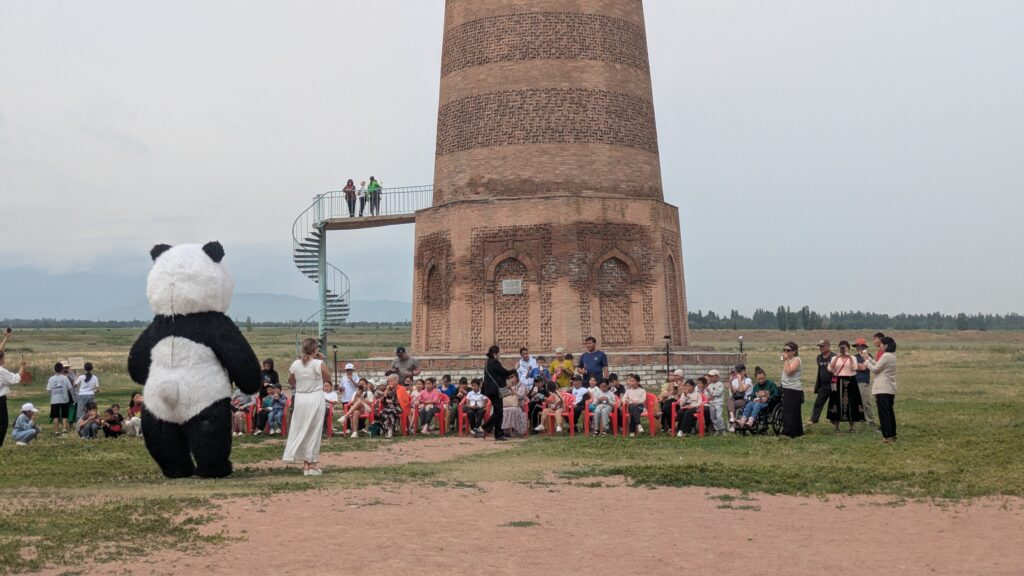
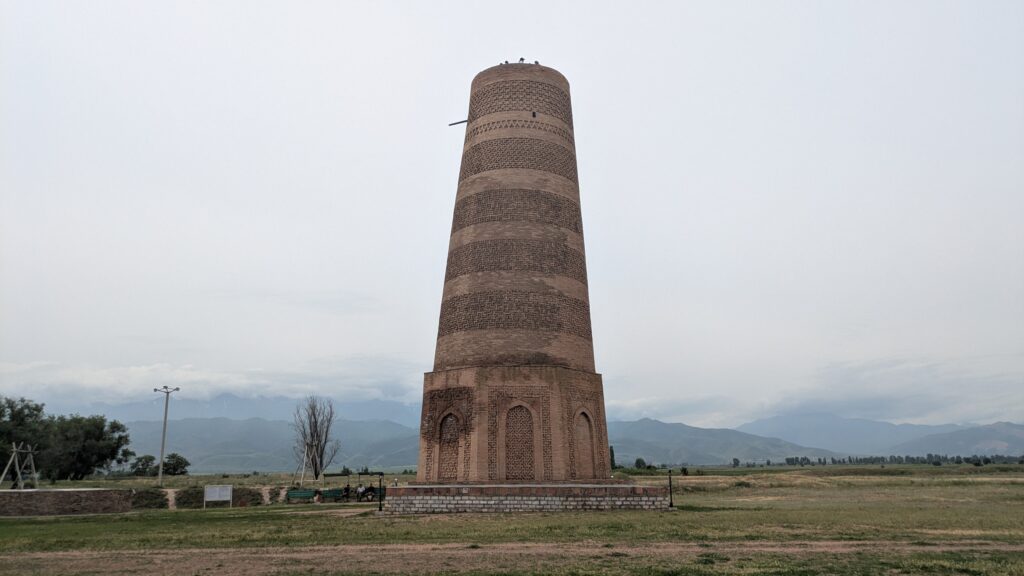
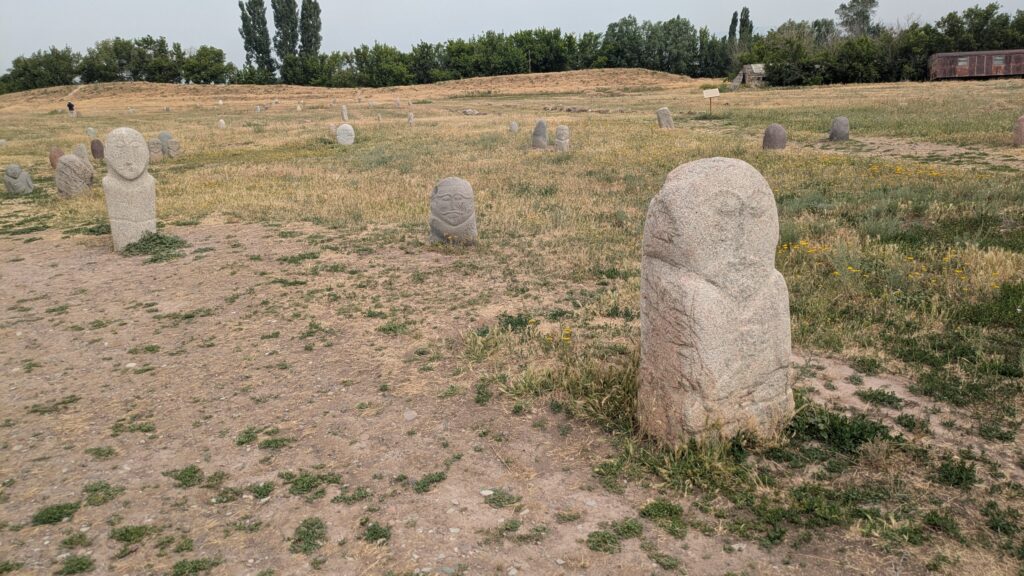
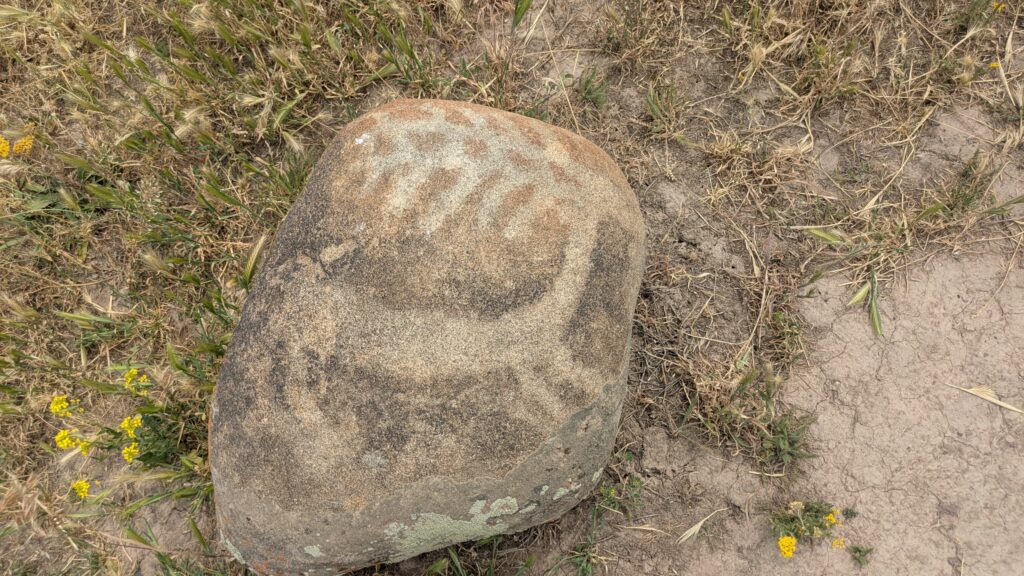
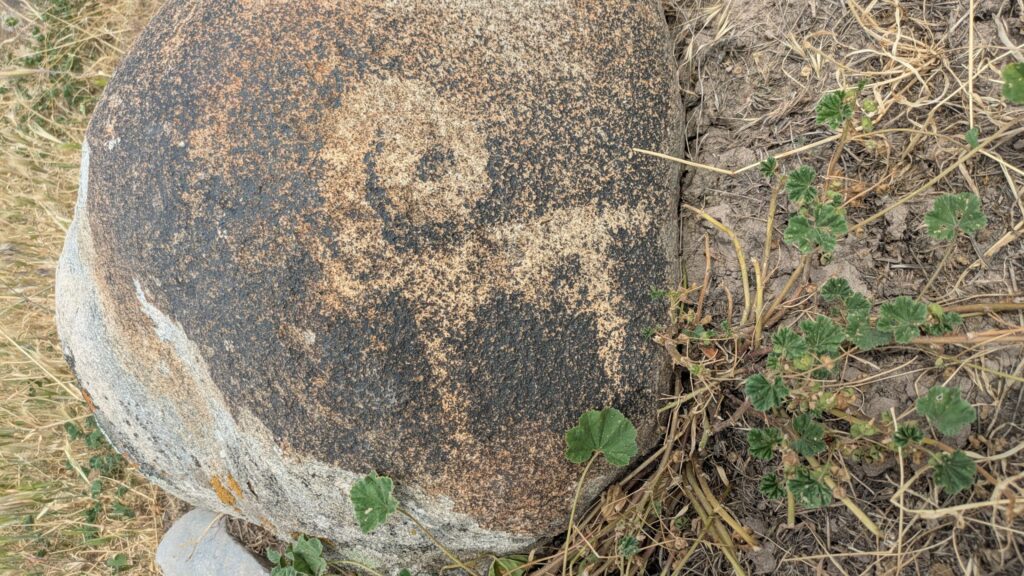
The Kyrgyz countryside east and south of Bishkek was fertile floodplain and we saw numerous healthy crops being grown on the way to our first stop, Burana Tower. Built somewhere around the ninth to eleventh century, the structure may have been used as a lookout tower or possibly a minaret to a mosque. In any case, today it proudly stands – at a small tilt – in the middle of some fields and together with a range of petroglyphs found on local stones made for a great first stop.
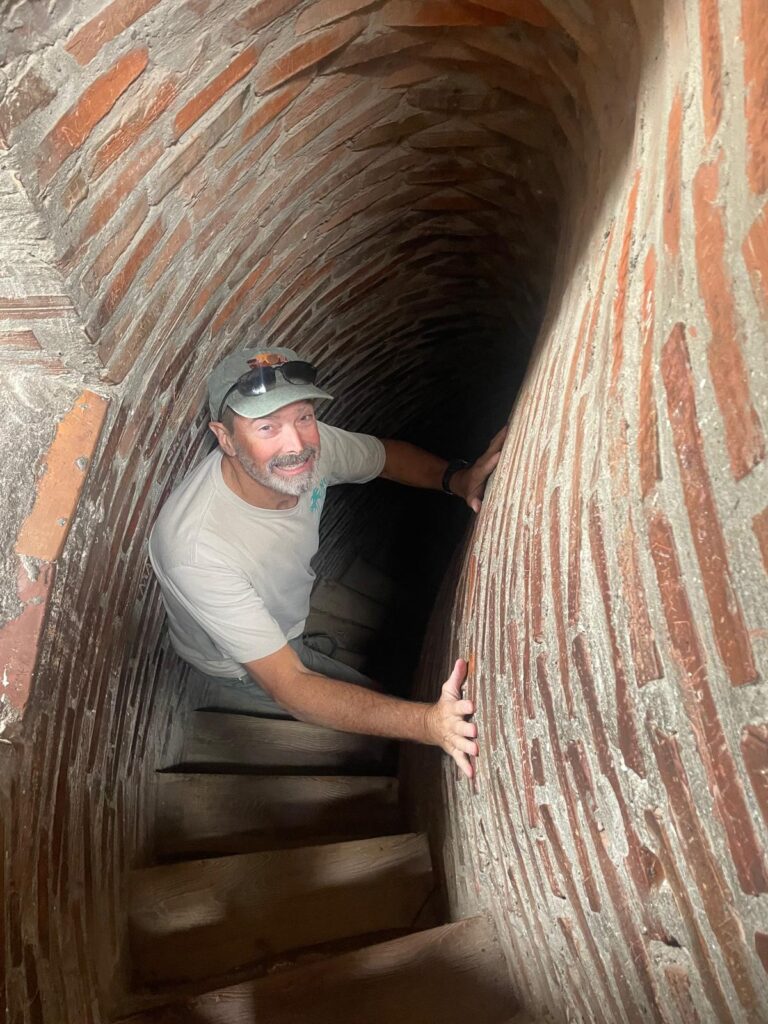
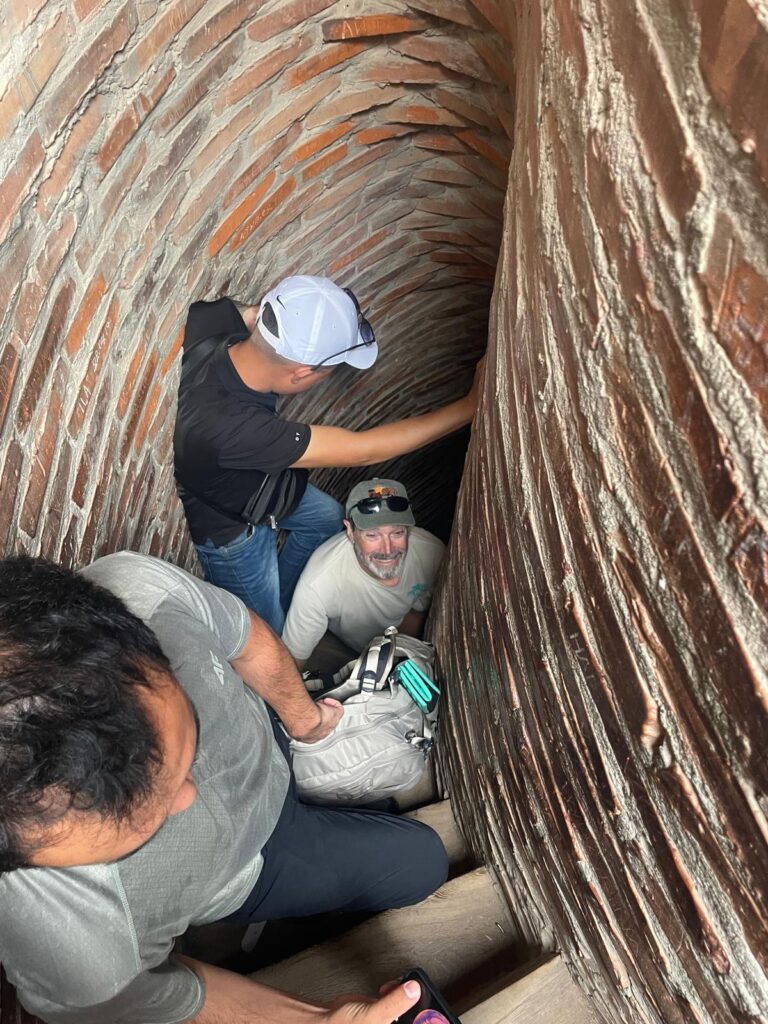
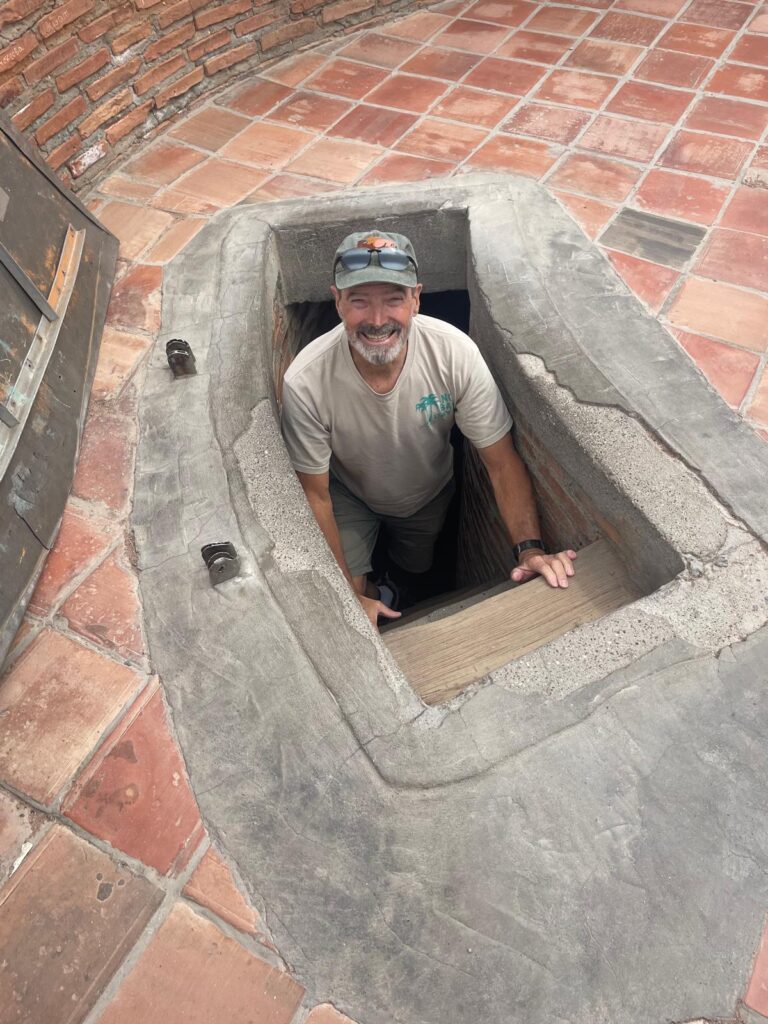
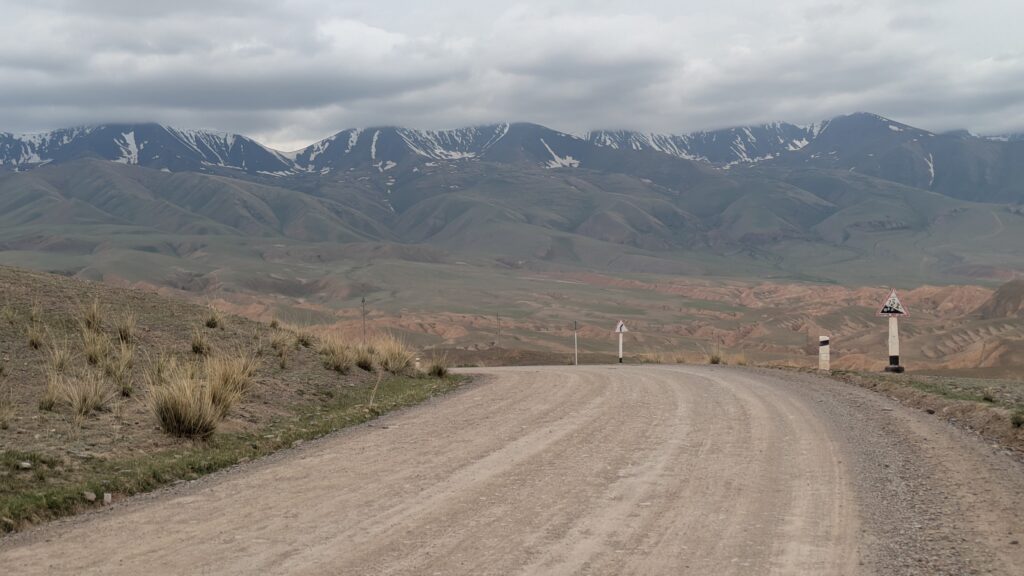
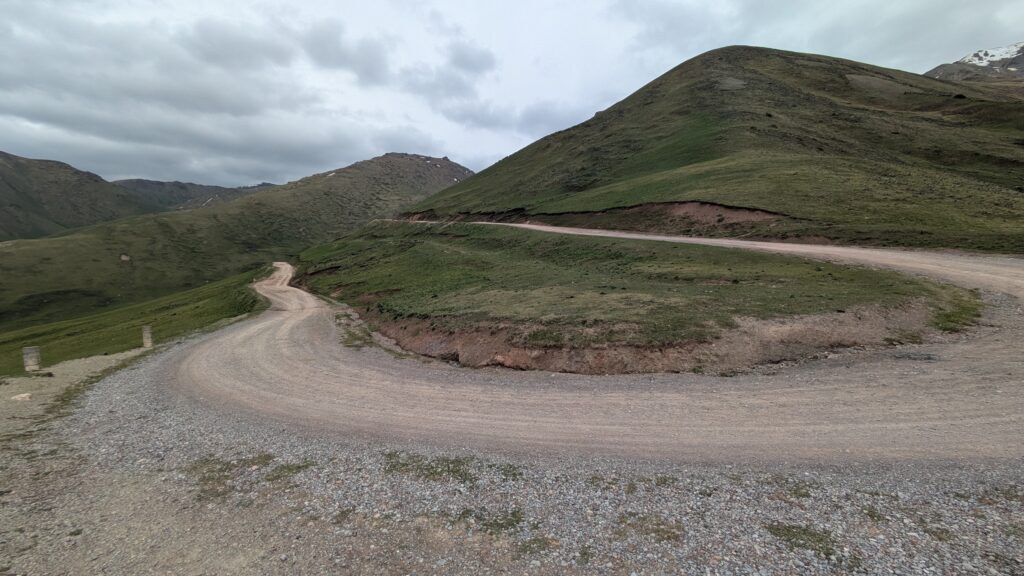
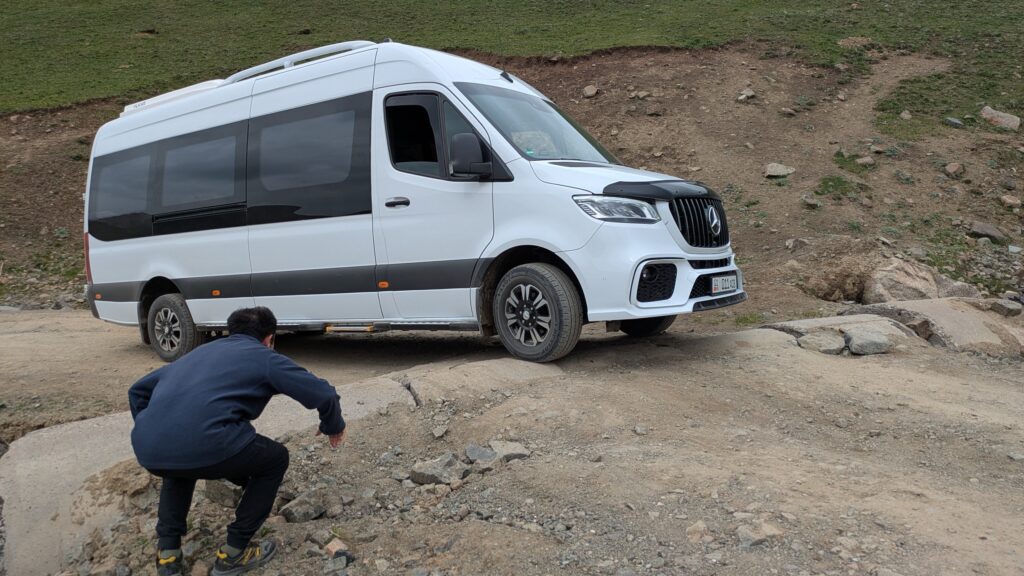
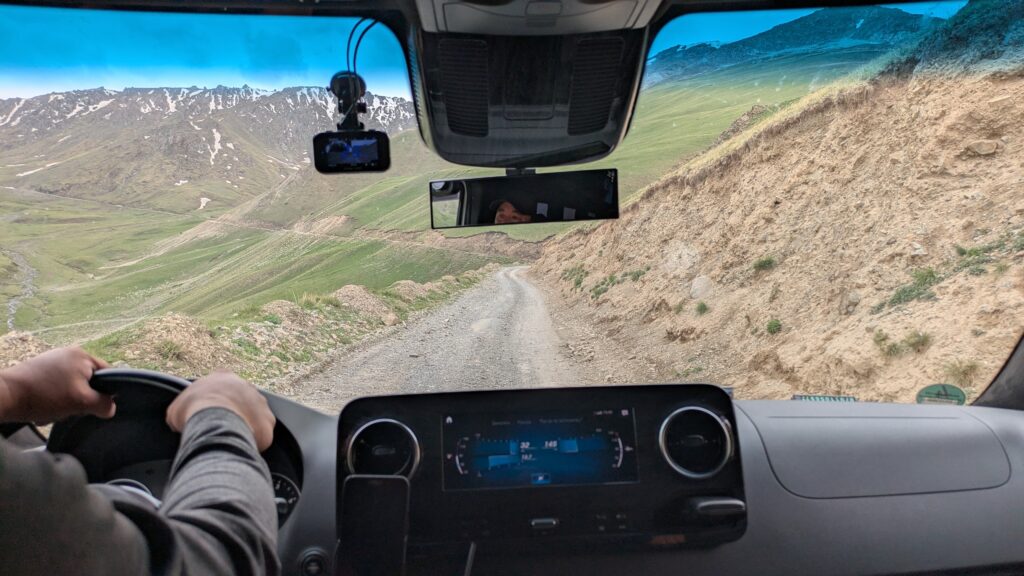
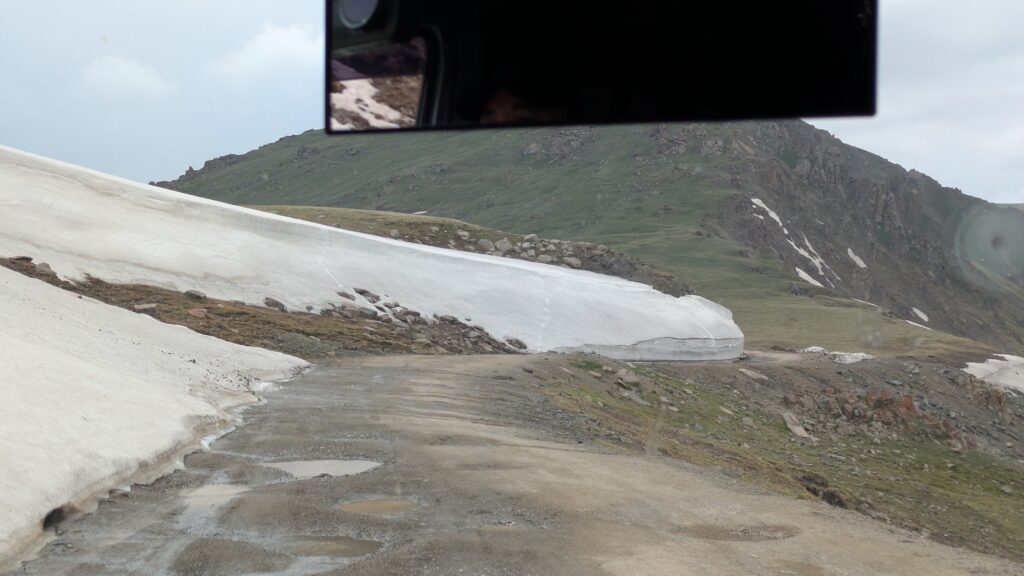
Our target for the day was beautiful Song-Kul Lake, perched high in the Tian Shan Mountains at about 3,000 metres (9,850 feet), an absolute jewel of this region. To get there we ran out of bitumen and followed a gravel and dirt track for more than 50 kilometres, greatly exceeding what I thought a long and low Sprinter could do, and crossed a snow covered pass at 3,440 metres (11,300 feet) before dropping down into the lake’s natural bowl.
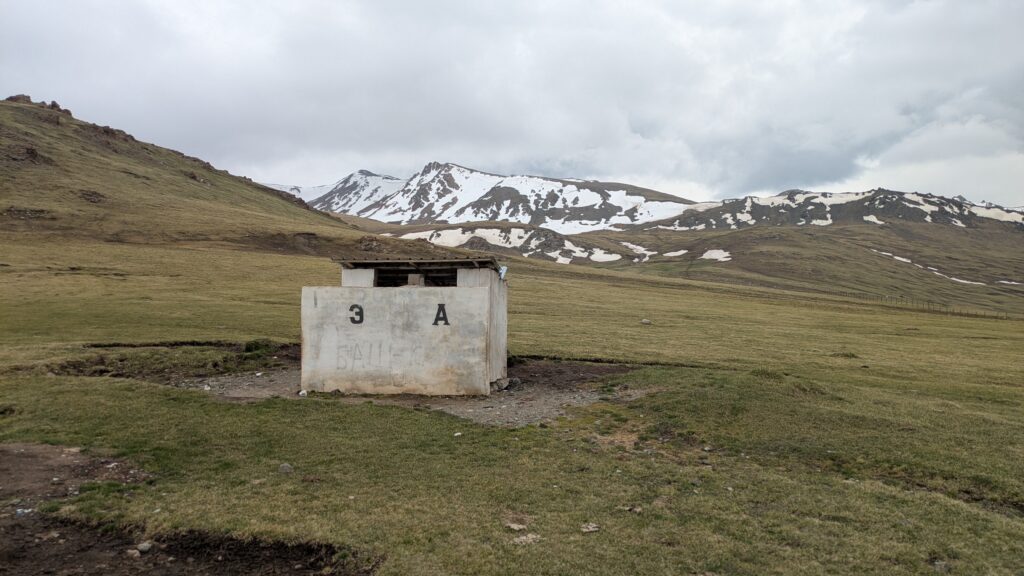
Song-Kul is a favourite for locals as well as international visitors and it’s long shoreline is scattered with yurt camps that are set up at the beginning of every season to accommodate visitors and then dismantled before the harsh winter sets in. It seemed as if winter was still here despite it being late May as the rain came hard and the temps stayed only a couple of ticks above freezing.
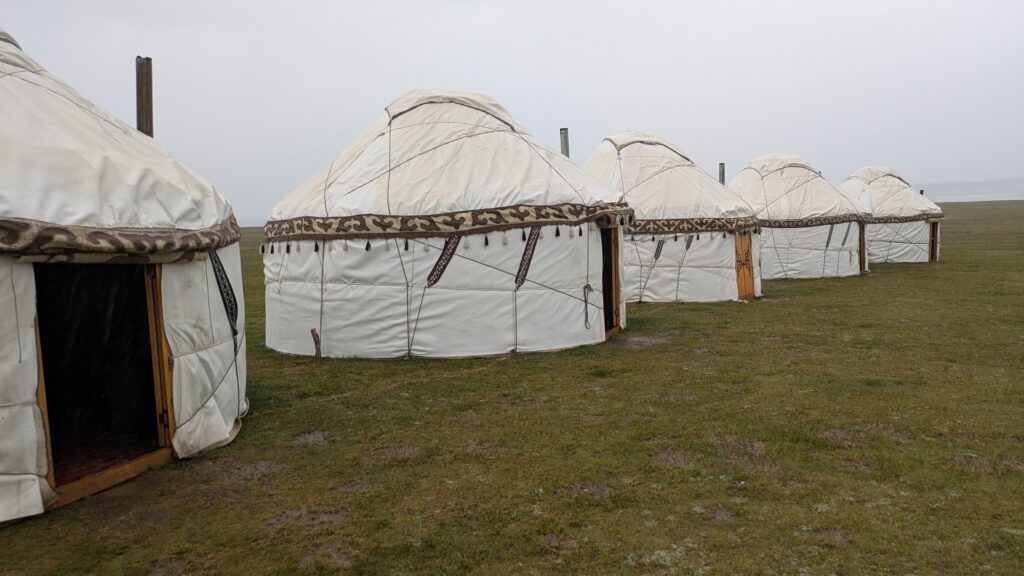
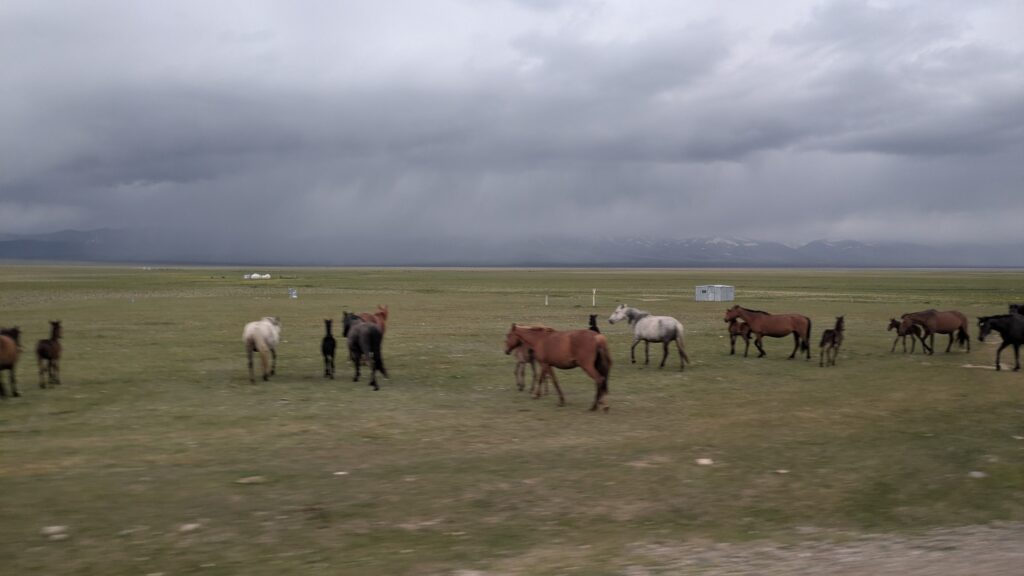
But the stunning beauty of this place was not in dispute, high snow-capped mountains all around, herds of yaks and horses sprinkled across the green grassy fields, and always the lake near at hand. This place definitely calls to you.
We pulled into our yurt camp and settled into our comfy home for the night. Yurts are basically demountable homes the nomadic people of this region would use to follow the seasons with their herds. They consist of a timber frame covered by a series of tarps or woollen sheets, lined inside with thick felted woollen rugs. A coal-burning stove heats the circular room.
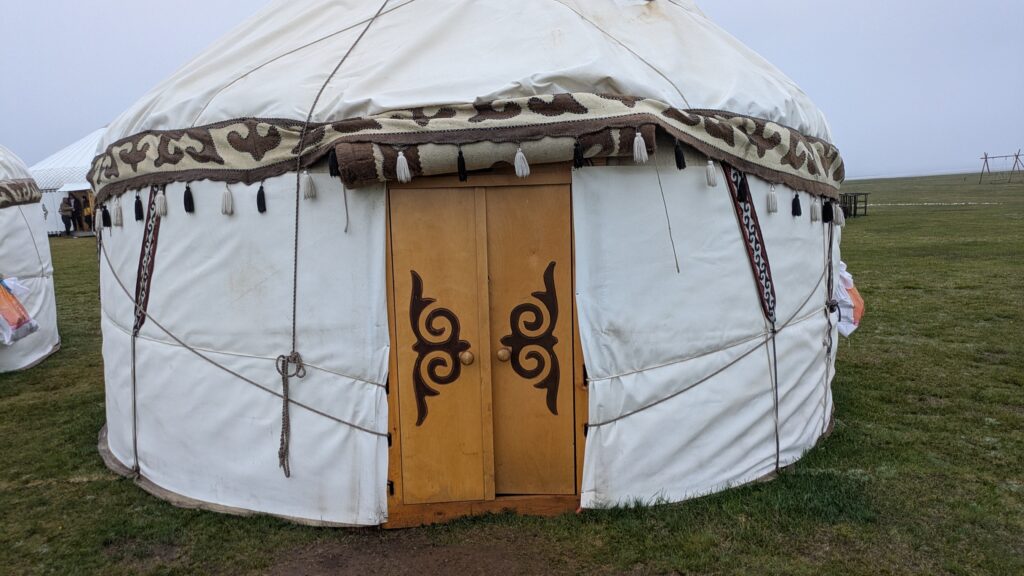
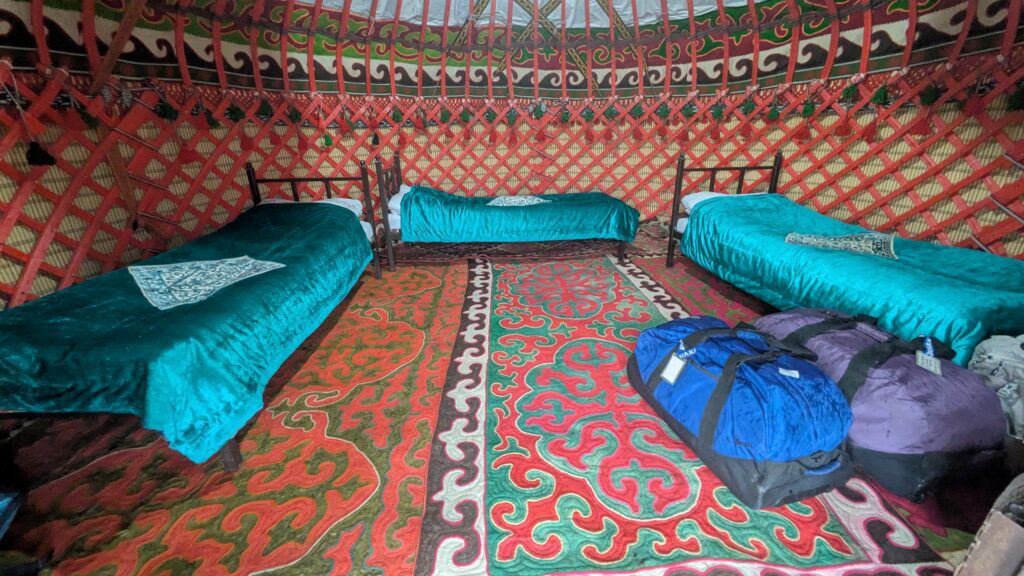
We spent the cold evening in the larger communal yurt, enjoying another same-same meal and another rousing game of cards. Julie and I slept well in our yurt that night, warmed by the coal heater and the heavy doonas, but the next morning featured more sleety drizzle and a fresh cover of snow on the hills just above us. With hiking and horse-riding off the agenda under these conditions the group chose to move on and add an extra day in another section of the mountains. It may be the onset of summer but it can be winter up here any day.
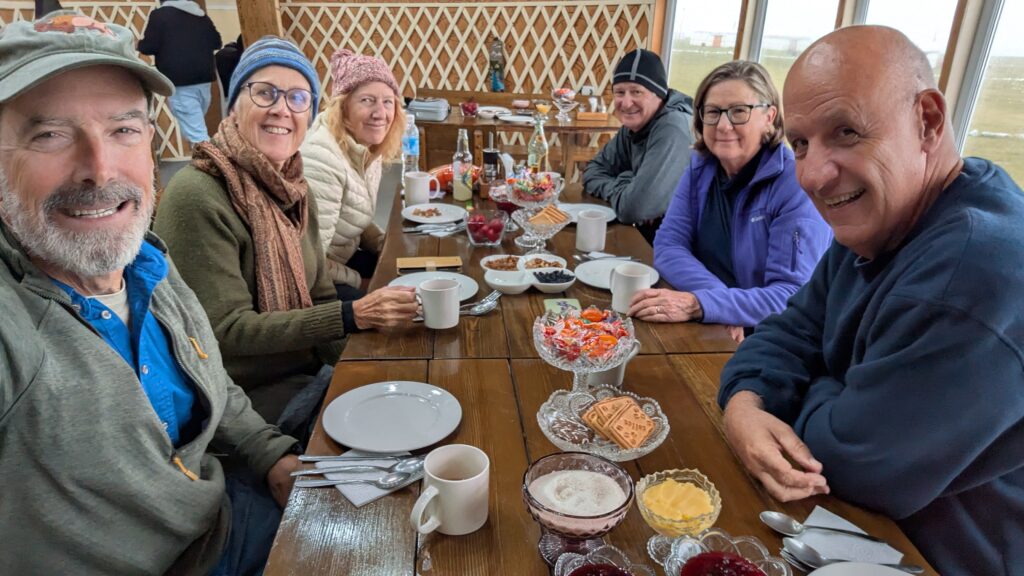
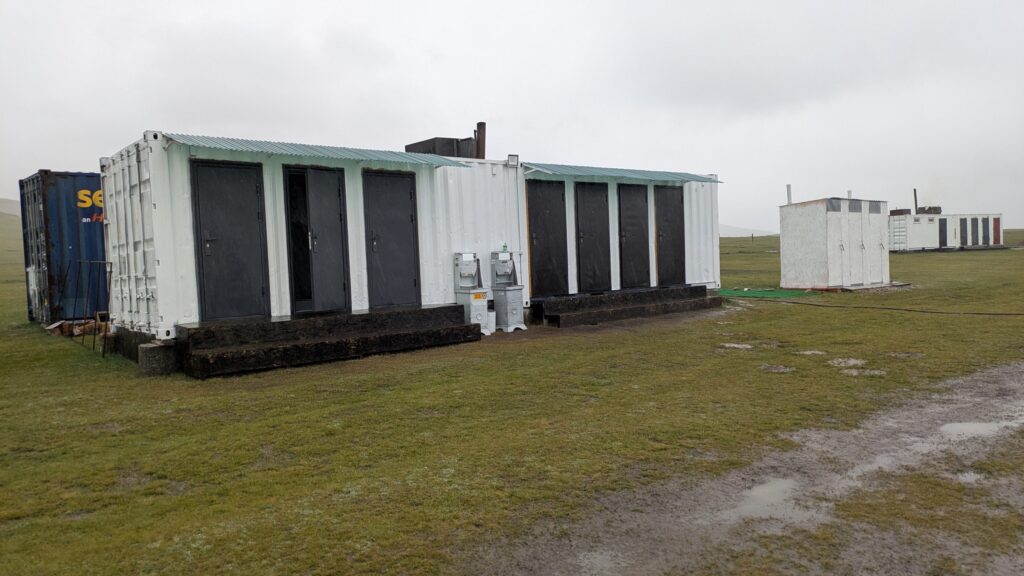
The drive back to civilisation was equally spectacular to the drive away from it but we eventually had lunch in the busy town of Kochkur.
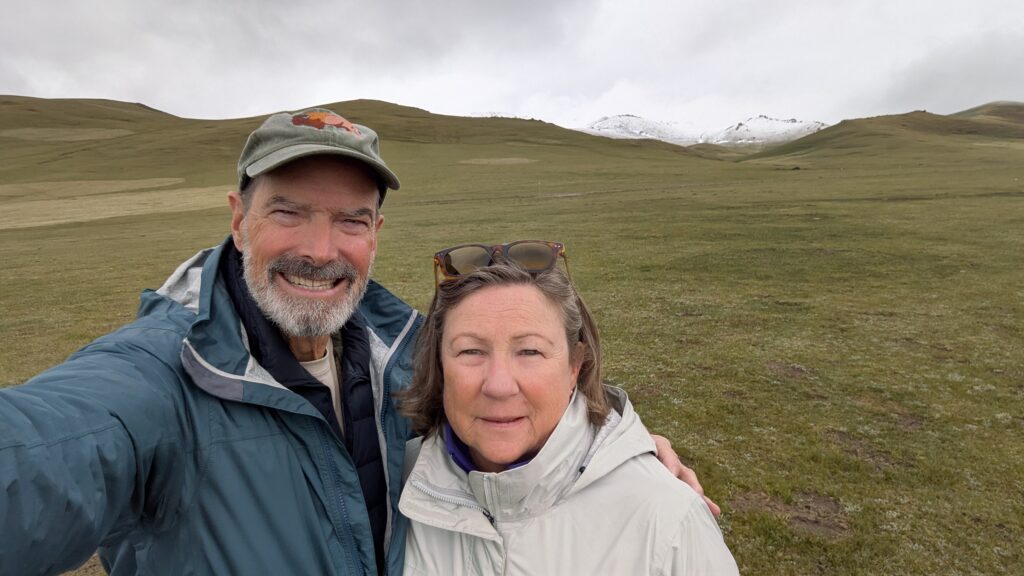
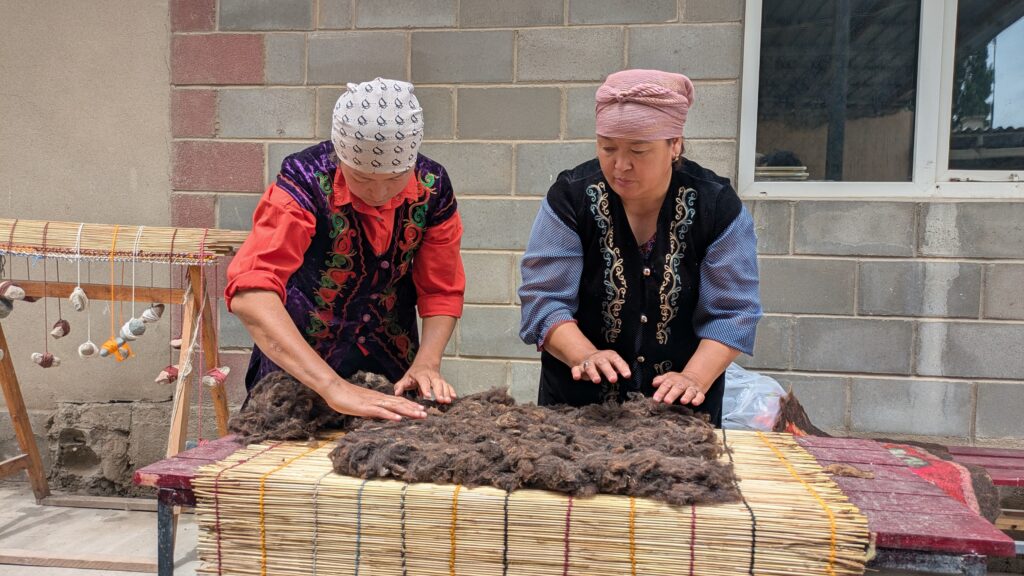
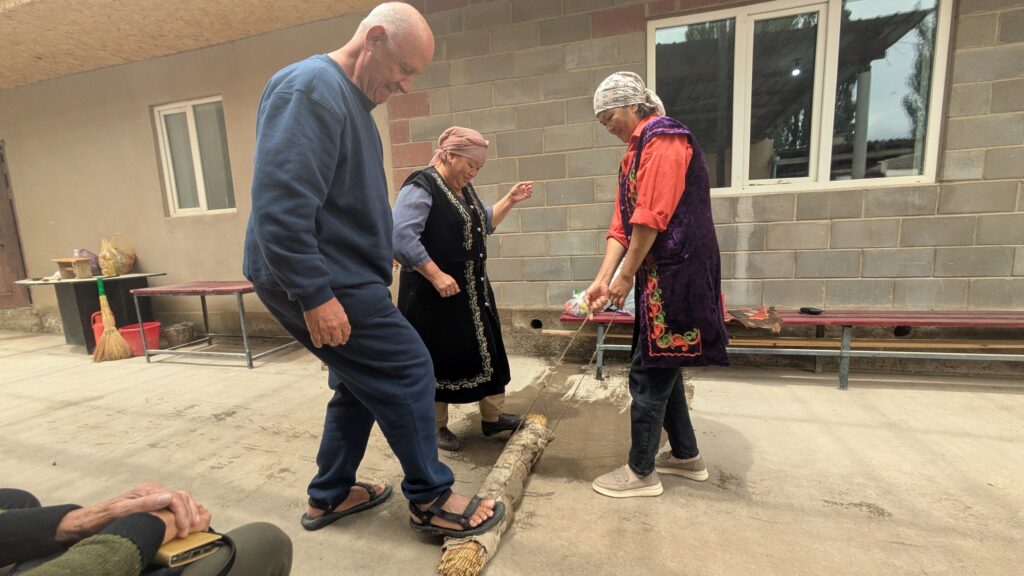
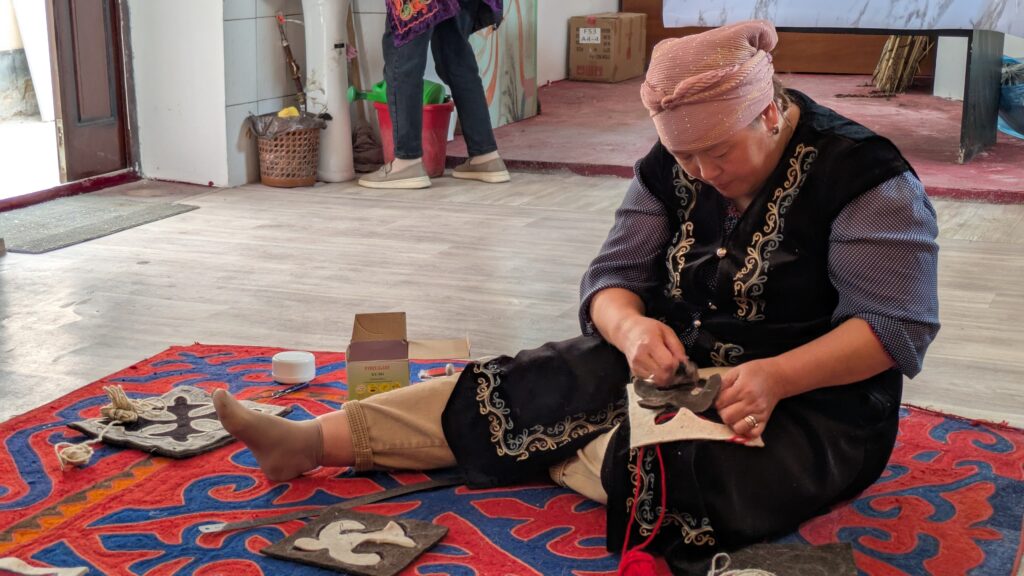
At Kochkur we also visited a felt-making workshop (and souvenir shop) where we had extensive demonstrations of how they make the beautiful thick felt blankets that keep them warm in the winter and how they do the intricate design, cutting and stitching of more detailed pieces. I thought this might have been a bit meh but it was actually quite fascinating.
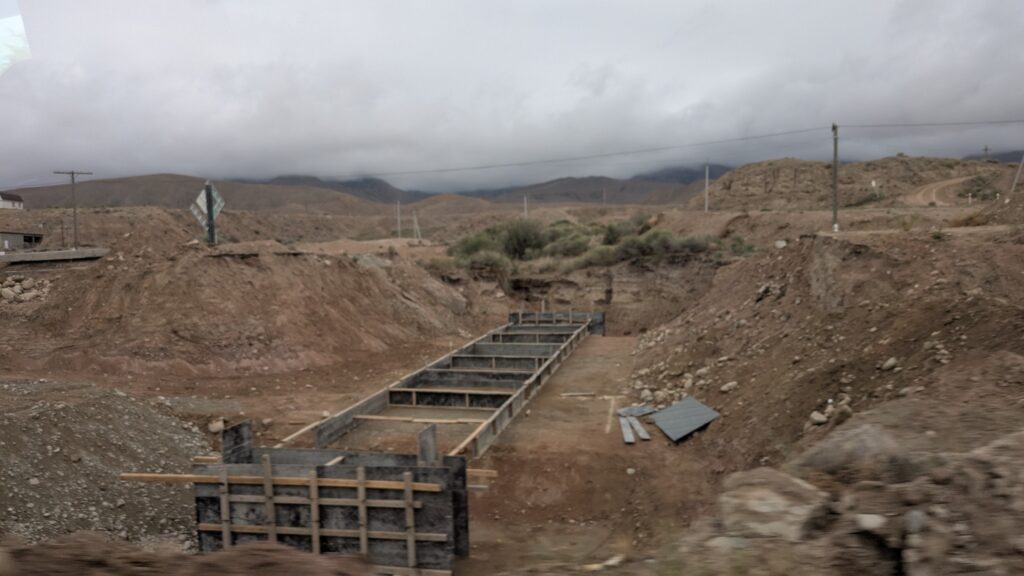
We followed various sections of the road eastward which were either brand new because the Chinese had completed it (usually alongside the new railway line they are also building as part of the Belts and Roads initiative) or in disastrous construction phase for the sections they hadn’t completed.
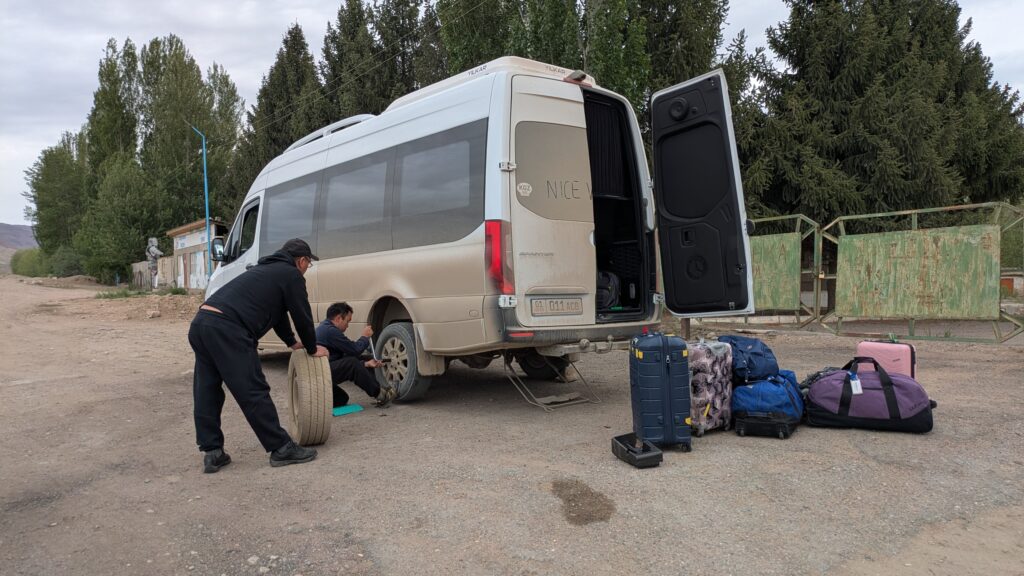
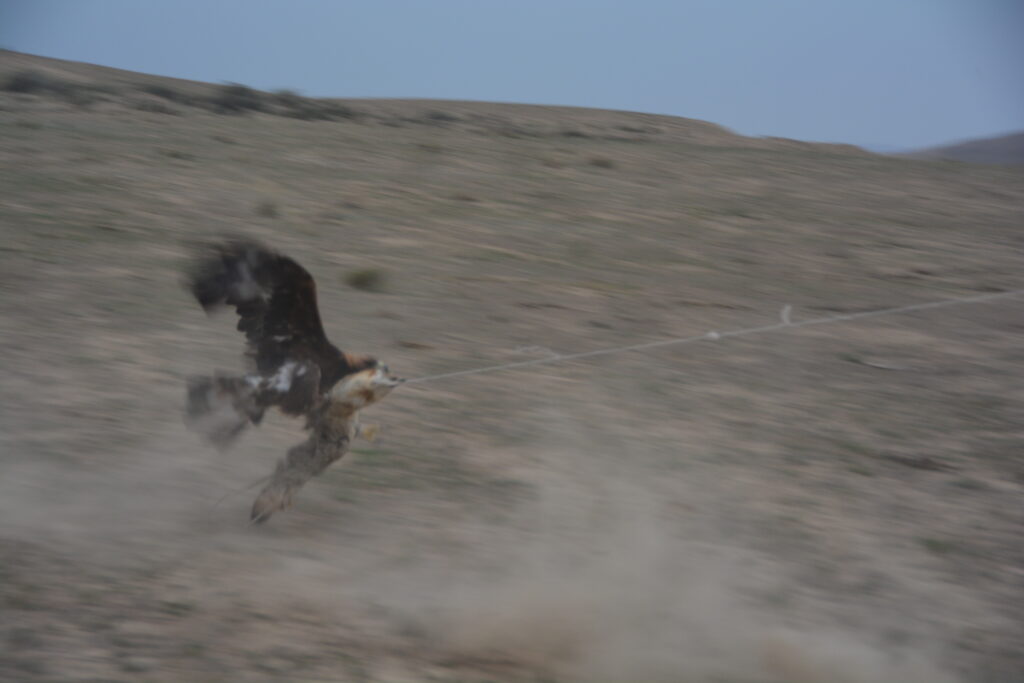
After stopping to repair a flat tyre, the third we inflicted on our drivers on this trip, we came to a small town and met up with the ‘eagle man’ who we followed into the mountains. As it drizzled we watched and listened to him as he explained and showed us the art of eagle hunting and how it played such a huge role in their world.
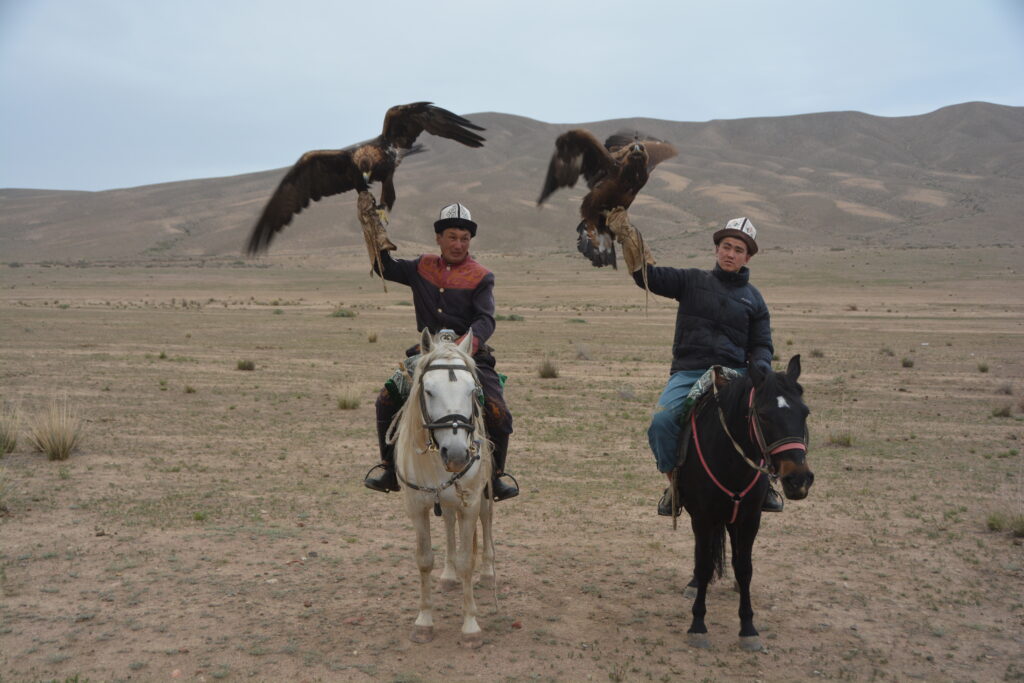
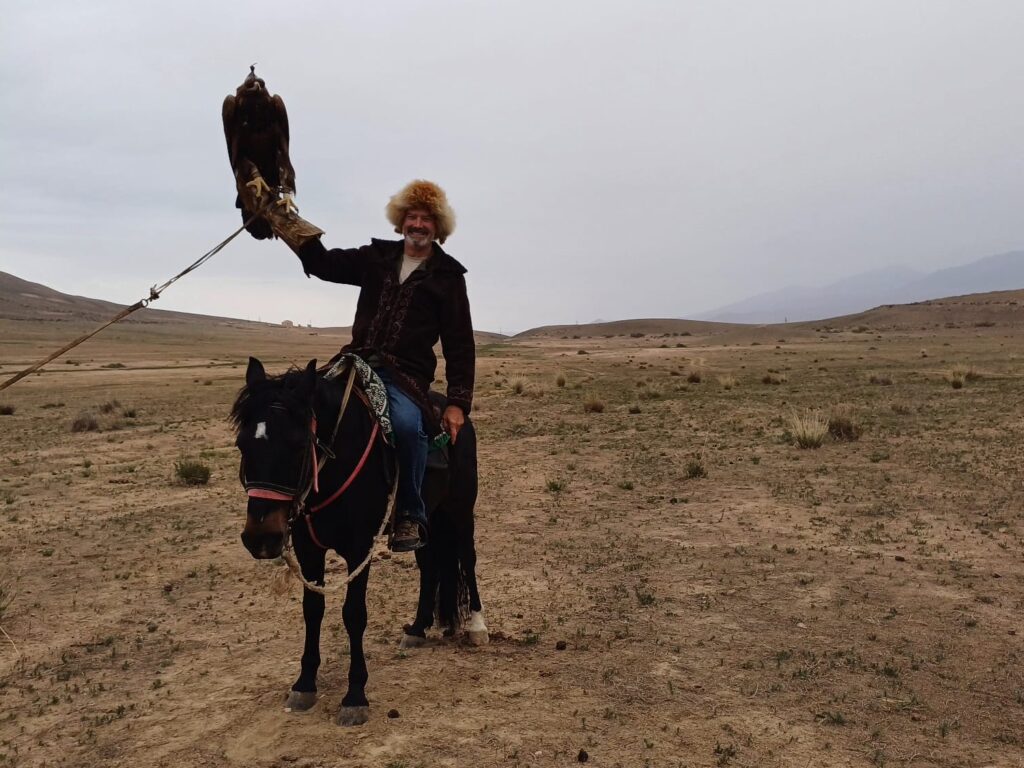
These giant golden eagles, some weighing up to nine kilograms, are magnificent beasts and it was a real treat to hear about their lives and watch demonstrations of how they hunt. And when we got a chance to put on some local garb and pose with one of these beautiful animals on a horse – well, that was too cool.
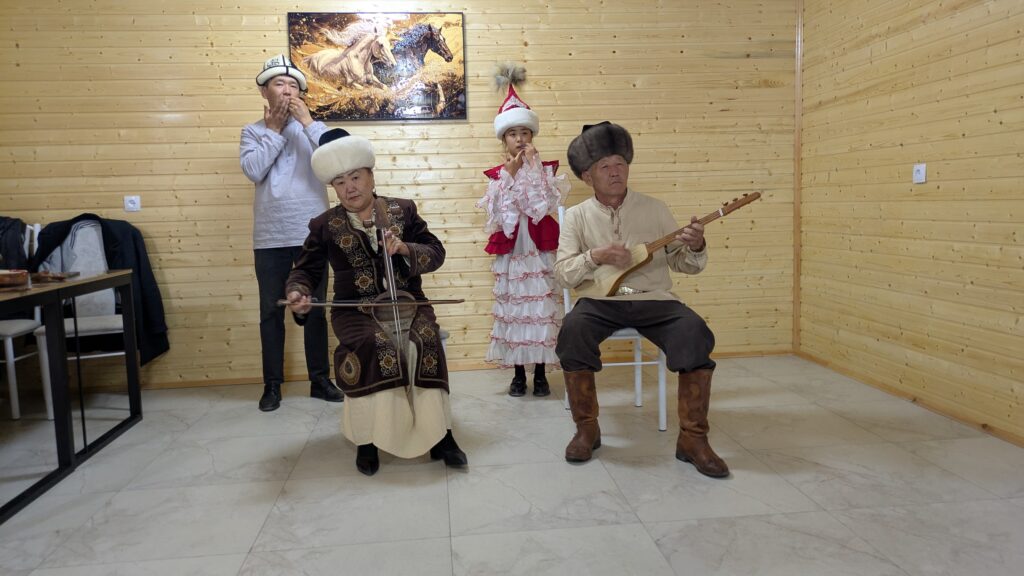
We finished the day in a newly built tourist complex on the shores of huge Issyk Kul Lake and watched a family put on a traditional folk music performance before a very late dinner and the end to a long day. We pack a lot into every day, that’s for sure!
Hi Julie & Bill,
I’ve managed to see some of your posts from the Stans…looks like you’ve had an amazing trip!
Look forward to hearing more about it when you return 🙂
Great to hear from you Susie. Yes, the Stans have been amazing, definitely put it on your list!
Catch up later, Bill
Book us in!
Hey Chook, I could be your travel agent and get a commission from all your five star hotels!
Hey bill and Julie you are an inspiration.
Hi Mike, good to hear from you. We’re thoroughly enjoying our adventure, that’s for sure, but as always wishing we could be in multiple places at once. Take care, Bill
Hi Bill and Julie.
Love following your trip through the Stans. The fur hat you wore on your Golden Eagle hunt suits you. Not sure you will get it through customs in Sydney though! The yurt looked amazing. Maybe you can build a replica in the Wolgan Valley for guests?
Stay safe.
Chook and Mrs Chook
Thanks Chook, good to hear from you. When it comes to yurts you’re a visionary. I’ve already got quotes for a yurt in the Wolgan Valley – they’re an absolute hoot to sleep in and perfect for guests. Cheers.