Kangaroo Island
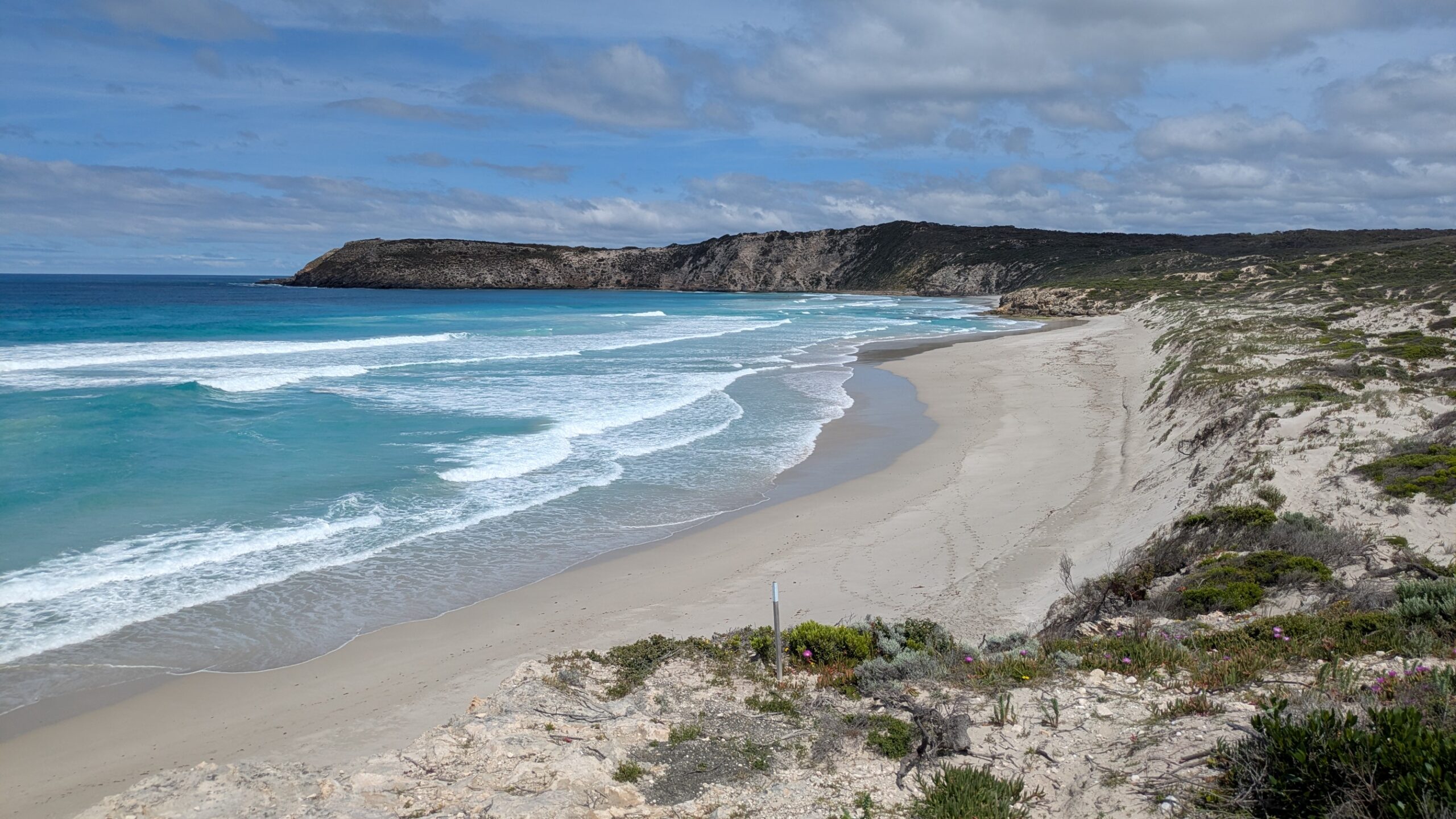
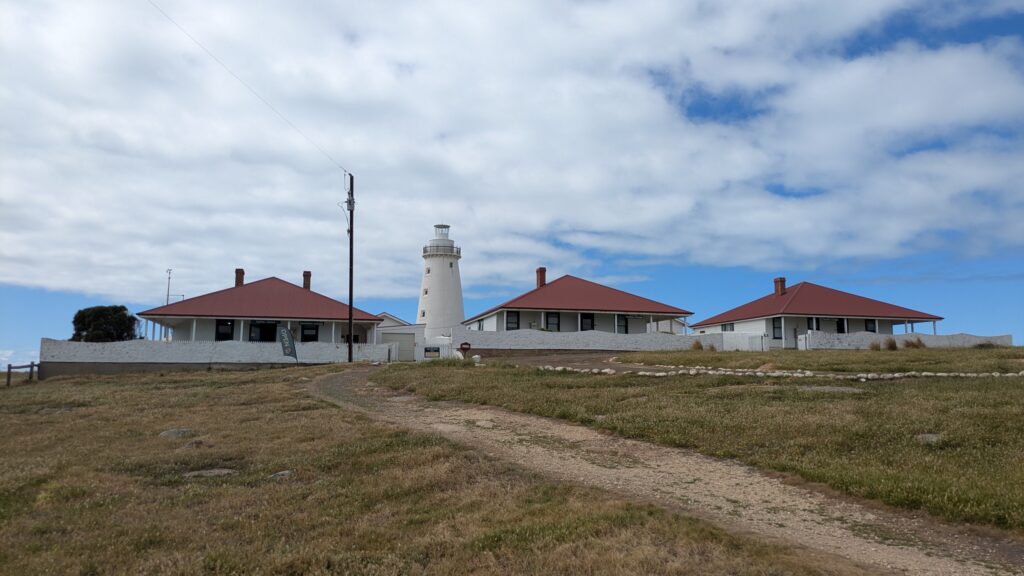
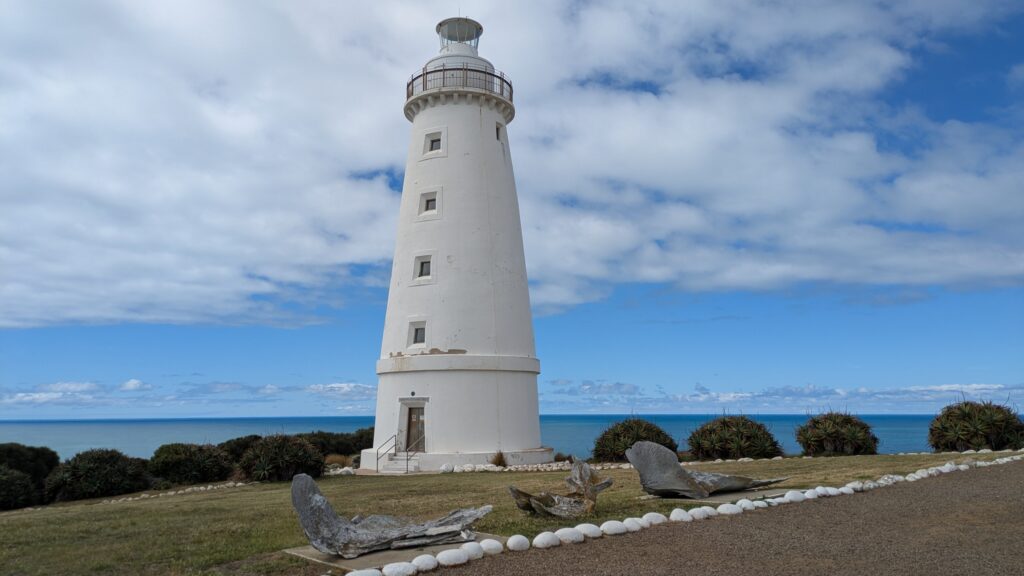
We stood out on Cape Willoughby, a handsome historic lighthouse which was partially blocking our view of the wild Great Southern Ocean sparkling far below, knowing the next landfall in that direction was Antarctica. But we weren’t standing on mainland Australia. We were standing at the eastern point of Kangaroo Island, a large island off the South Australian coast with it’s own beautiful landscape and rugged coastline. What a place!
We have had Kangaroo Island on our bucket list for many years but it has never fit into our plans when we are in South Australia. This time it’s different – the island was one of our primary objectives of the trip and we had been anticipating this moment for some time. And we were loving it.
Kangaroo Island was first ‘discovered’ by Europeans in 1802 and within 30 years the first settlements were established. But it must have been a hard life for those early pioneers, trying to make a living out of land covered in thick bush with harsh weather and total isolation. Our hats are off to those settlers.
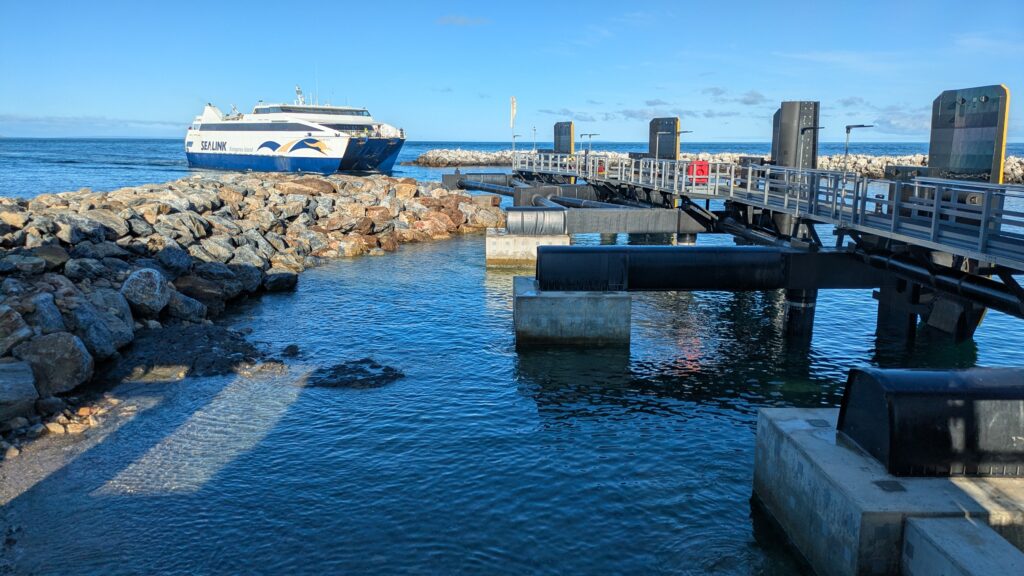
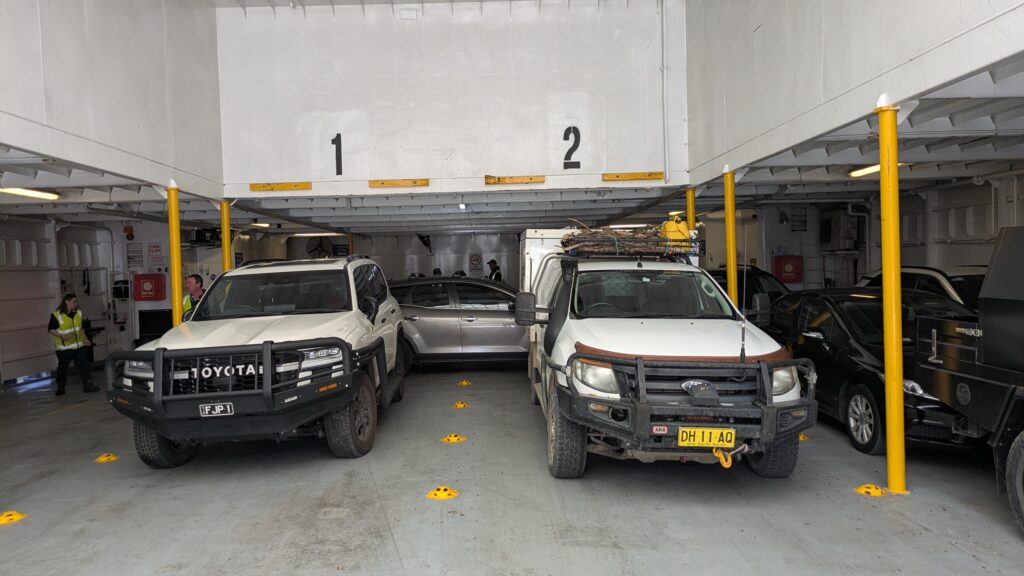
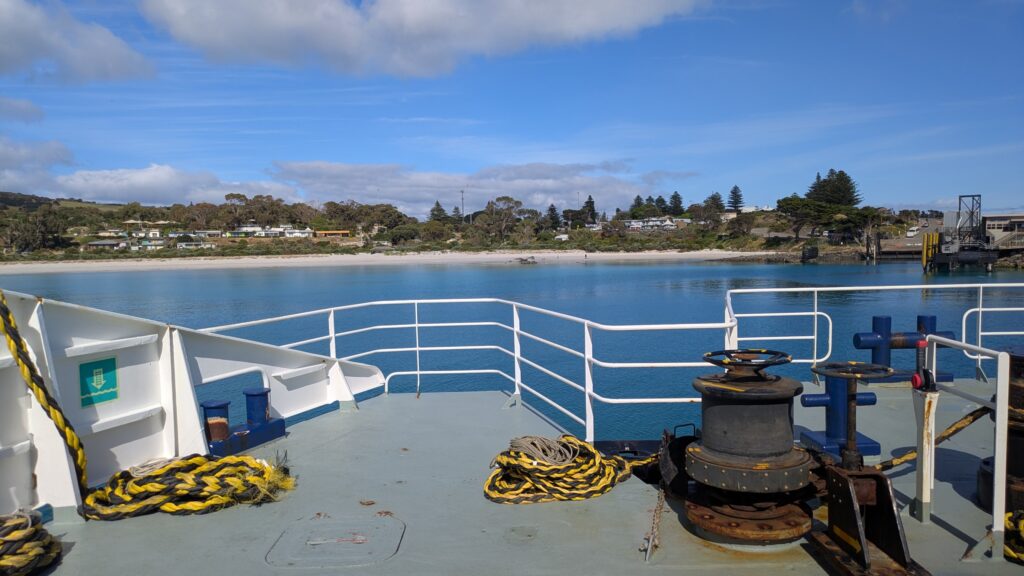
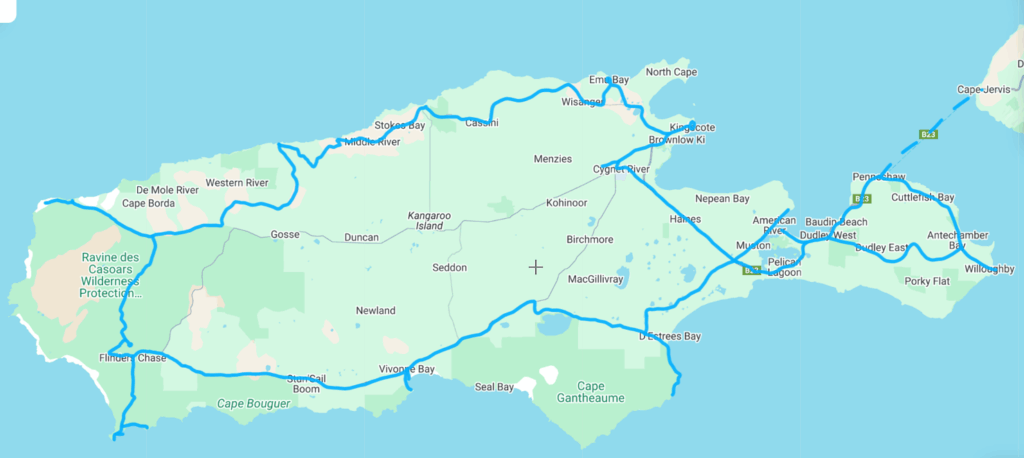
The island is 155 kilometres long and at it’s widest point over 50 kilometres wide. One of our first impressions was that it was bigger than we expected but it has only 4,900 residents with 2,000 of those living in the largest town of Kingscote. The next largest town, Penneshaw, with less than 300 citizens, is where our ferry came in from Cape Jervis on the mainland.
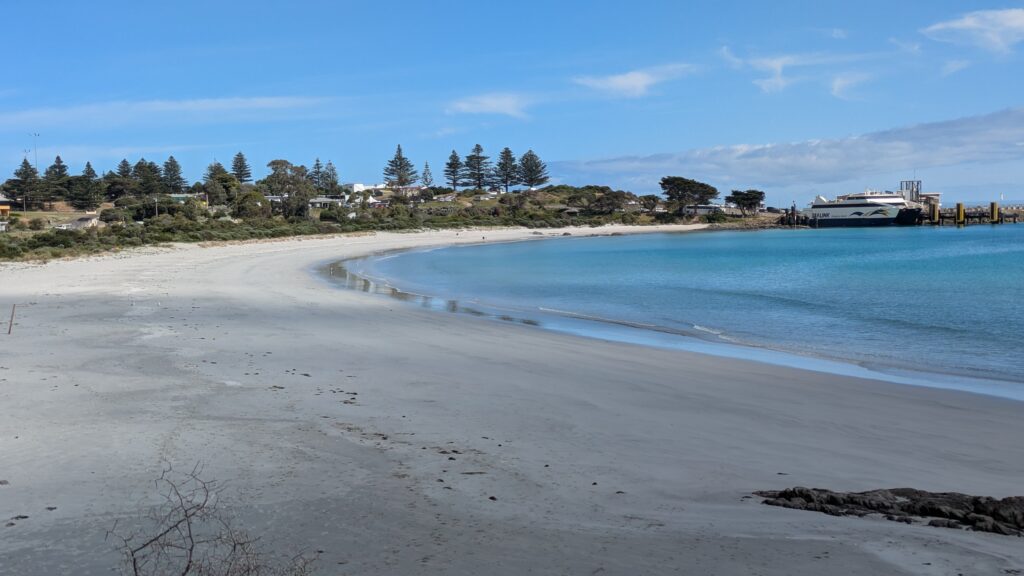
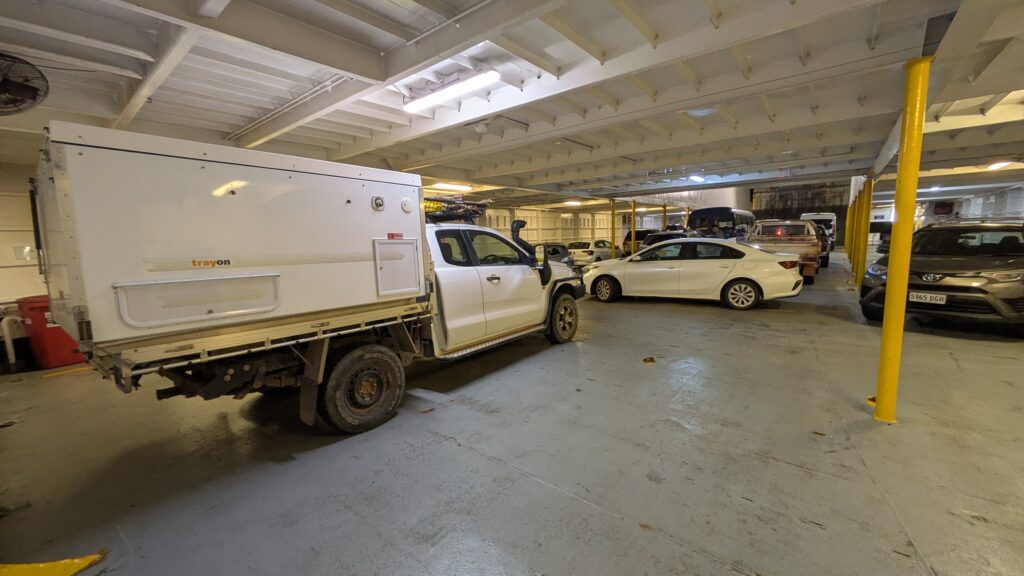
Each day up to five ferries bring people to the island, residents and visitors, vehicles, supplies, equipment, whatever the island needs, and returns with people, goods and services leaving the island. It is this curious ebb and flow of humanity which first struck me – living on this remote island would have many challenges but also many subtle benefits. I was drawn to it more than I had expected.
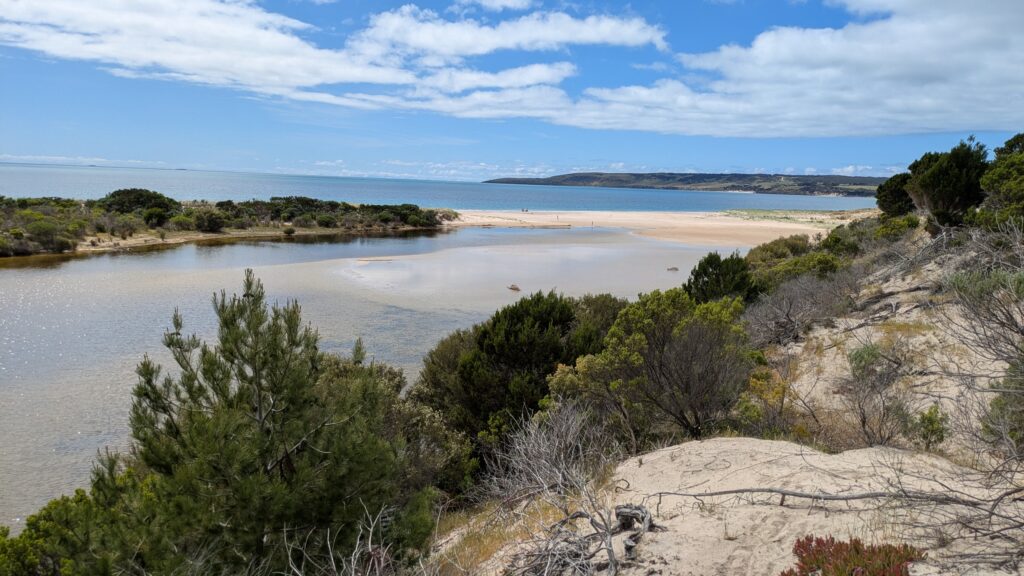
After our trip out to Cape Willoughby we followed a mix of dirt and paved roads to Kingscote, the bustling unofficial capital of the island. Well, not really. The small town was very pleasant but exceptionally low key and didn’t really seem to cater to tourists as I had expected. We browsed the stores, bought a few things and spoke to a few shopkeepers, it was all very low key business-as-usual.
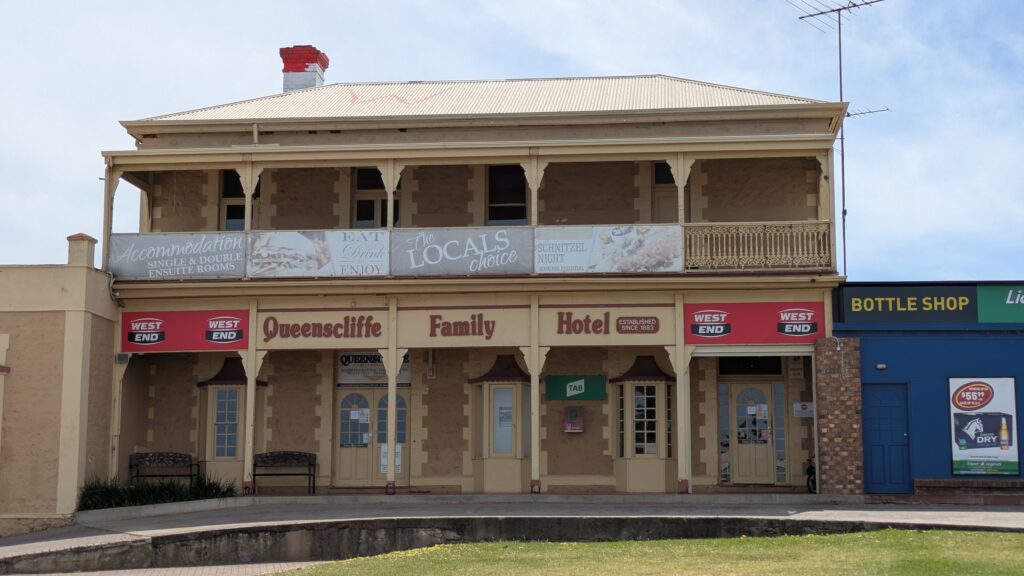
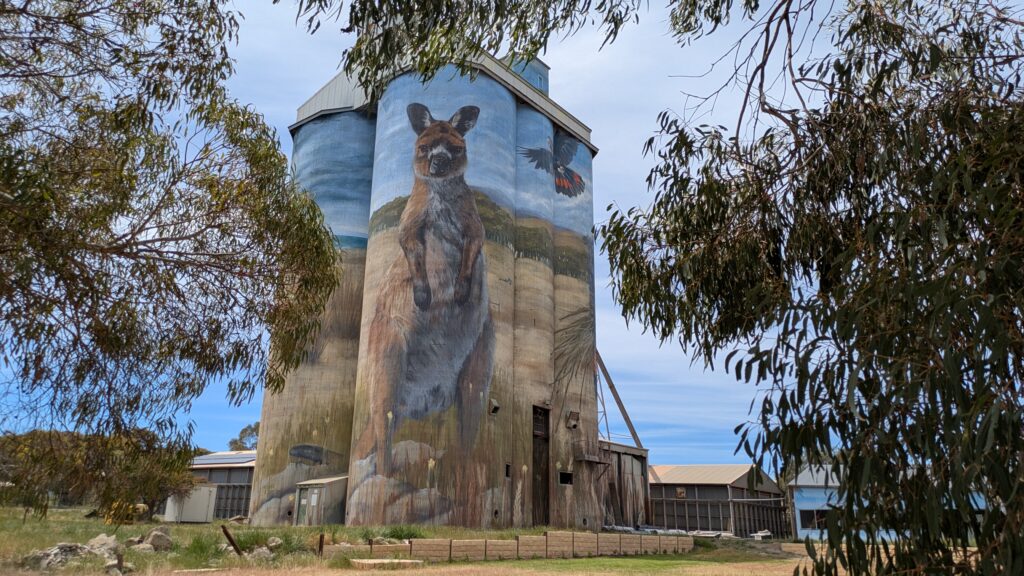
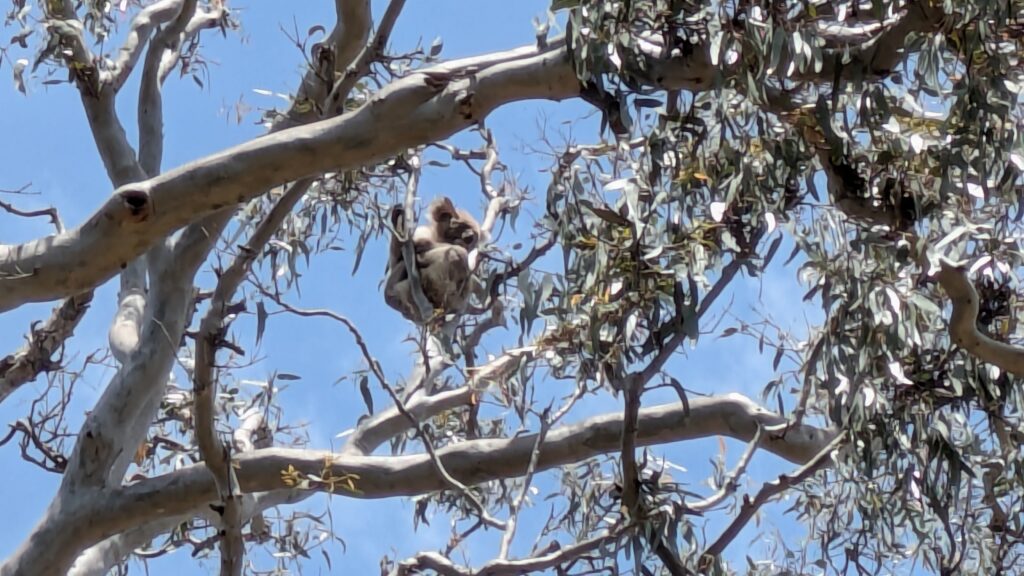
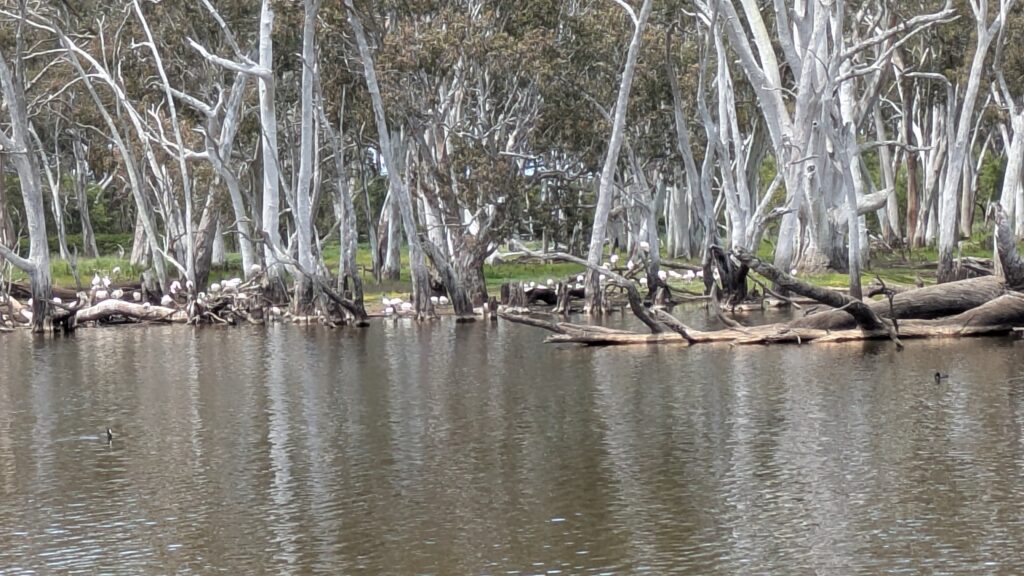
Near Kingscote is a place called Duck Lagoon, a healthy body of water lined with giant gum trees and teeming with bird life. But Duck Lagoon is also famous for being the home of numerous koalas so we parked near the water and went for a walk. Within minutes we found our first koala, sitting high in the tree having a snooze, and shortly thereafter found another cute little koala, then another, then another. In fact the last three were all in the same tree. Lucky tree!
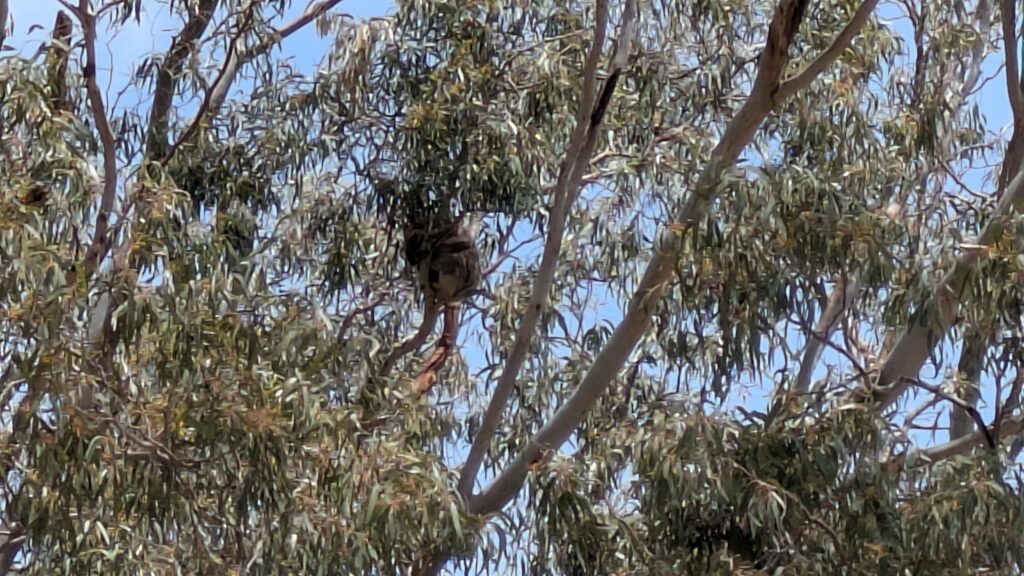
As all Australians know, koalas are very difficult to see in the wild and their habitats in many areas are shrinking. But here’s a rare exception, these lovable fellas are living the life of a happy koala 15 metres up in a tree. We were absolutely stoked to have this wonderful experience.
From Kingscote we headed up to the north coast, first stopping at the little community of Emu Bay. We were again struck by how thinly populated and beautifully quiet this island is. Most of the homes were empty holiday homes or holiday rentals.
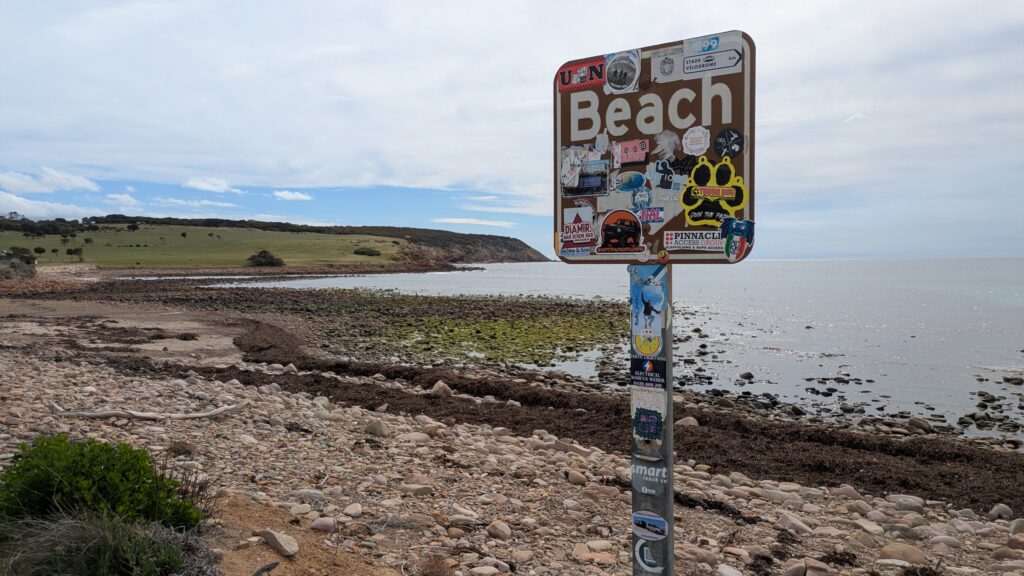
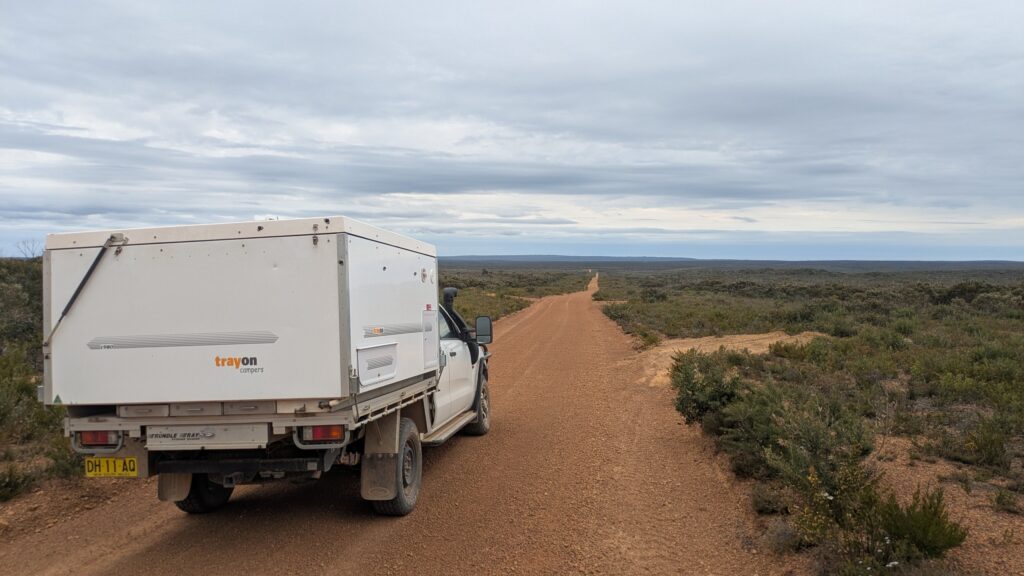
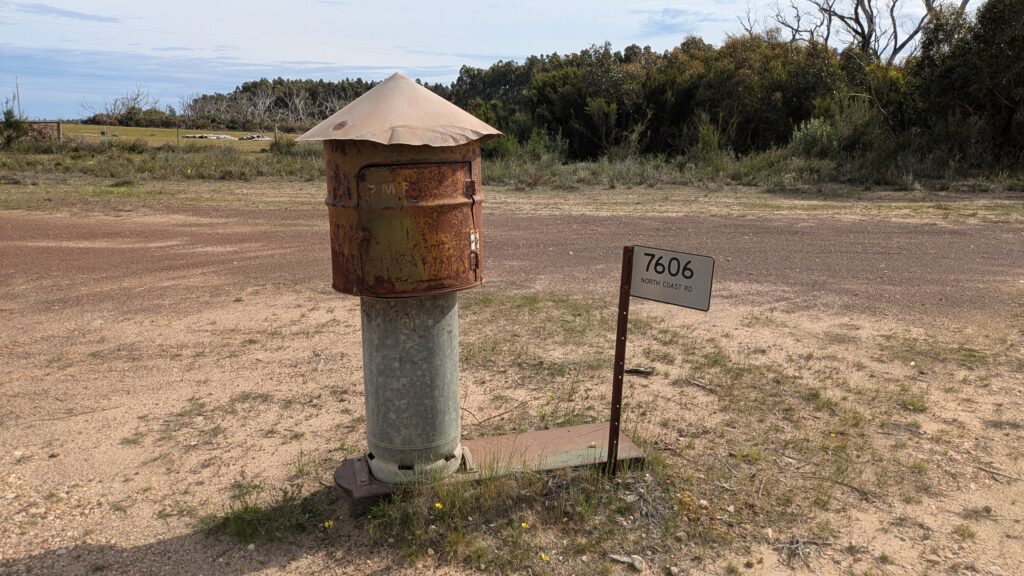
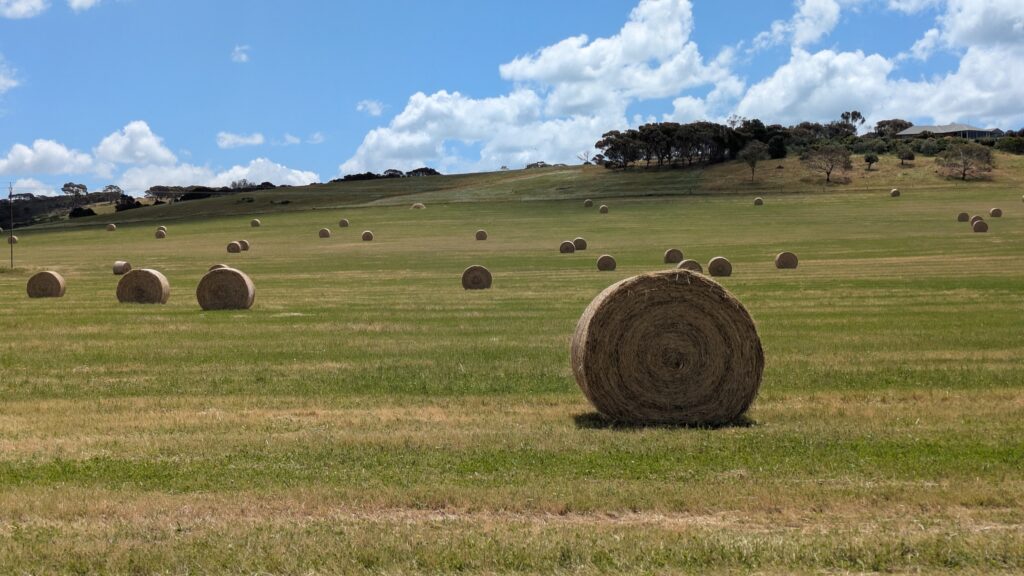
We followed the North Coast Road, a well-maintained dirt track, to the community of Stokes Bay where we ducked our head and squeezed our way through some large rocks until we emerged out onto a beautiful beach, and drove further along to Snelling Beach which had a cracker of a white sandy beach. It was hard to spot a local at either location and the few empty homes seemed to just be standing guard.
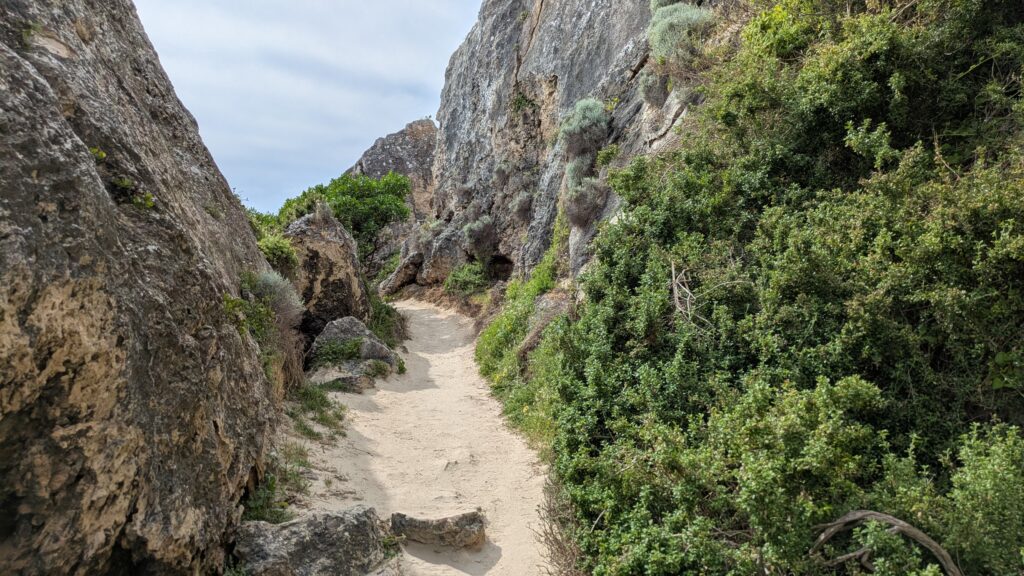
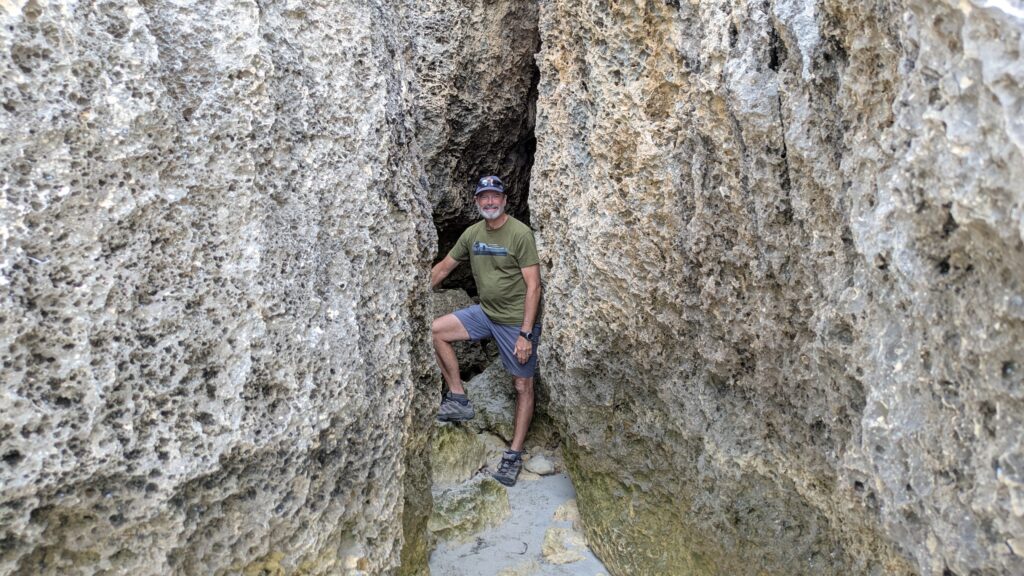
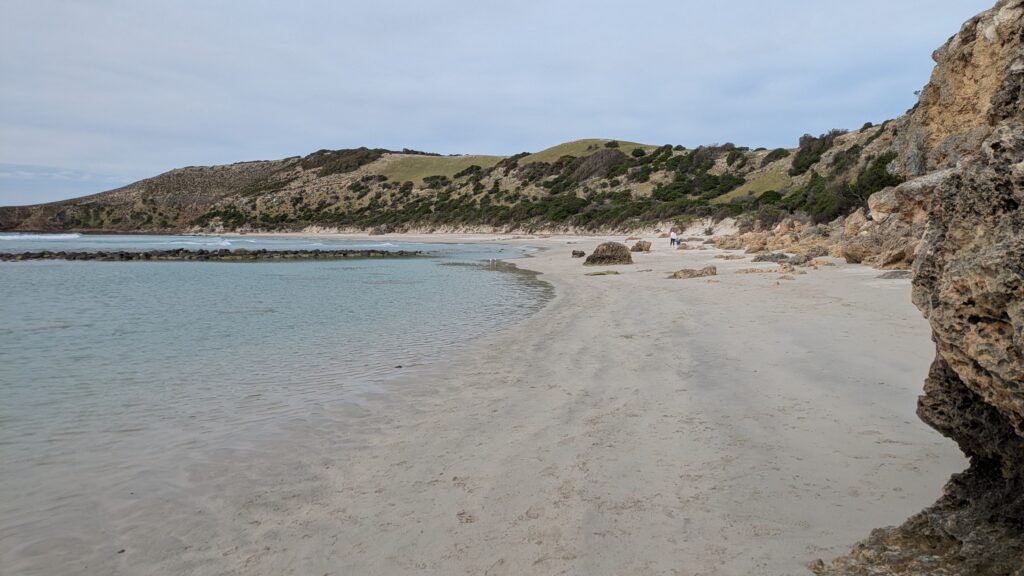
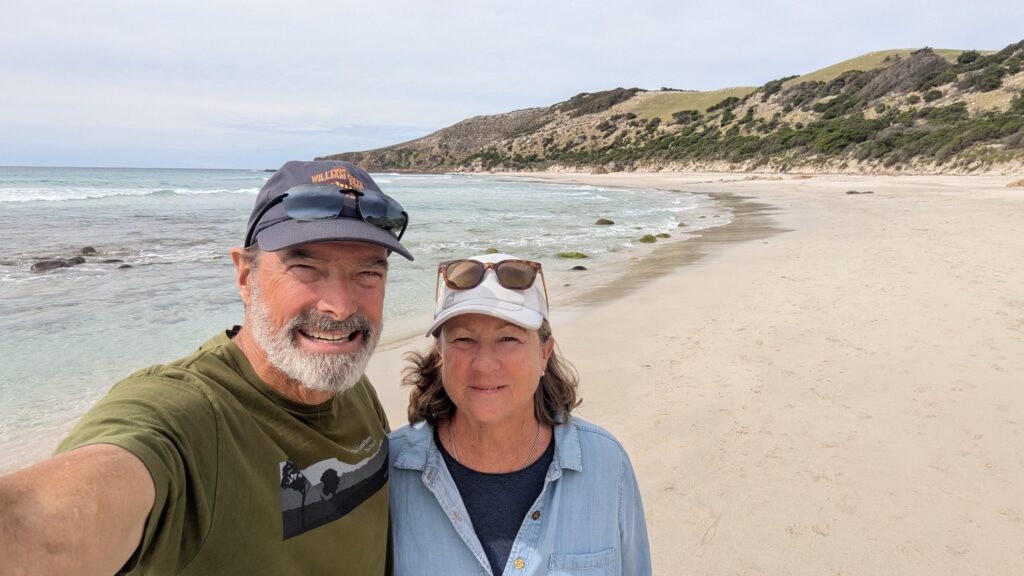
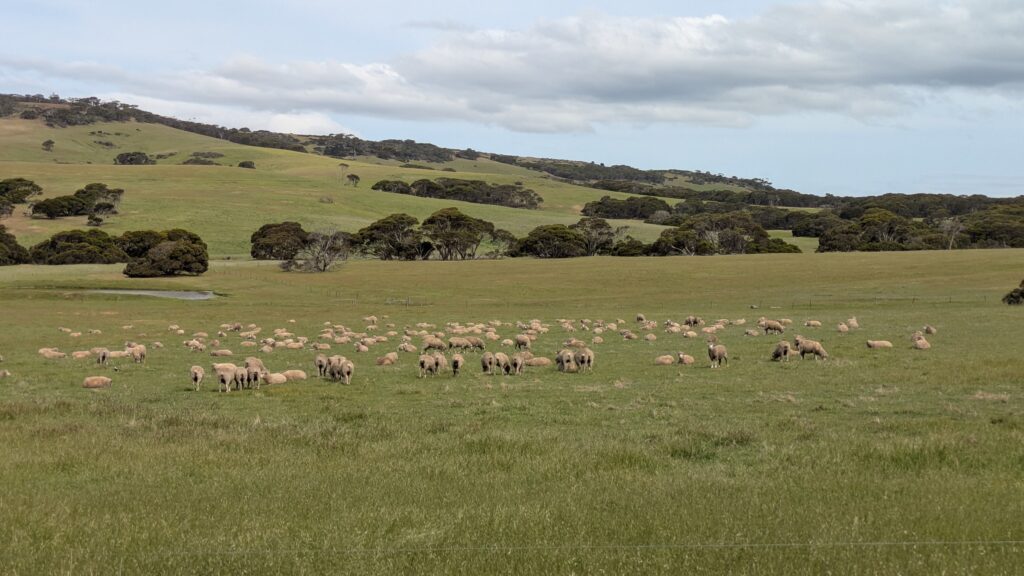
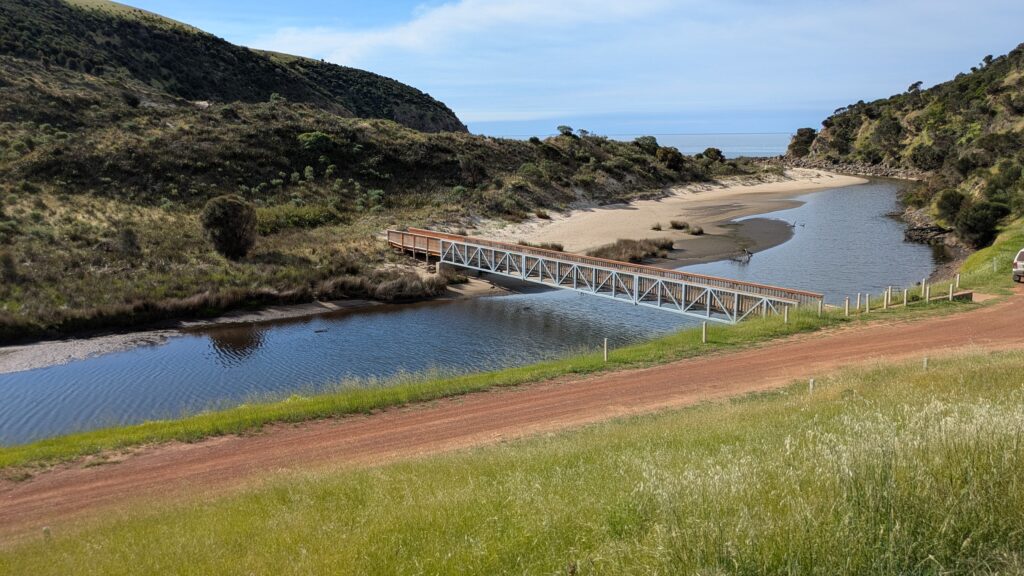
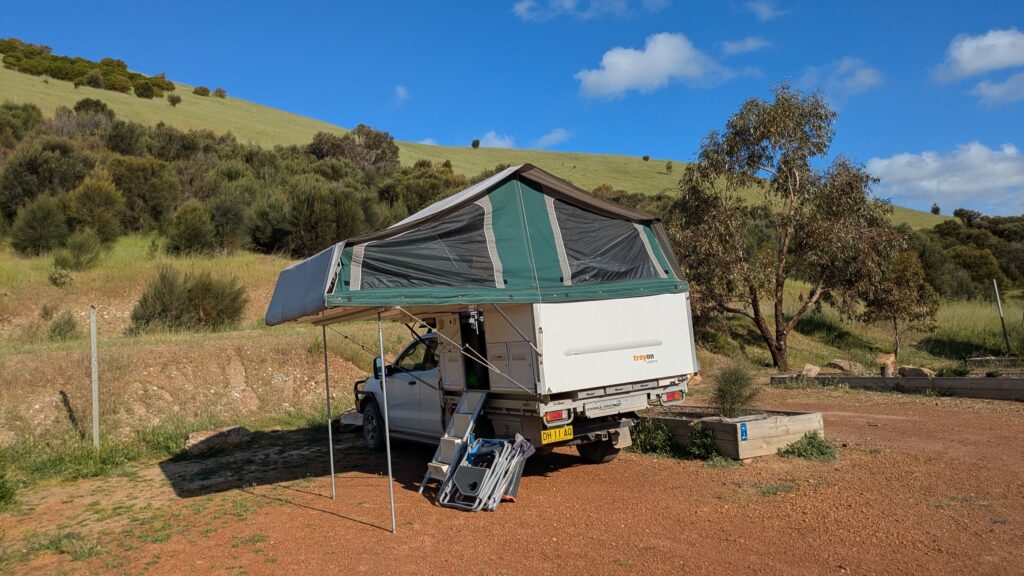
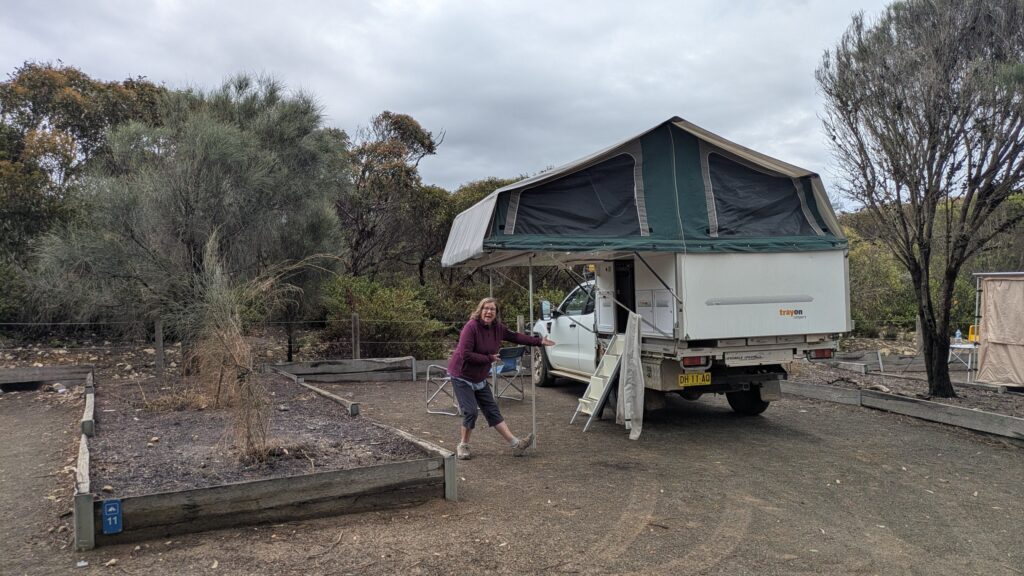
More traversing of the north coast, more beautiful farmland, more fat and happy sheep, until we dropped down into Western River Cove to camp for the night. And crazy coincidence, despite this obscure and remote location on the uninhabited north coast, another Trayon camper, the same brand as ours, pulled in. Chong and Deb were delightful company that evening around the fire. We loved having their company.
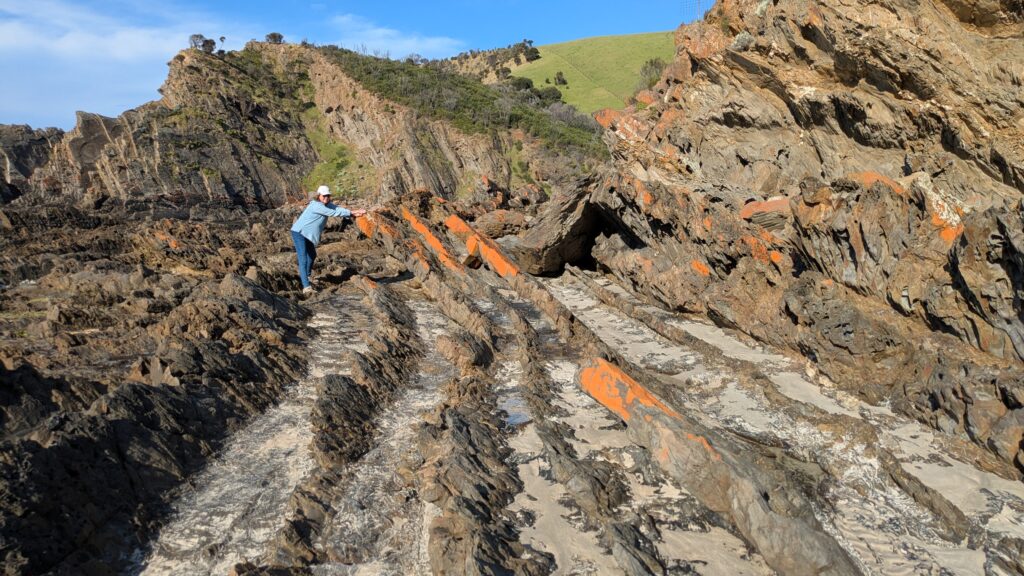
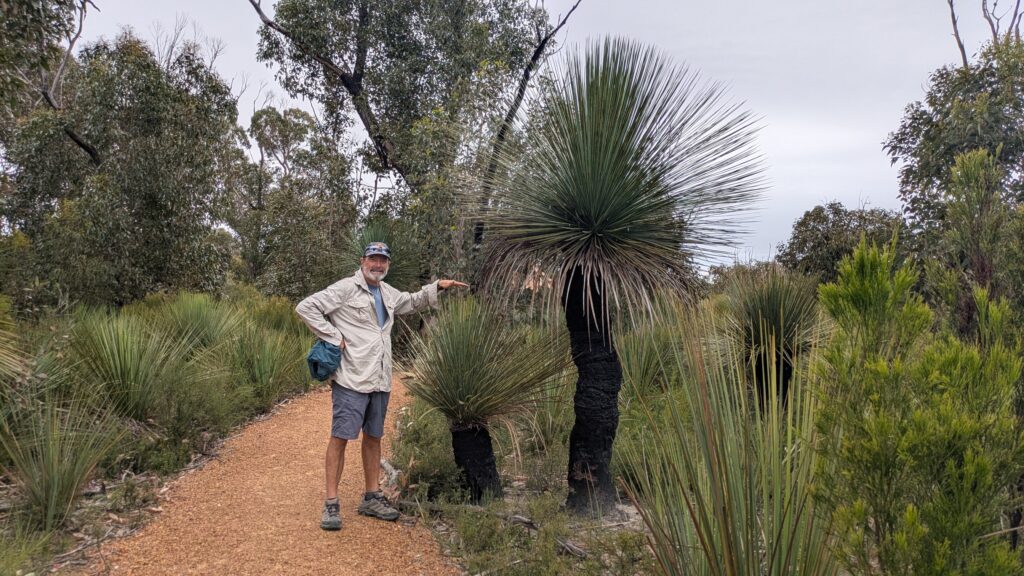
With rain forecast our plan for the day was to explore the western end of the island which is predominantly covered by Flinders Chase National Park and a huge wilderness protected area. We reach Cape Borda on the northwestern corner of the island and visited the extraordinary Cape Borda Lighthouse. The wild Great Southern Ocean was a treacherous body of water for all passing ships in the 19th century so this lighthouse, like others, was built to help them navigate their way past dangerous points.
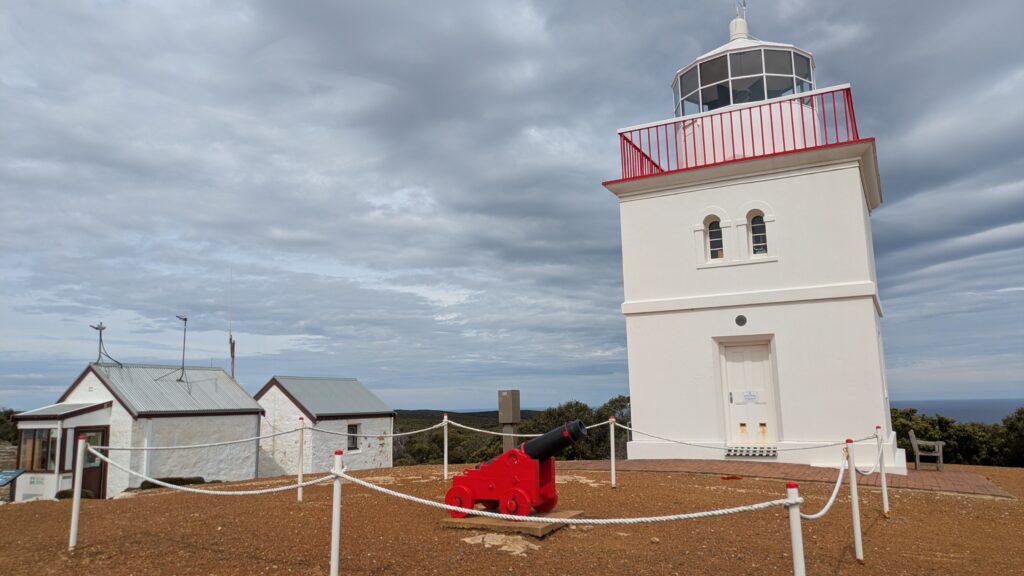
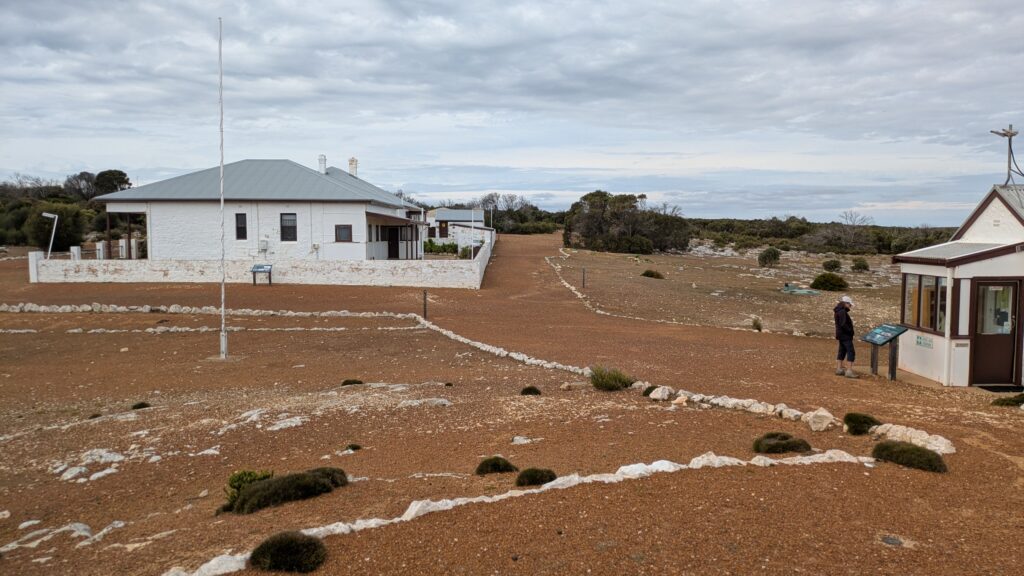
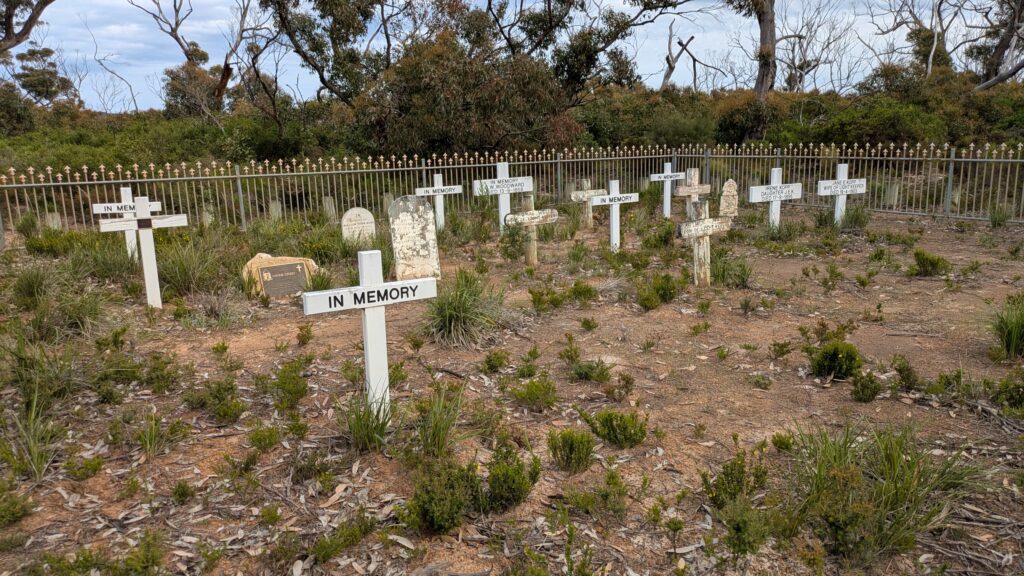
The Cape Borda lighthouse was built in 1858 and it’s lightkeepers and their families totally relied on ships bringing supplies every three months. It must have been the harshest of lives to live in such a remote and forgotten land as the nearby cemetery confirms.
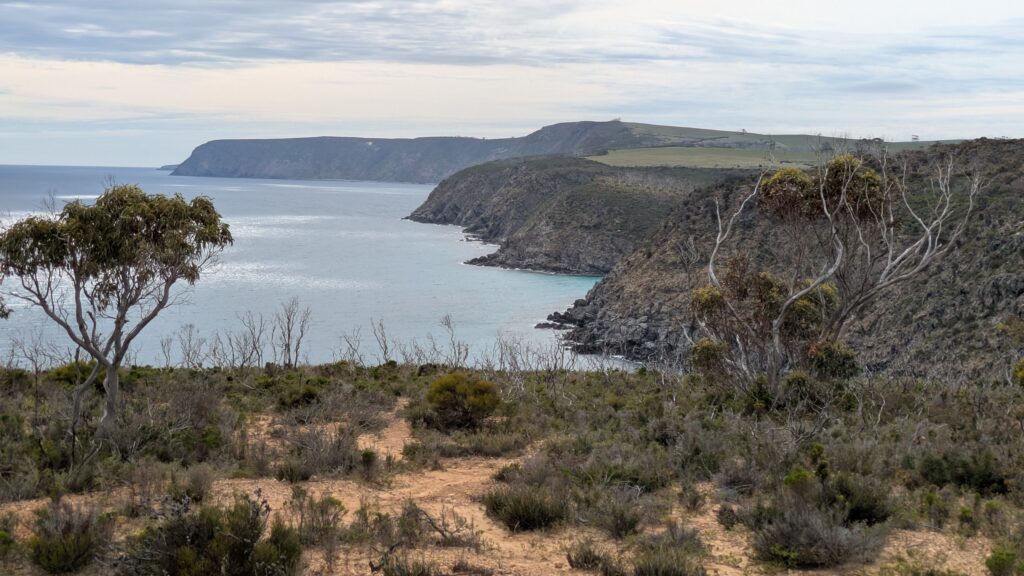
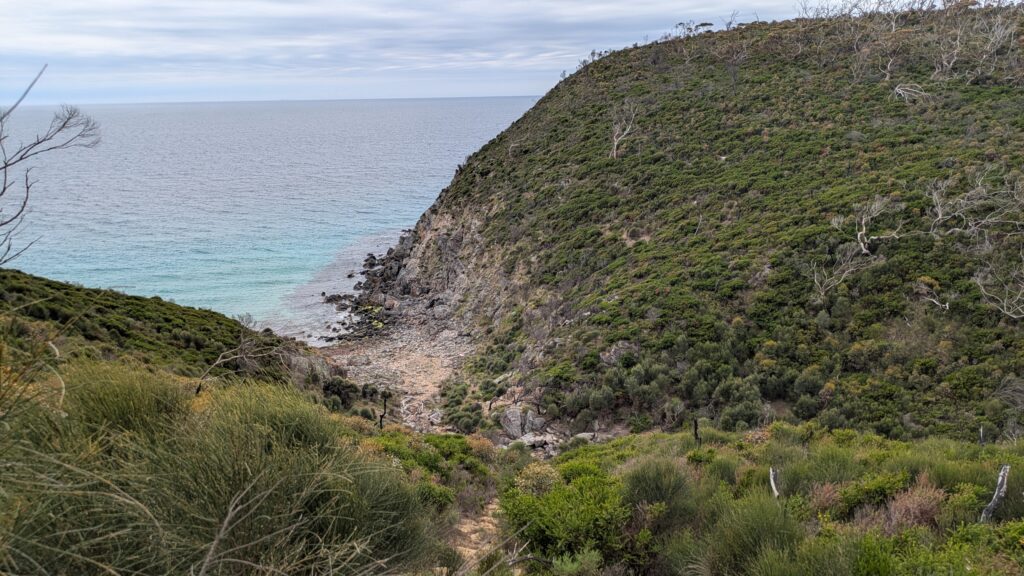
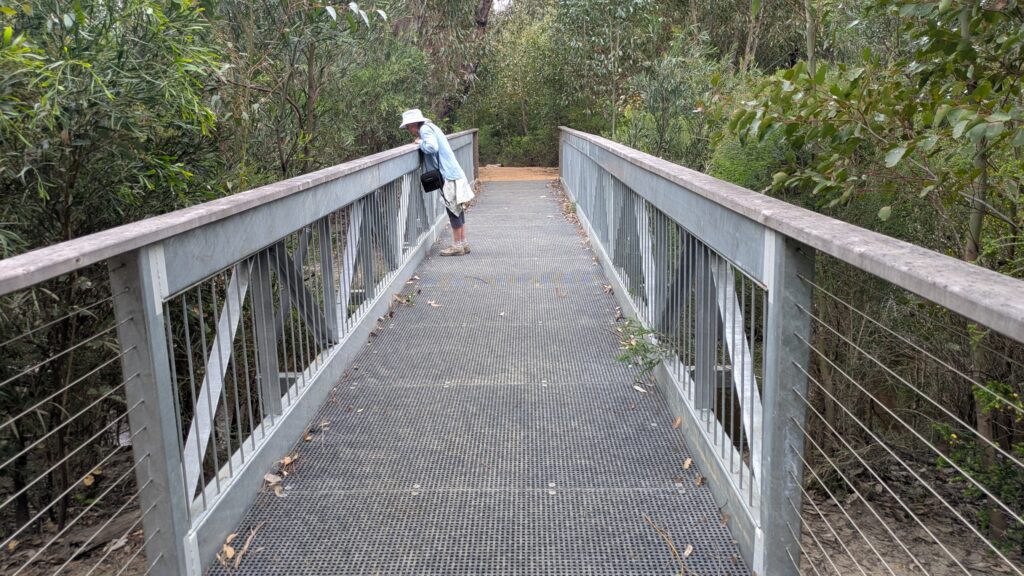
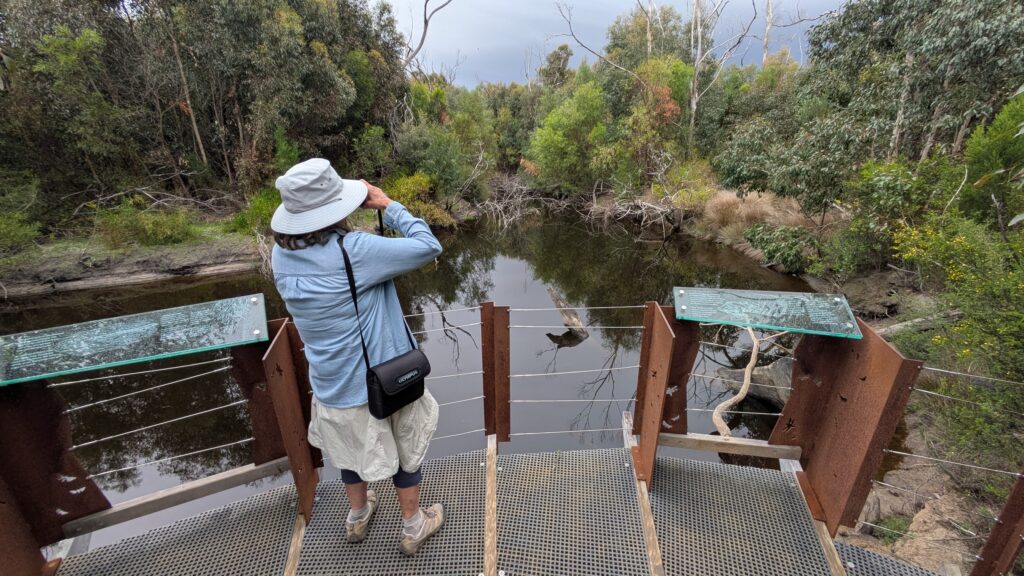
We drove southward through the rugged national park until we popped out at the southern end and visited a number of outstanding sights. First we did a walk through the platypus pools, hoping to see this illusive Australian mammal. With our luck of seeing koalas the day before we thought we had a chance but unfortunately the little guys evaded us.
Standing proudly on the top of a cliff sits one of the most curious and amazing natural formations we had seen in a while. The Remarkable Rocks, as they’re called, are really, well, quite remarkable. These rocks, which have taken on weird shapes and angles through wind and water erosion, were just about as photogenic as rocks can be. Very cool.
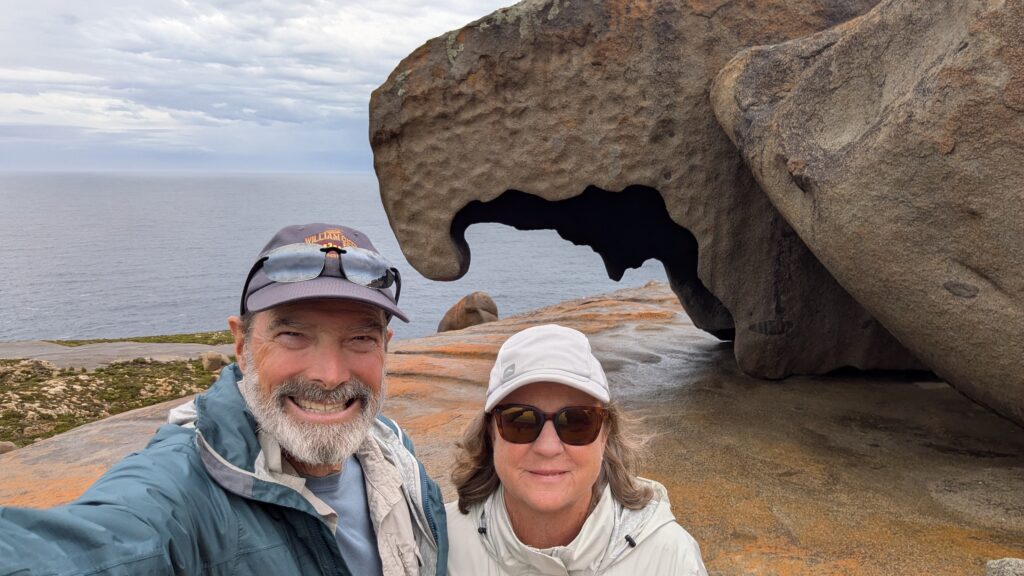
More remarkable rocks at Remarkable Rocks…


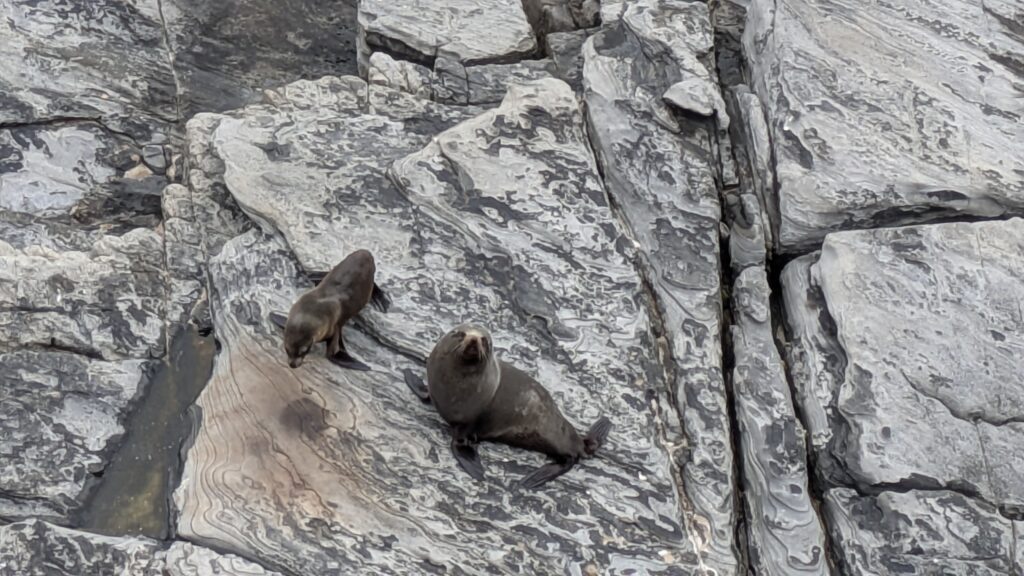
We finished the day at Admiral’s Arch, a huge archway carved out by the crashing surf and the whole area now features many fur seals and sea lions just lounging away their days on the flat rock platforms. This is the closest we had been able to get to them and it was fun to watch them scrimmage with each other and snooze away the afternoon.
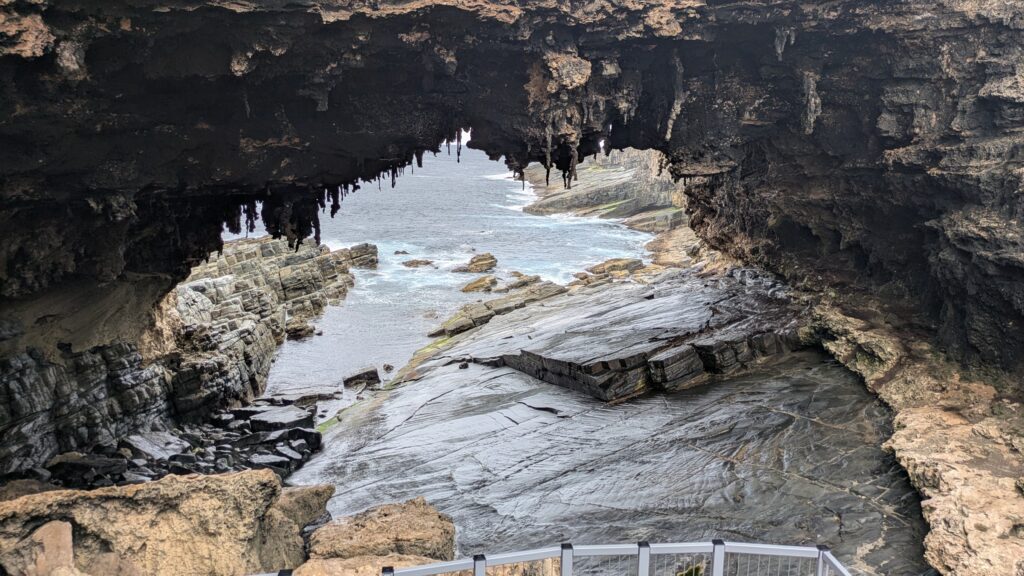
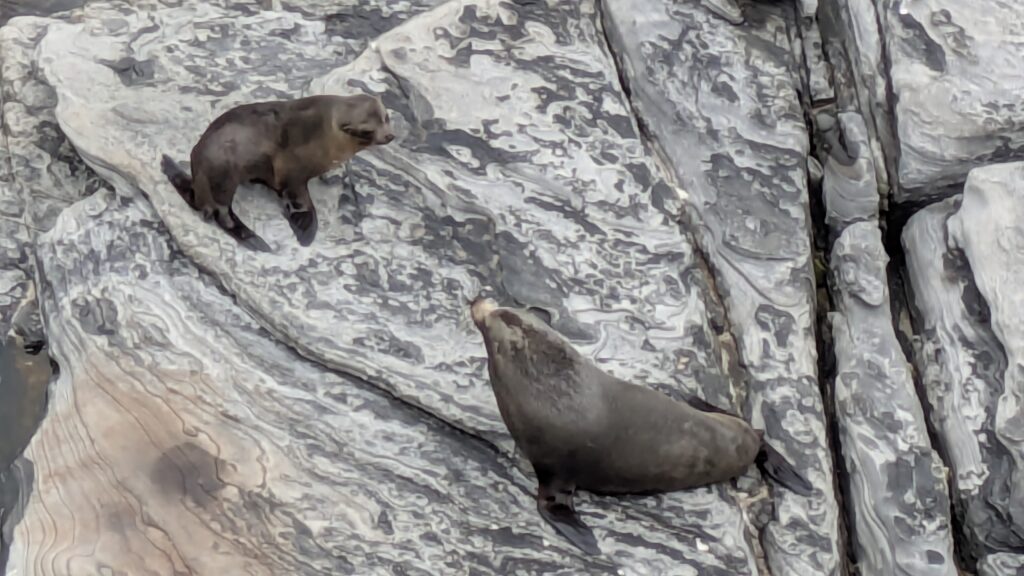
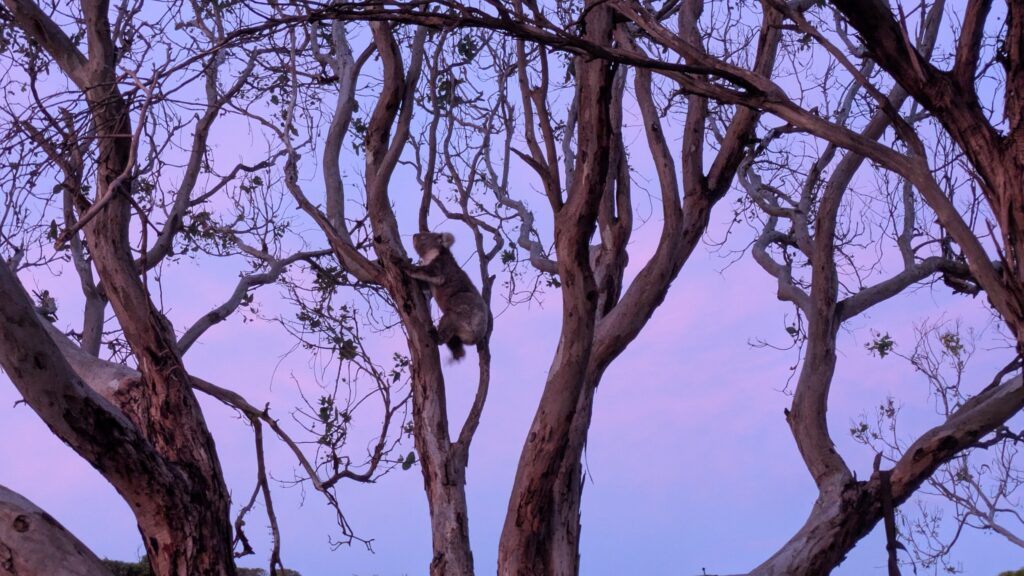
We camped that night in Vivonne Bay in a very average campground, having beaten the rain for most of the day and thoroughly enjoying the wildness of the island. We were reminded of this wildness when I spotted another koala in a tree near our camp – absolutely the best.
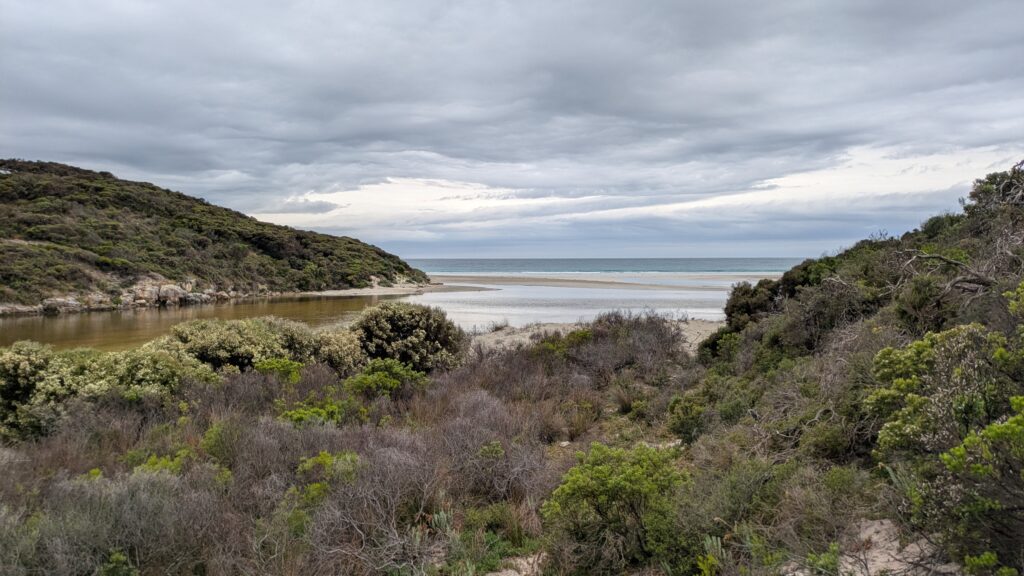
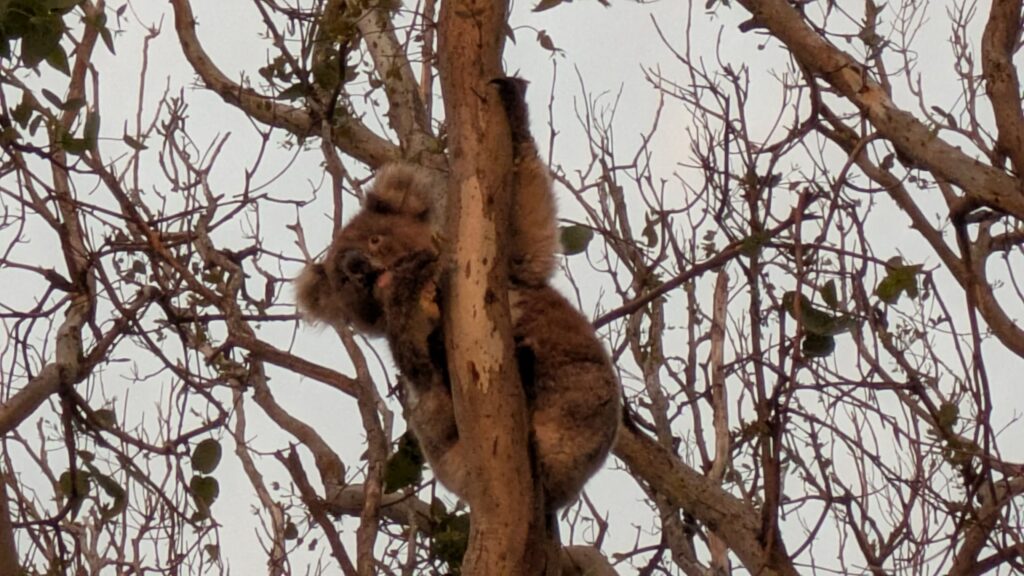
Our last day on the island was dedicated to exploring the southern coast and we did so with our usual dirt road, remote location gusto. We did a couple of short walks, passed through farmland and had lunch on d’Estrees Bay where the beach was average but the obscure location was fantastic. We also gave a thumbs up to the beach at Vivonne Bay, a good place to set up camp for a summer holiday on the island.
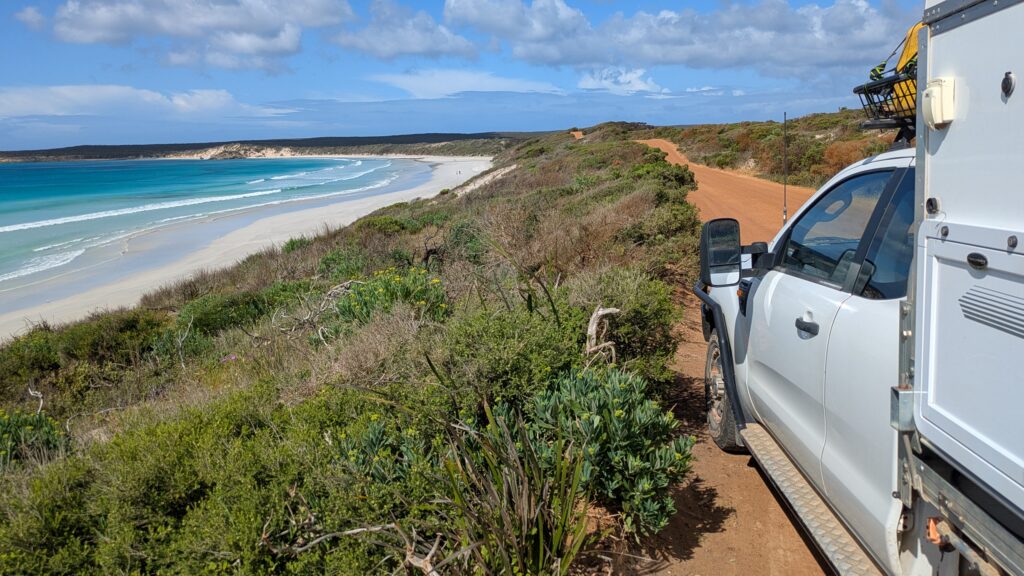
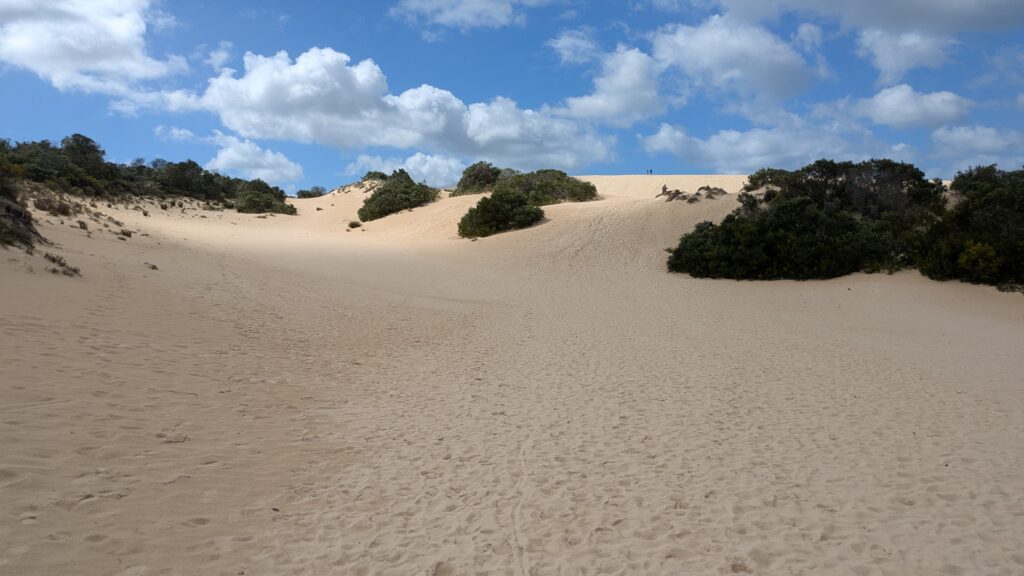
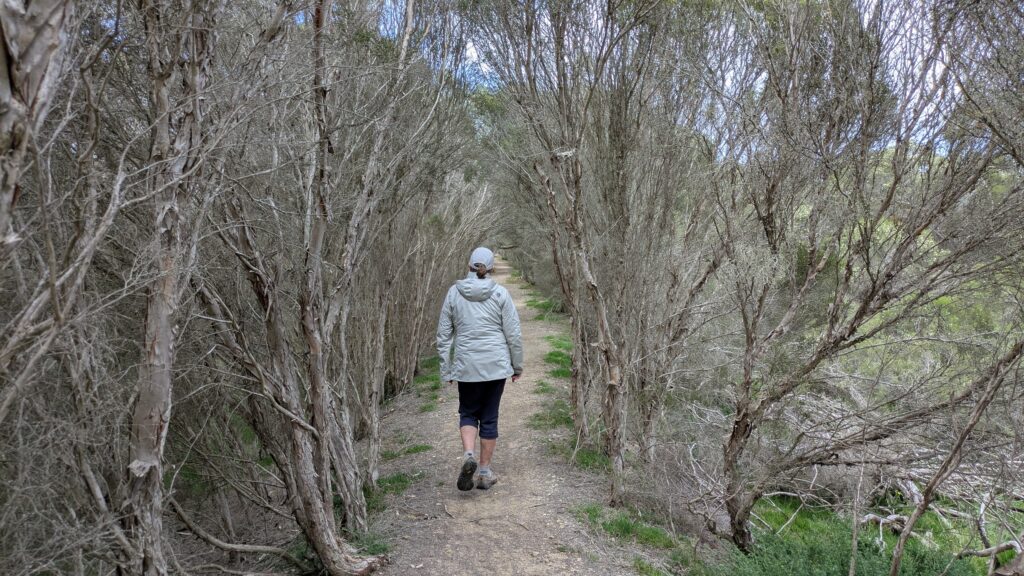
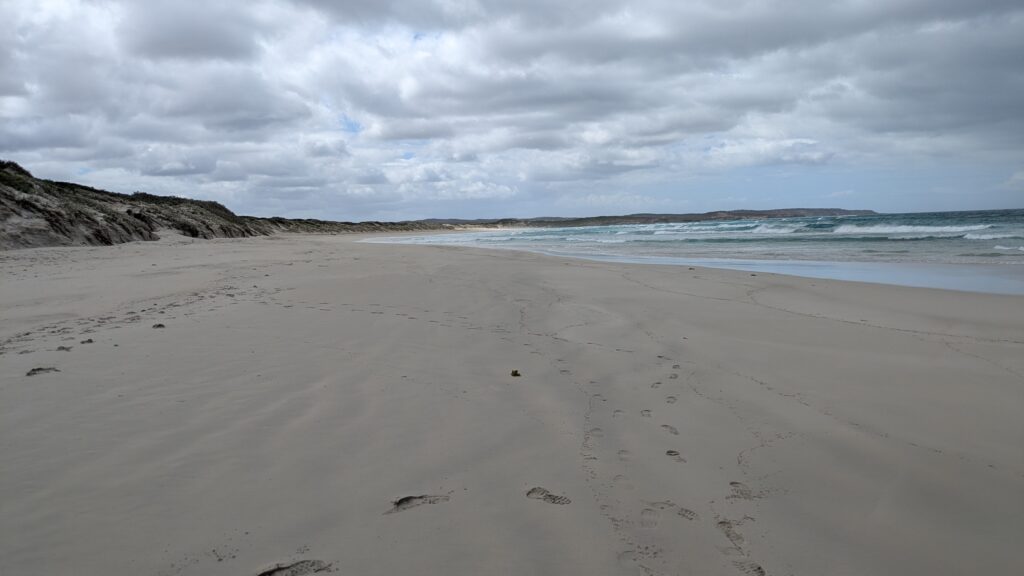
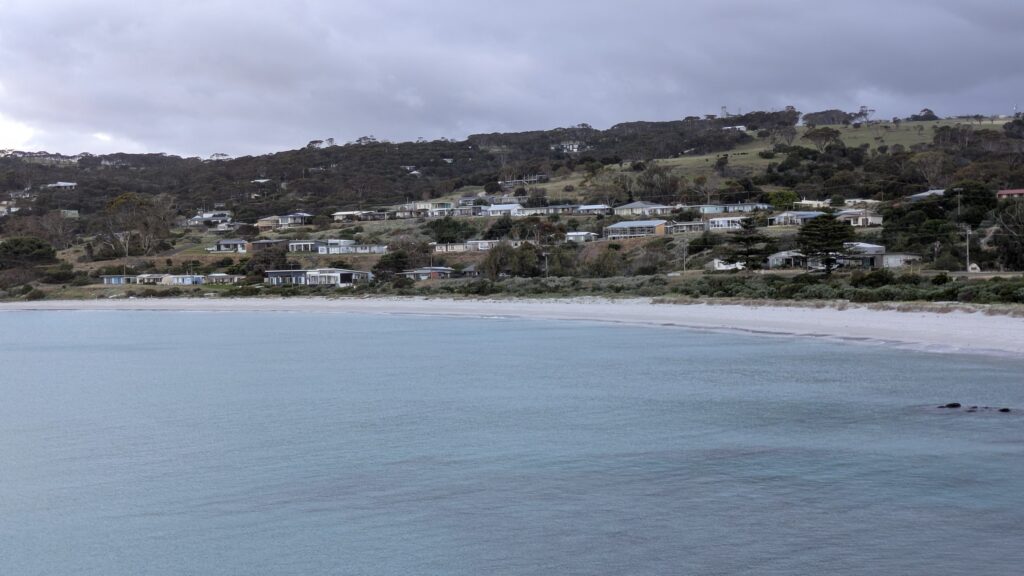
Near the end of the afternoon we visited American River, a small community of 280 people first settled by American whalers who gave it the name in 1803 despite there not being any river. The views over Pelican Lagoon and protection from the prevailing wind made this a top spot.
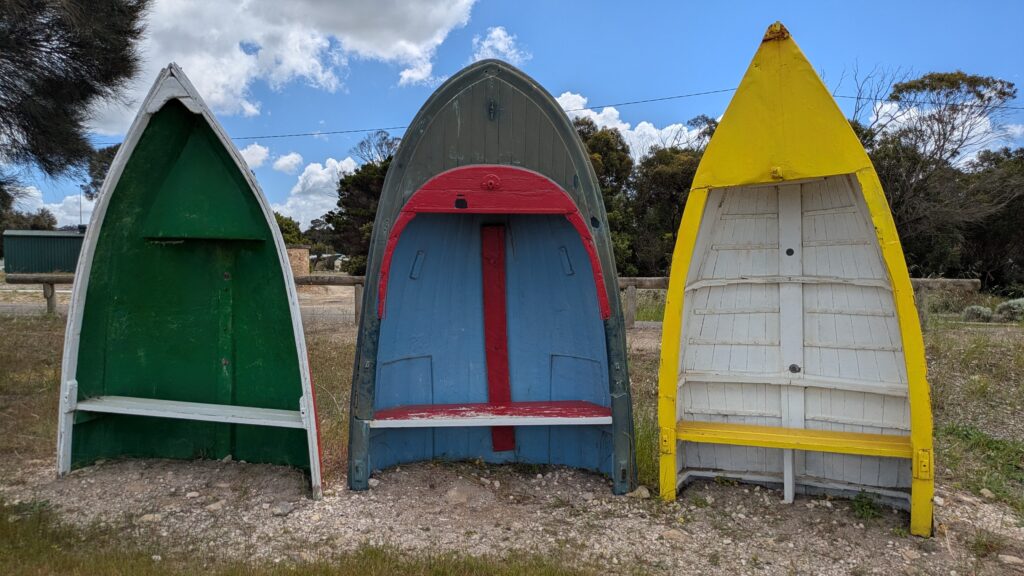
After enjoying $2 for four minute showers, a feature in many public campgrounds on the island, we had drinks and dinner at the Penneshaw Hotel before boarding our ferry back to the mainland. We loved our three days on Kangaroo Island and would recommend it to anyone as long as they are in to a very relaxed, layback place to chill out.
Comments
Kangaroo Island — No Comments
HTML tags allowed in your comment: <a href="" title=""> <abbr title=""> <acronym title=""> <b> <blockquote cite=""> <cite> <code> <del datetime=""> <em> <i> <q cite=""> <s> <strike> <strong>