The Flinders Ranges
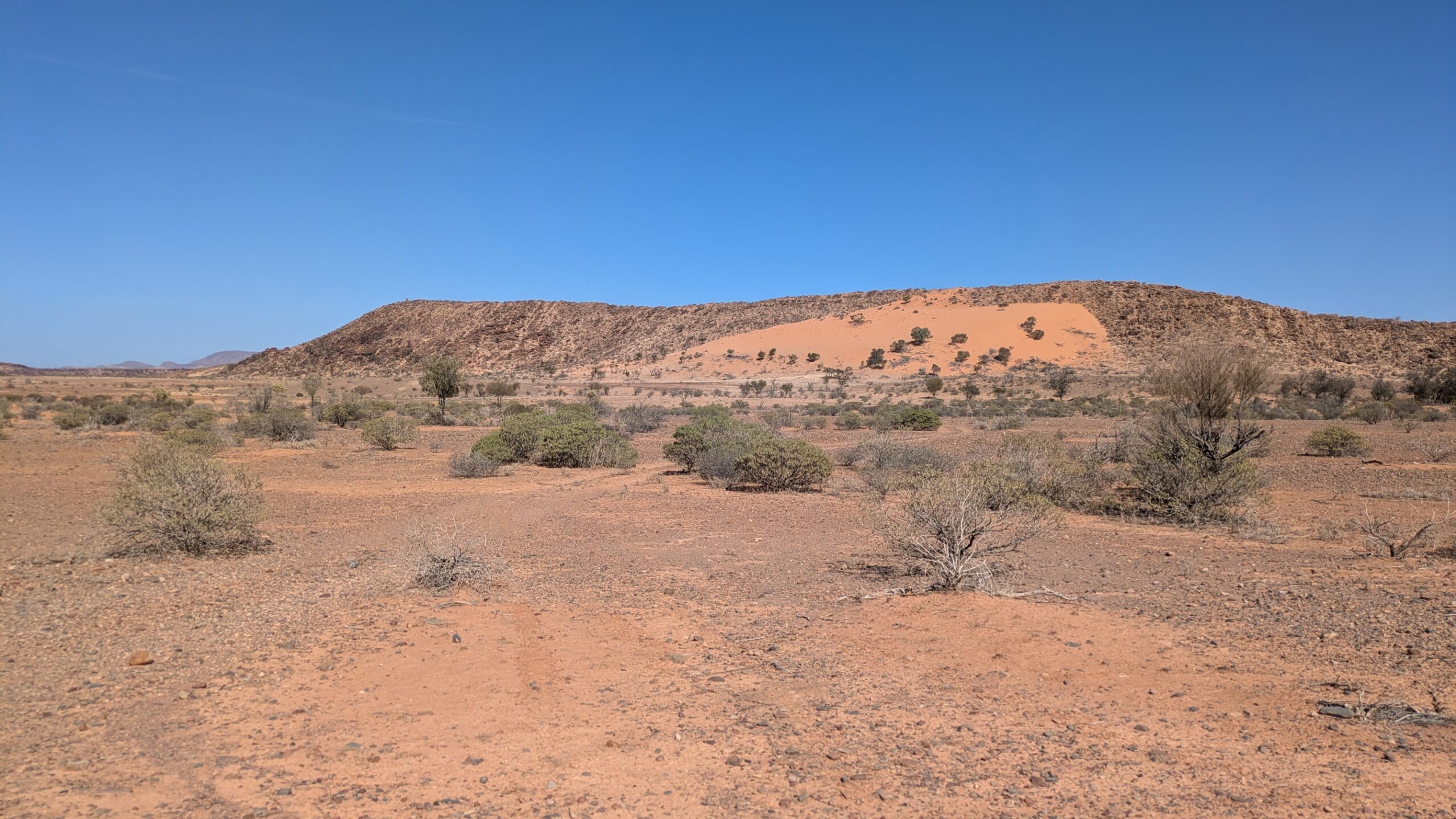
South Australia is a wonderful candy store for travellers of all types and interests but one of their sweetest lollies is the remarkable Flinders Ranges. Running roughly north-south in the central eastern section of the state, the Flinders features numerous world class national parks and an Aboriginal reserve plus jagged dry mountains, salt bed lakes, significant seasonal rivers and fabulous flora and fauna. For outdoor enthusiasts there is endless camping, hiking and four wheel driving on offer. And we were about to dive into it all.
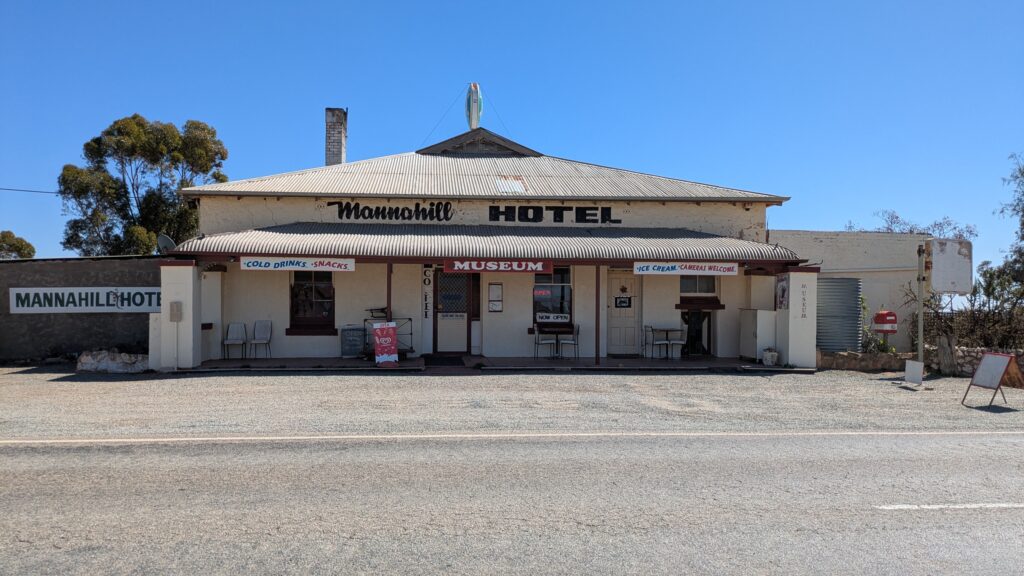
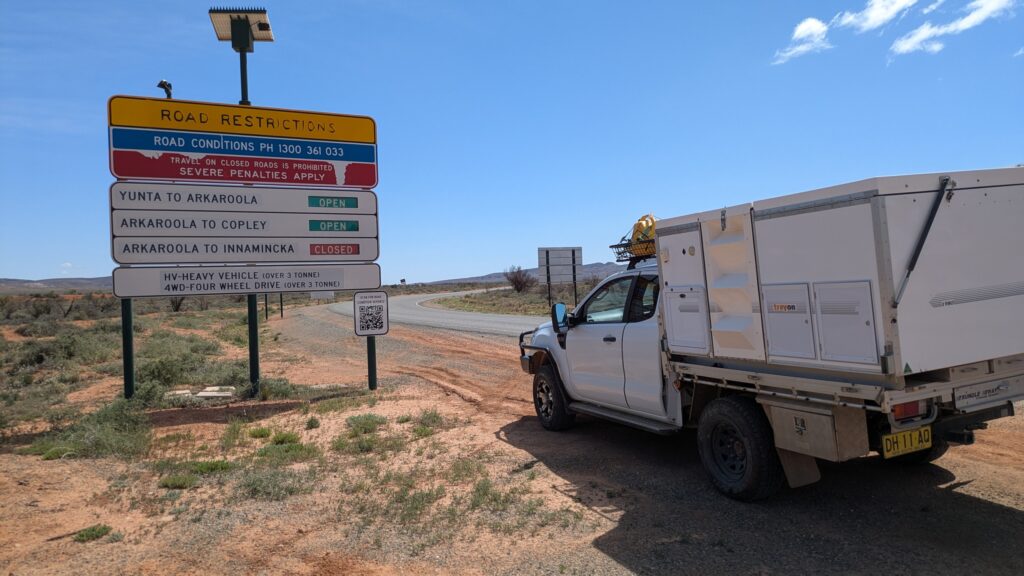
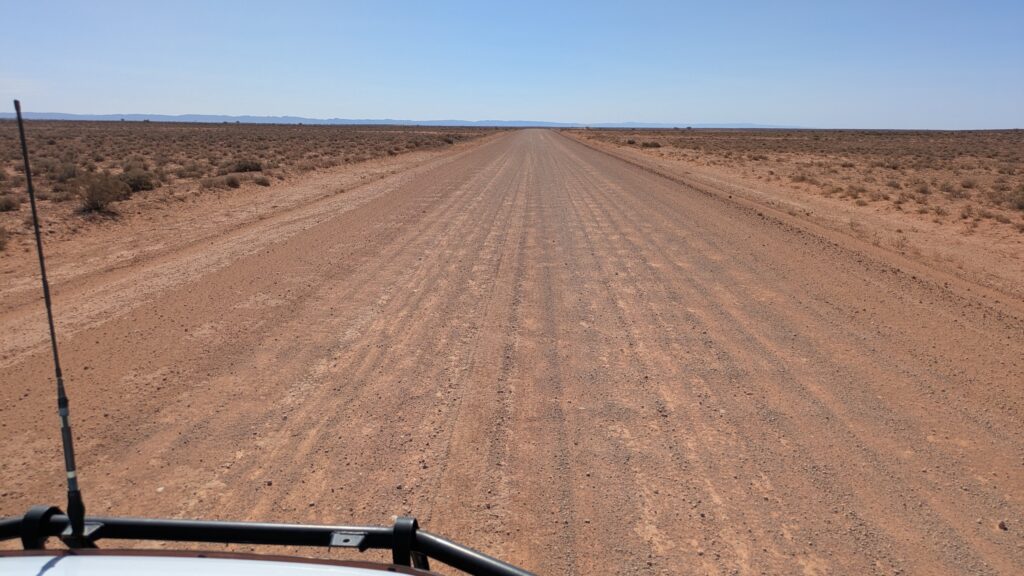
We started our journey in South Australia by travelling southward after camping on the border near Broken Hill. The South Australian outback didn’t change much from that in New South Wales – it was flat, dry, harsh and beautiful. At the town of Yunta we topped up our tanks and headed north on a wide dirt road towards Lake Frome and Vulkathunha Gammon Ranges National Park.
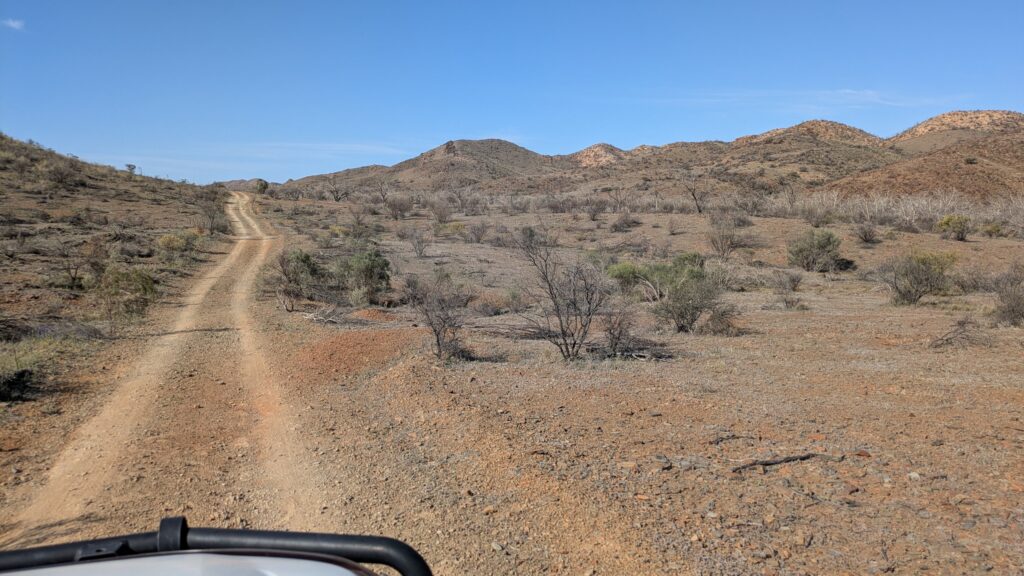
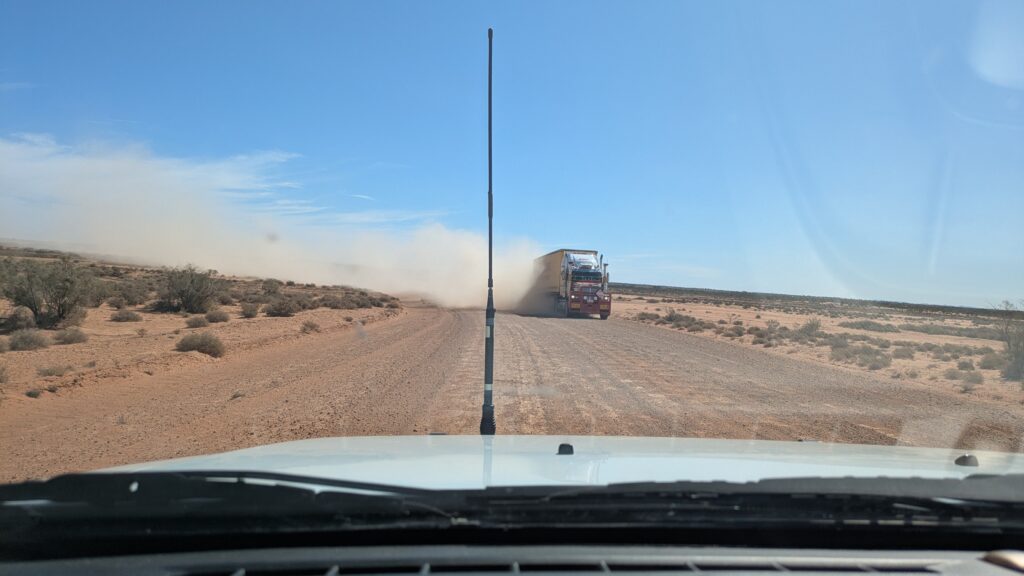
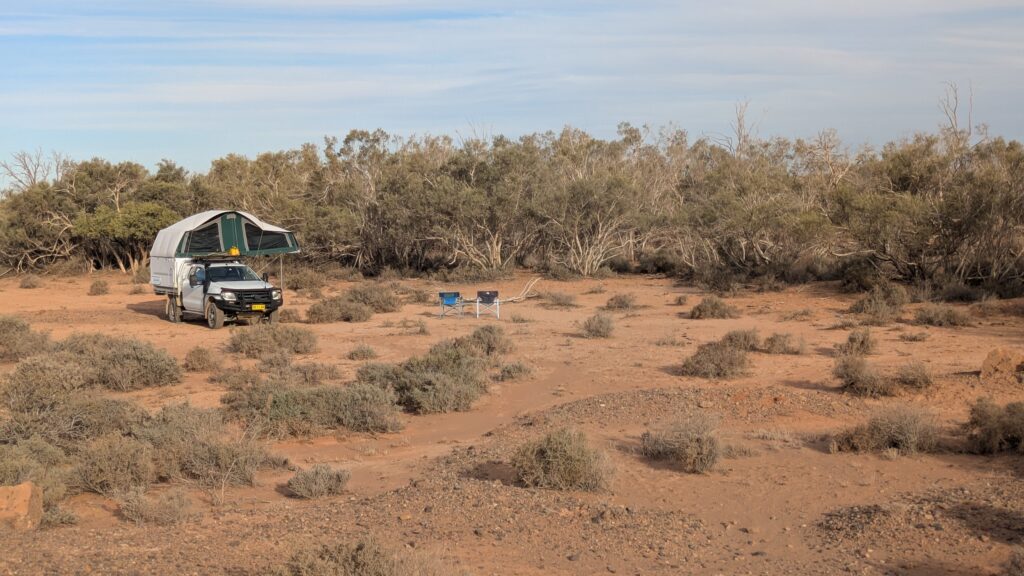
This was a remote and seldom-used road – we saw only five vehicles over the 220 kilometres we drove that day before camping in a dry creek bed. Along the way we marvelled at this desert landscape and wondered how the people living in the occasional remote homesteads managed to survive out there. It was definitely not a user-friendly environment.
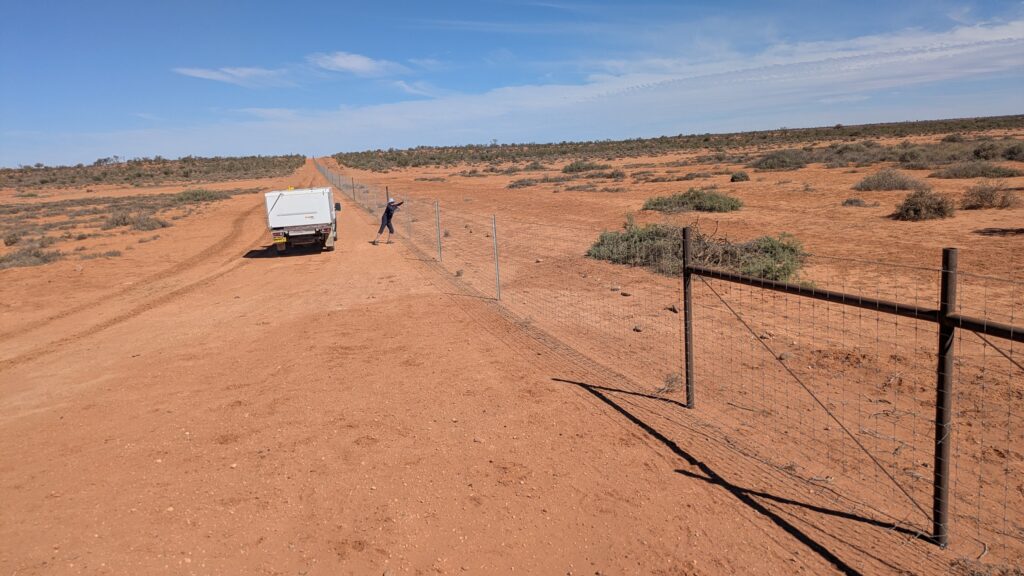
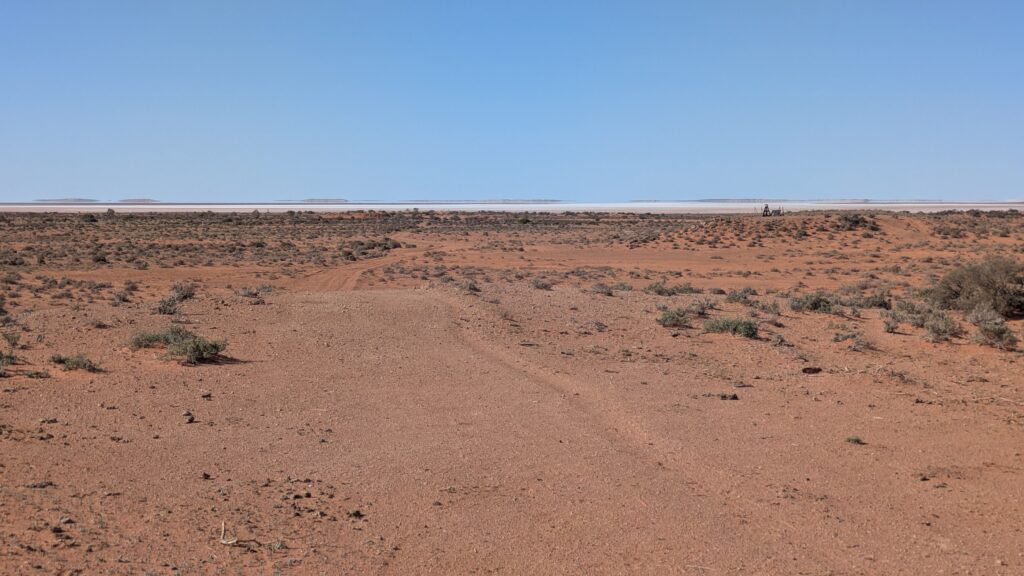
The road skirted around the large Lake Frome that dominated the map and we suspected it was a salt pan lake, rarely filled with water and always inhospitable. Never mind, we wanted to see it so we found an obscure track that headed off in the right direction.
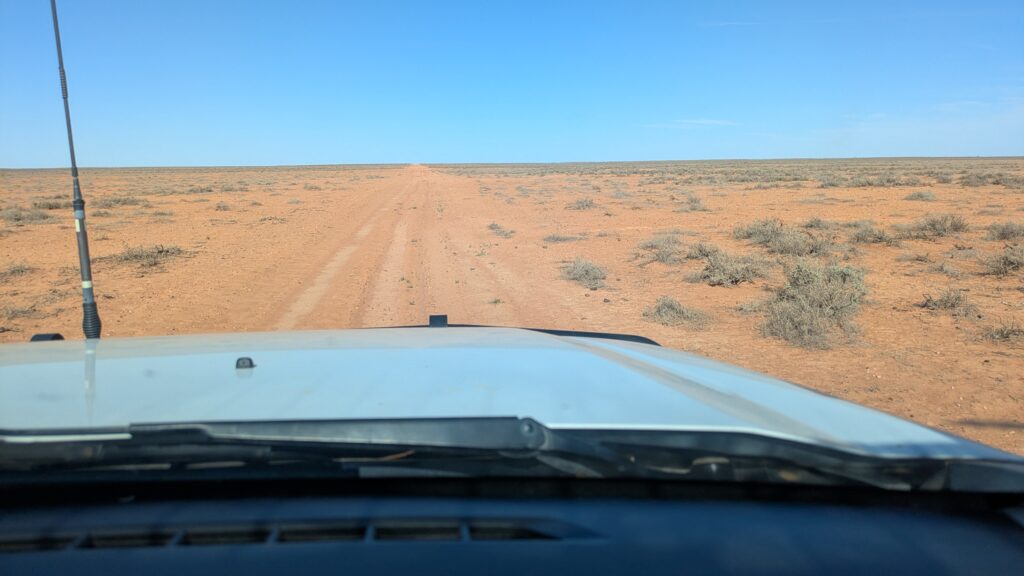
After about 12 kilometres of following this faint track across the flat barren land, a few water tanks for lost livestock our only landmarks, we came to the end of the track which left us only about 500 metres short of the lake’s edge. But from this vantage point we could clearly see it was a salt pan lake, it did have water in it and it was starkly beautiful – very cool.
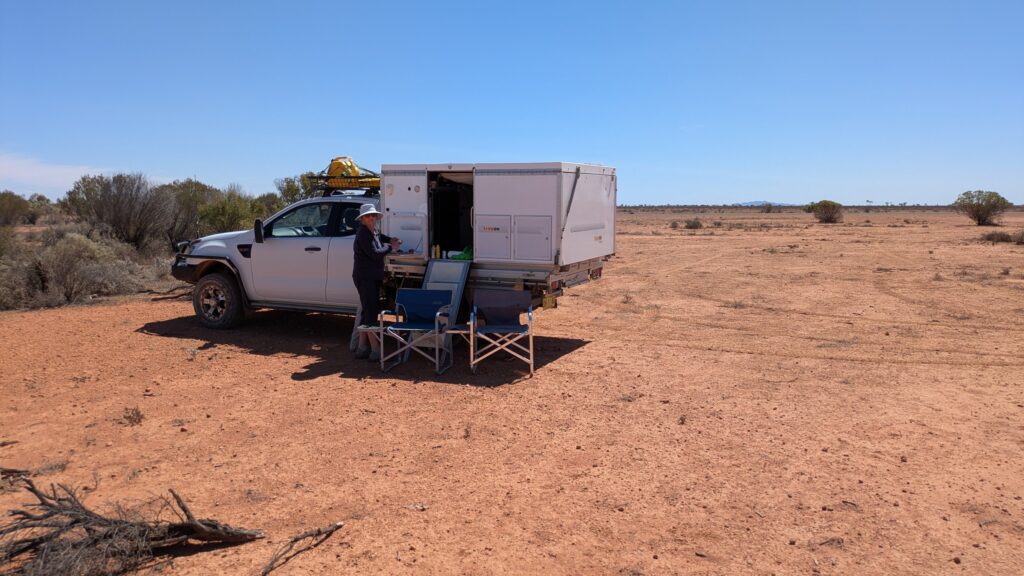
Camped on this dry creek bed, the wind and flies reminded us this can be a tough land to cross, even in the comfort of Wanda. There was no birdlife, or obvious life of any sort, and as we sat around the fire we could hear absolutely nothing other than the fire. It was beyond words.
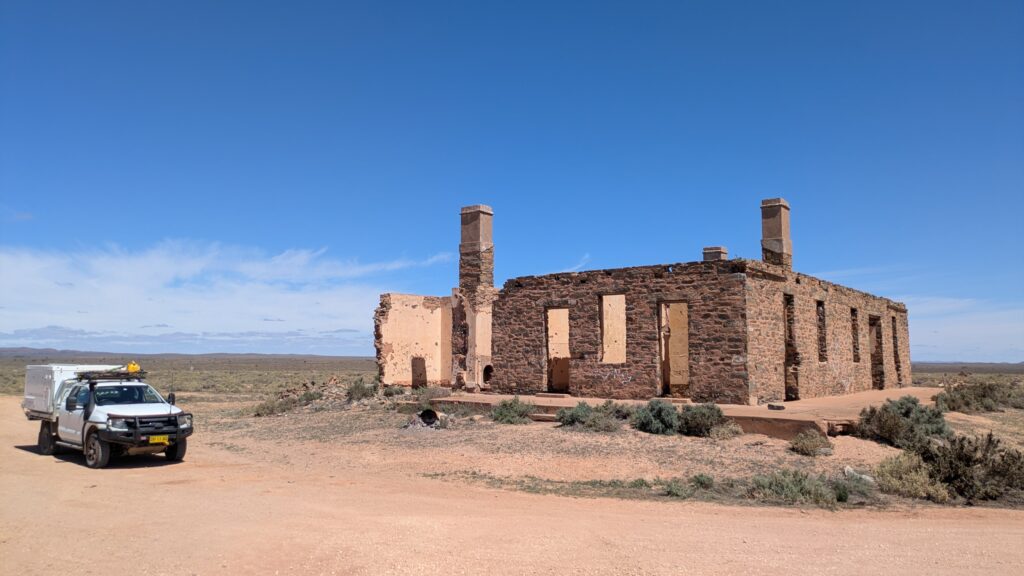
The next day we headed into the Gammon Ranges National Park, stopping at Balcanoona where there was an old shearing shed to explore and numerous information boards. From there we headed up to Arkaroola, a privately owned extension of the national park, to get fuel and plot the rest of our day.
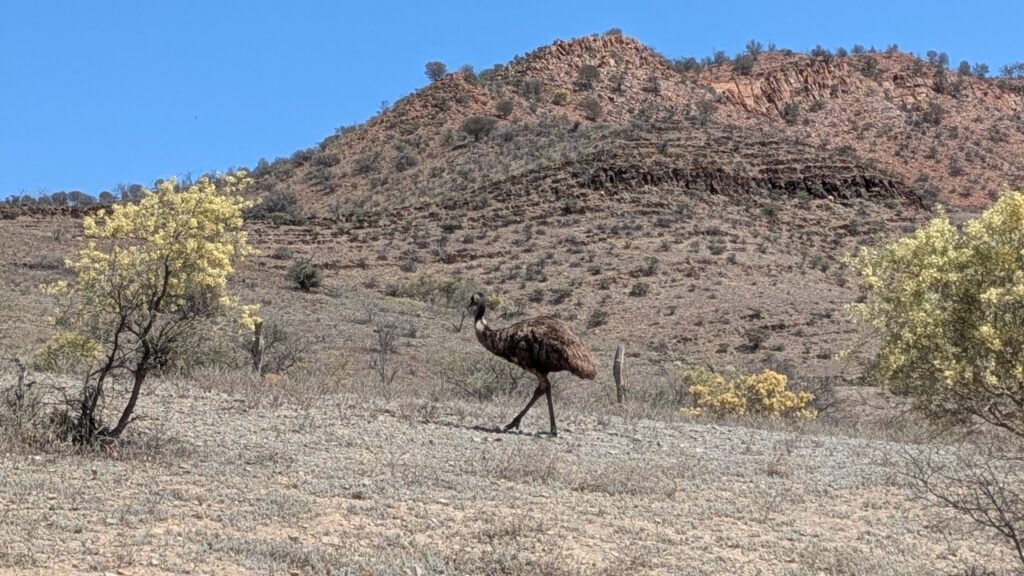
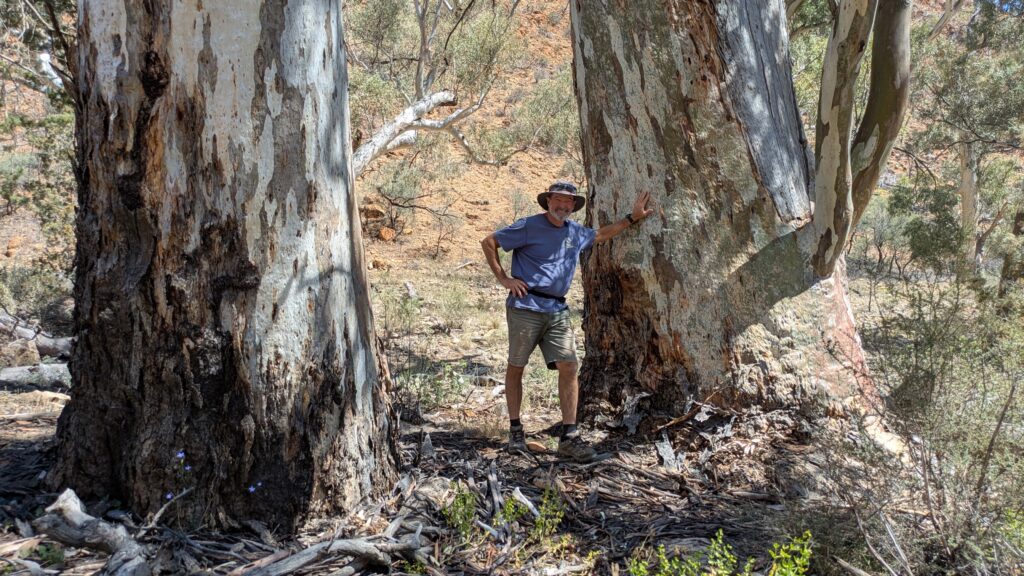
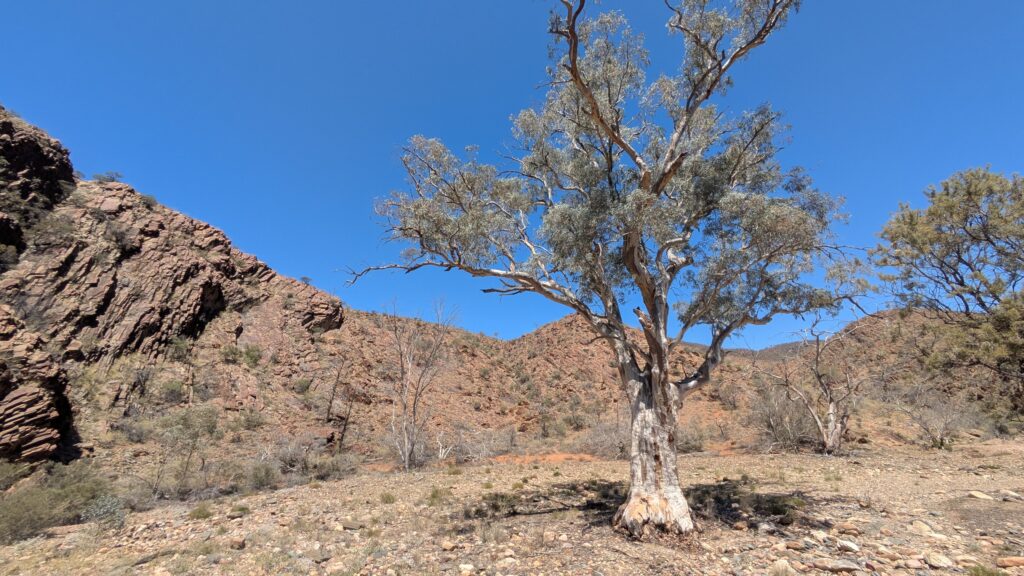
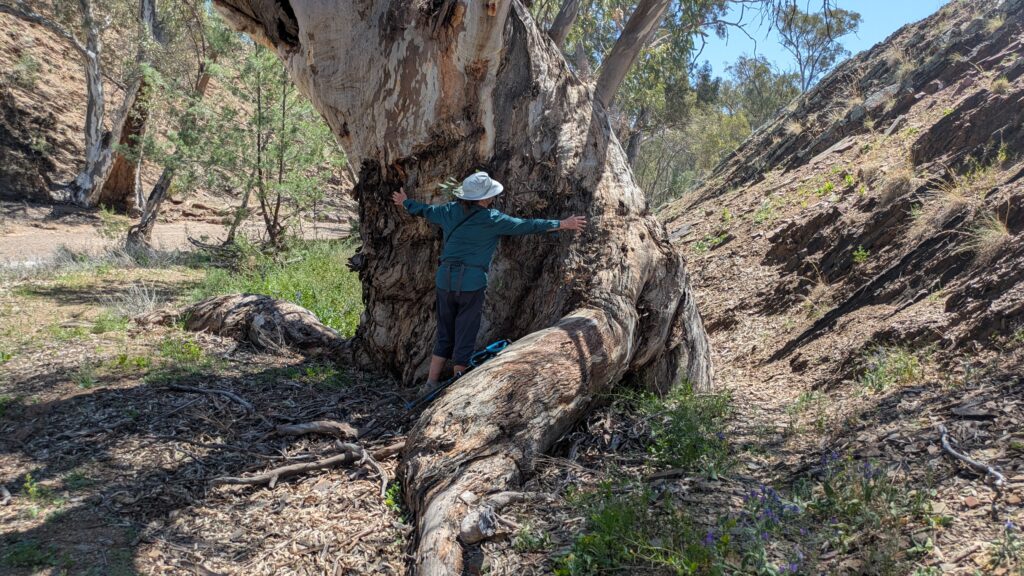
Our plan, as always, was to try to do everything. We drove up a beautiful gully and gorge eight kilometres to Echo Gate where we had lunch under an old sprawling River Red gum, the dominant tree along the riverbeds in these parts.
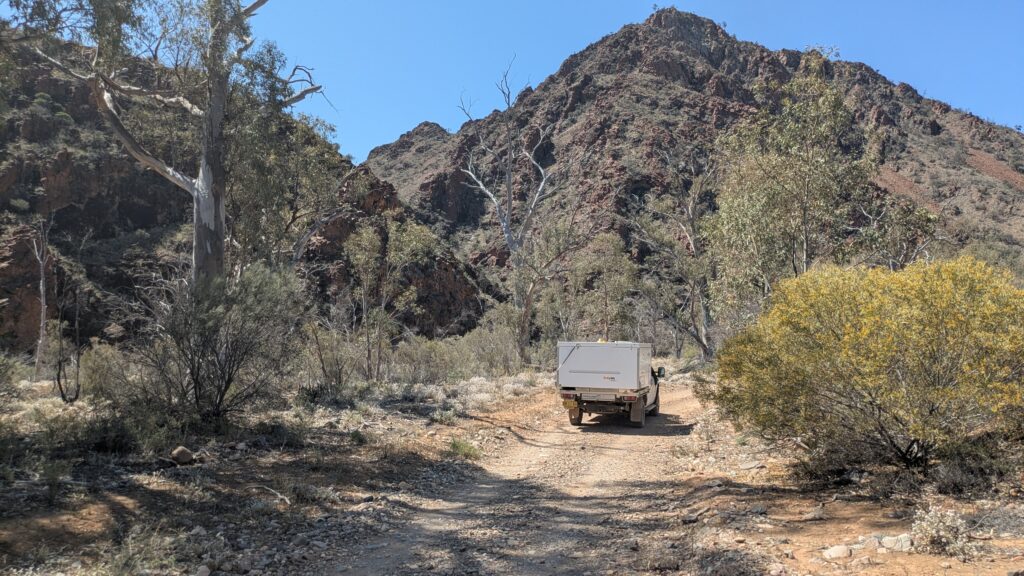
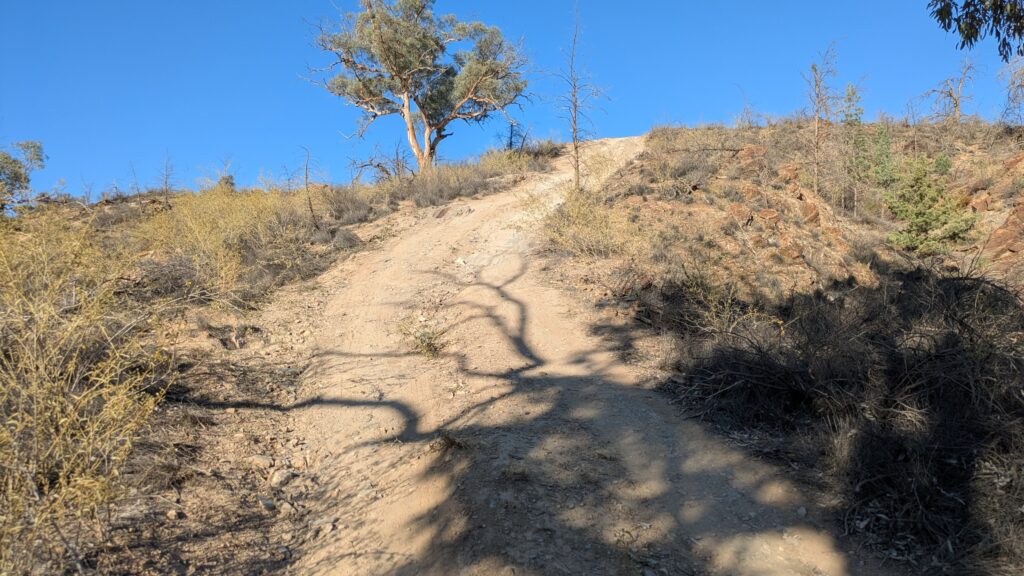
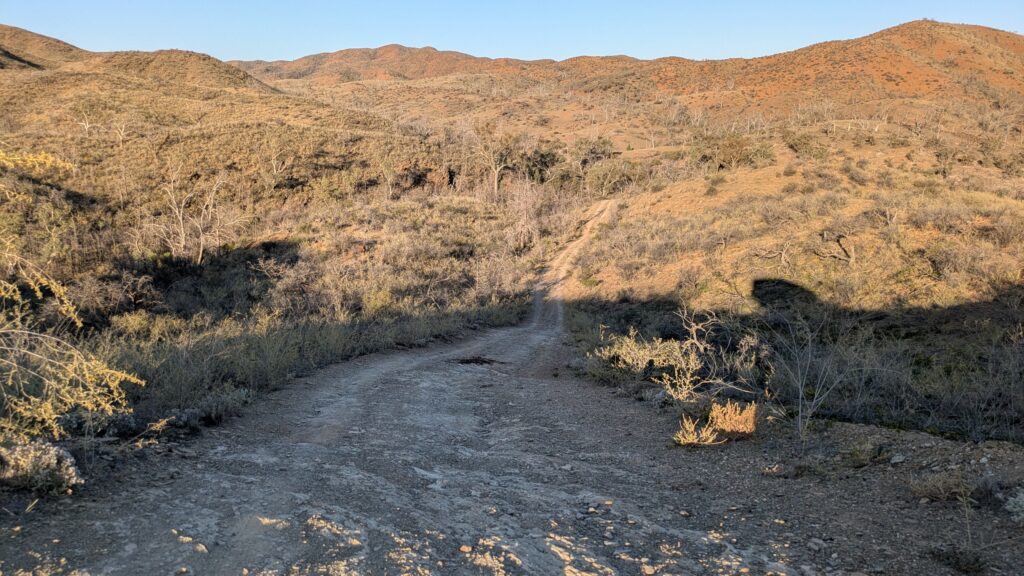
We then made our way out of Arkaroola to the southern end of the national park and started a challenging 34 kilometre four wheel drive loop trail. This track took us deep into the heart of the Gammon Ranges, using 4 high and 4 Low gears regularly, following dry creek beds, climbing up onto rocky ridges, riding the up and down rollercoasters of these barren desert mountains. It was a great afternoon of exploration and adventure, soaking in this beautiful raw land, Wanda feeling her oats and loving it.
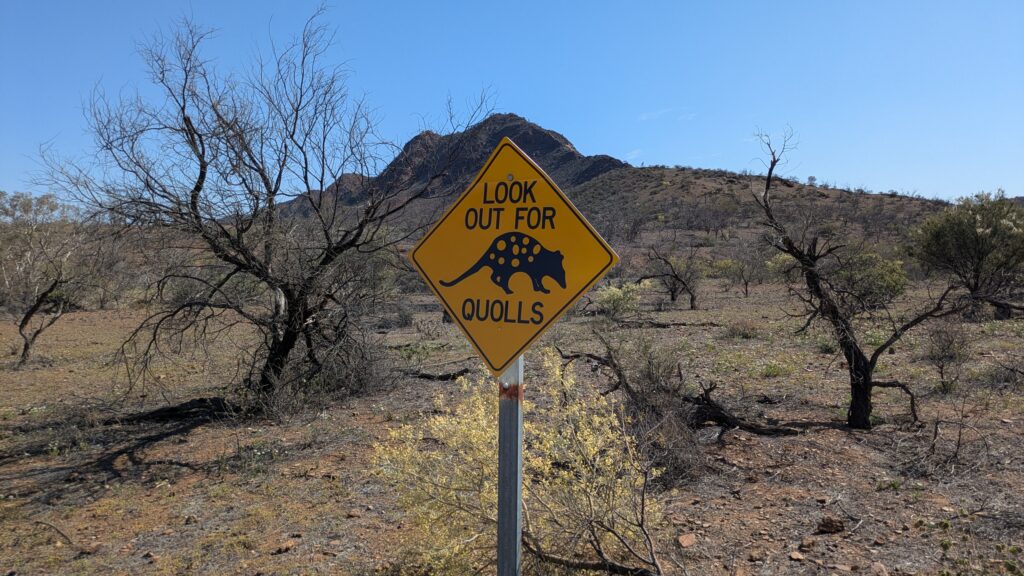
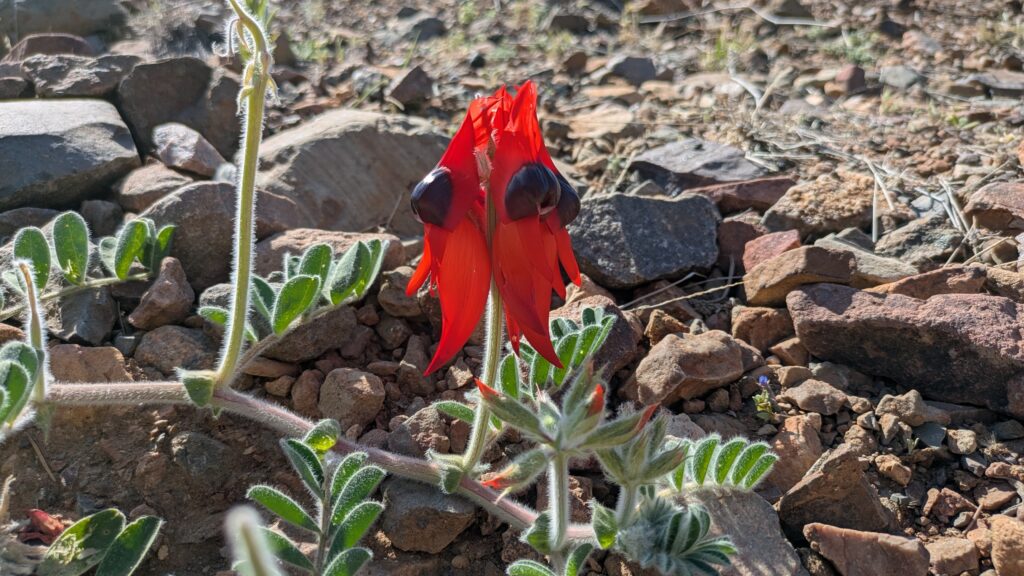
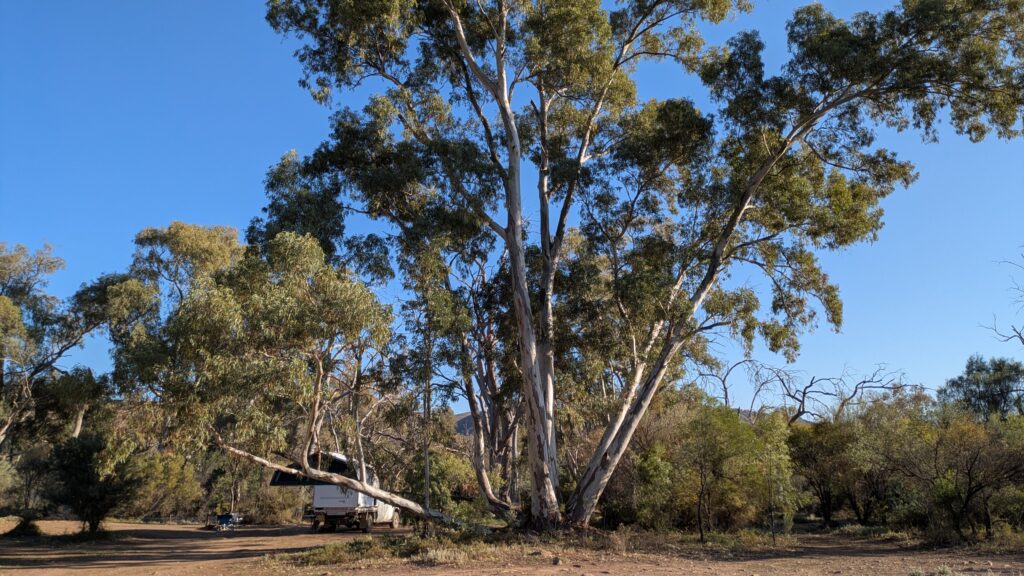
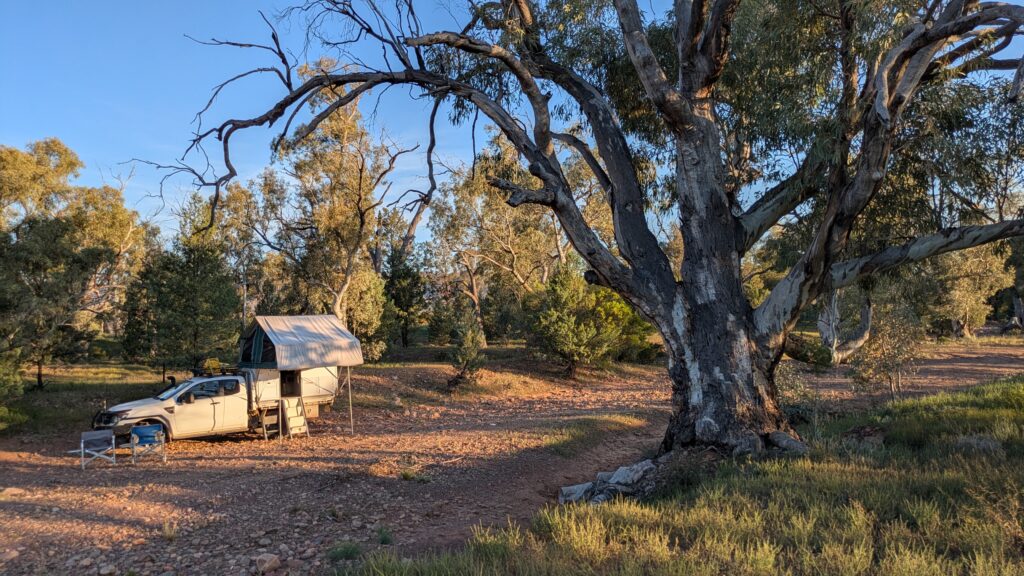
We camped in a national park campground amongst the River Red gums near historic Grindel Hut, more River Red gums towering above us in a tall, tangly, gnarly, unique way that makes them the badass of gum trees. This was a remote backcountry location, suitable only for four wheel drives, and the setting on the dry creek bed was just spectacular.
The next morning we left Wanda behind and took off on a 10.5 km walk, first stopping at the old Grindel Hut, built in 1918 by the original station owner who lived there (and, as it happens, killed his son in law there soon after) before following Bancanoola Creek as it weaved it’s way through the red rock gorges it carved, lined with more beautiful River Red gums.
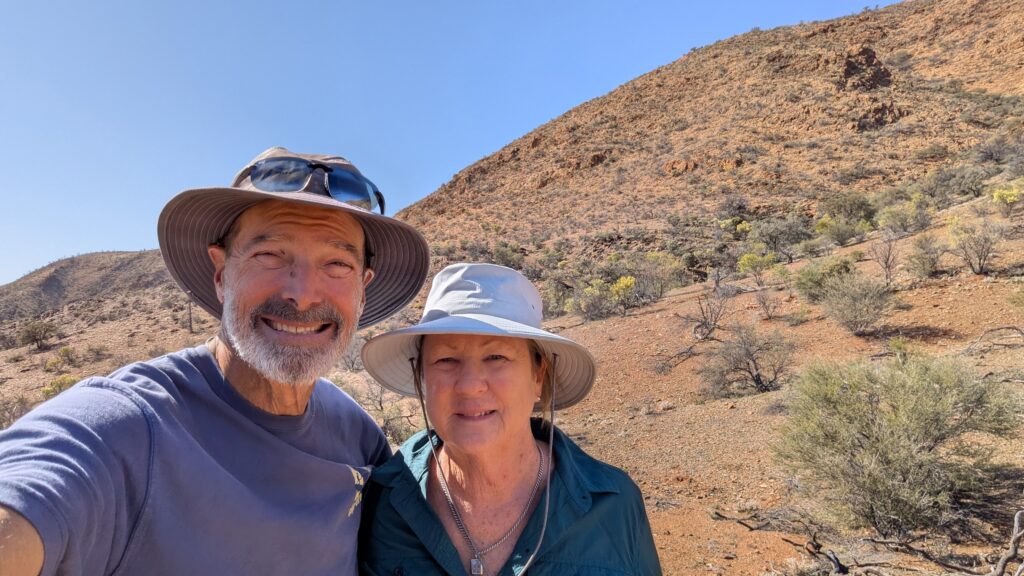
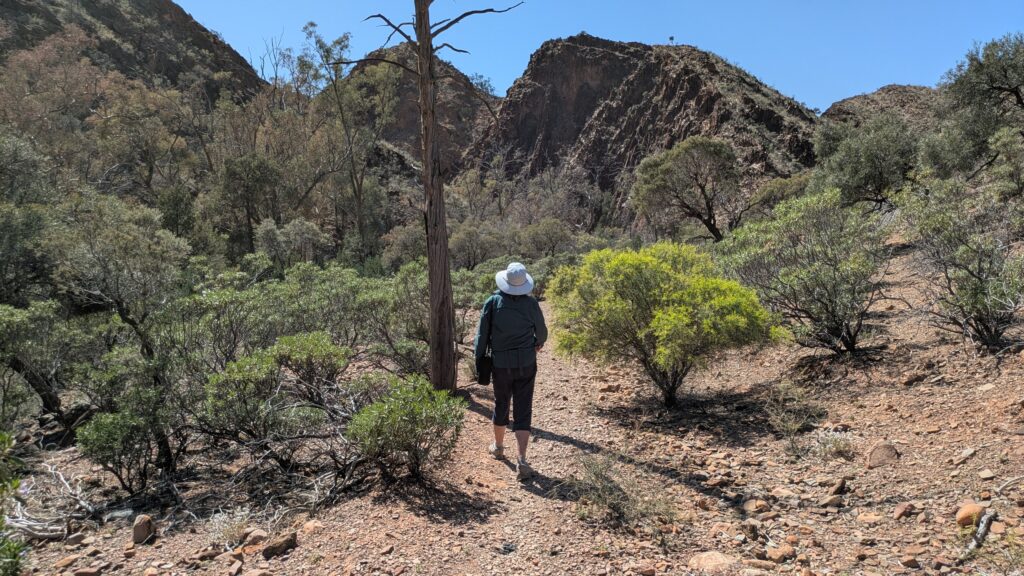
This was a wonderful peaceful walk, we didn’t see another soul all morning as we made our way along the creek, the giant trees, the fascinating geology, the ancient mountains, just loving the scene at every turn before finally returning to Wanda.
We followed the 4WD track back out of the mountains to the main dirt road with our sights set (again) on Lake Frome, this time from the access point in the national park. When we reached the start of the track to the lake we read the sign which explained that from 3pm to 5am this land was preserved for the local Aboriginal people to do their hunting. Bummer.
We found some hot showers at the Ranger’s office, which came at a timely moment after our walk in the morning, before heading south out of the park and across the vast open desert plains. We followed a couple of signs and wound our way up and through the Wearing Gorge before popping out at the northern end of Flinders Ranges National Park.
Flinders Ranges NP is arguably the most well known and popular park in South Australia and on this weekend in school holidays we booked a camping spot in advance thinking it could be crazy busy. And as we pulled into our spot for the night in the northern section of the park we were confronted with families camped amongst the trees on both sides of us. We are snobby about our quiet camping spots away from the hordes but we love to see families enjoying the great outdoors, just like we introduced our kids to the wonders of camping all those years ago. So it was all worth it.
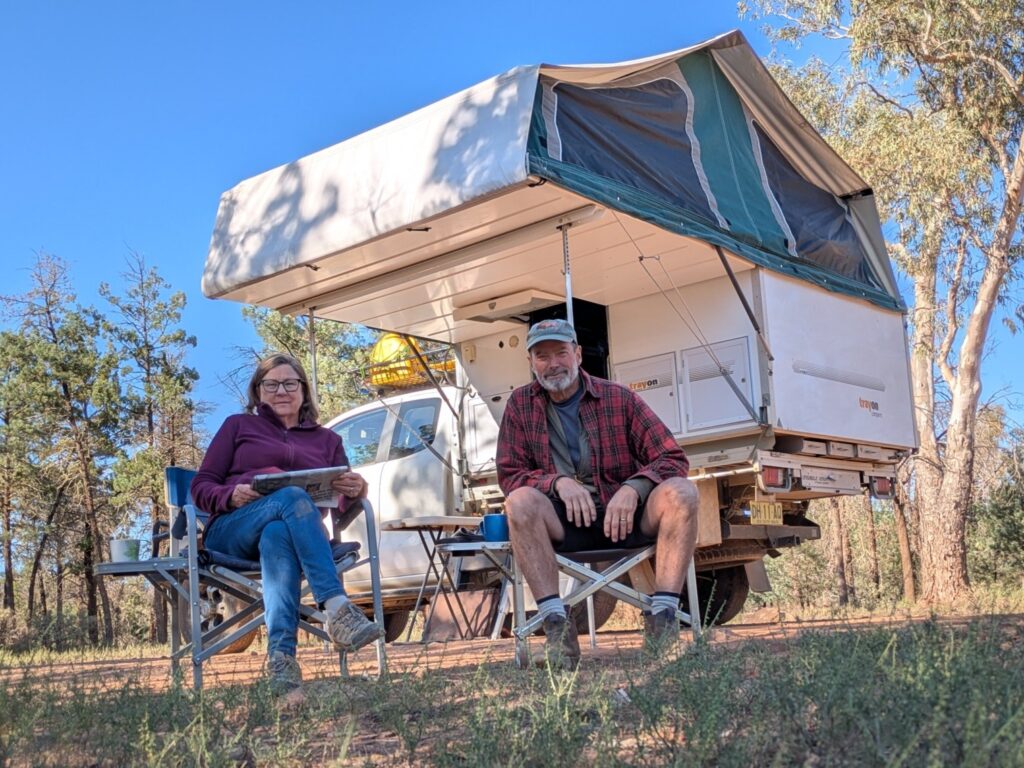
We’ve been mega lucky with the weather from the start of this trip, some mornings a little cool but most days hanging out in the low to mid 20’s°C (mid 70’s°F), never a drop of rain and rarely any serious clouds. It’s been travel bliss. And we got more of the same as we woke up to another blue-sky day, packed and headed out to the trailhead of our walk for the day.
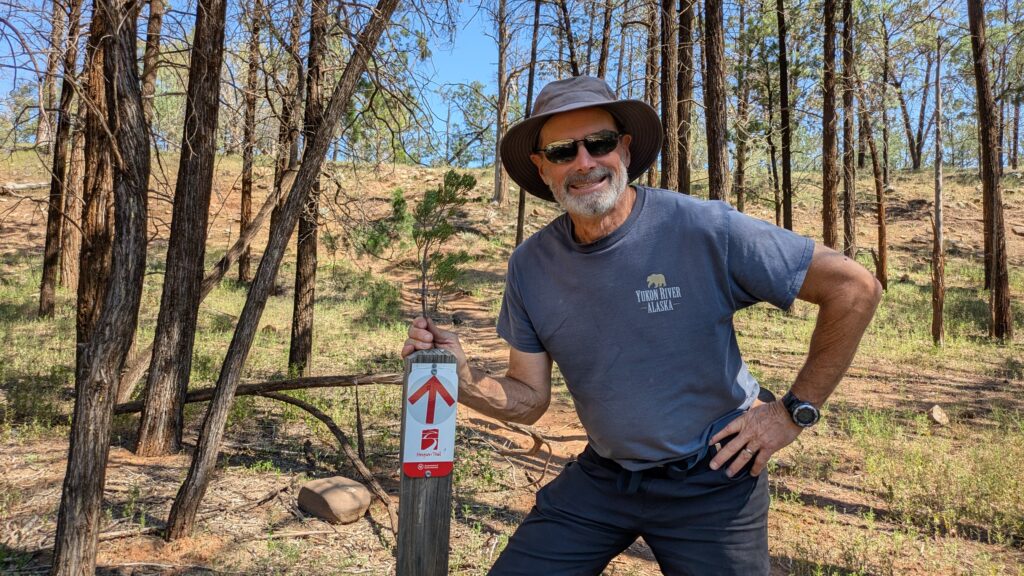
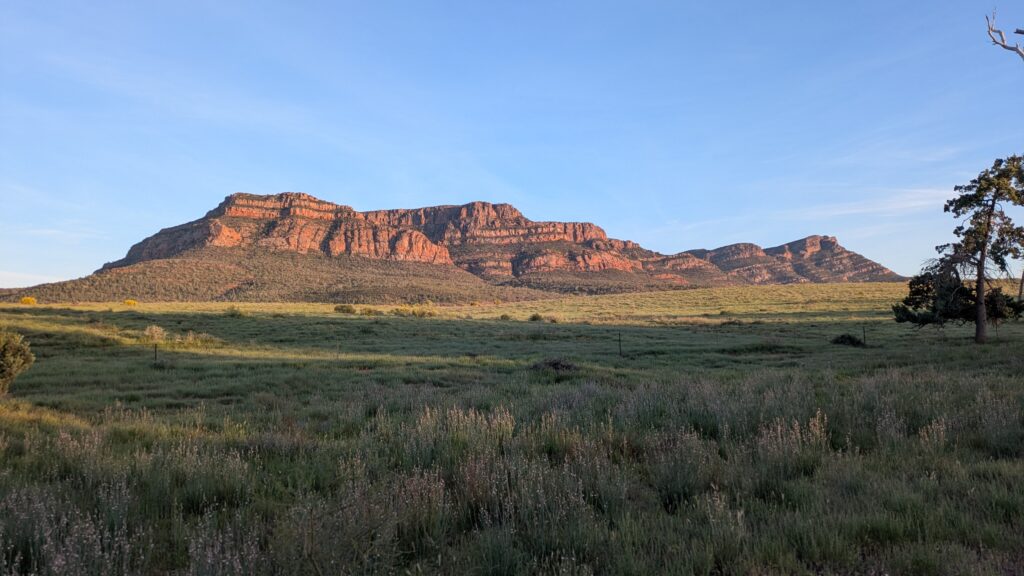
The Wilcolo Circuit is a square-shaped circular track which explores some of the beautiful sections of the north part of the park, an area we’d never been to before. The sun was already warm as we headed off on this track but spirits were high. The Flinders Ranges are really all about the geology with all the lifting, tilting, eroding and exposing, most of it happening 600 million years ago or thereabouts.
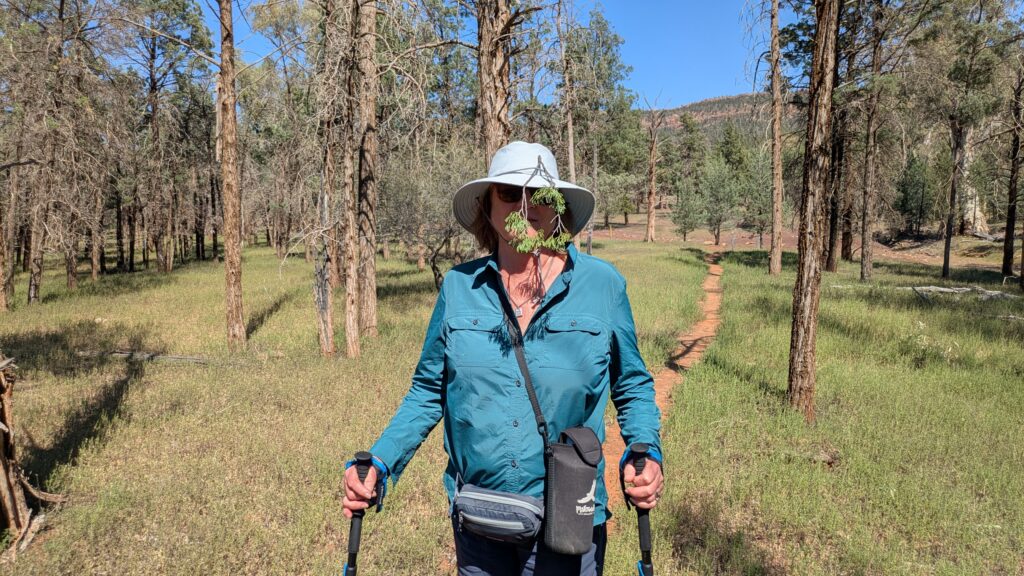
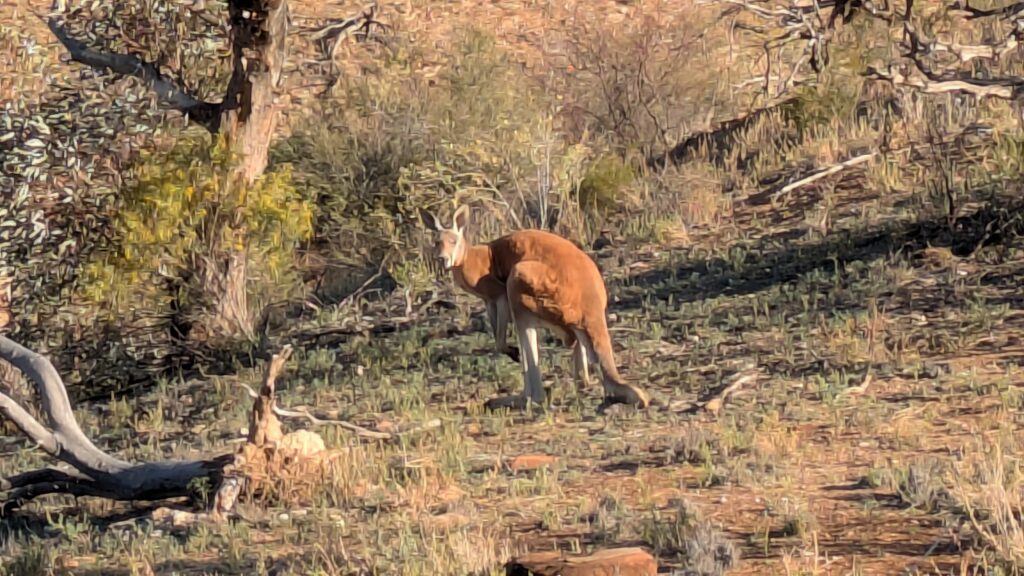
Whatever, the end result is beautiful multi-coloured mountains plus an endless supply of wonderful huge River Red gums, each with their own unique twisted and tortured features. We also saw a male emu with his three chicks and a snake plus we were swooped by a magpie and bombarded by a zillion crazy grasshoppers.
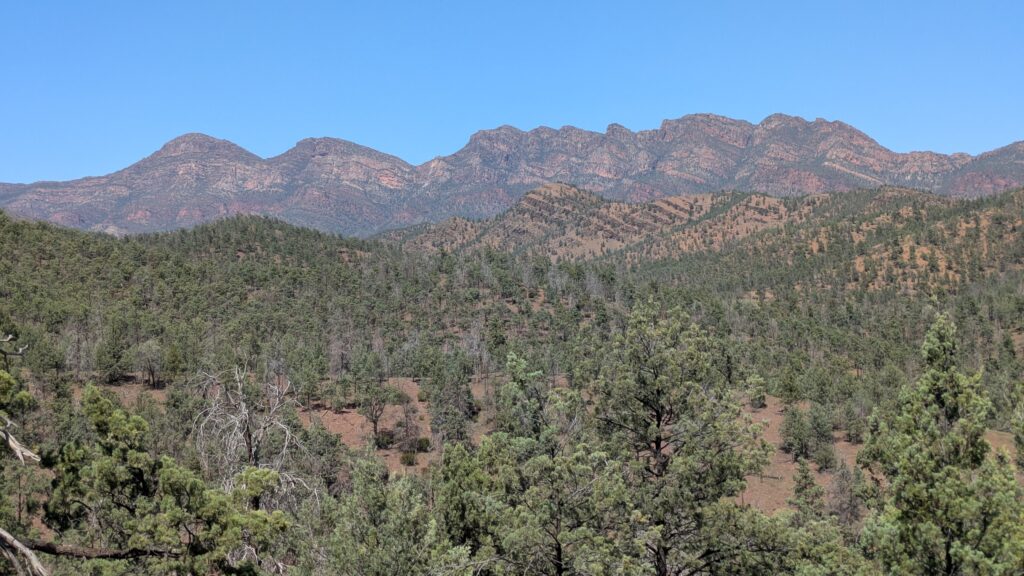
Overheated and overjoyed, we followed the scenic drive south to Wilpena Pound, the park headquarters which featured a small shop and the all important Wi-Fi. After having connected again to the world (why did we bother?) we headed south out of the park and found a sheltered and private spot in the dry Arkaba Creek which provided a perfect spot for the night.
Our time in the Flinders Ranges was always going to be limited due to commitments further down our trail but we loved this visit just like the previous ones and hopefully we’ll make a return trip again sometime.
Comments
The Flinders Ranges — No Comments
HTML tags allowed in your comment: <a href="" title=""> <abbr title=""> <acronym title=""> <b> <blockquote cite=""> <cite> <code> <del datetime=""> <em> <i> <q cite=""> <s> <strike> <strong>