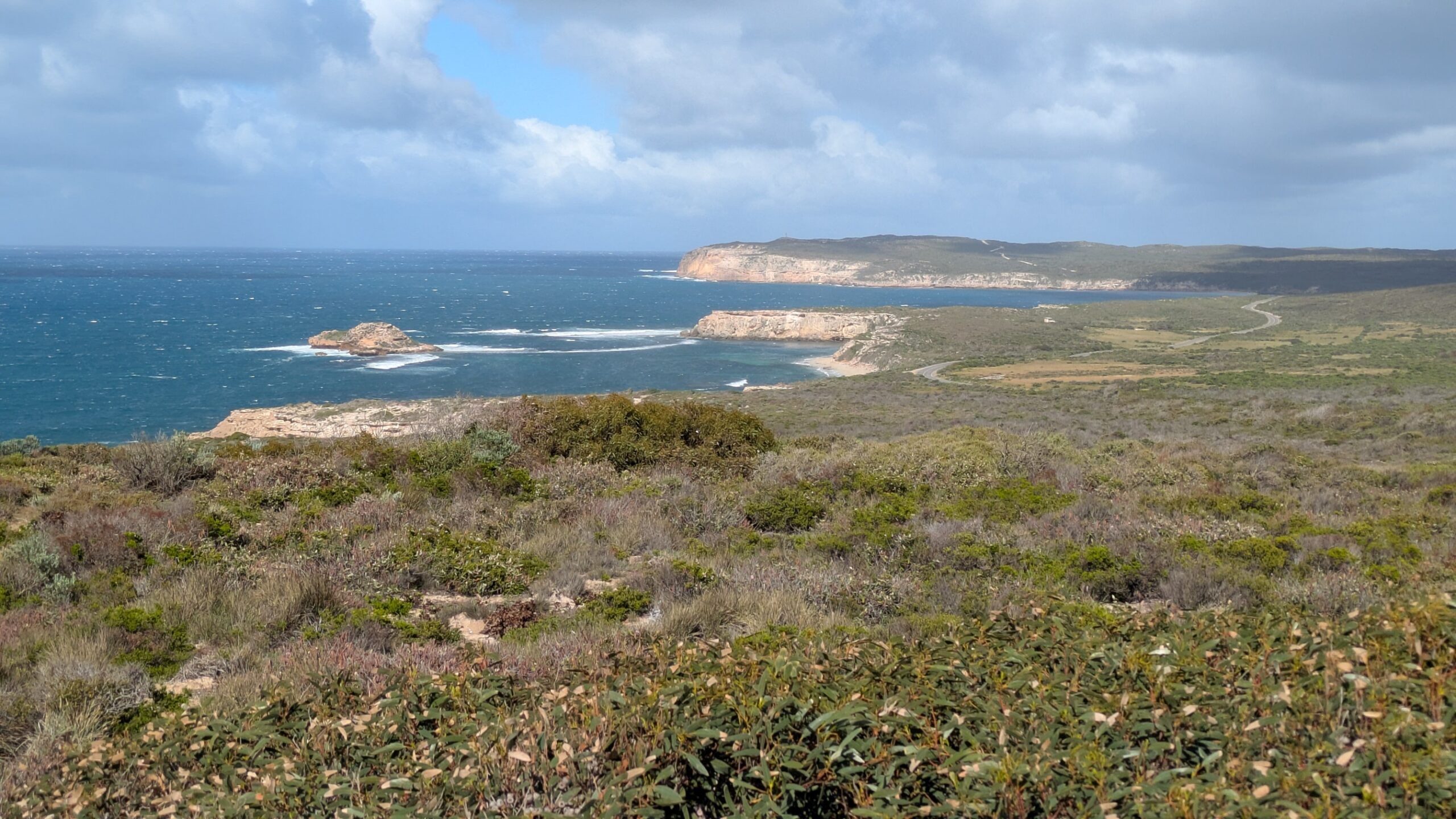
The Yorke Peninsula
No, not the Eyre Peninsula, been there, done that. This state seems to have an over-supply of peninsulas lined up next to each other, each with their own personality and features. Jutting out into the Great Southern Ocean between the Eyre Peninsula and the Fleurieu Peninsula is the Yorke Peninsula, somewhat forgotten and lost in the shuffle of more renowned places. But we were keen to explore this crooked finger of land, it’s coastline and it’s small communities.
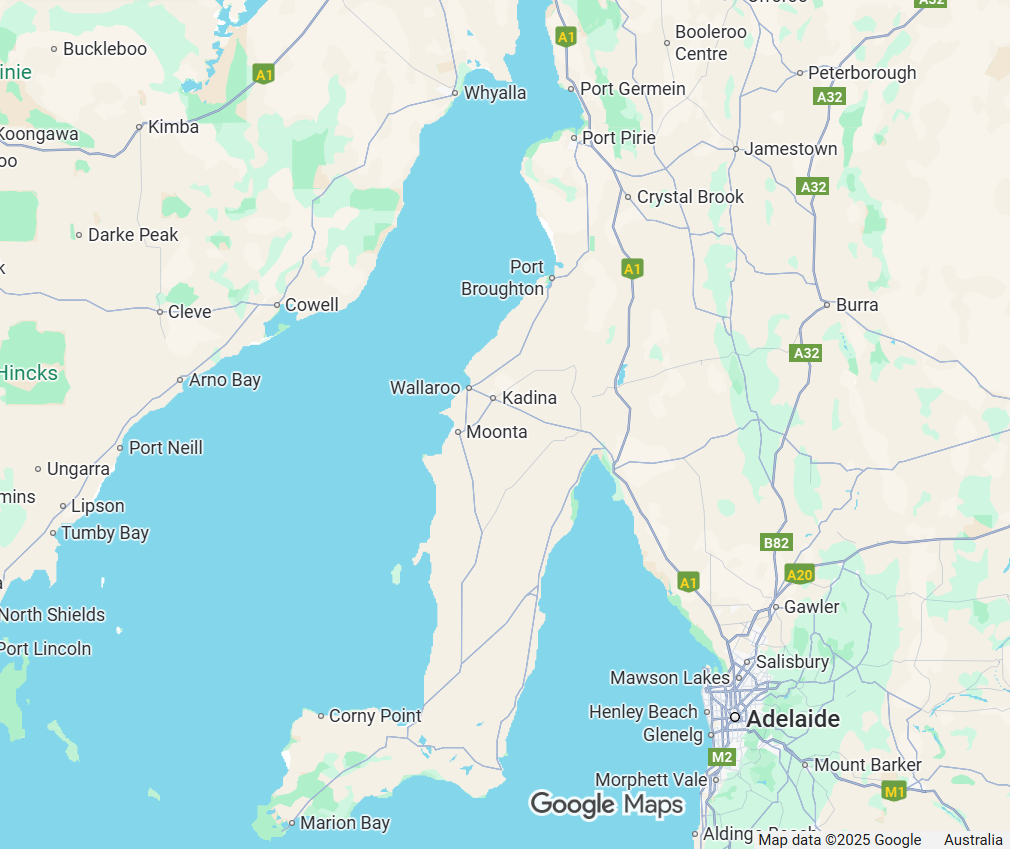
We left the industrious city of Port Pirie on the east coast of the Spencer Gulf and headed south to the Yorke Peninsula and parts unknown. We were in search of quieter rural places and more beautiful countryside plus, secretly, hoping for less wind and less flies. We camped the first night in the recreation grounds of the small community of Alford who has opened their grounds and public toilets for all travellers at no cost. We like that sort of generosity. The cooler temperatures and drizzle also set a different tone.
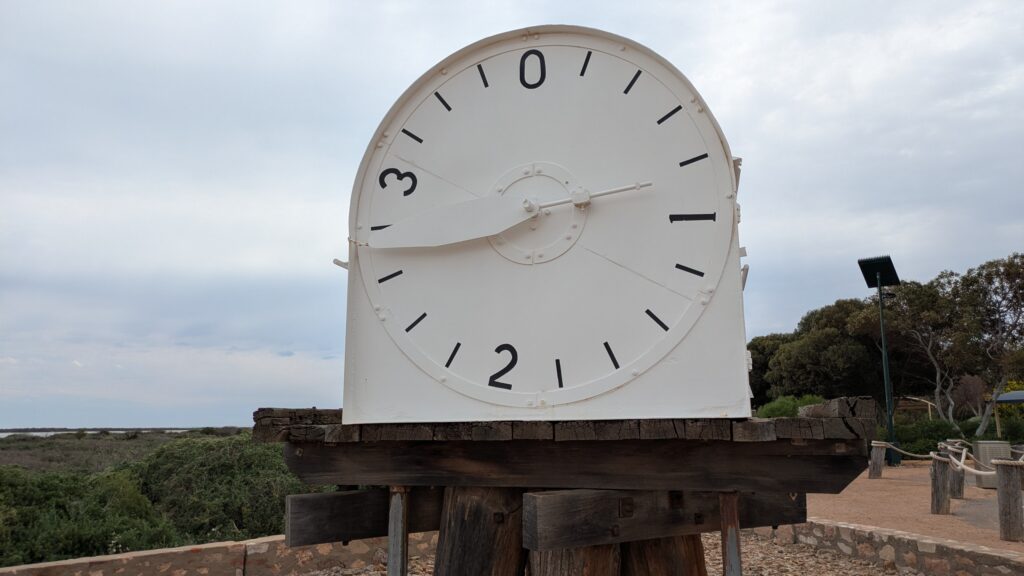
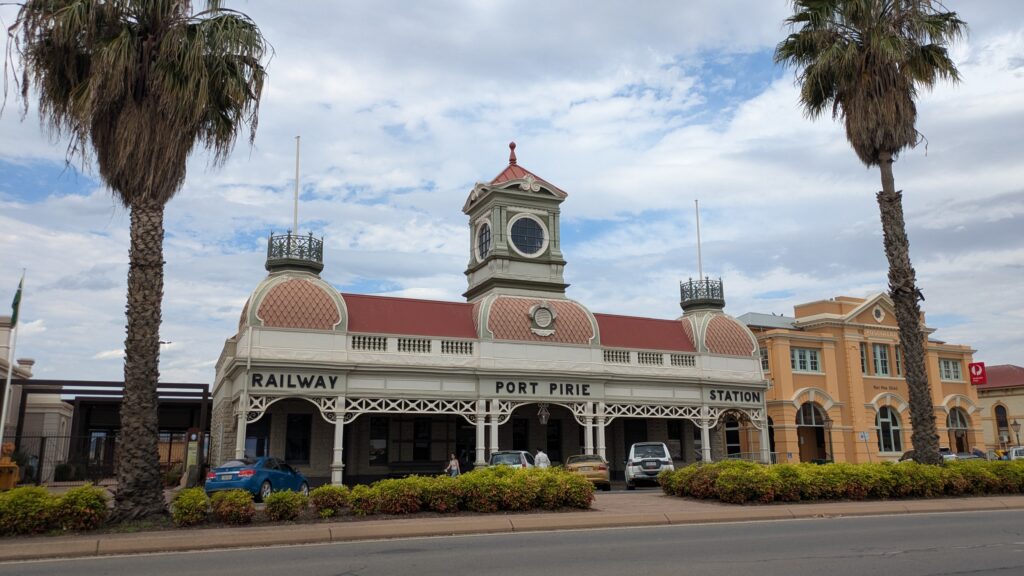
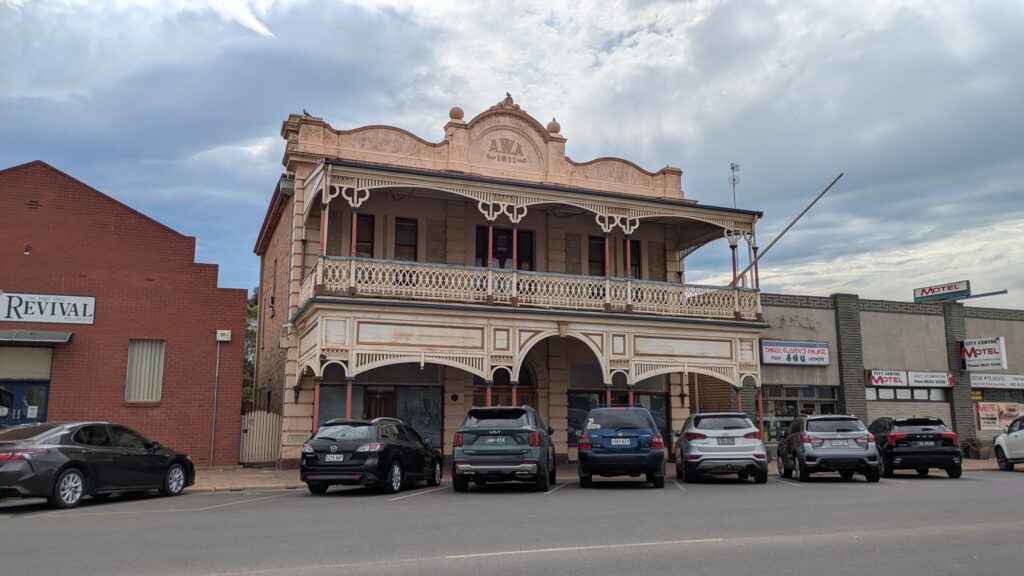
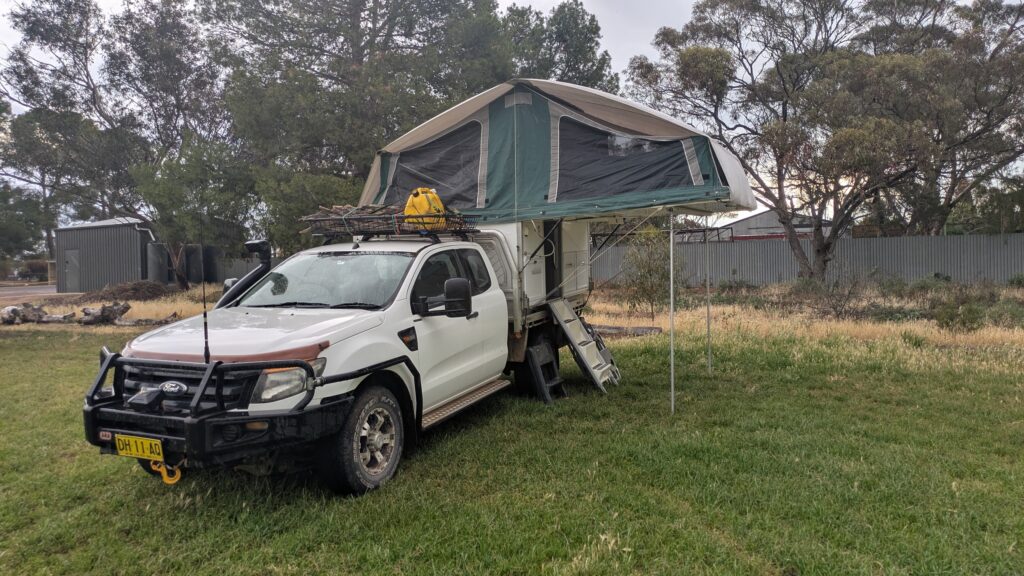
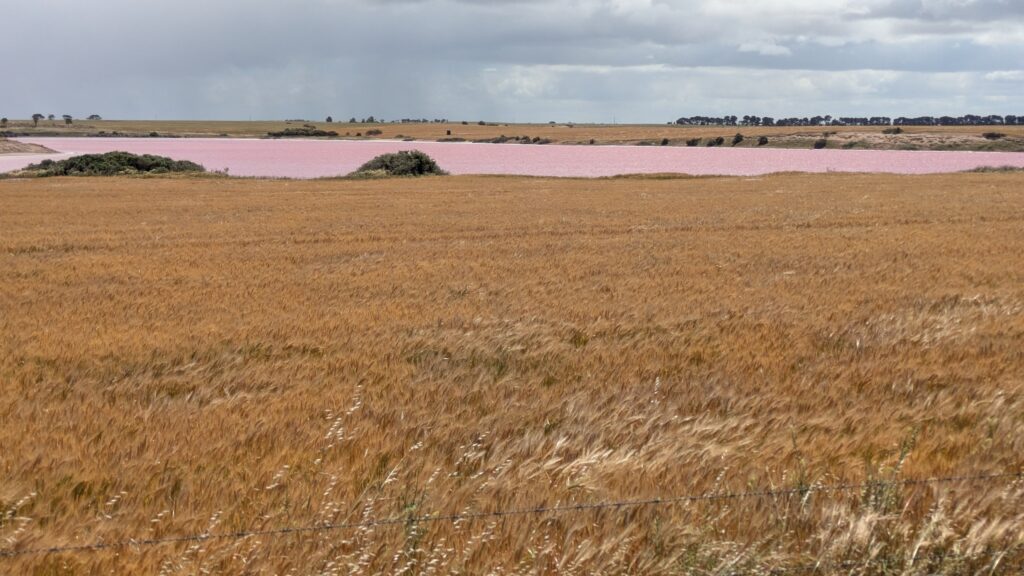
Indeed, the weather took over as the driving feature of the Yorke Peninsula. We woke in Alford to a raging thunder and lightning storm, wind and rain. Perfect. We headed south with grim weather forecast, planning to connect the dots of small communities on the peninsula. And sprinkled between these communities was the ongoing amazing, super fantastic endless rolling fields of grain crops, mainly wheat and barley but also some hay. This is some serious grain-growing land.
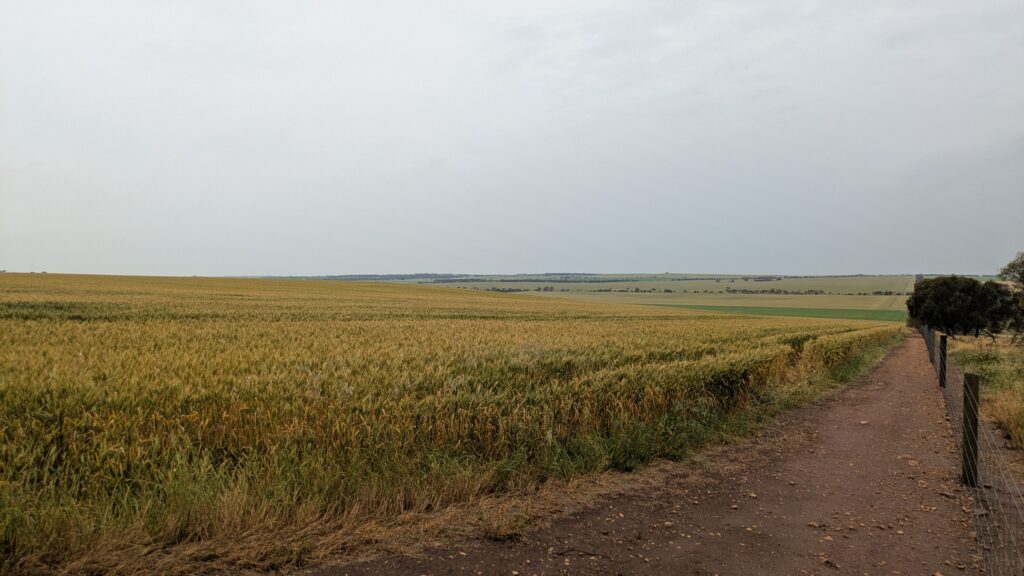
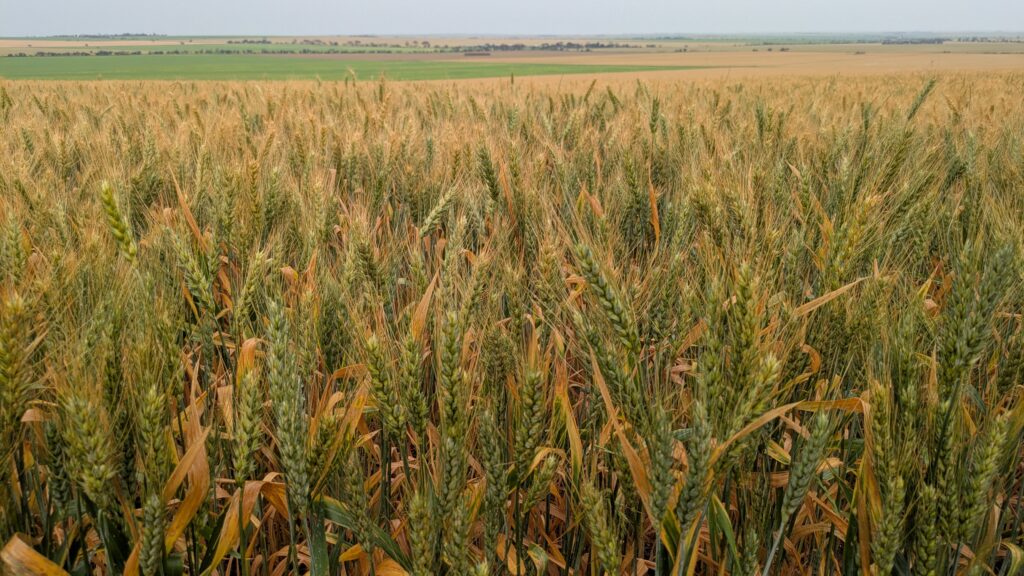
The towns got smaller as we moved further south. We started with Kadina, the largest town on the peninsula and the de-facto capital of this region. At 5,500 people it wasn’t a raging metropolis but we could see it was a very liveable and likeable town. We then moved out to Wallaroo on the coast with it’s 4,000 people; between these towns they are the economic juggernaut of the Yorke Peninsula, such as it is.
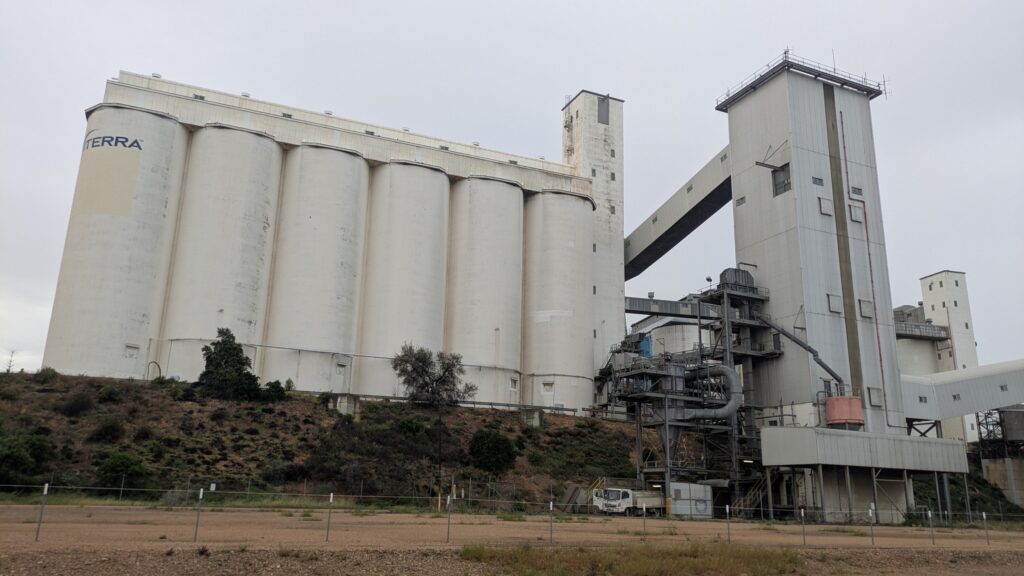
This region has an interesting history in that copper was discovered here in 1861 and hundreds of miners from Cornwall in England migrated here to join the mining frenzy. The town of Moonta, which is as they say, the Cornish Capital of Australia, still has a rich mining and Cornish history. Of course we had to honour that history by hitting a local bakery and trying a Cornish pasty. Yum.
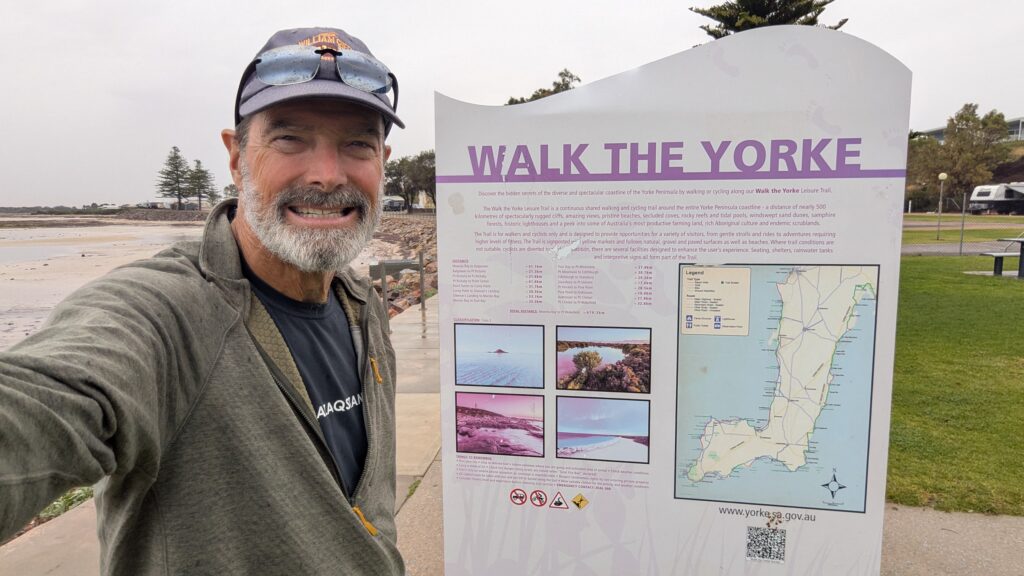
On we trundled under grey stormy skies through more wavy fields of grain, through non-descript Maitland to the town of Minlaton. Minlaton, the self-proclaimed Barley Capital of the World, is also the home town of Harry Butler, a World War I flying ace in Europe who came back to Australia and amongst other things, in 1919 flew the mail from Adelaide to the Yorke Peninsula, thereby being the first air mail service over open water in the southern hemisphere. You read it here first.
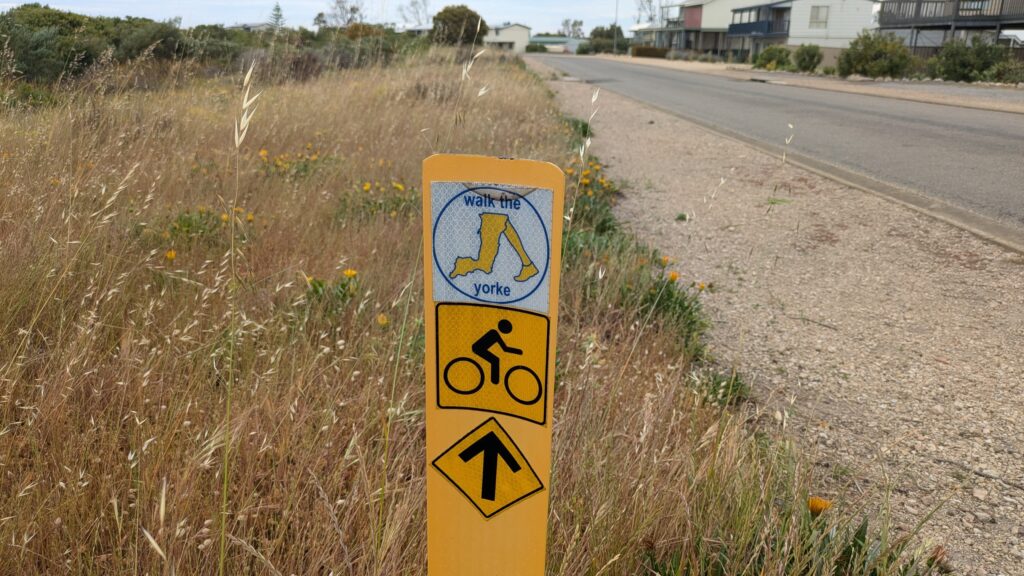
From Minlaton we headed to the west coast and followed a series of paved and dirt tracks that hugged the coastline around the blunted tip of the peninsula. We visited the historic Corny Point Lighthouse and impressive Gym Beach. But the wind was howling like a son of a gun and there was no way we wanted to camp in these conditions so we headed to the tip of the peninsula and the Innes National Park where we found a semi-protected spot near the beach. It still blew and rained off and on all night.
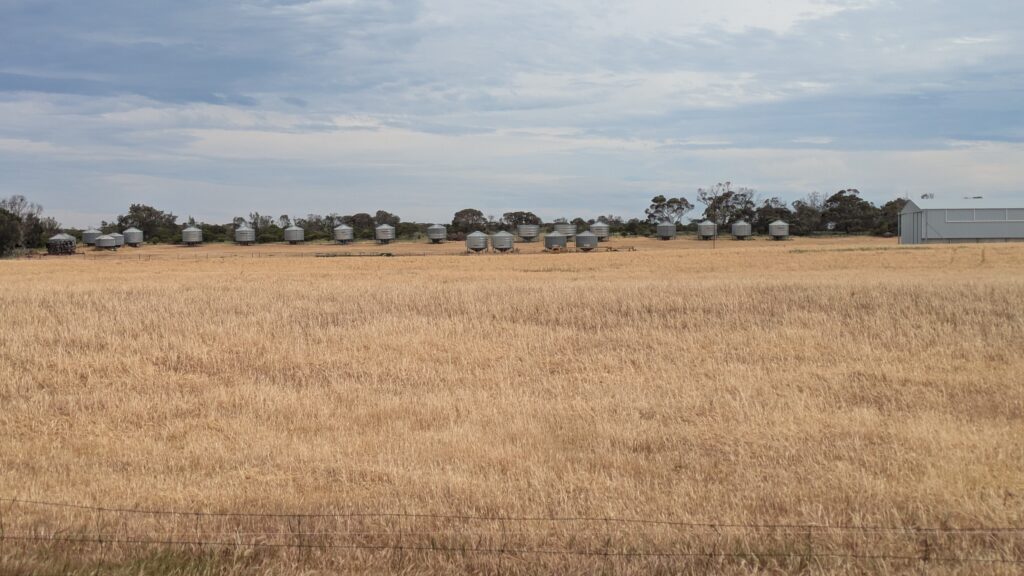
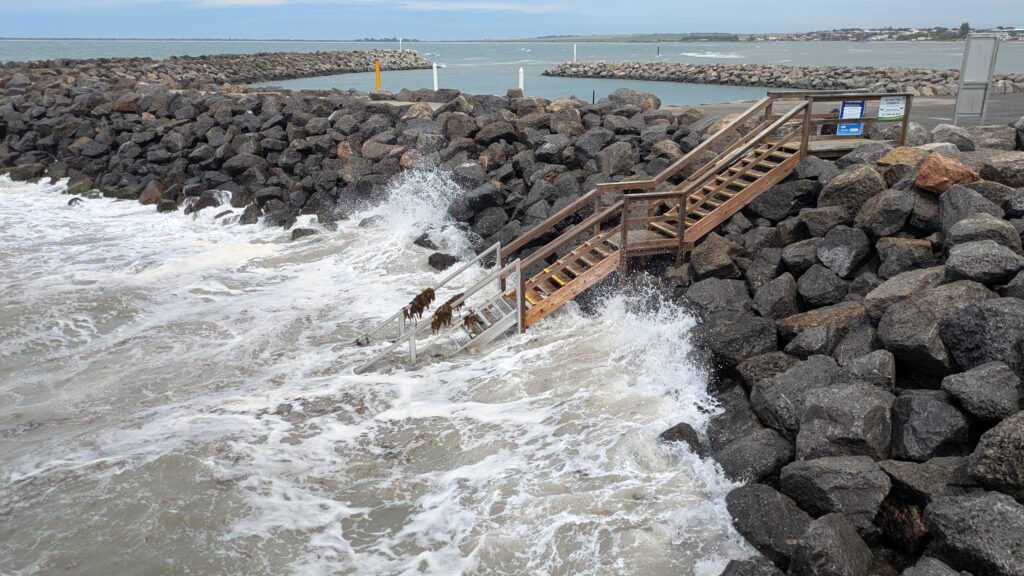
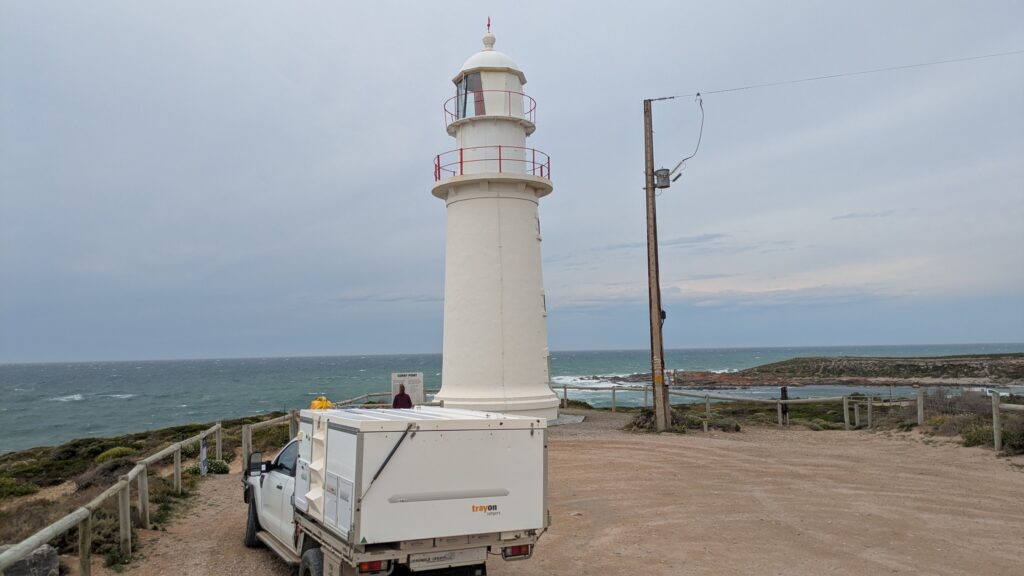
So far we could summarise our impressions of the Yorke Peninsula as we haven’t been overwhelmed by the place but it has a nice rural and small town charm to it. And if you’re into barley or Cornish pasties, book your ticket now.
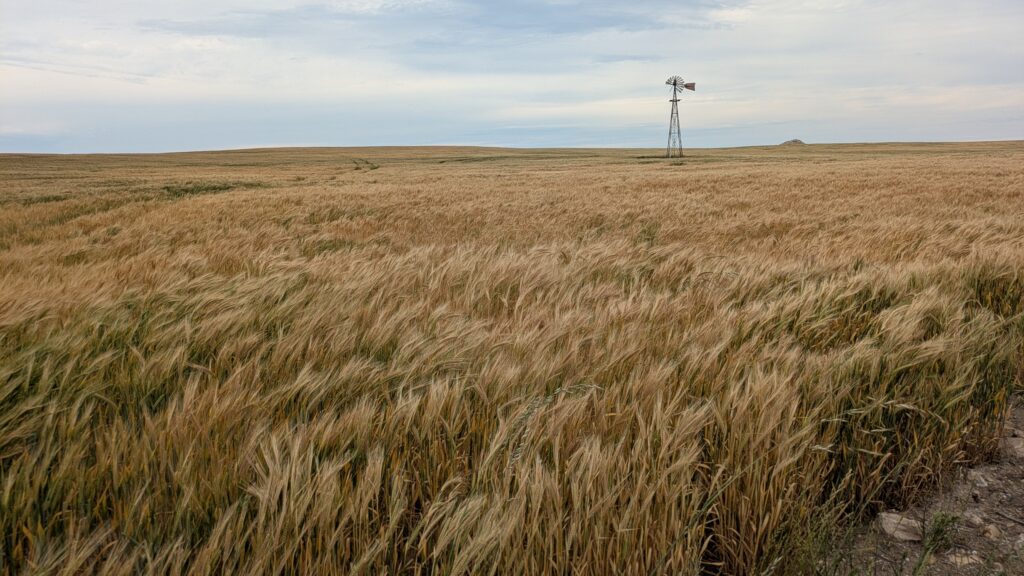
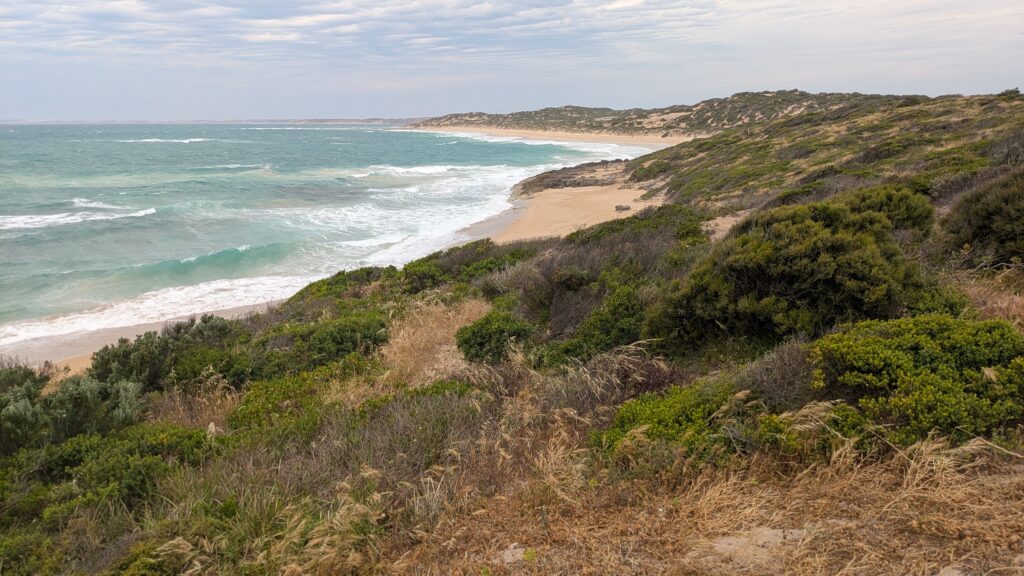
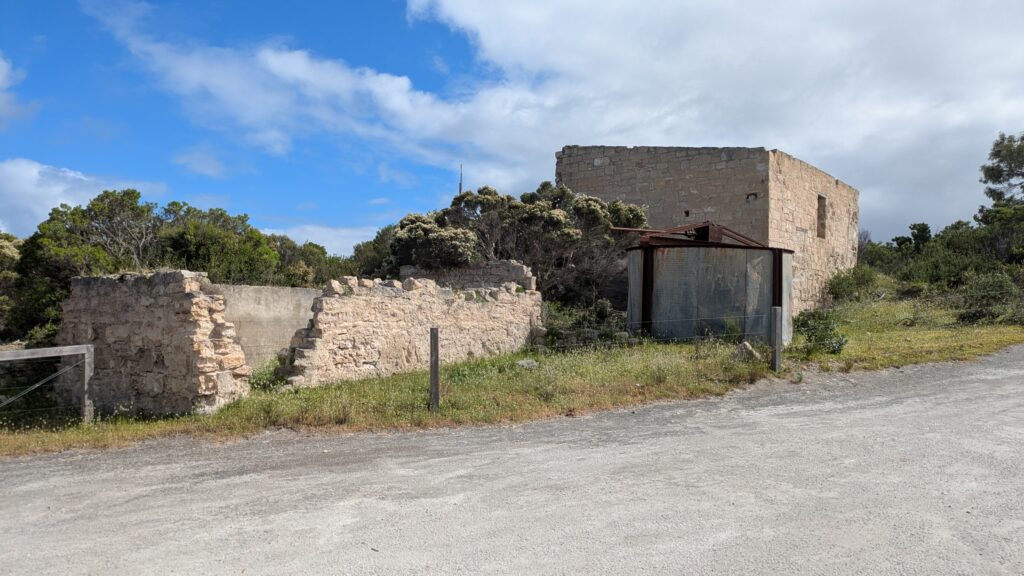
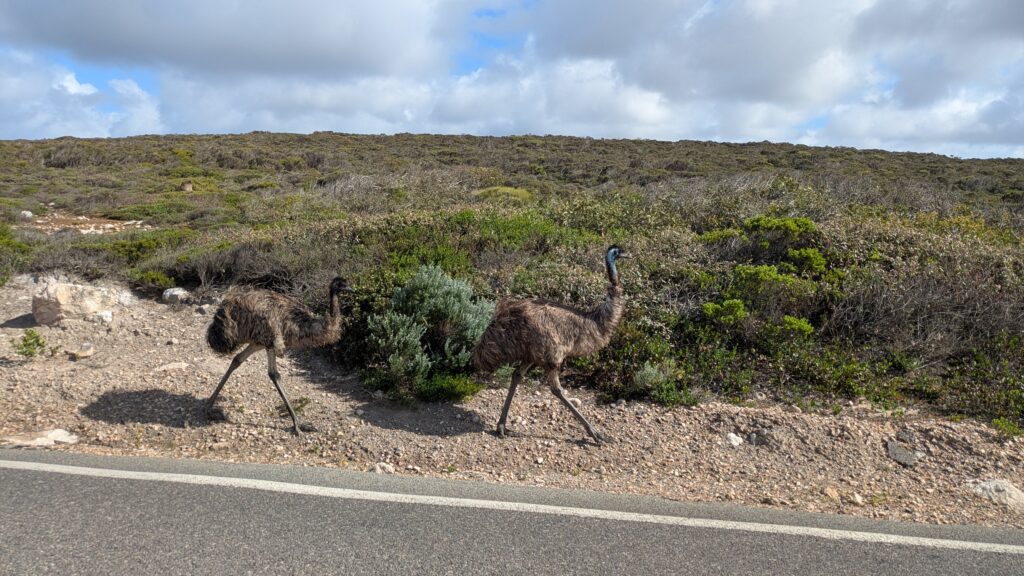
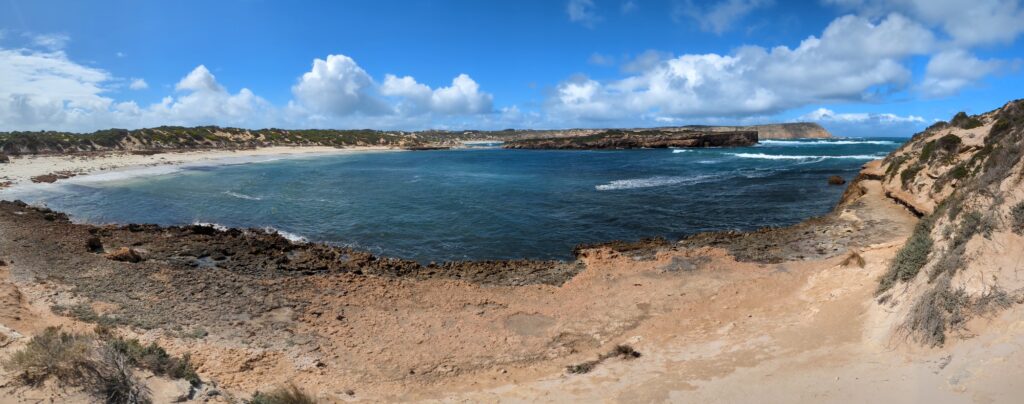
Innes National Park covers the tip of the peninsula, a wild wind-swept place with low lying coastal heath, exposed beaches and high cliff lines, some sporting lighthouses. There were the remains of the old mining community of Inneston which briefly flourished 100 years ago as they mined gypsum from the nearby shallow lake. The coastline was raw and featured untouched beauty, especially in the howling wind and intermittent rain we enjoyed while we were there.
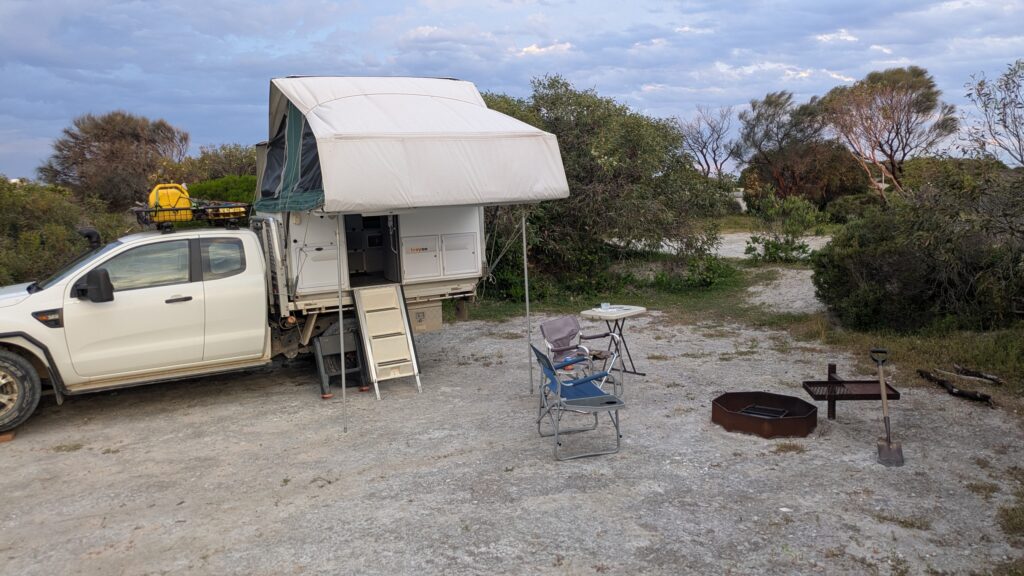
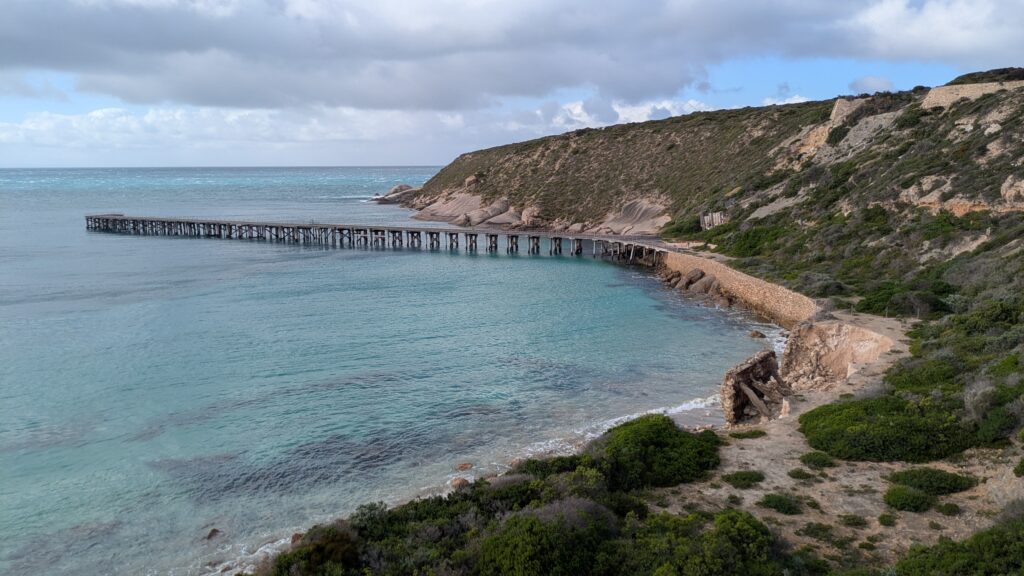
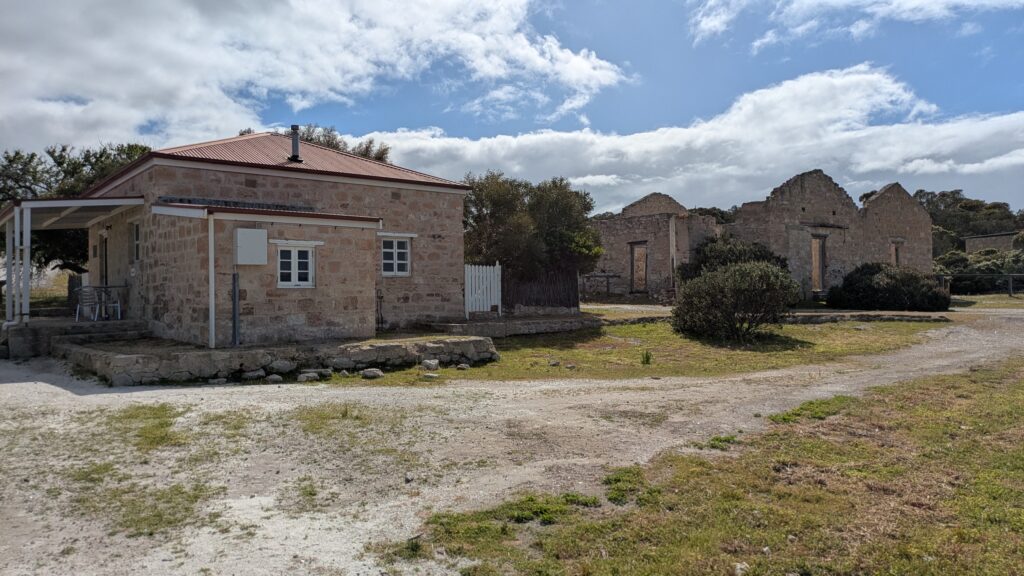
In Yorketown we refuelled Wanda and ourselves, had showers at a friendly caravan park and moved to the east coast of the peninsula where we roughly followed the main road all the way to Port Clinton where we stopped for the night.
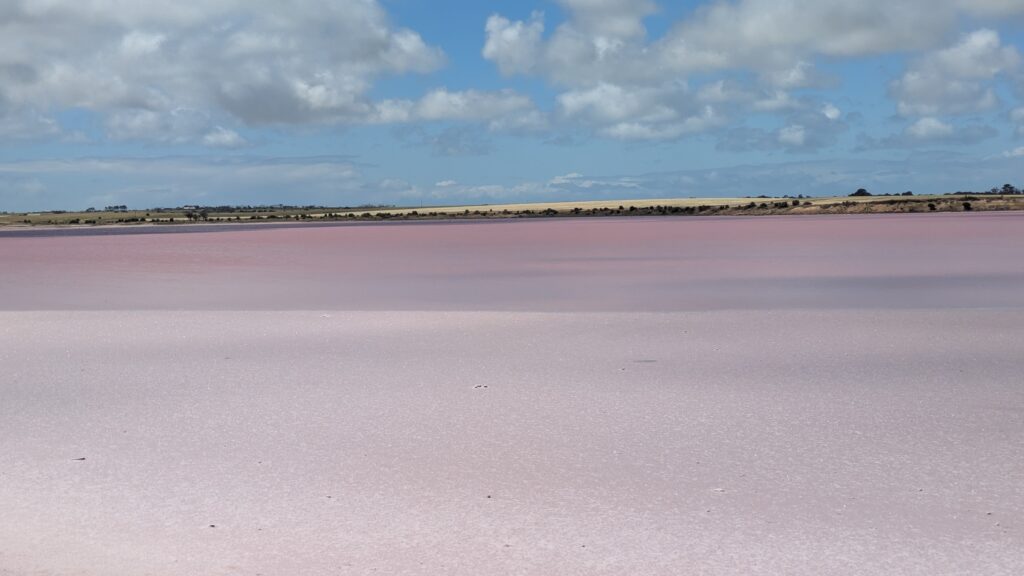
Along the way we pulled into many nice little communities like Stansbury and Port Vincent, and other less impressive smaller spots like Port Julia and Black Point. The first two have maybe 500 people, the latter two less than 200. Larger inland towns like Yorketown and Maitland, both around 1,000 people, are more focused on supporting the vibrant farming community.
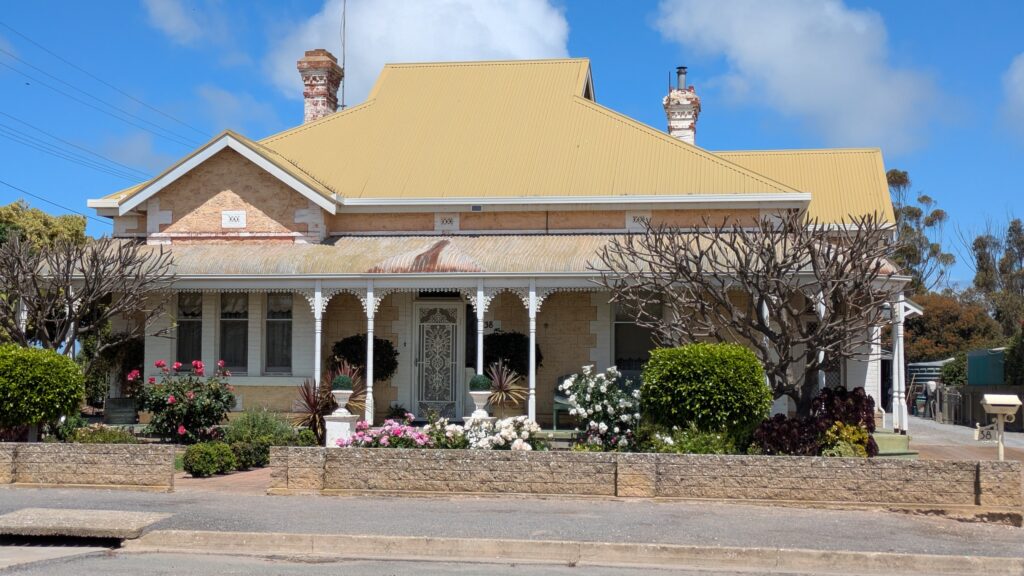
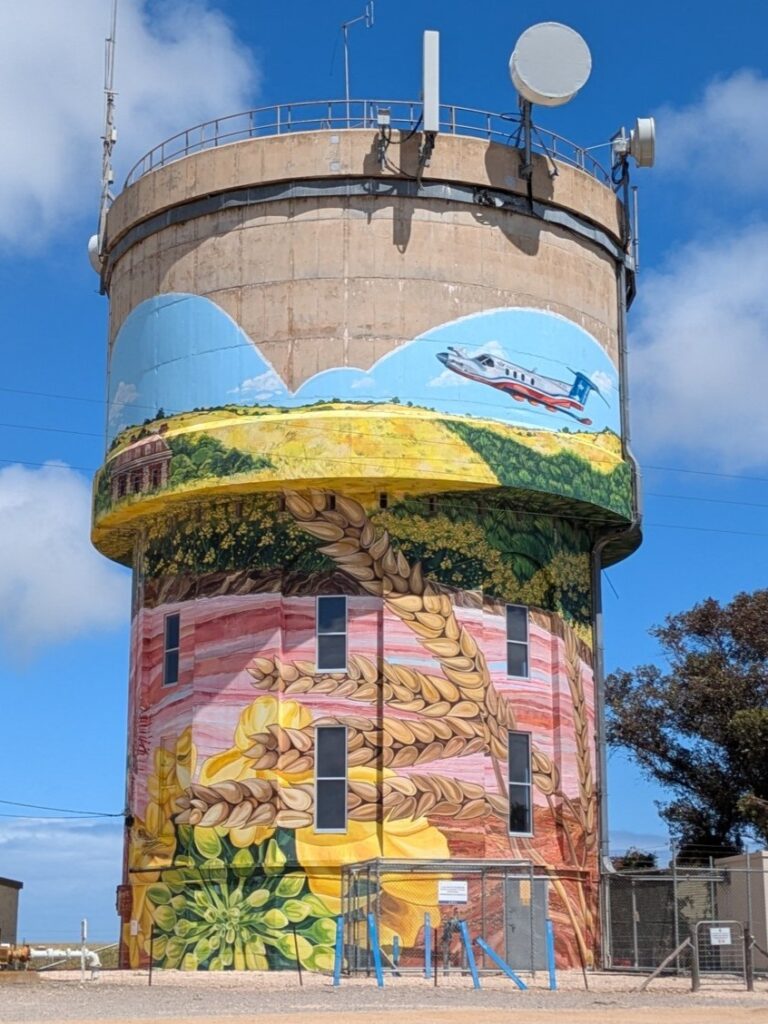
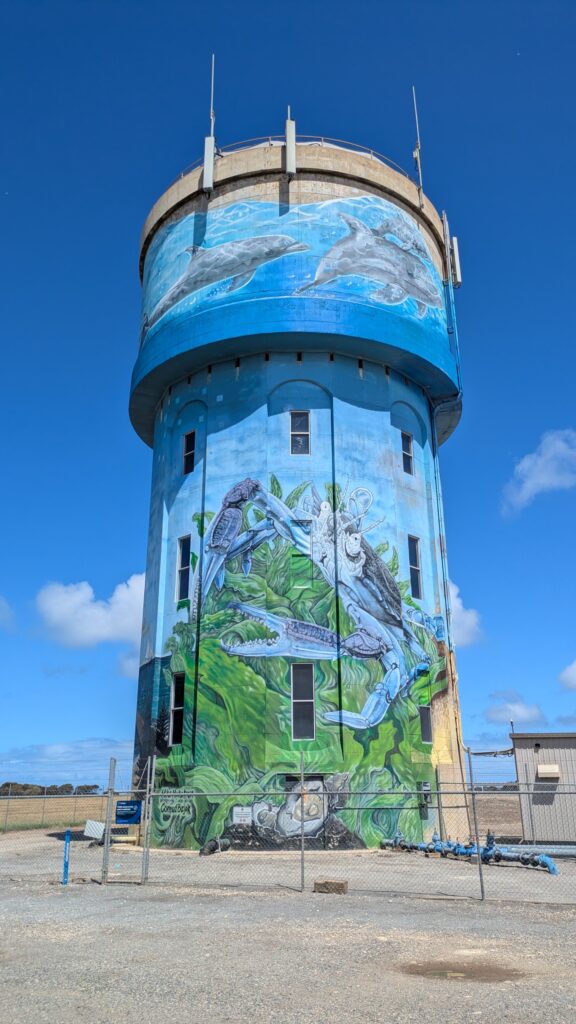
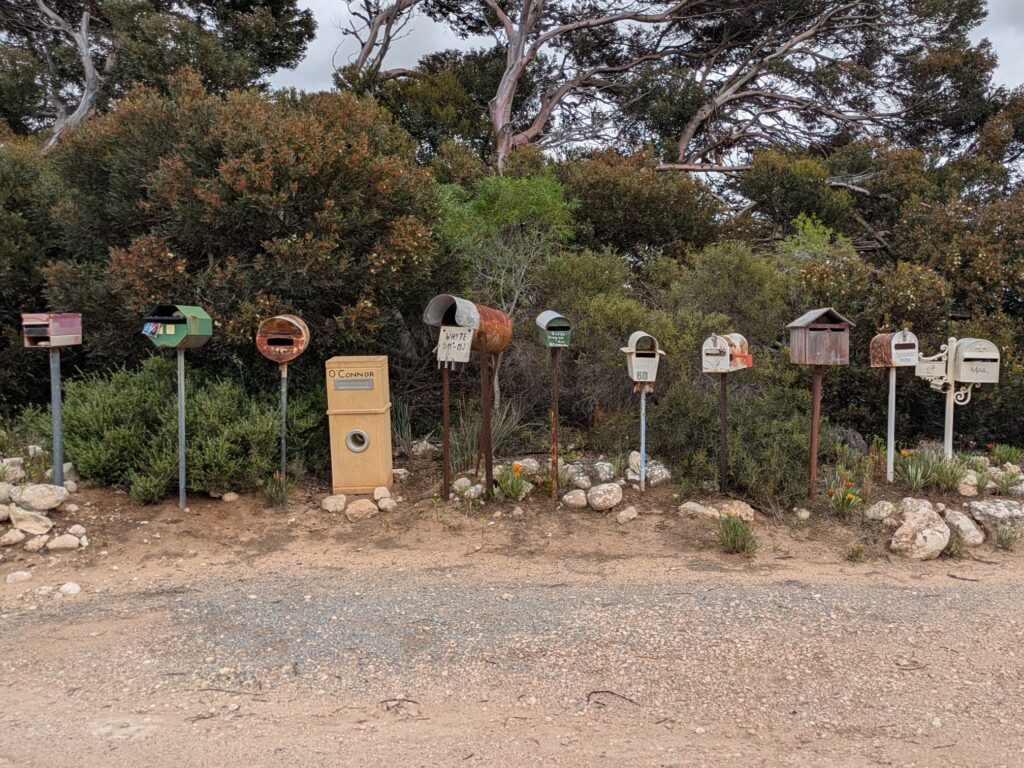
Most of these towns survive, if you could call it that, through the holiday homes that are owned by people from Adelaide and surrounding areas. Julie and I didn’t quite get it – the beaches weren’t great, the little holiday communities had very little to offer and the weather seemed iffy. I guess beauty is in the eye of the beholder.
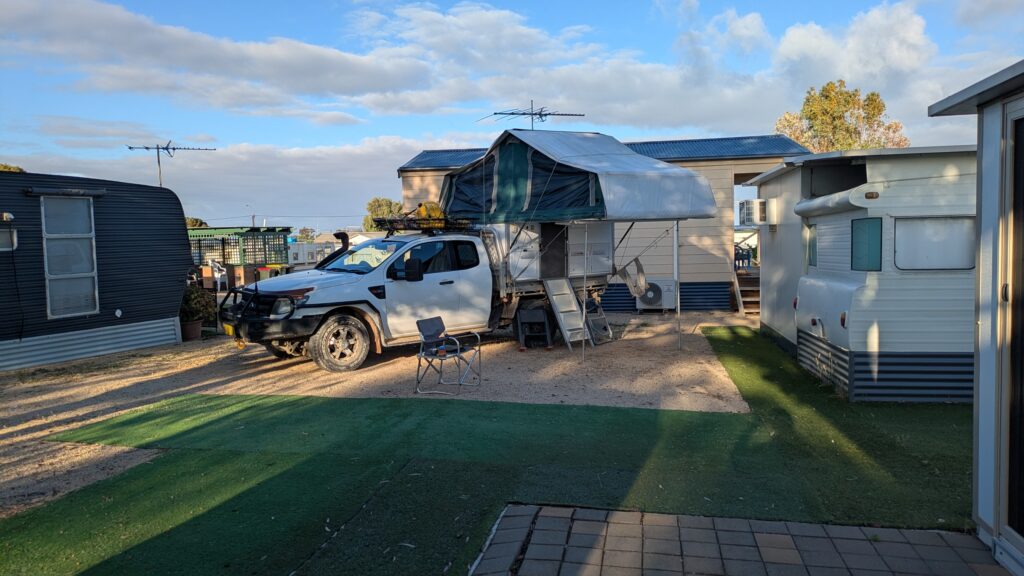


These are a sample of the modest holiday cabins in the caravan park, each with their own personality, that are owned by people from the Adelaide area
The next day the blue skies resumed their dominant position and we drove up the coast to Port Wakefield before rounding the top of the St. Vincent Gulf and heading south to our next peninsula in what seems like our South Australian Peninsula Tour. We jumped on the four lane divided highway, something we hadn’t seen since we left Sydney, and by late afternoon set up camp in a beautiful campground in Deep Creek National Park near the tip of the Fleurieu Peninsula.
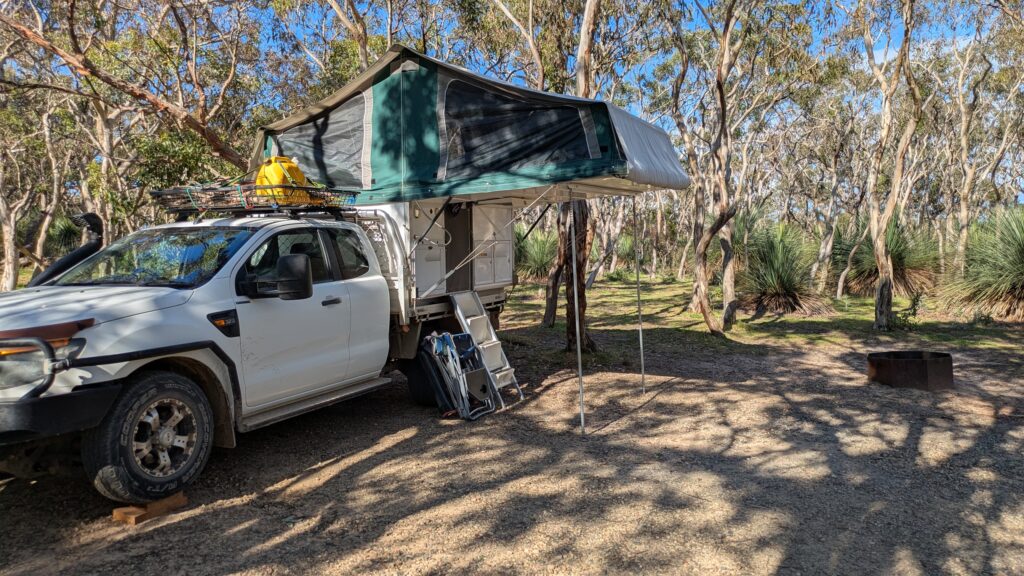
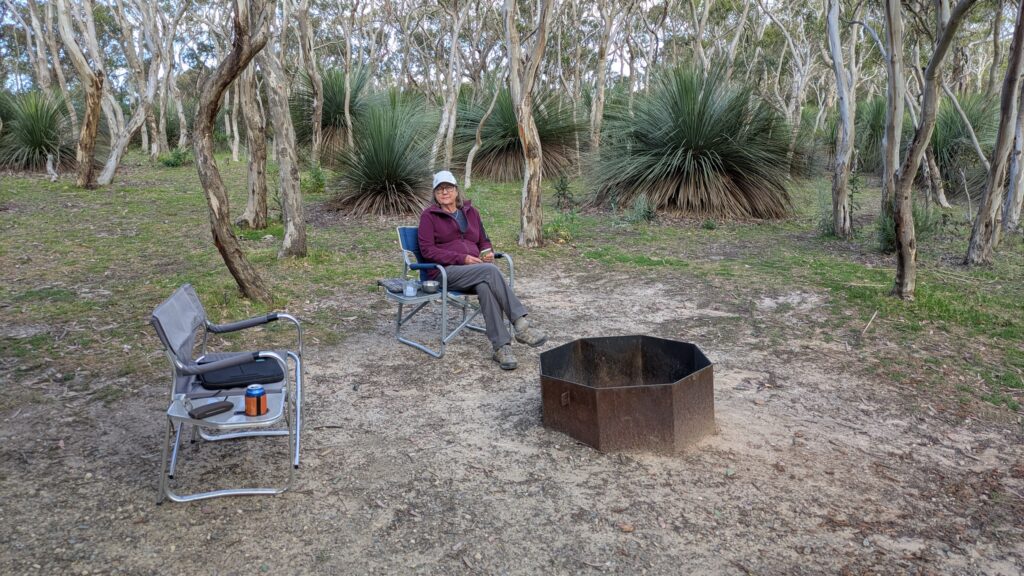
The Yorke Peninsula’s appeal was a bit more subtle than other places we visited but we gained a better understanding of grain farming in South Australia and how life operates in these small distant communities. Our time on the mainland was coming to an end, at least for a little while, as we got ready for our next adventure.
Comments
The Yorke Peninsula — No Comments
HTML tags allowed in your comment: <a href="" title=""> <abbr title=""> <acronym title=""> <b> <blockquote cite=""> <cite> <code> <del datetime=""> <em> <i> <q cite=""> <s> <strike> <strong>