
The Gobi Desert
In the vast stretches of southern Mongolia and northern region of China is one of the largest and most inhospitable places on earth – the Gobi Desert. The Gobi runs for 1600 kilometres from east to west and is called a cold desert as snow occasionally falls on the sand dunes and 150mm of rain per year can fall in some places. It is a wild and forbidding place and we were camped on the edge of it, ready to dive in.
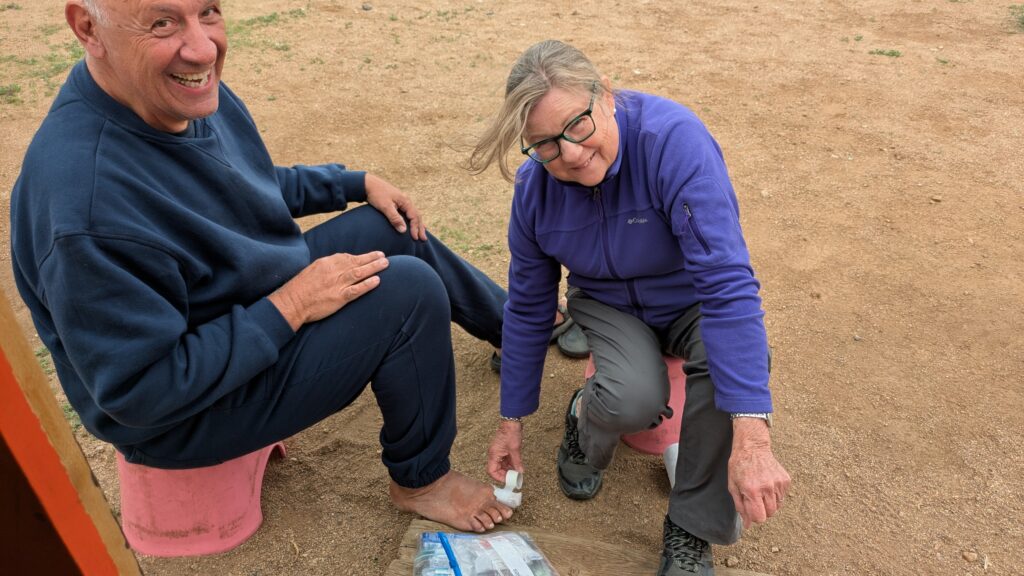
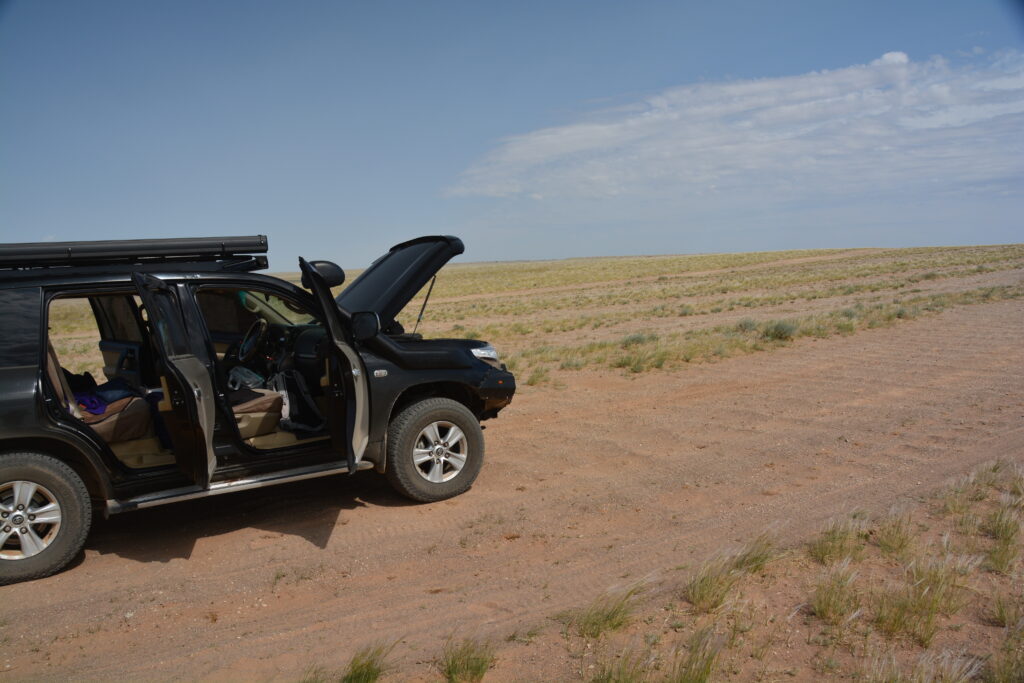
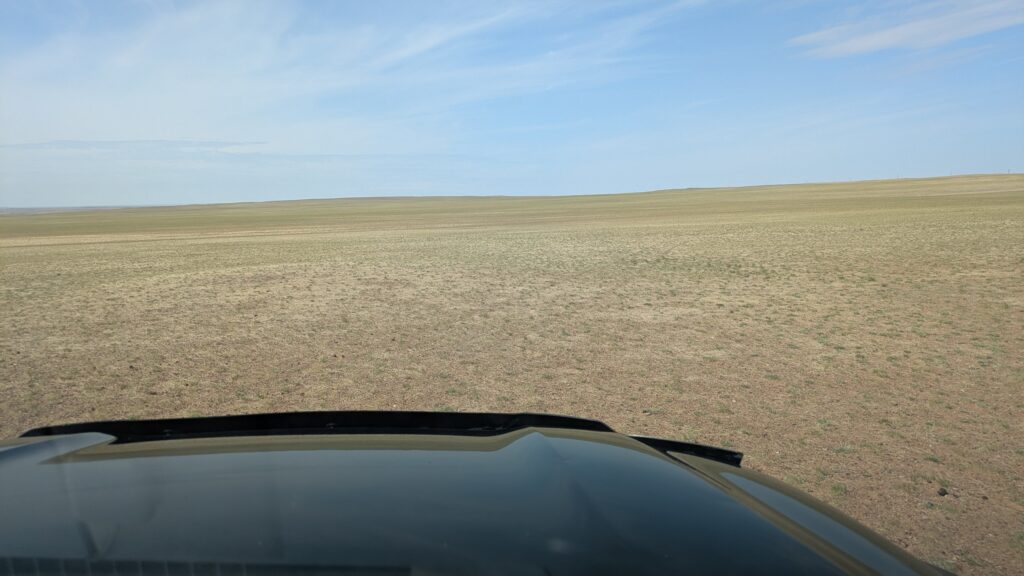
We started the day further north in a ger run by a local family, a light rain having fallen the night before and a cold biting wind keeping us rugged up in the morning. As Dashca drove across the grassy green steppe, having to constantly choose which track to take as they crisscrossed the open plains, we started to get a sense of how wide open and uninhabited this land is. There were many herds of semi-wild horses, or sheep and goats, feeding off the late spring grasses but very few signs of humans.
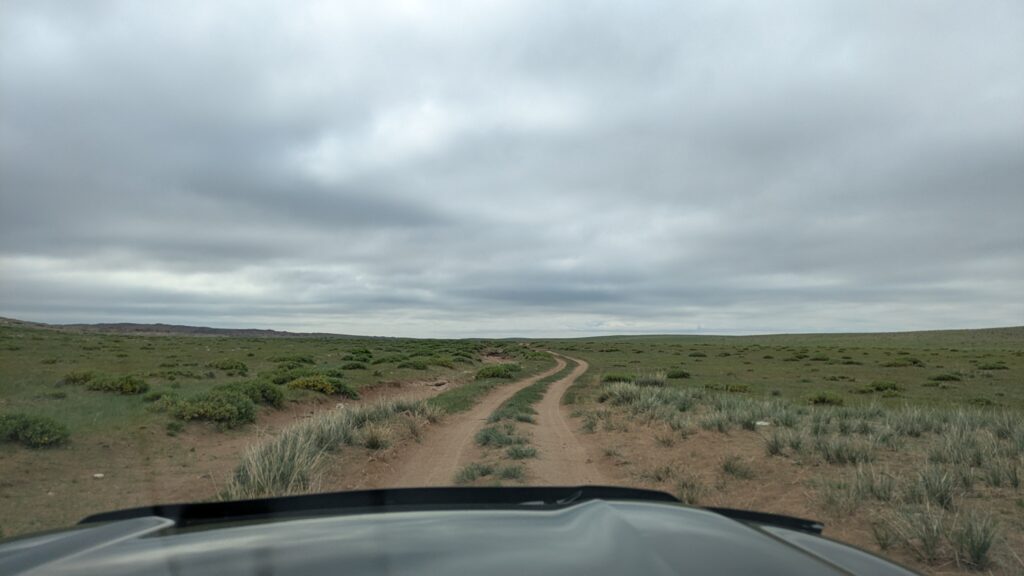
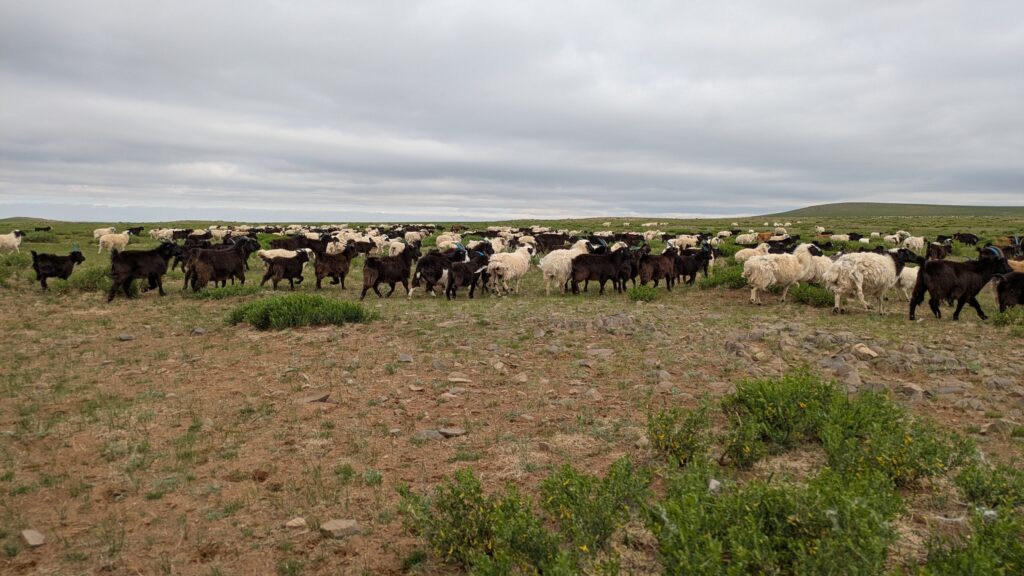
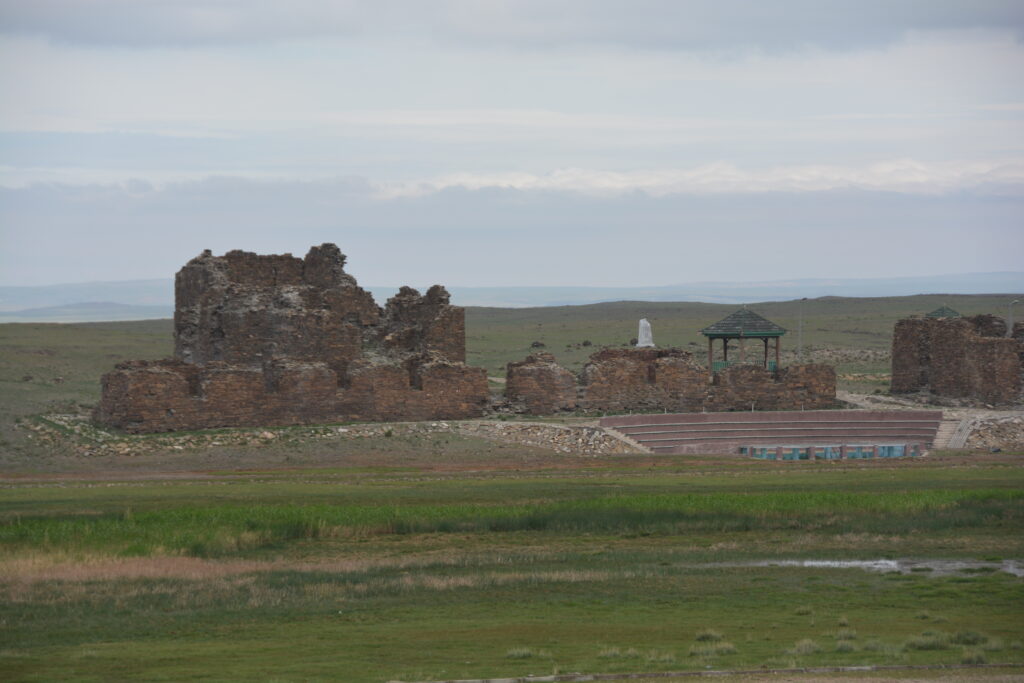
We couldn’t figure out where we were going, and it seemed Dashca couldn’t either by the constant redirections he took, but eventually we came to the ruins of an ancient Buddhist temple, seemingly lost and forgotten in the middle of nowhere, and after a two-minute stop we pushed on to destinations unknown. Because Dashca was a man of few words and those words were exclusively Mongolian, and because we were offline so couldn’t use Google Translate, we never really knew what was happening next.
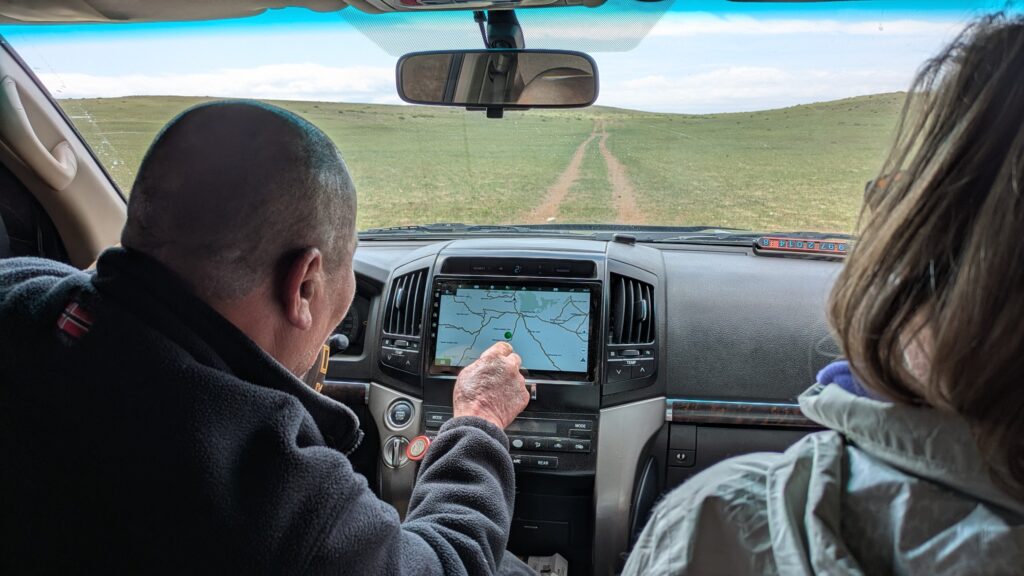
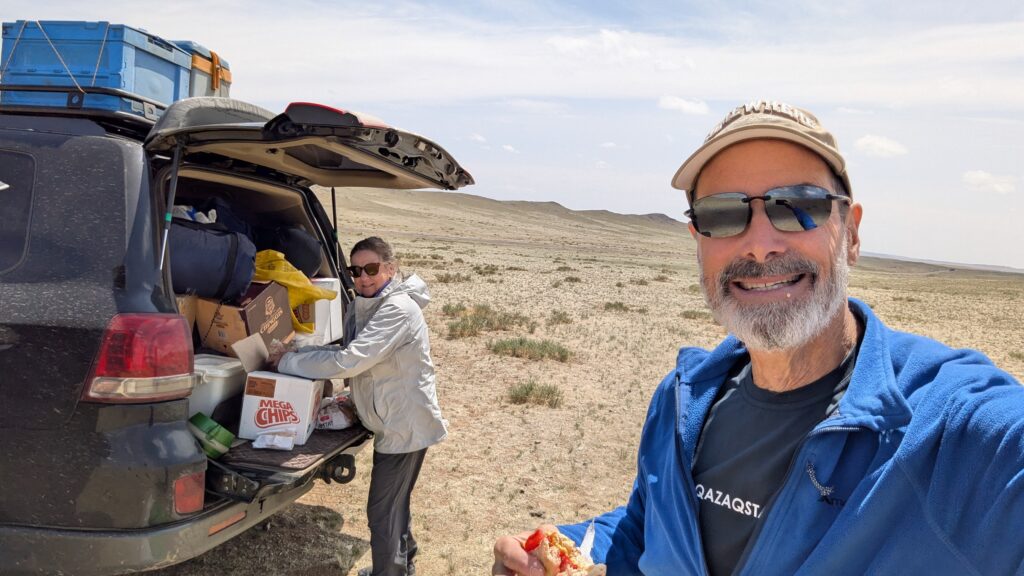
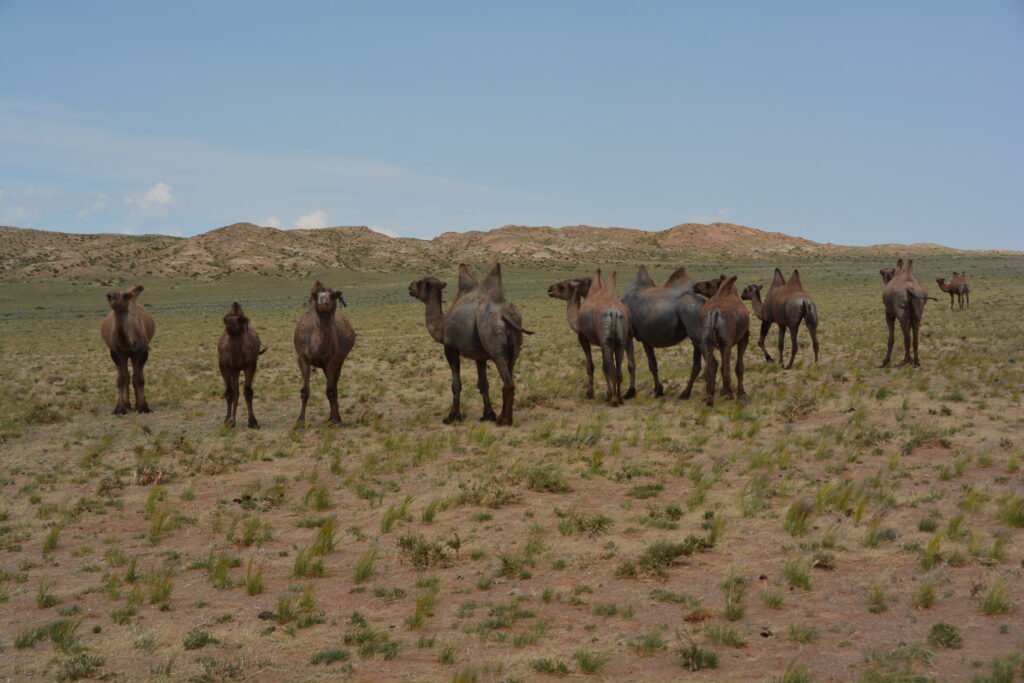
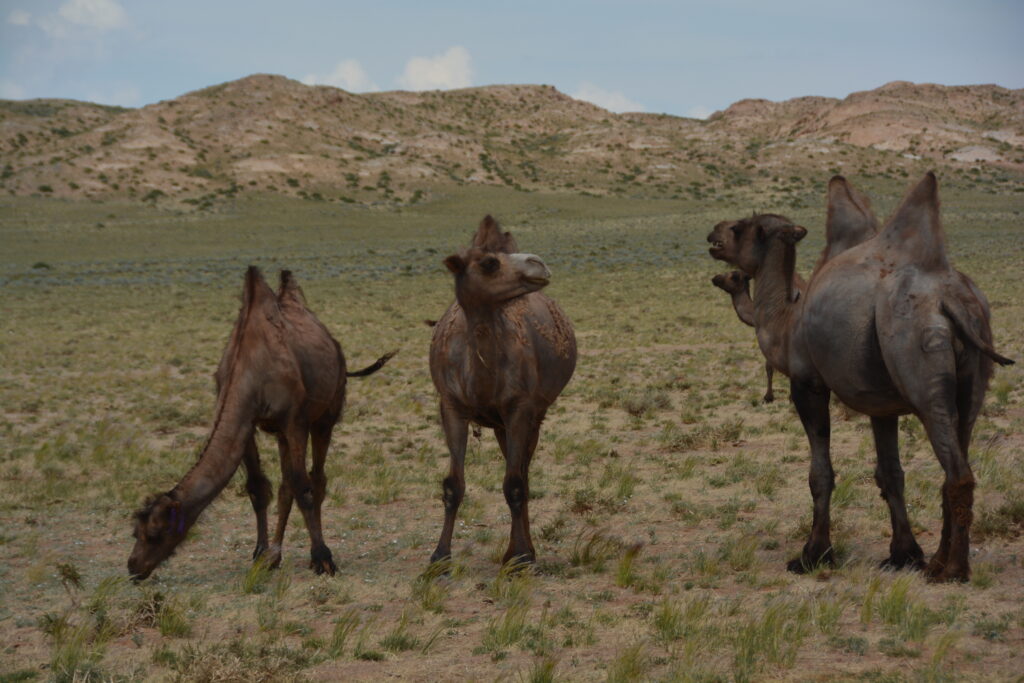
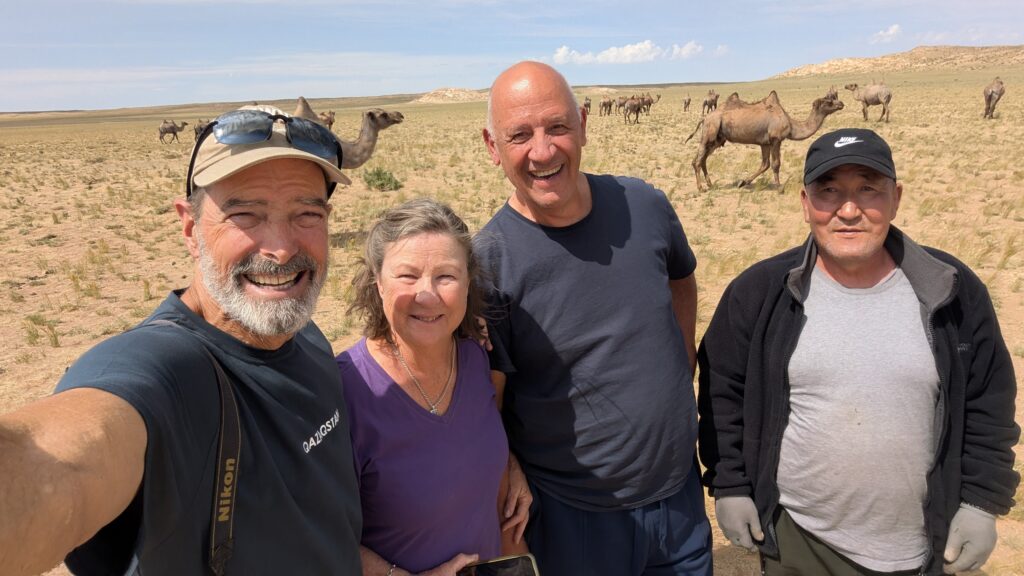
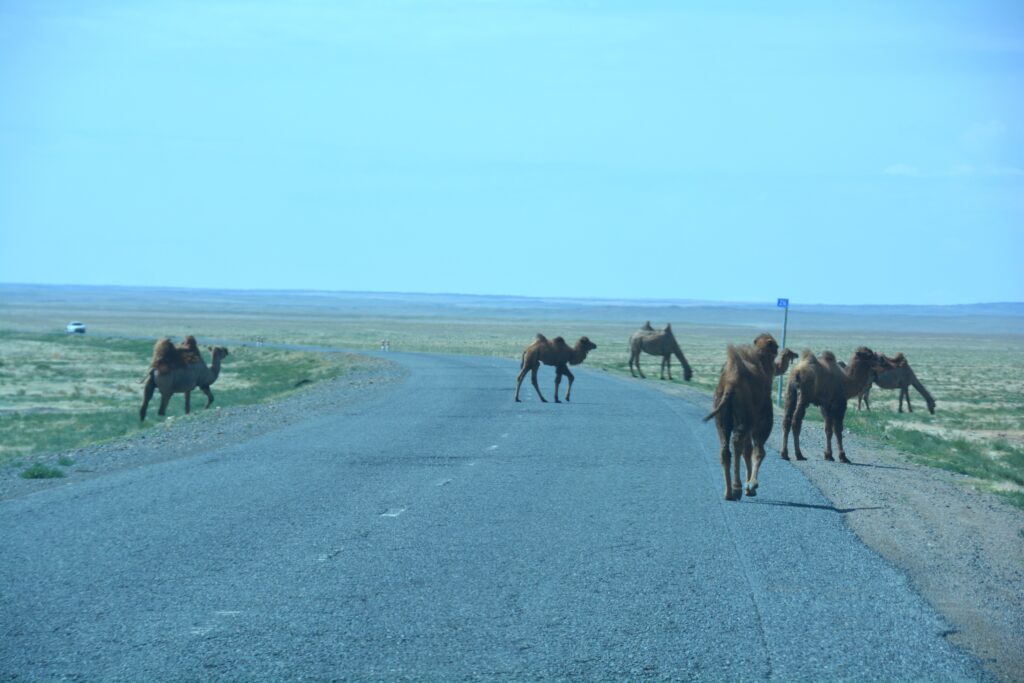
By mid-day he had managed to find the paved road again, for which he received a round of applause, and we headed further south, stopping for lunch and then ever onward. Once again we headed off on a dirt track to what we knew was referred to as the White Cliffs but along the way we came across a herd of around 150 wild (or maybe wildish) camels that didn’t mind our presence one bit.
The White Cliffs was a dramatic stretch of about 400 metres of cliff line that dropped 60 metres or so, exposing all sorts of weird and wonderful shapes and colours that were formed by water, wind and the passage of time.
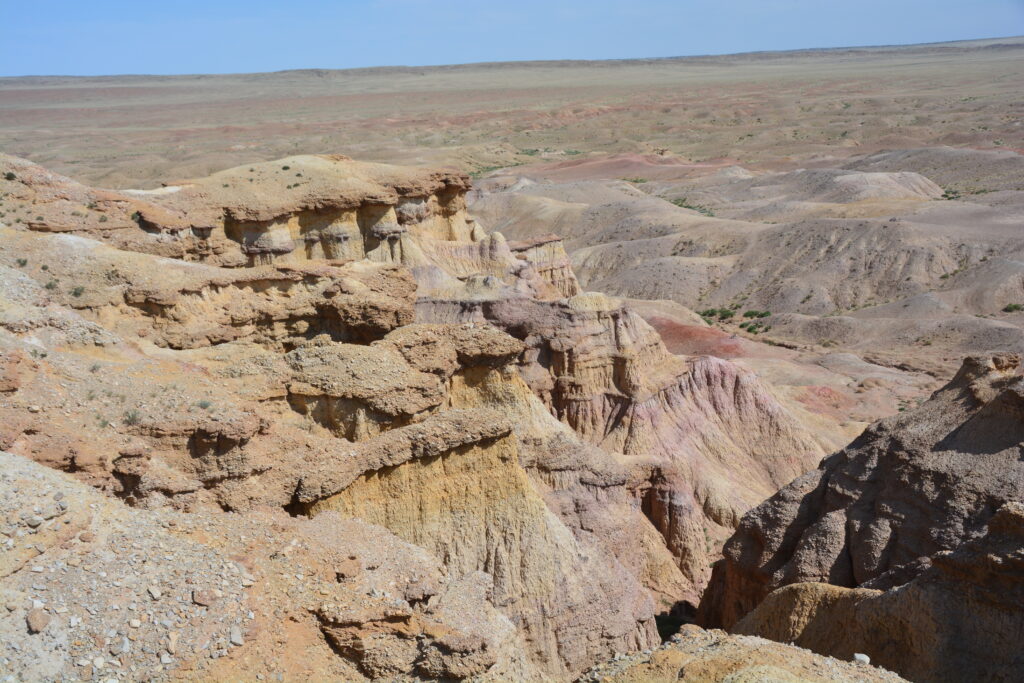
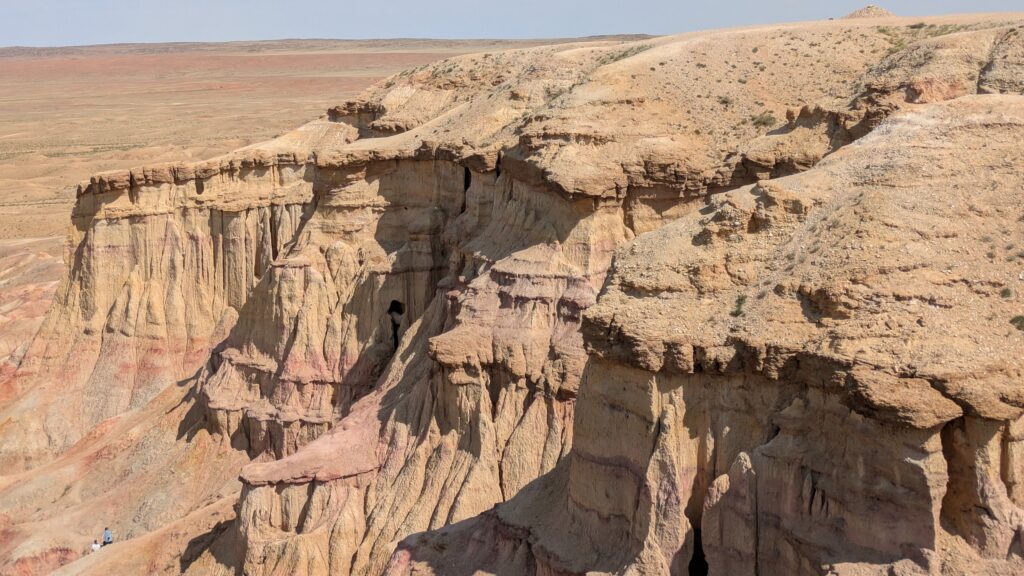
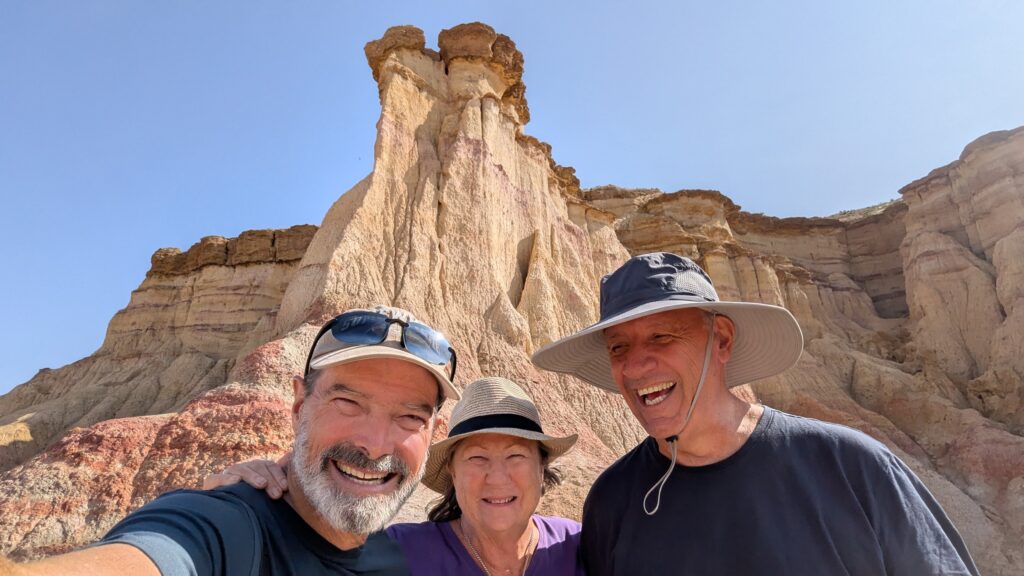
We explored them from the top and the bottom before heading off to a nearby family ger where we pitched our tents nearby for our first night camping. It took us a while to sort out all the hired camping gear but Julie whipped up another scrummy dinner and we relaxed over the sunset and the rare Strawberry Full Moon. Not too shabby.
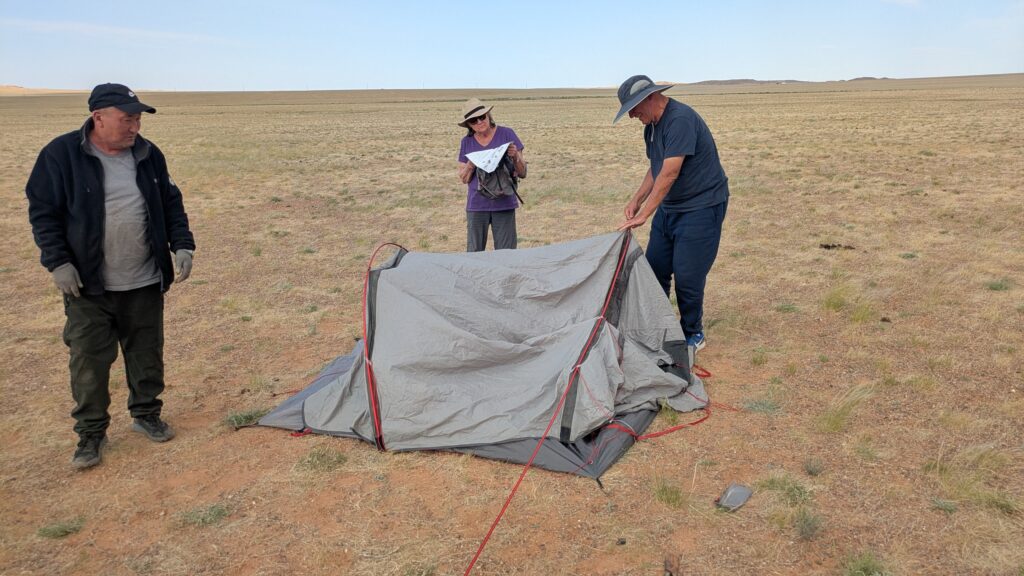
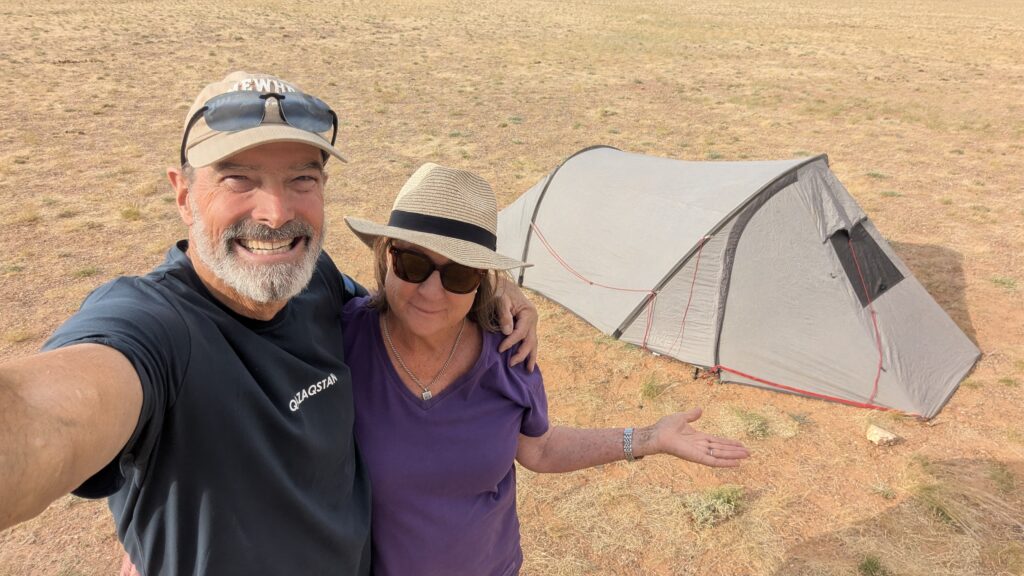
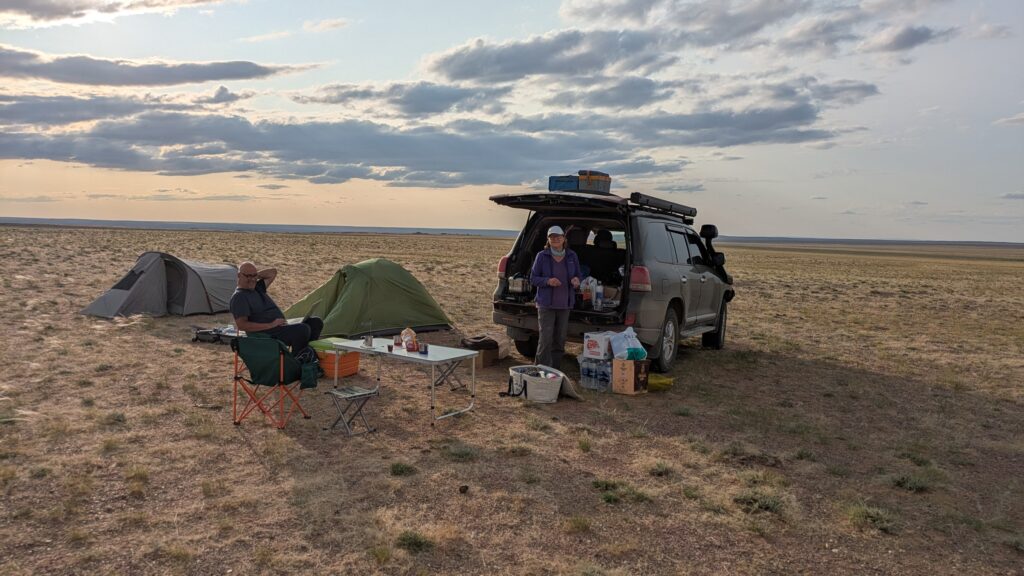
The next day proved warm and sunny as we headed off again on a series of crisscrossing dirt tracks that Dashca seemed to choose at random and then much later dart across the open fields until he found one he liked better. At one stage he pointed at some place in the distance we were apparently trying to get to but a series of deep washes and gullies cut us off so whatever it was we missed it. The magical mystery tour continues.
Eventually we found pavement and later we pulled into Dalanzadgad, the regional capital of this southern Gobi district. After resupplying and getting lunch we pushed on to a highlight of the Gobi Desert, Gobi Gurvan Saikhan National Park. This national park, the largest in Mongolia, contains some of the real gems of this southern desert region and we headed towards one of them – Yolyn Am Gorge.
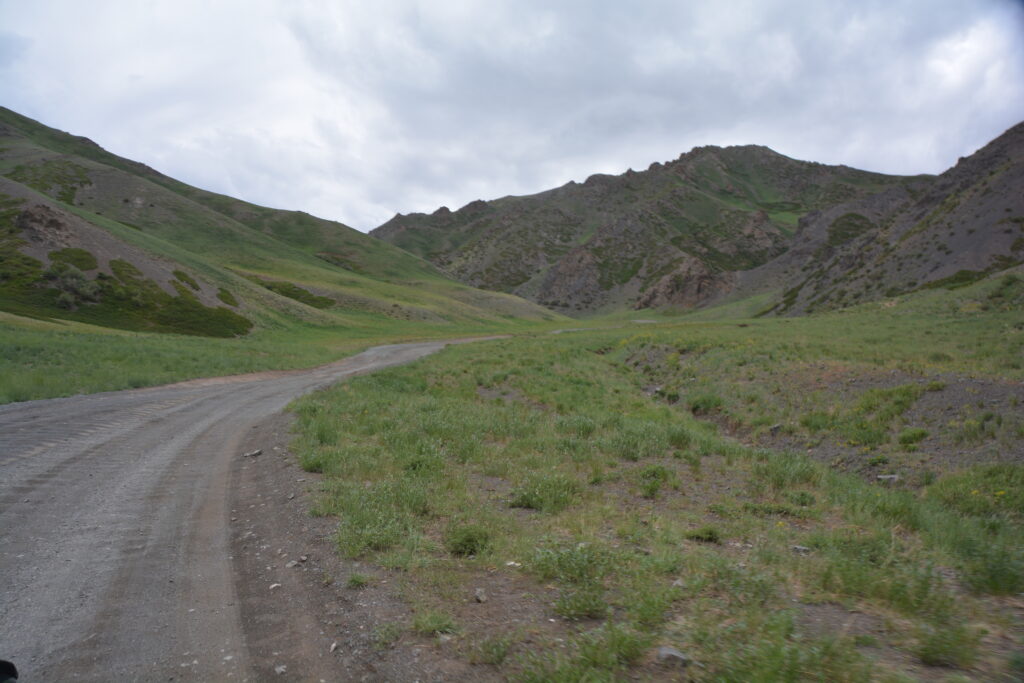
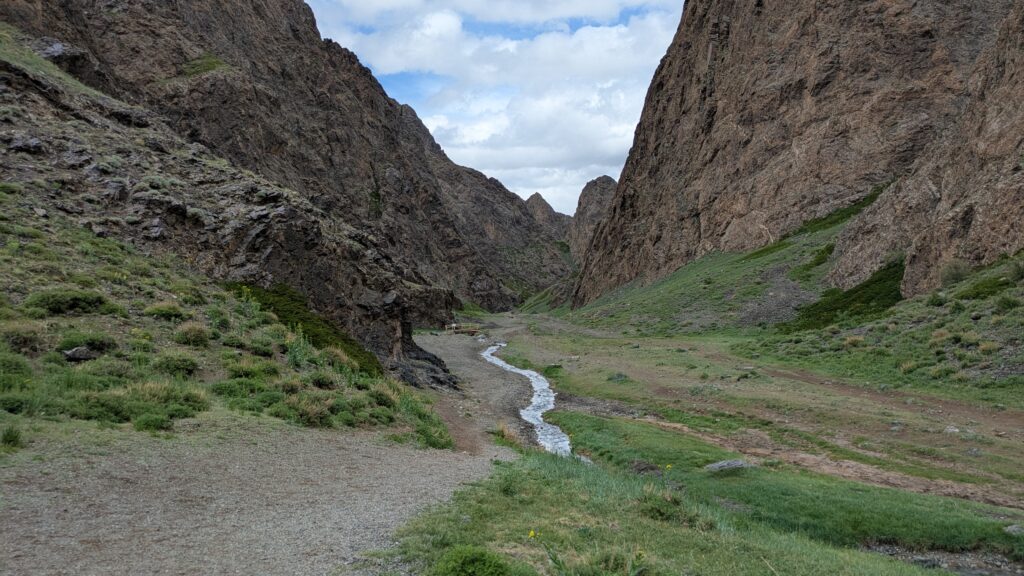
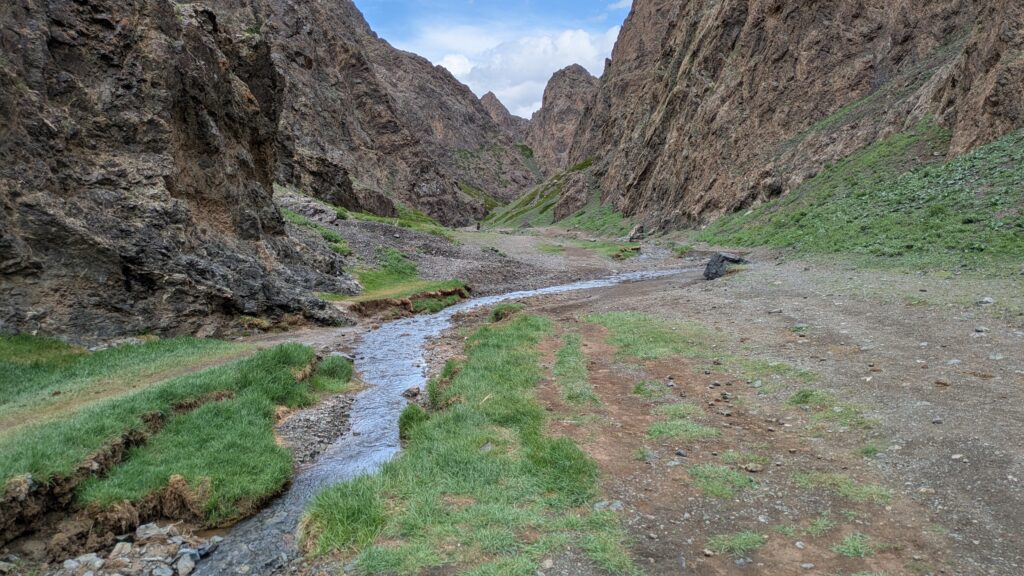
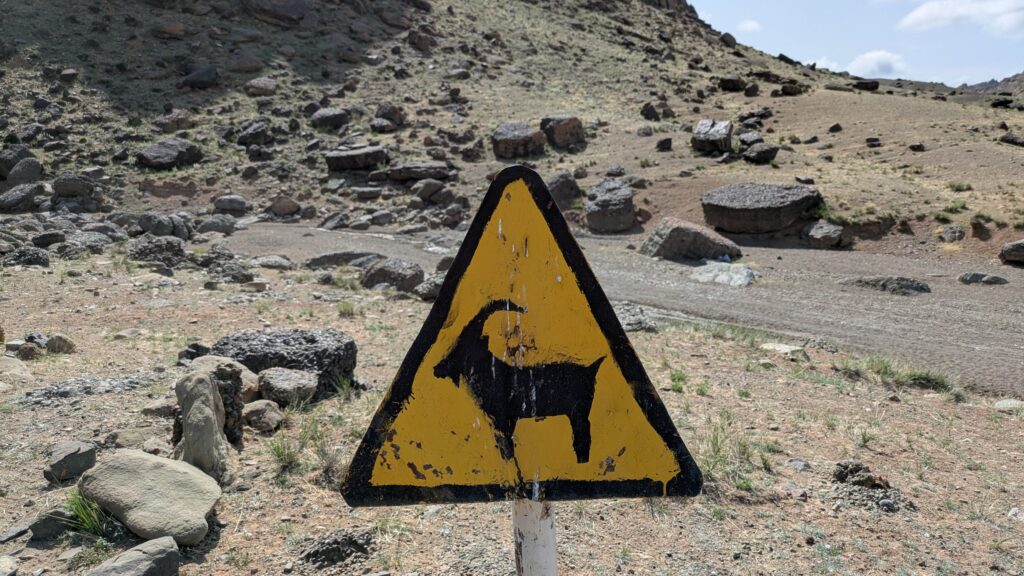
As we drove the ten kilometres along a rough dirt track we left the desert behind and entered a beautiful mountain range covered in lovely green velvet grass and jagged rocky ridges. When the road ended we walked a further two kilometres up the gorge until it pinched to a close and forced us to return. But along the way we dined out on the high cliffs, the little stream we hopped a dozen times and the families of locals enjoying this beautiful and peaceful place.
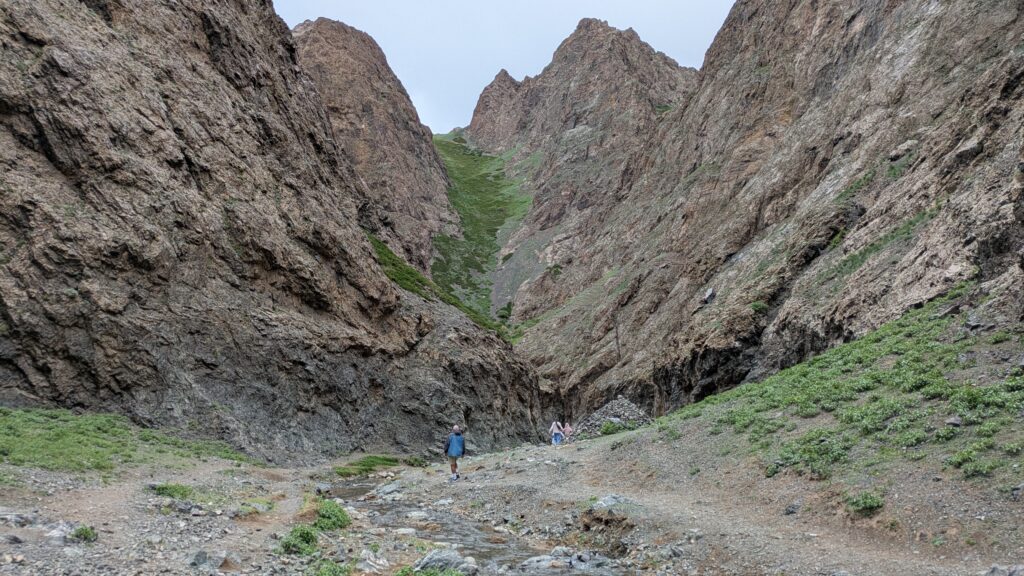
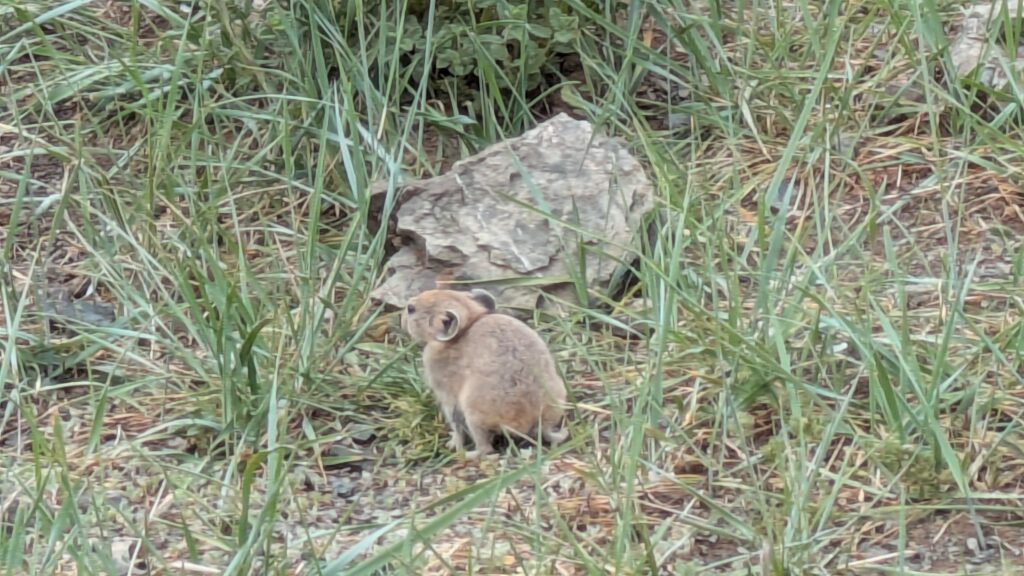
We camped that night on a grassy field at the base of gentle green hills with a new appreciation for the diversity of the Gobi Desert and the beauty of Mongolia. Despite our driver not speaking a word of English which makes some logistics complicated we were now hitting our groove and loving it.
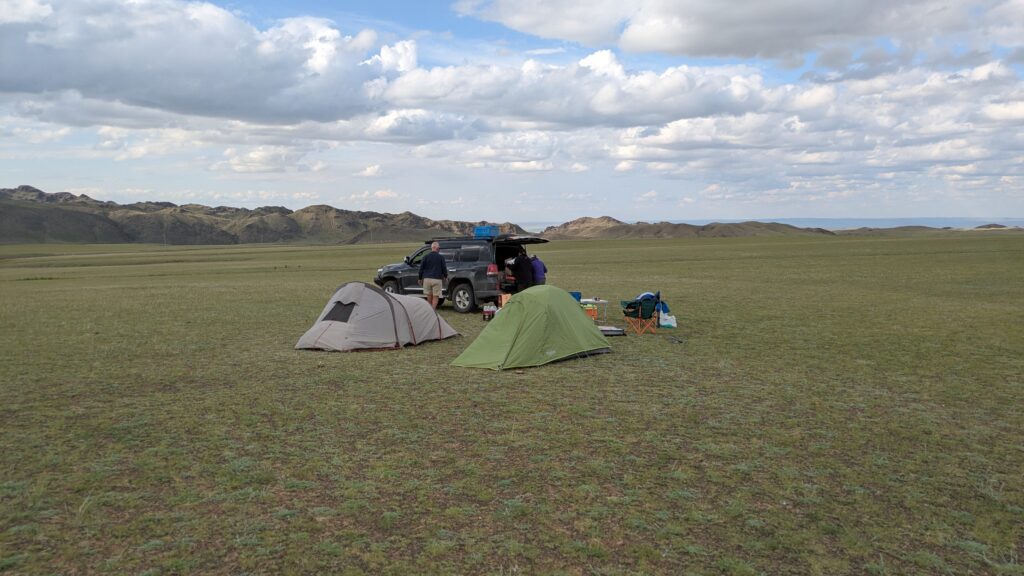
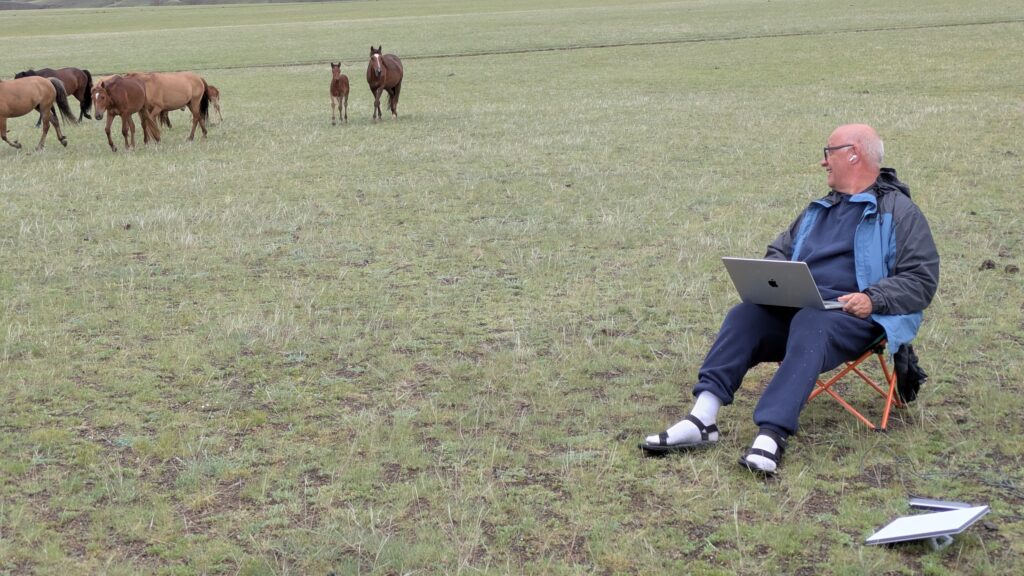
Well, loving it is all relative. We woke up in the morning to single digit temperatures and before we finished our first coffee it started to rain. We madly packed up camp and sat inside the Land Cruiser until the worst of it passed, soggy but enjoying the funny side. By the time we got back to the paved road and headed westward the sun was shining and the Gobi Desert looked magnificent.
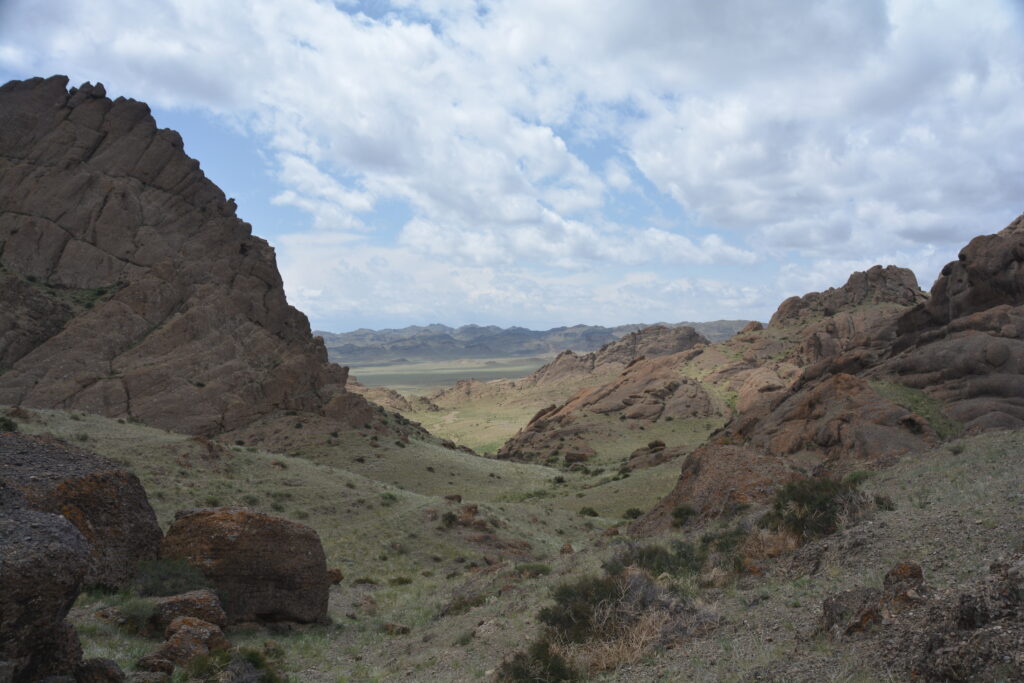
The vast open plains of this region are beautifully mesmerizing but because of the late spring rains, including this morning, the desert is surprisingly green. Herds of camels, horses and mixed groups of goats and sheep were regularly seen as they grazed on the desert grasses. A couple of hours passed and other than Dashca not being sure where or when he was going to turn off the pavement everything was fantastic.
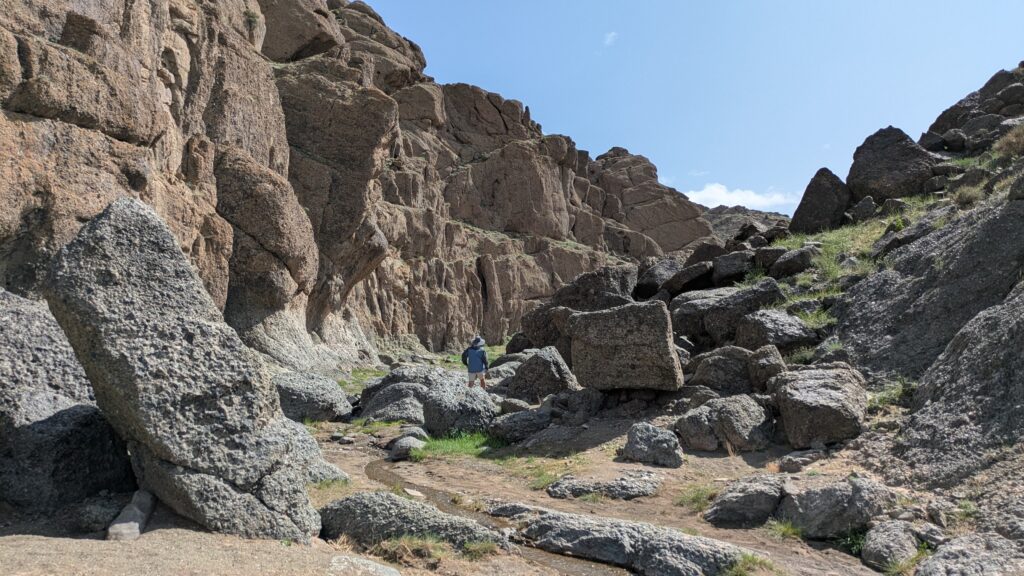
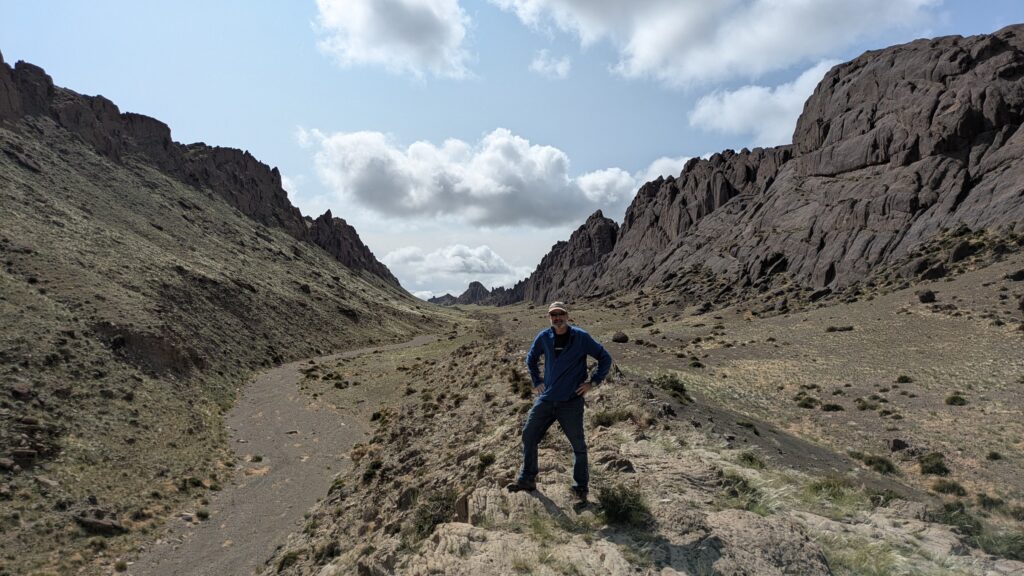
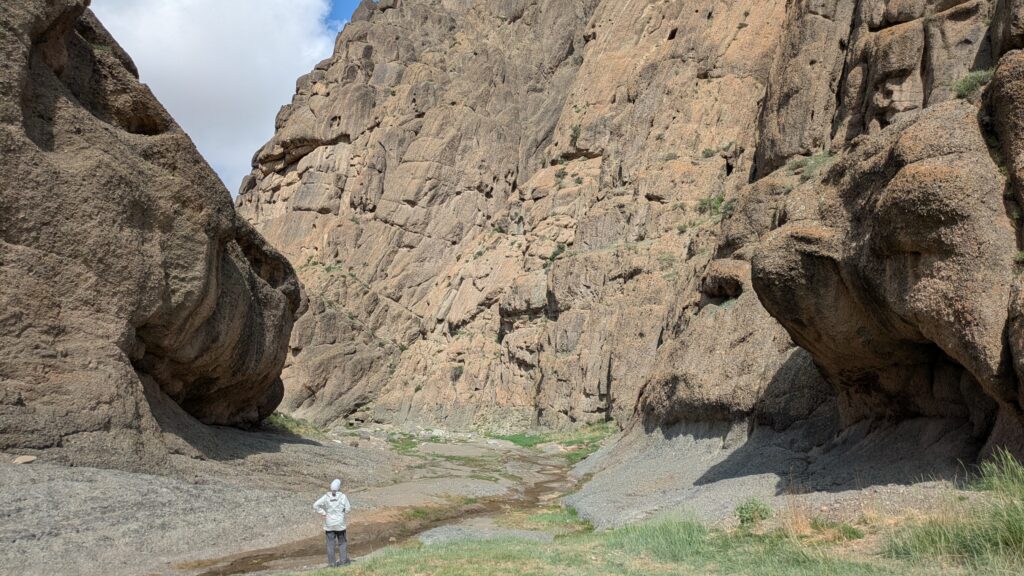
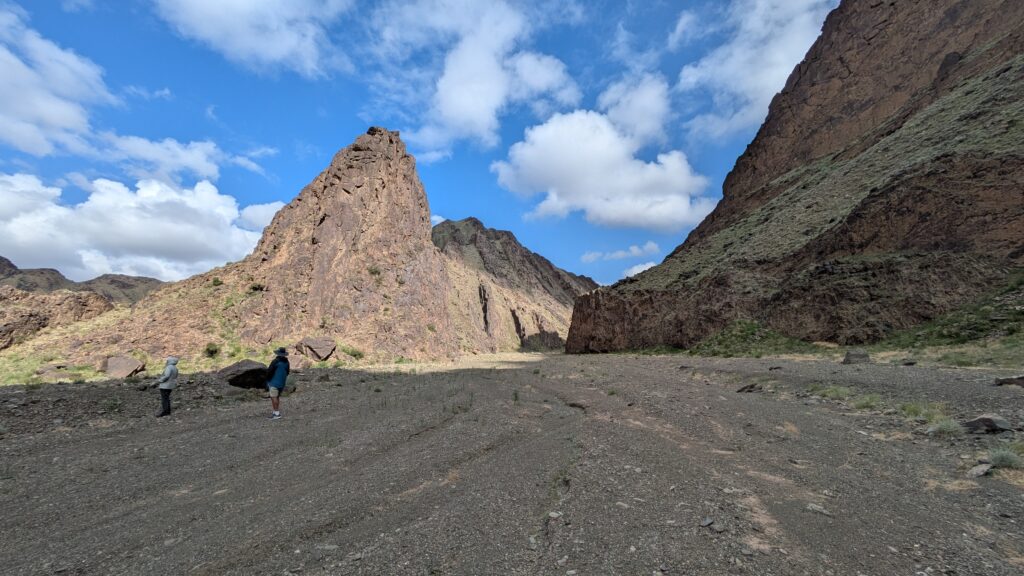
Our goal for the day was an area not on many travelers’ plans – Moon Valley. Moon Valley is part of the Noyon Mountains, a range featuring five rows of overlapping rock canyons, with extraordinarily shaped rock formations and deep narrow gorges. Moon Valley is the most renowned of these canyons and we finally arrived at our family ger for the night, surrounded by these magnificent jagged mountains.
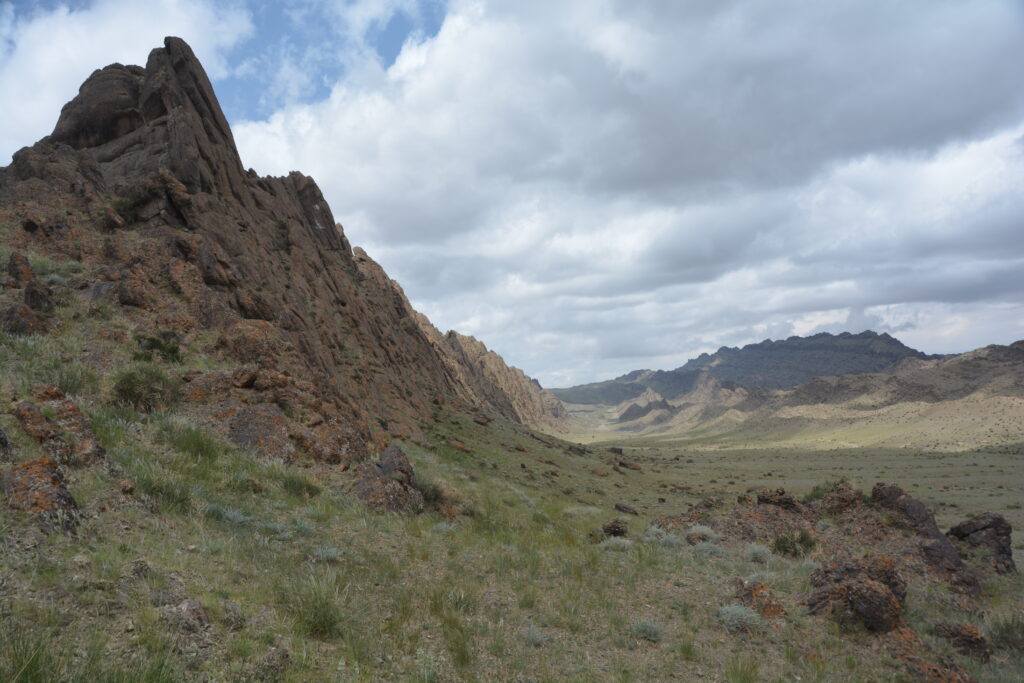
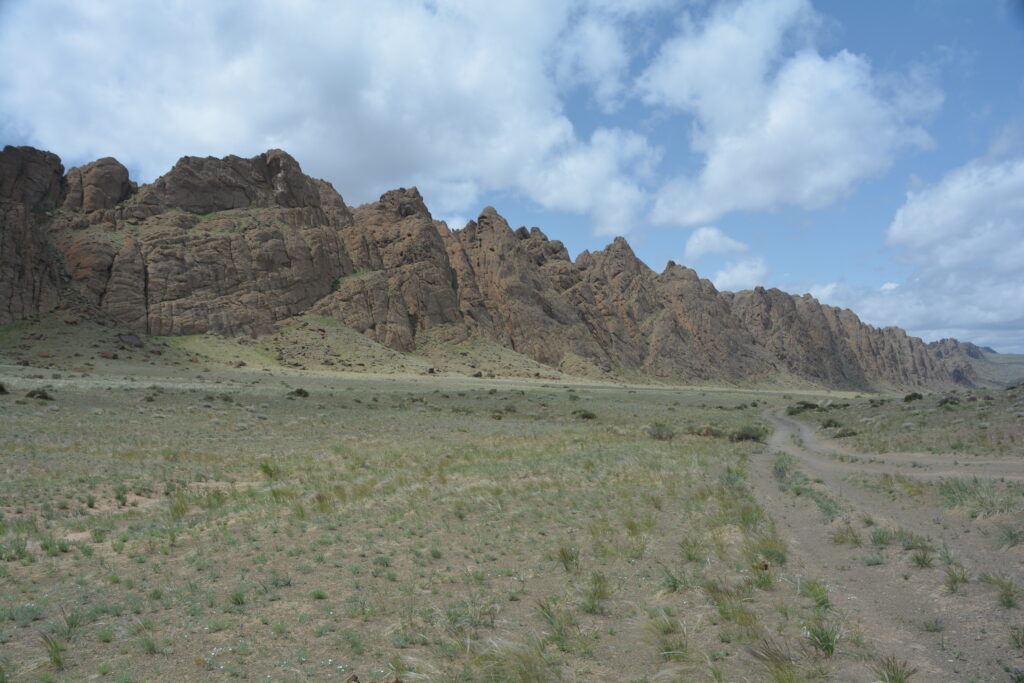
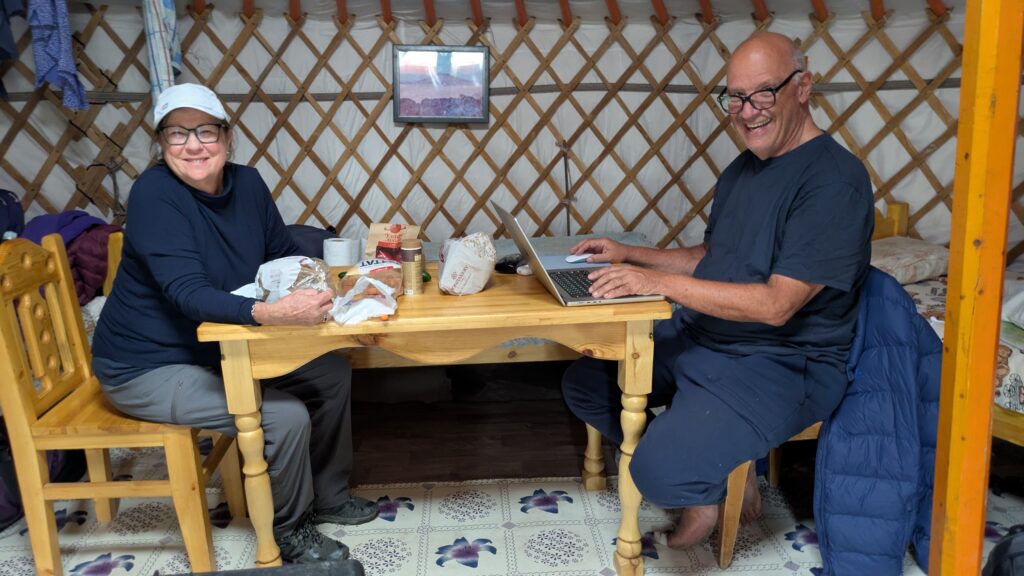
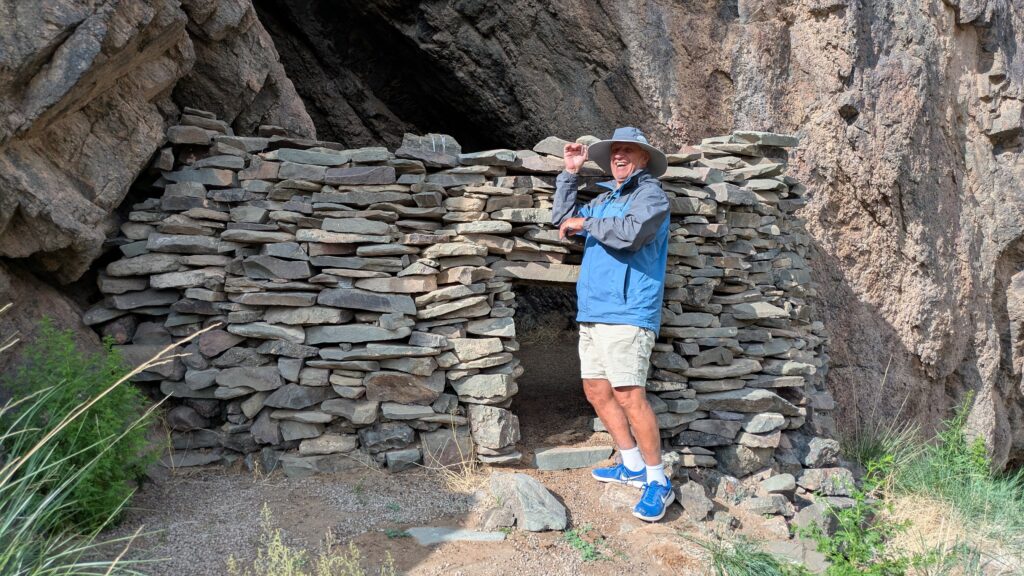
We spent the afternoon in this area, doing two different walks up different intersecting canyons, ogling at wonderful tilted layers of strata that had been raised from an ancient ocean floor. We just couldn’t believe our fortune of being in such a magnificent setting in such a remote location. And as rain came and went that evening we were cosy in our ger, Julie whipping up another MasterChef meal and us watching a movie via Starlink. As you do.

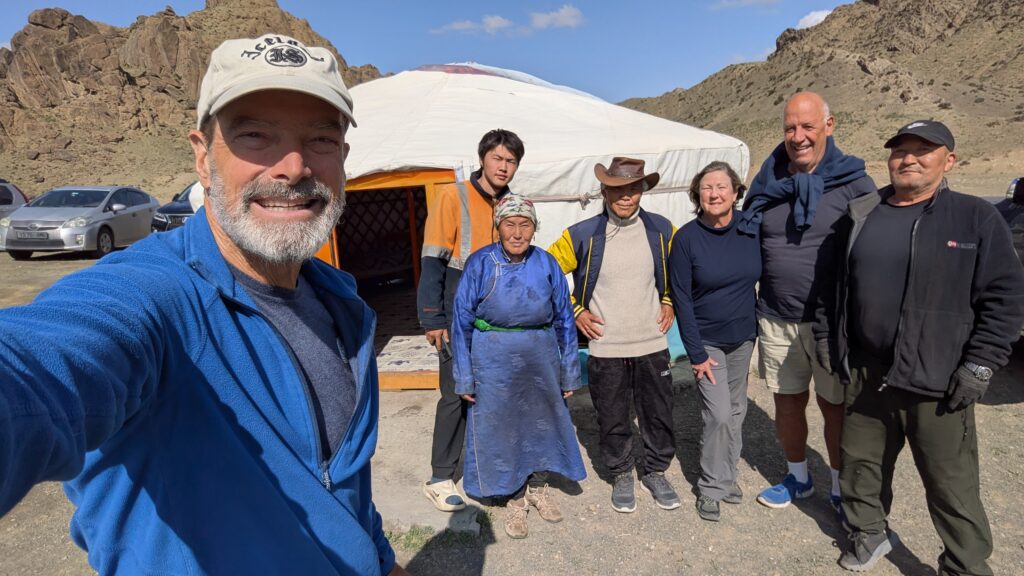
Unimaginably, as we tucked ourselves in for the night seven cars arrived with rowdy Mongolians that had booked the other gers and they proceeded to party – with loud music and vodka – literally till dawn. The host family apologized in the morning and humbly offered us lollies, presumably as compensation. Just another cultural experience.
We drove out of Moon Valley with an experience we’ll never forget, and continued heading north across the dusty desert until we hit the gritty remote town of Sevrei. With little to offer other than a resupply of water and some fruit (bananas from Ecuador, apples from New Zealand) we continued into the desert until our target for the day began to emerge on the horizon.
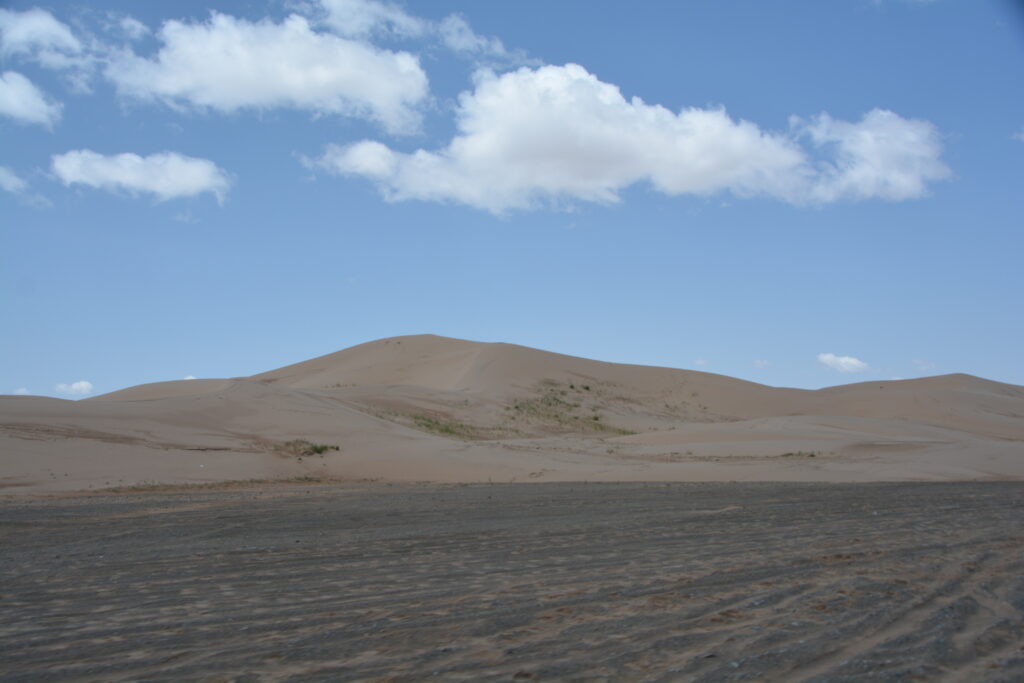
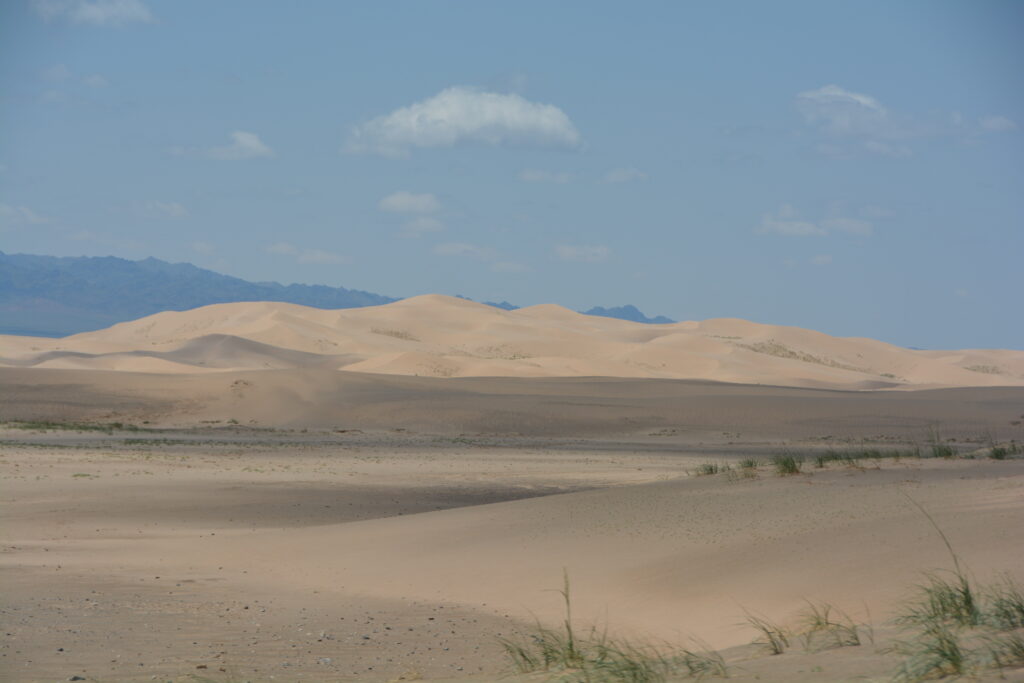
Known as the Khongory Els sand dunes, these massive sand dunes epitomise what the Gobi Desert is all about – a vast area of nearly uninhabitable land with harsh conditions for anyone who ventures forth. Our driver again appeared semi-lost as we approached but he did manage to find a sketchy sandy track that passed through a valley of the massive sand dunes and popped us out on the other side. From there he continued to guess his way across the desert, occasionally trying to ring the office to get directions.
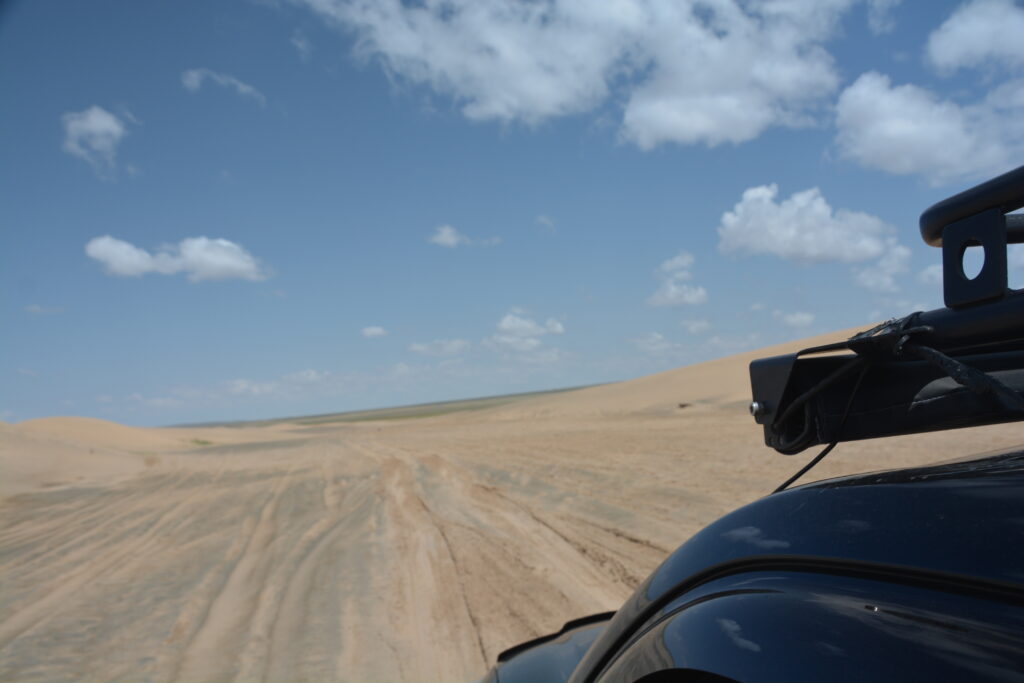
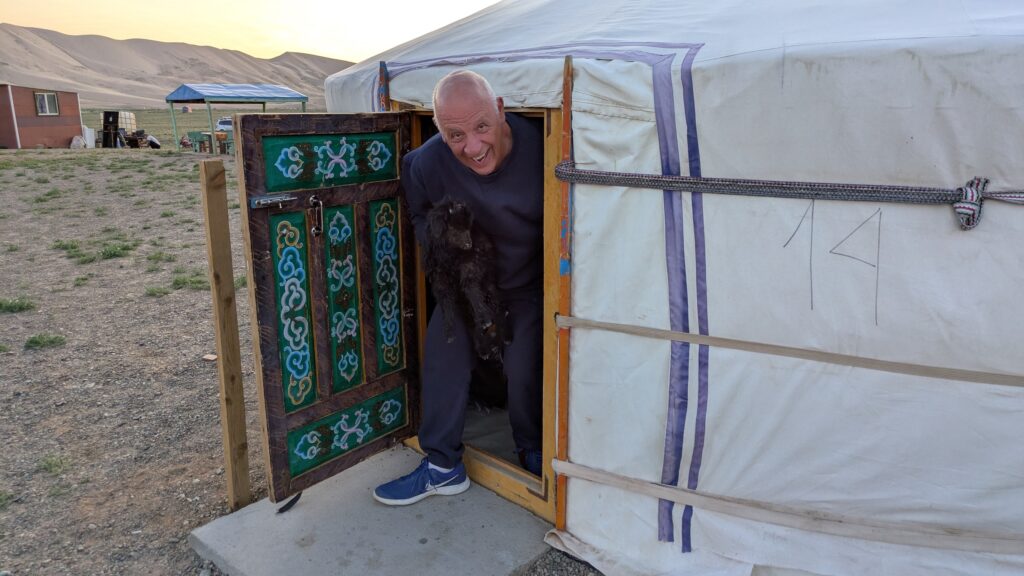
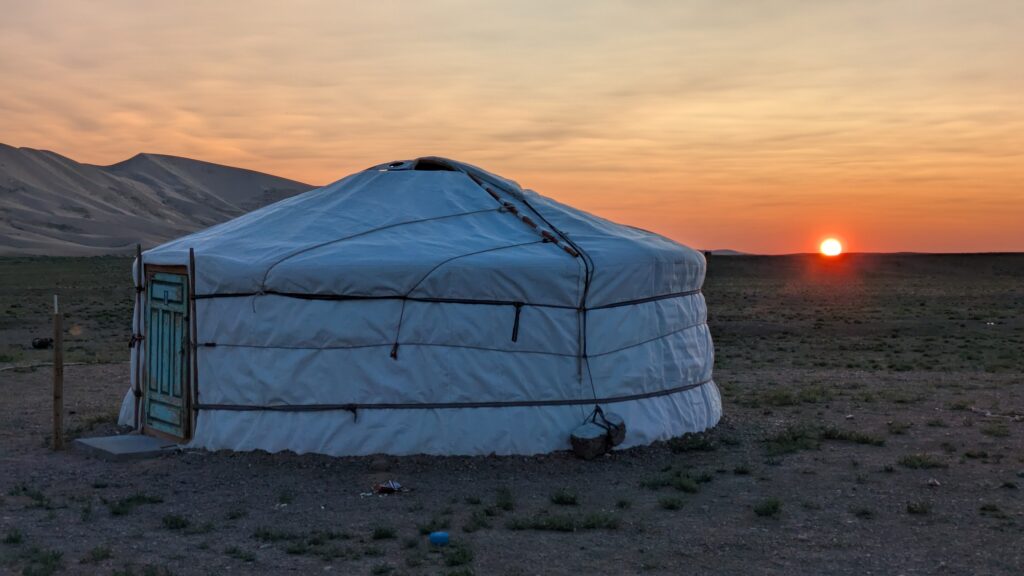
More phone calls and talking to passing locals but eventually we found our family gers for the night, near the base of the sand dunes and with a herd (actually, the collective noun of camels is a caravan) of camels at the ready for any traveller who wants to ride them.
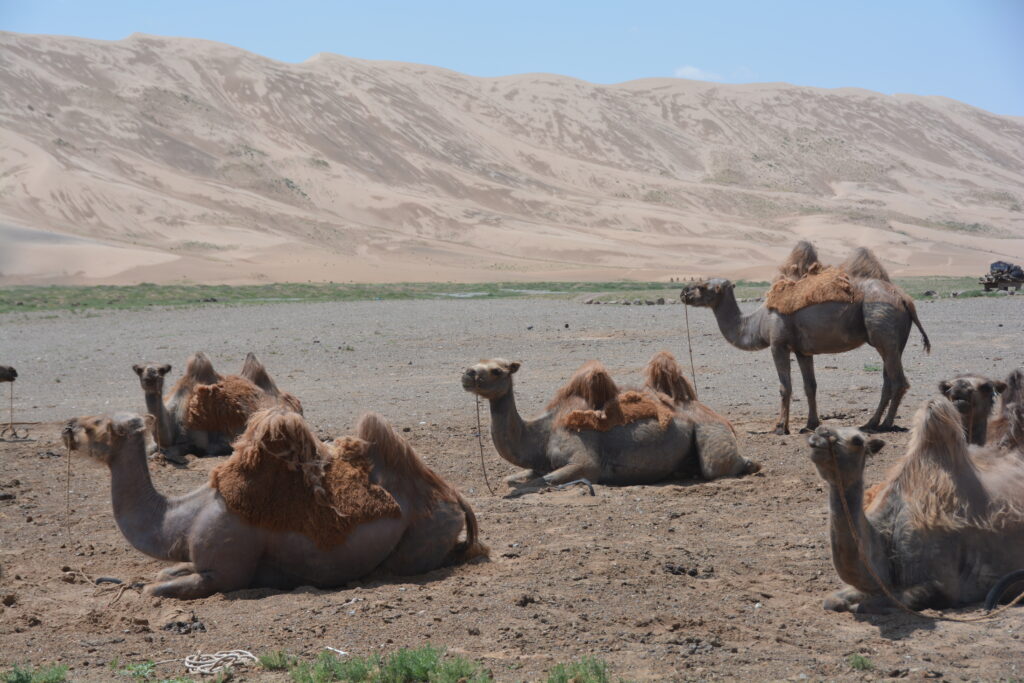
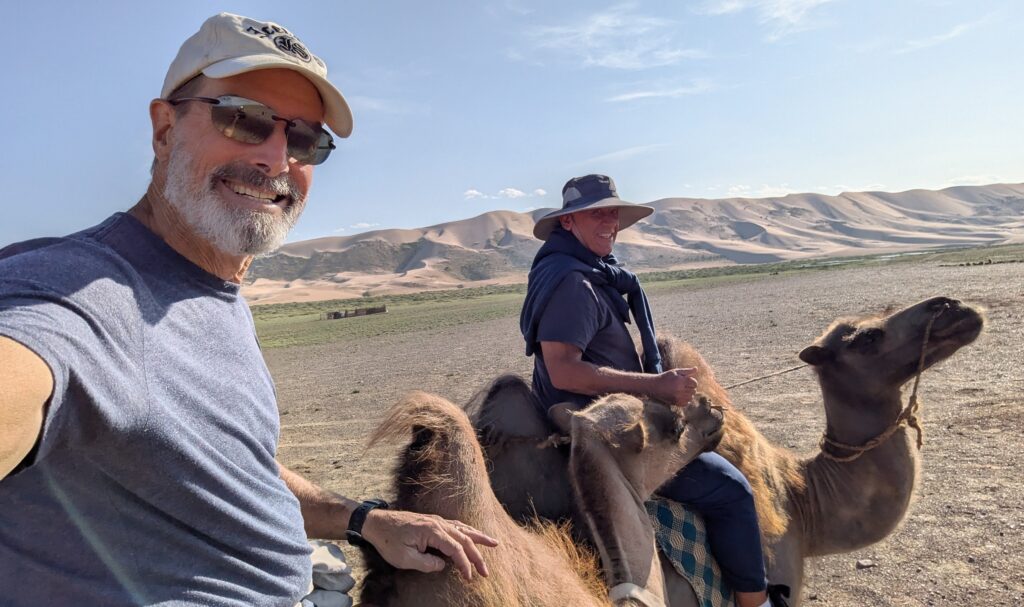
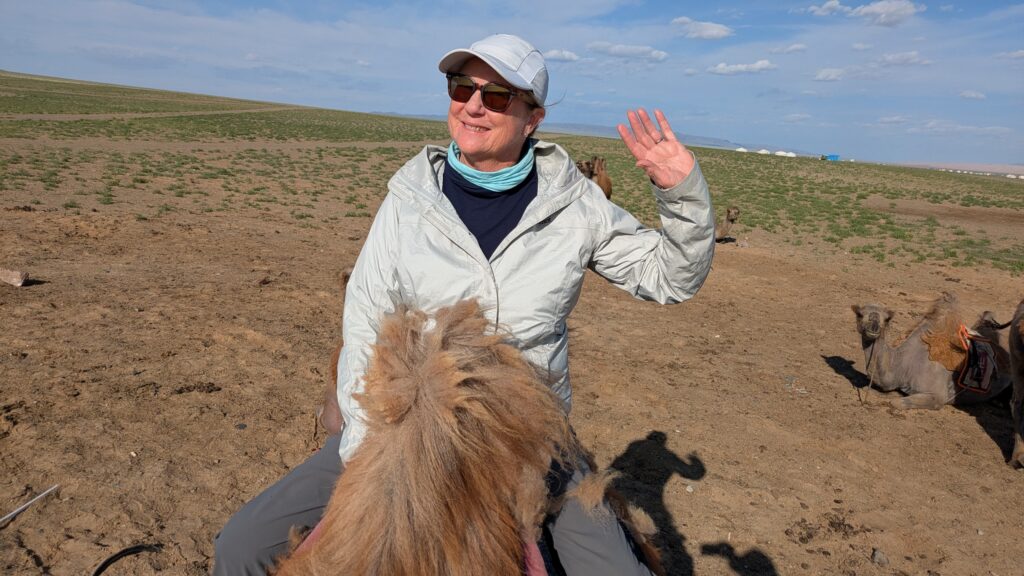
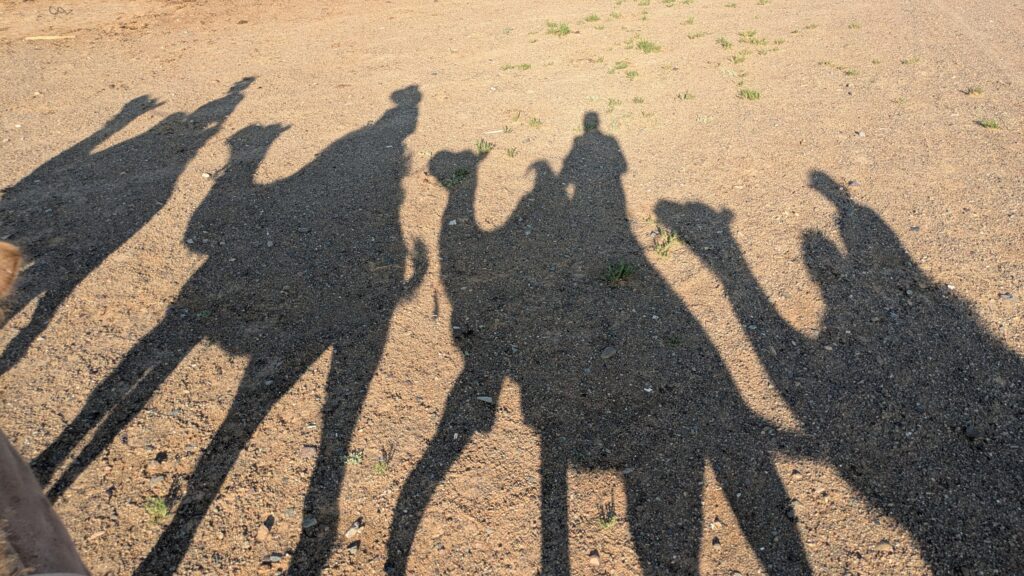
And we did want to ride them. After doing the deal (about A$10 or US$6.50) per person per hour we climbed aboard for a wonderful ride on our new Bactrian friends. It felt slightly touristy but of the other times Julie and I have ridden camels we’ve never tried the two-humped variety so that was great fun.
Not quite done yet, we drove out to the base of the massive sand dunes which runs for almost 200 kilometres and provides a backdrop to our comfy ger. We climbed about a third of the way up the sand dunes where we whipped out all the ingredients for cocktail hour and enjoyed the wonderful sunset in this magnificent setting.
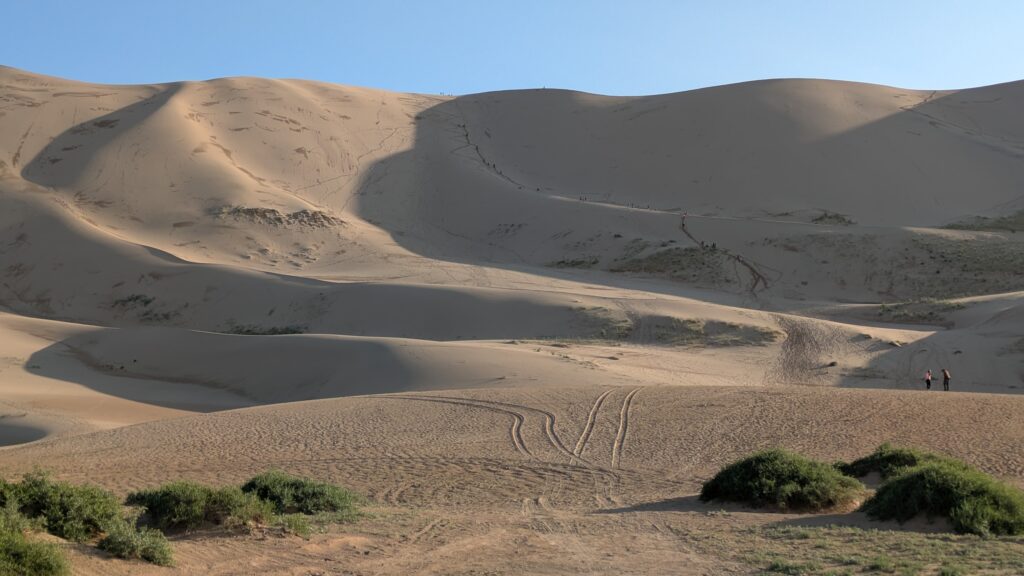
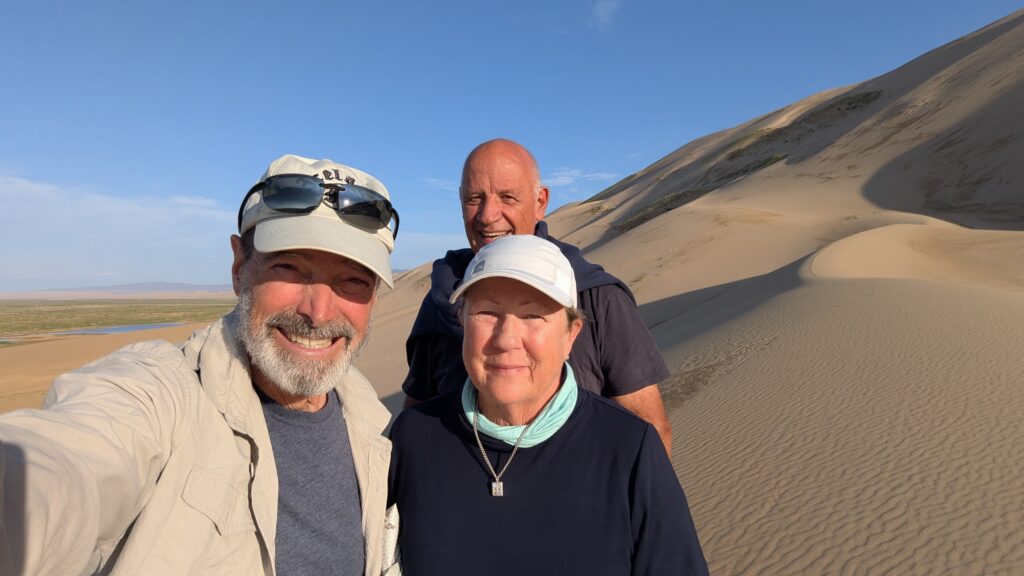
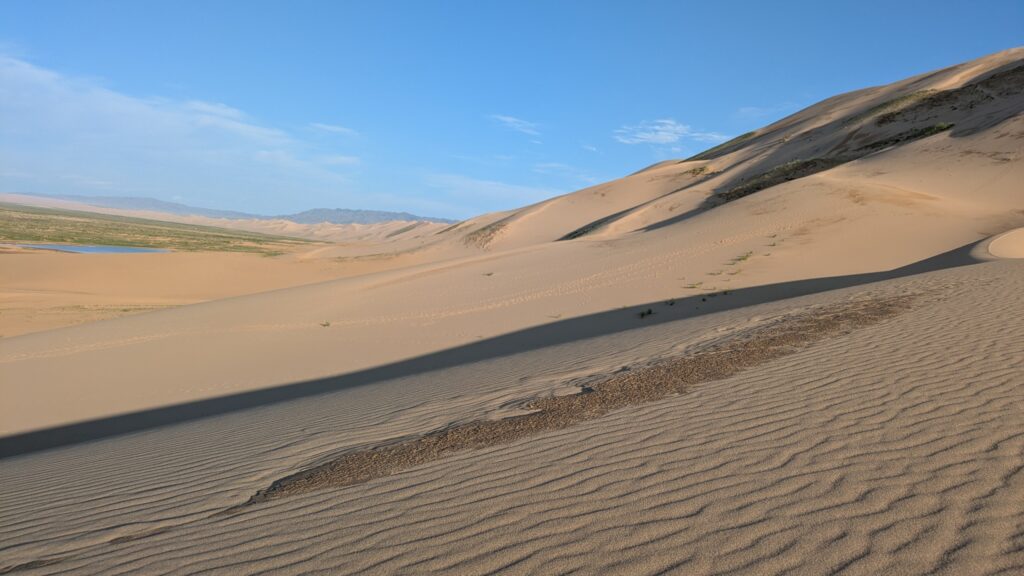
The Gobi Desert has been a huge surprise for us – not just vast open spaces covered with a strong tint of green due to the late spring rains but also high jagged mountains and towering sand dunes, making this a very special and unique experience. But wait, there’s always more…
Comments
The Gobi Desert — No Comments
HTML tags allowed in your comment: <a href="" title=""> <abbr title=""> <acronym title=""> <b> <blockquote cite=""> <cite> <code> <del datetime=""> <em> <i> <q cite=""> <s> <strike> <strong>