North of ordinary
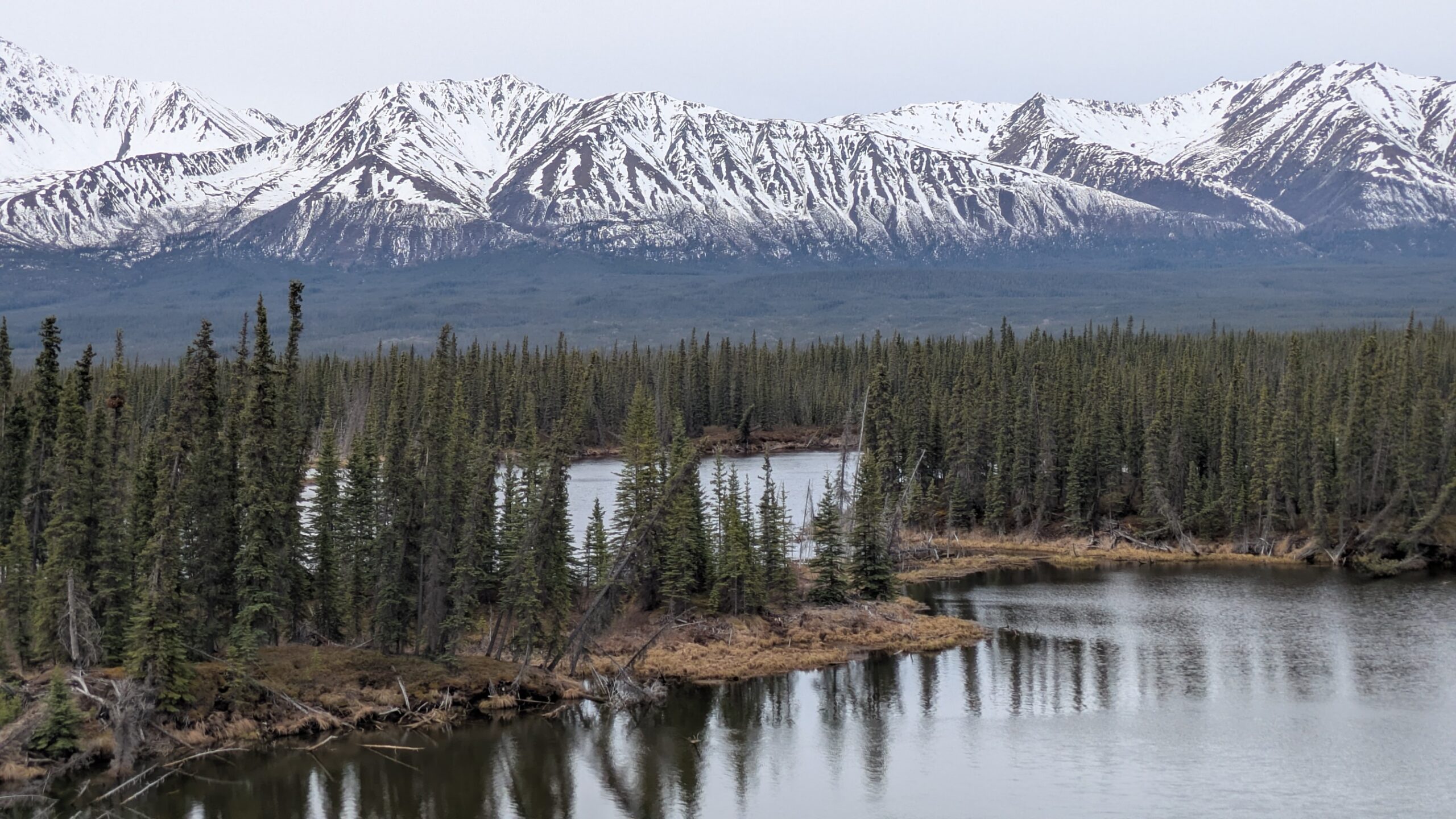
The Yukon Territory covers almost 500,000 square kilometres, which sounds really big, and yet has only about 48,000 people living there, which is definitely really small. As a useless comparison, there are estimated to be over 300,000 caribou living there. The territory is blanketed with a literally endless forest of spruce and other trees, zig-zagged by countless rivers and topped with stunning snow-capped mountains, including Canada’s highest peak. The territory’s catchy marketing line is so very true – North of Ordinary.
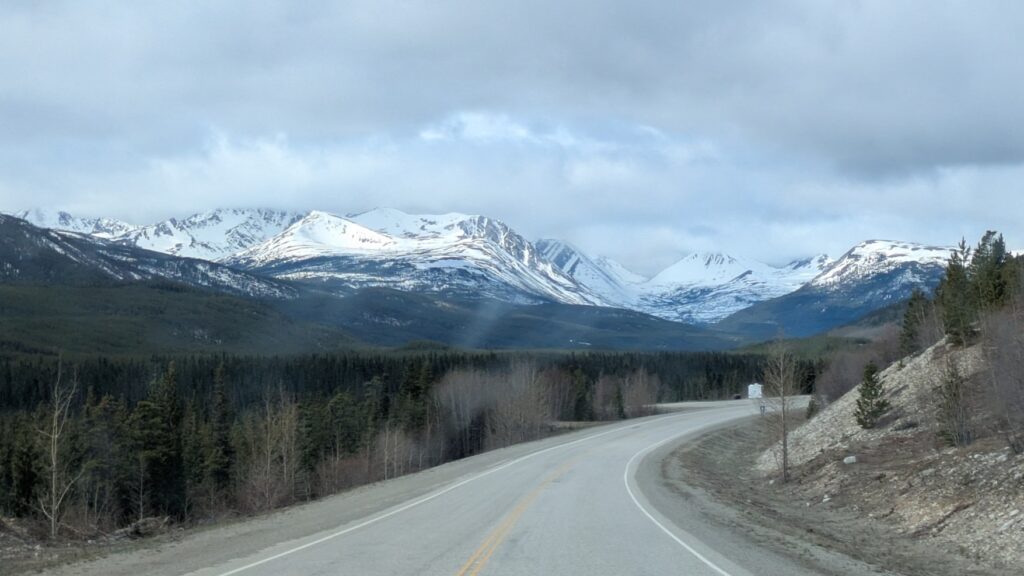
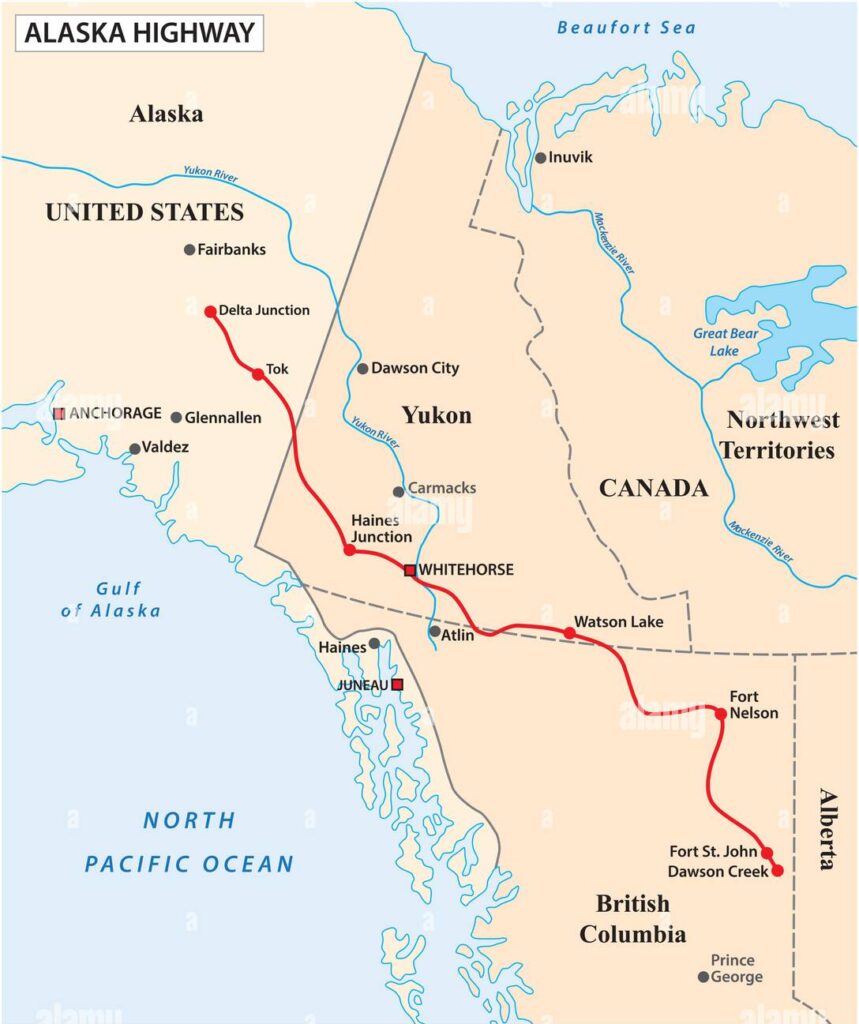
Slicing it’s way across the Yukon is the famous Alaska Highway, built in 1942 by the US military in only eight months to help defend Alaska from the Japanese and now the lifeblood of the territory as it moves goods and people to and from the territory. And we were traversing this vast land via the Alaska Highway, starting in Watson Lake the previous day and now heading towards it’s capital of Whitehorse.
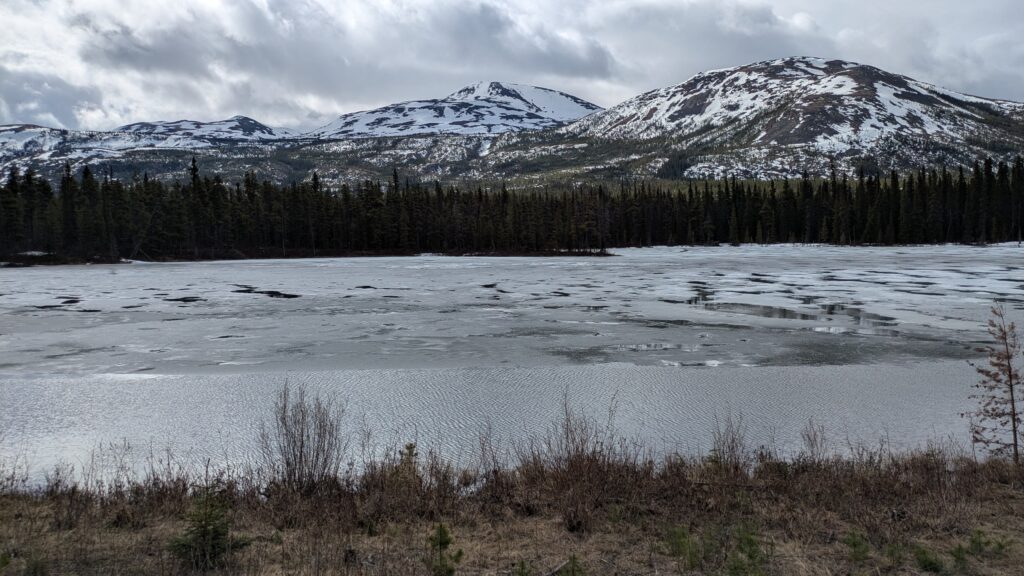
We chose to travel to these northern parts at this time of year to witness the changing of seasons and experience a climate and scenery we don’t have in Australia. And, to be honest, to avoid the killer bugs that run the show later in summer.
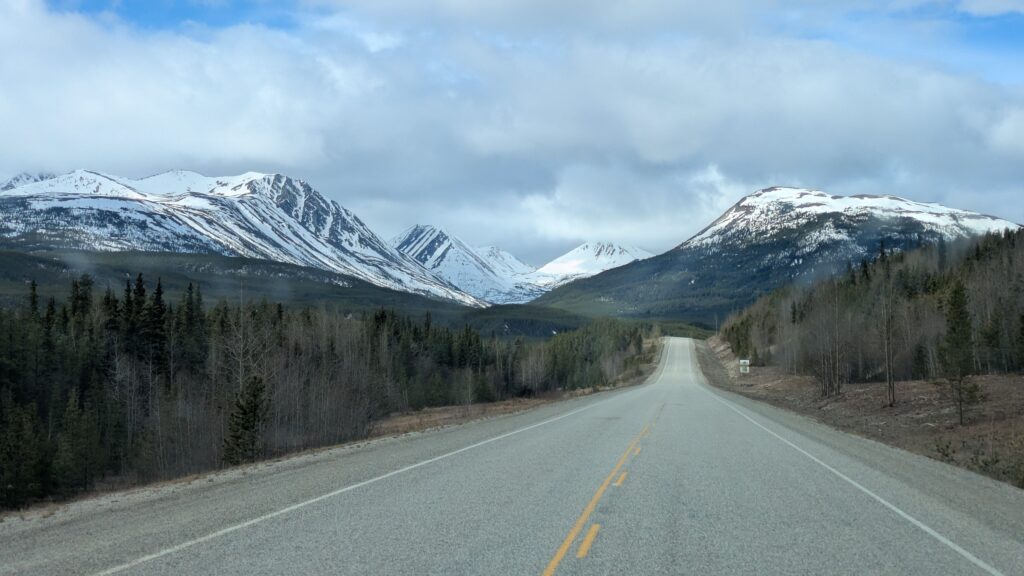
Our drive northwest from Watson Lake took us immediately up and over a 1,000 metre (3,300 feet) pass through a spectacular series of snowcapped mountains and past beautiful frozen lakes.
We stopped at Rancheria Falls to follow the short trail back into the snowy woods (hey bear!) and see the falls at their highest level. Then we pushed on, following this famous highway, through a small herd of woodland caribou, dipping down into British Colombia for a short while because there was a humongous mountain in the way, then back into the Yukon where we stopped at Teslin for a lunch down by the water.
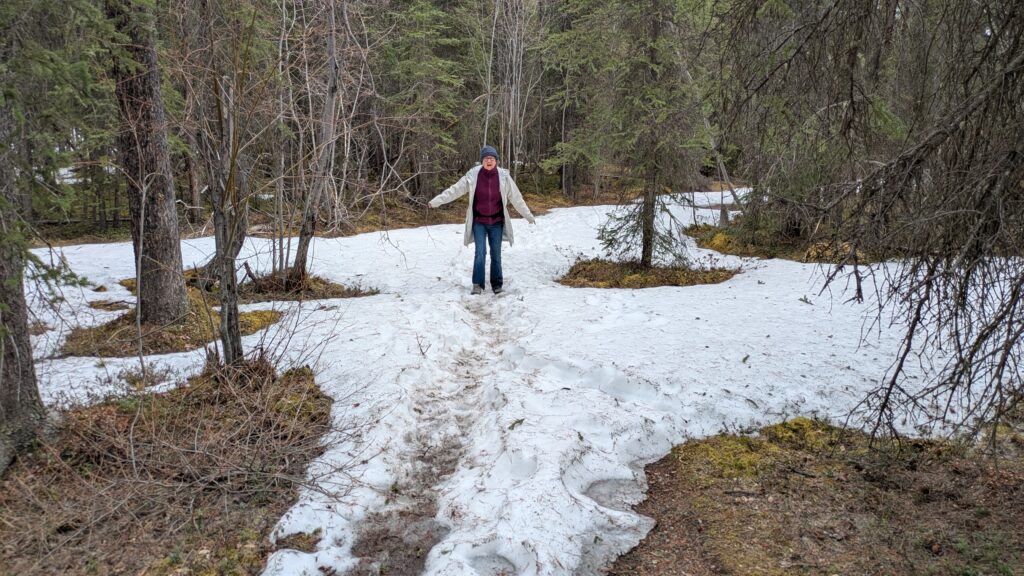
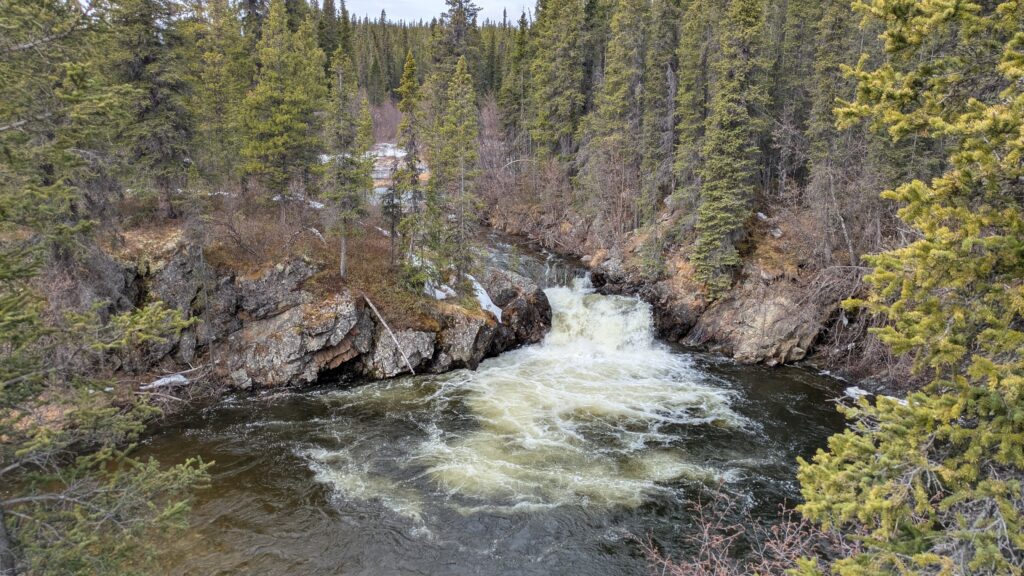
The road followed the long Teslin Lake, then up and over more mountains to hook up with Marsh Lake, then crossed the Yukon River at it’s source when it flowed out of Marsh Lake. We followed the Yukon River, which we will see again and again on this trip, to the territory’s capital, Whitehorse.
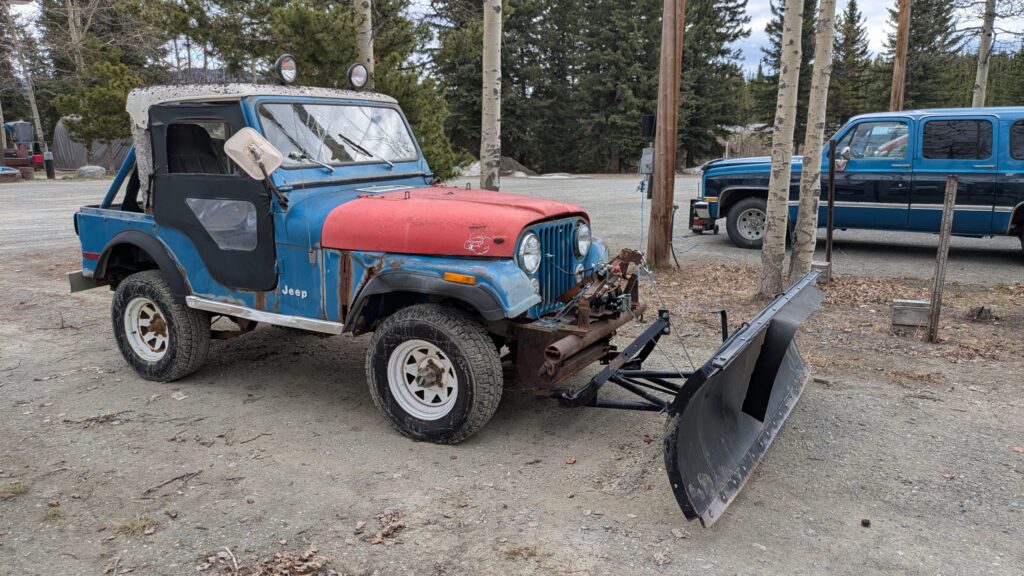
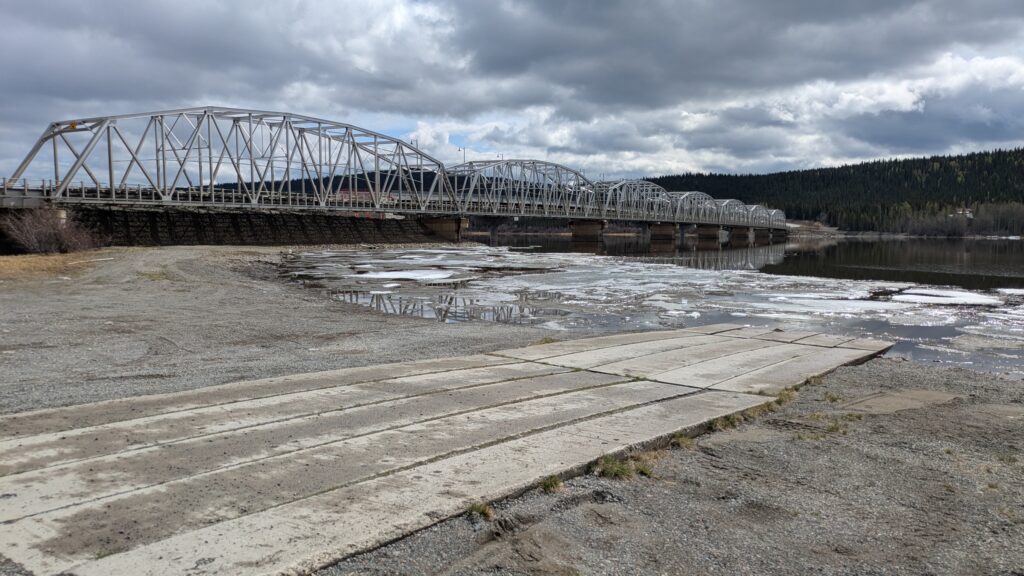
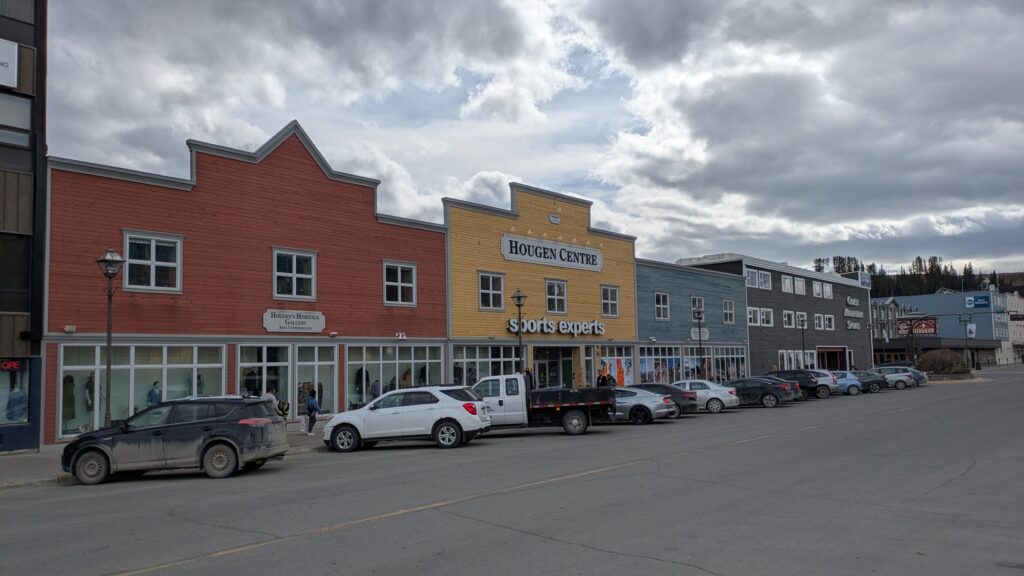
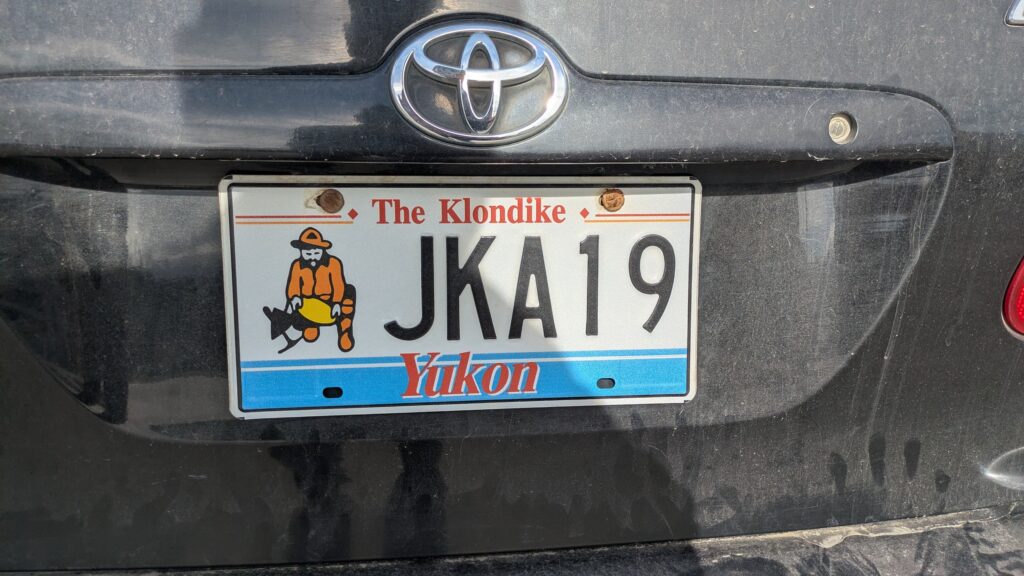
Whitehorse has a population of about 34,000 meaning, do the maths, it is home to about three-quarters of all residents in the territory. It is a thriving town built on three things – mining, government and tourism. The fascinating history of the Klondike gold rush in 1898 started the appeal of people coming north to find their fortune and has since then been a rich mining environment. But we suspect during summer tourism is king.
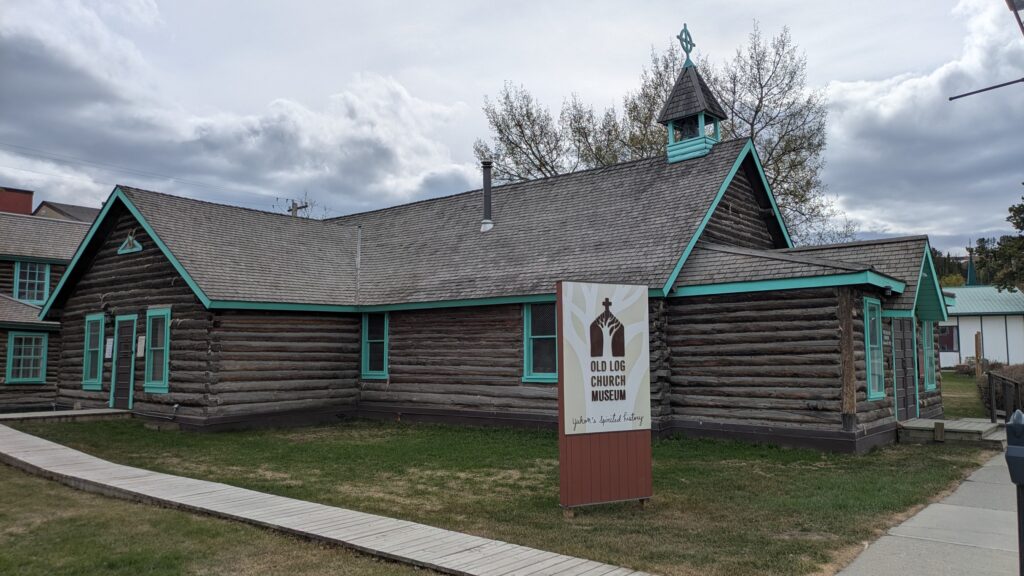
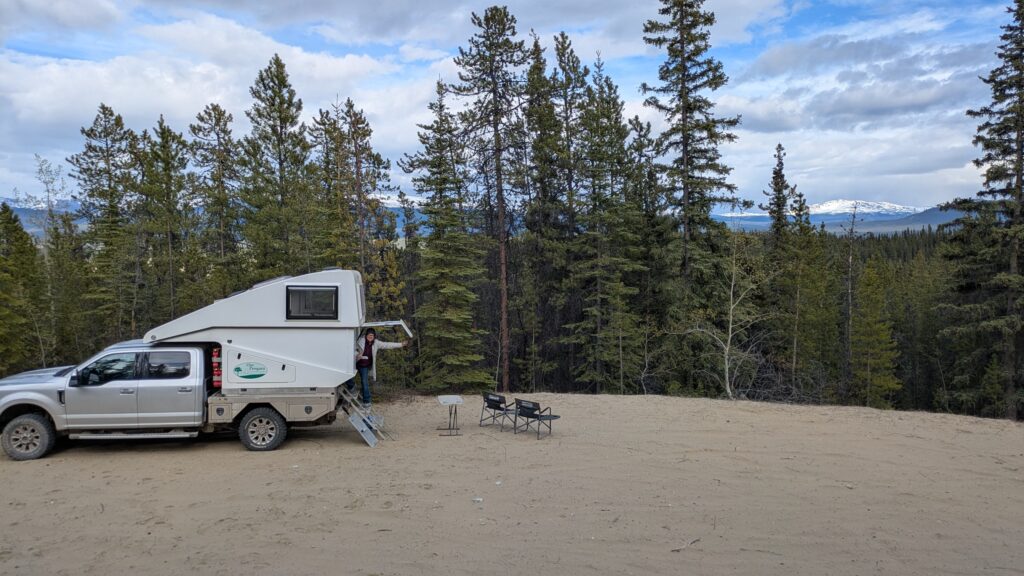
We explored Whitehorse a bit and enjoyed the vibe even though it was a public holiday, before buying some goodies and heading up in the hills nearby to camp for the night, snowy mountains as our background. Yukon was definitely north of ordinary.
But a large town, let’s call it a city, like Whitehorse is also an important stop in these distant lands for admin and mechanical issues. And so it was that we treat Tramp to an (overdue) oil and filter change. In doing so we noticed the serpentine belt, which we had replaced after it’s catastrophic failure back in Türkiye, was wearing again so we bought a spare…just in case. It’s always something.
And as to the ongoing drama of our injured hydraulic lift kit, we knew the seals in the right cylinder were shot and had already bought a replacement set from a dealer in Kentucky which shipped them to us at a General Delivery address in Fairbanks. All we had to do was find someone in Fairbanks to rebuild the cylinder. Oh sure, that would be easy. Eventually I tracked down a company who at least agreed “to look at it” and so we booked Tramp in for a visit in three days’ time. Now all we had to do was get to Fairbanks in three days.
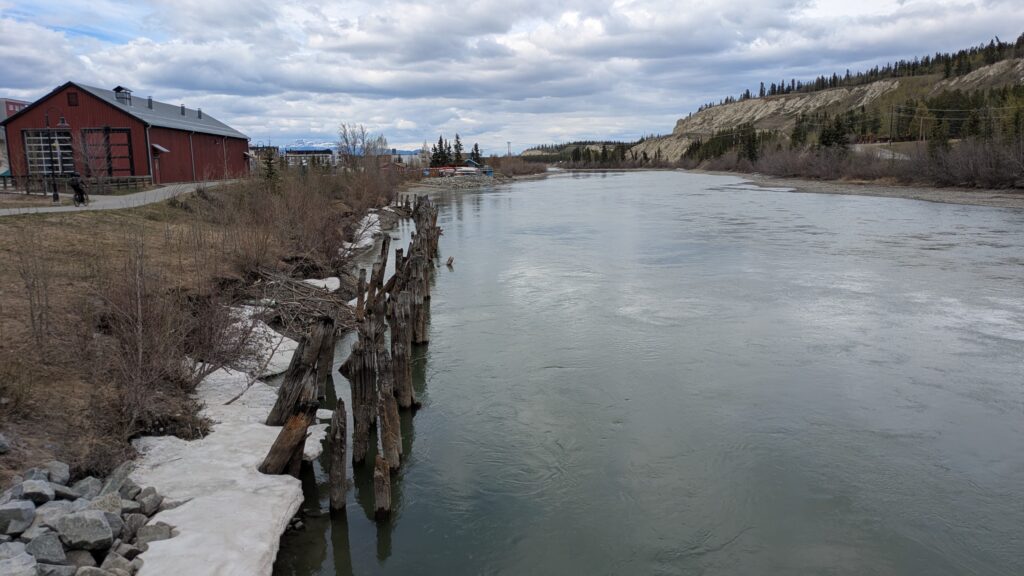
Whitehorse to Fairbanks is about 1,000 kilometres (620 miles) across some of the most beautiful land on the continent. As we started that journey the Alaska Highway again earned it’s keep by taking us past stunning snow-capped mountains, deep snow still residing in the cracks and crevasses after having melted off more exposed surfaces. The result was just fantastic and we loved the drive that afternoon.
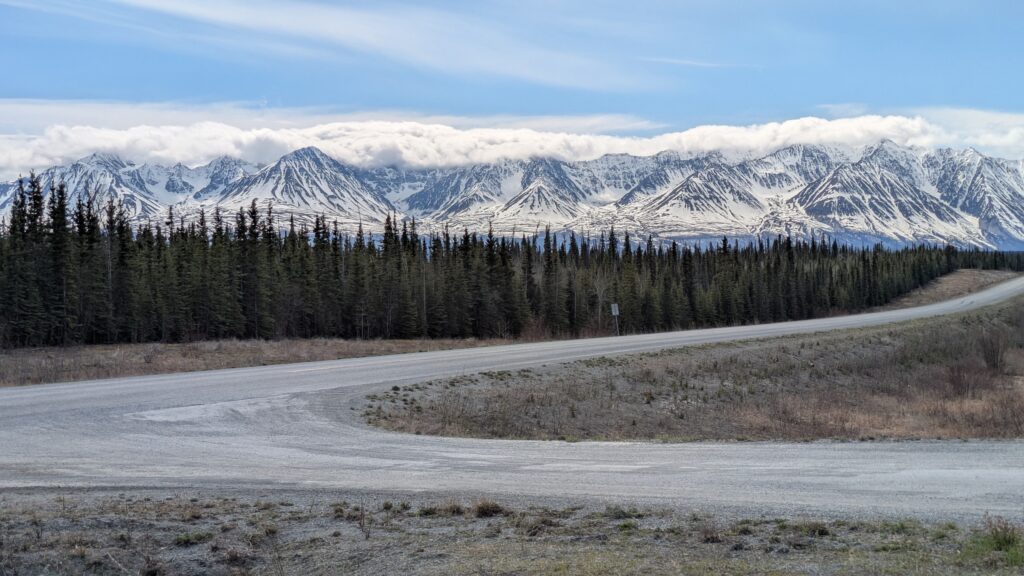
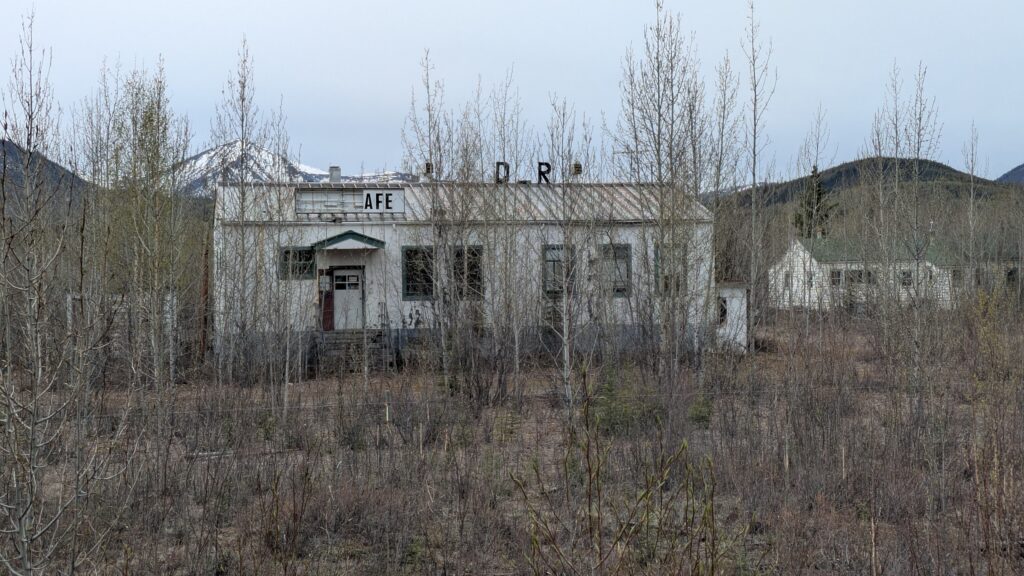
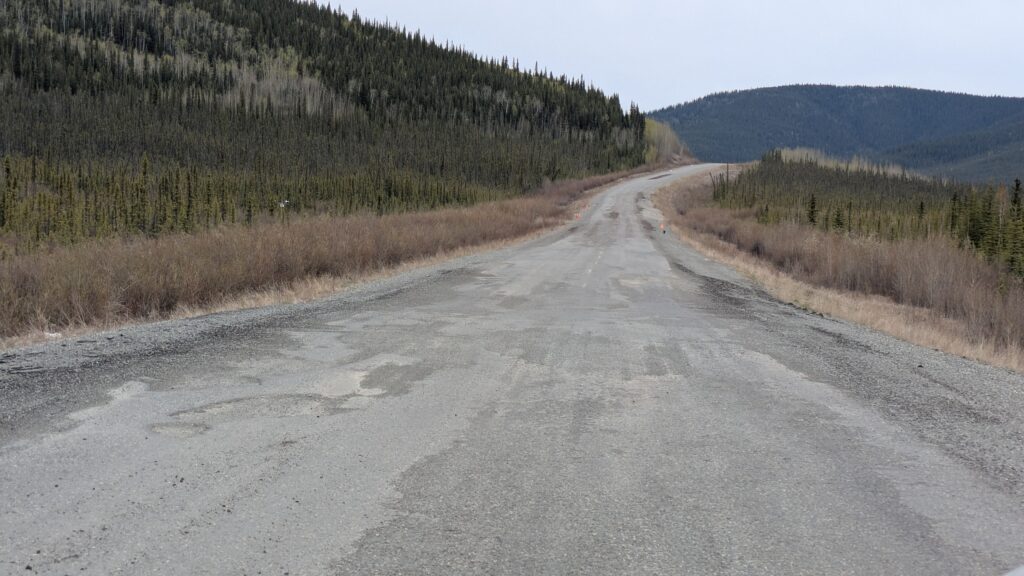
As we passed through Haines Junction we met up more closely with the Kluane Mountains and Kluane Lake, the combination of which just made our heads spin. The road also featured a number of very rough sections caused by what is called ‘frost heaves’ which is where the permafrost melts, causing the road to buckle and sway even though the maintenance guys to do their best to keep up. Some sections were seriously rough.
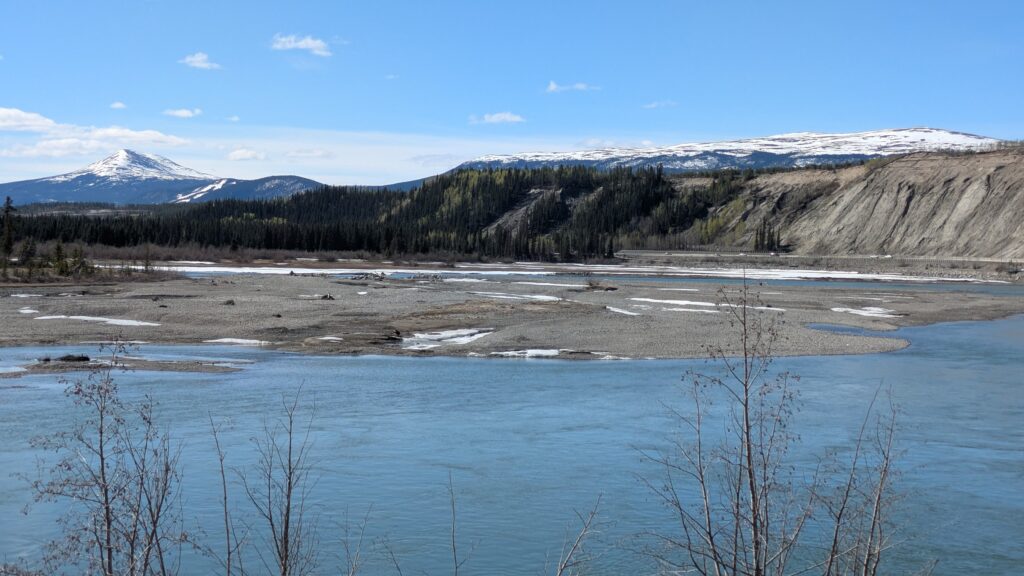
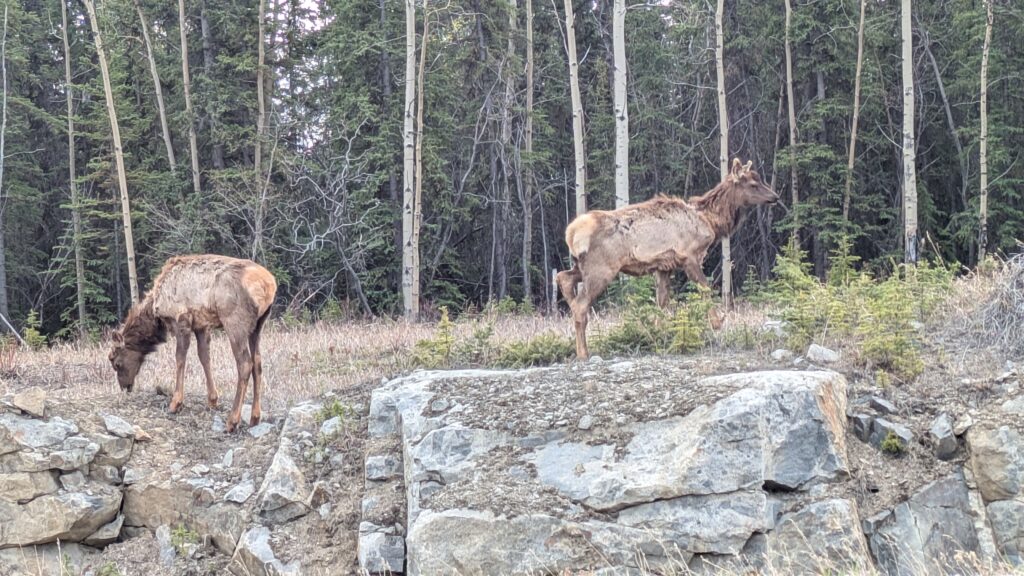
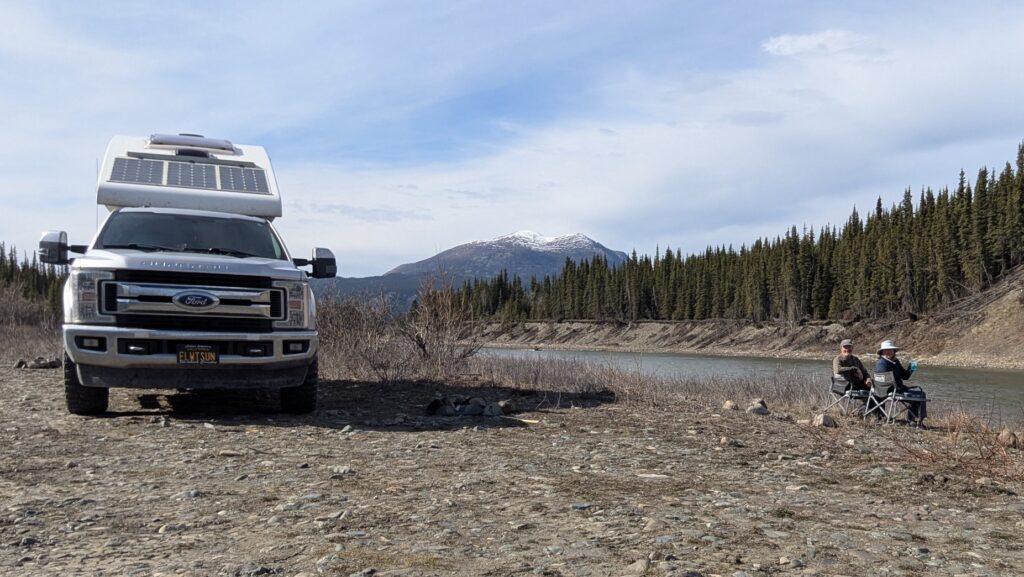
After seeing a few elk, some young Dall sheep and a camera-shy porcupine during the day we found a fabulous spot on the banks of the Kluane River to camp for the night. It had been a stressful morning, a fabulous afternoon and a perfect camp that evening.
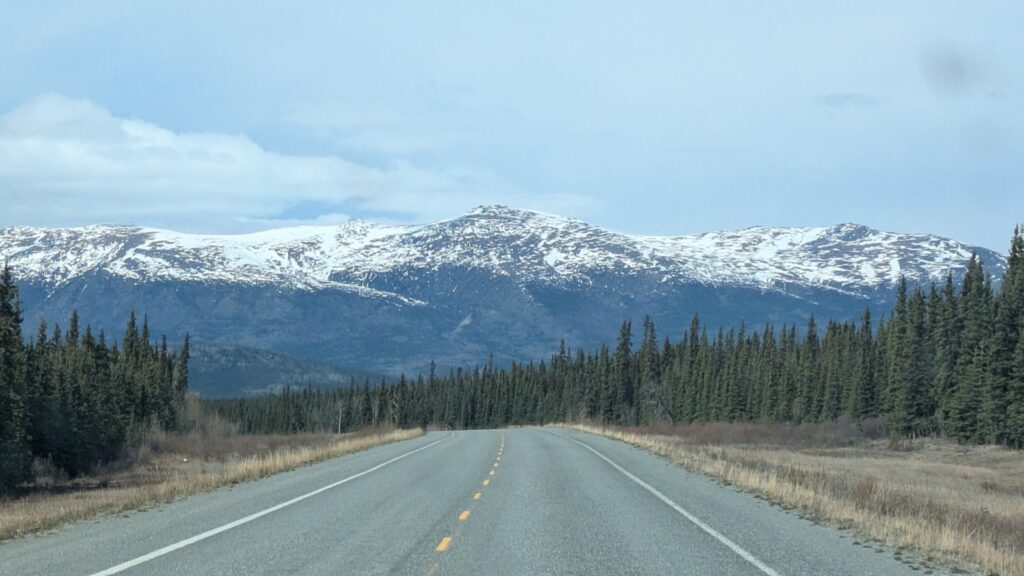
We knew our time in the Yukon, at least at this stage in the trip, was winding up as the Alaska border was not far away. But it was far enough for us to enjoy more of this fabulous Kluane Mountain range following us on the left.
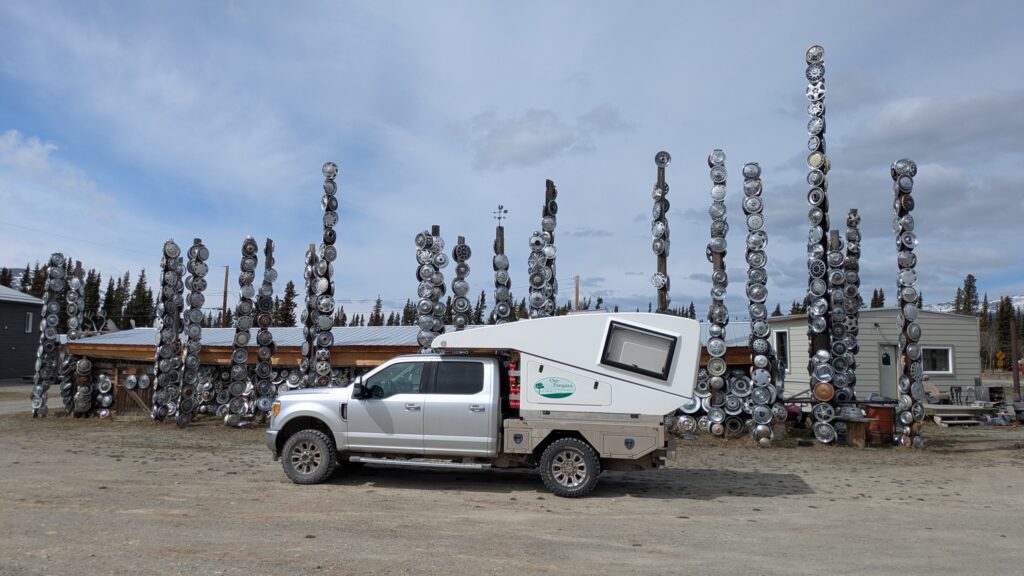
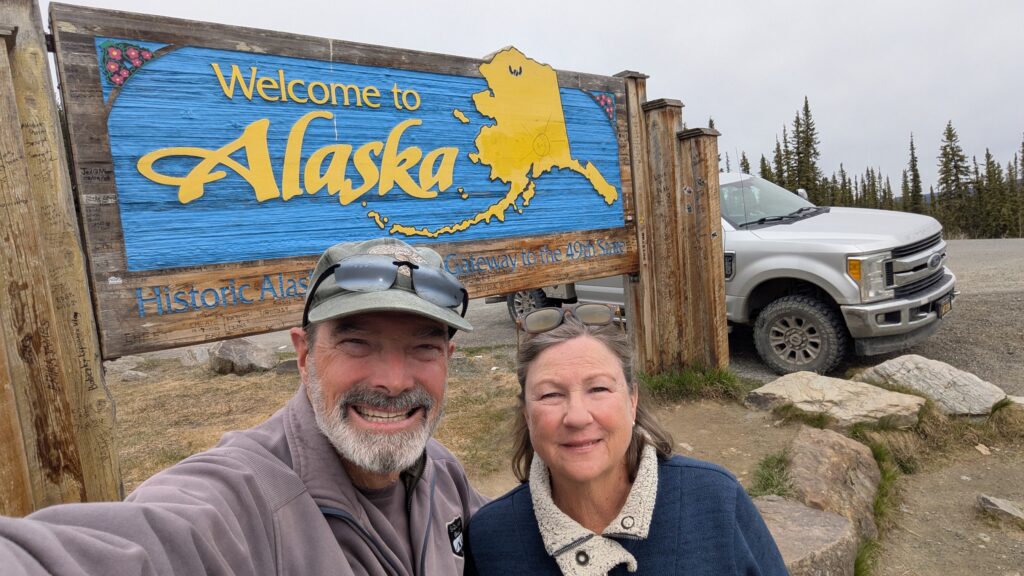
We finally made it to the town of Beaver Creek where we drove out of Canada without even a wave goodbye from the authorities and soon thereafter crossed into Alaska with a friendly welcome by the Customs and Immigration guy. We were back in Alaska, just as we had promised ourselves nine years ago when we reluctantly left that time. Northern Canada had been great and we were keen to see if Alaska could beat it.
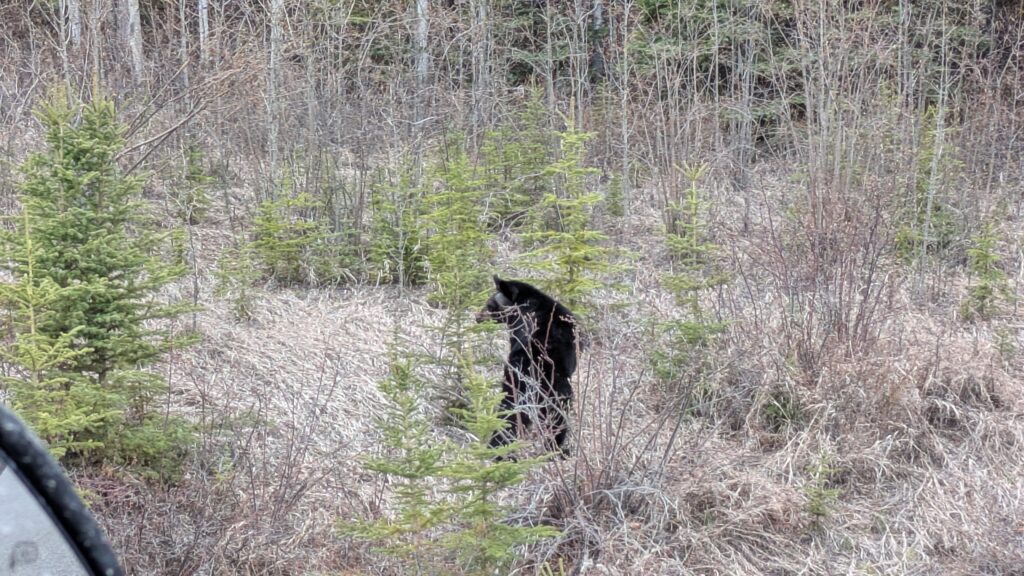
It started off well with much improved roads compared to the very permafrost-damaged roads in the Yukon. It also started well with the Tetlin National Wildlife Refuge, a huge protected area that provides critical resting and feeding grounds for animals and birds as they migrate north or south on a seasonal basis.
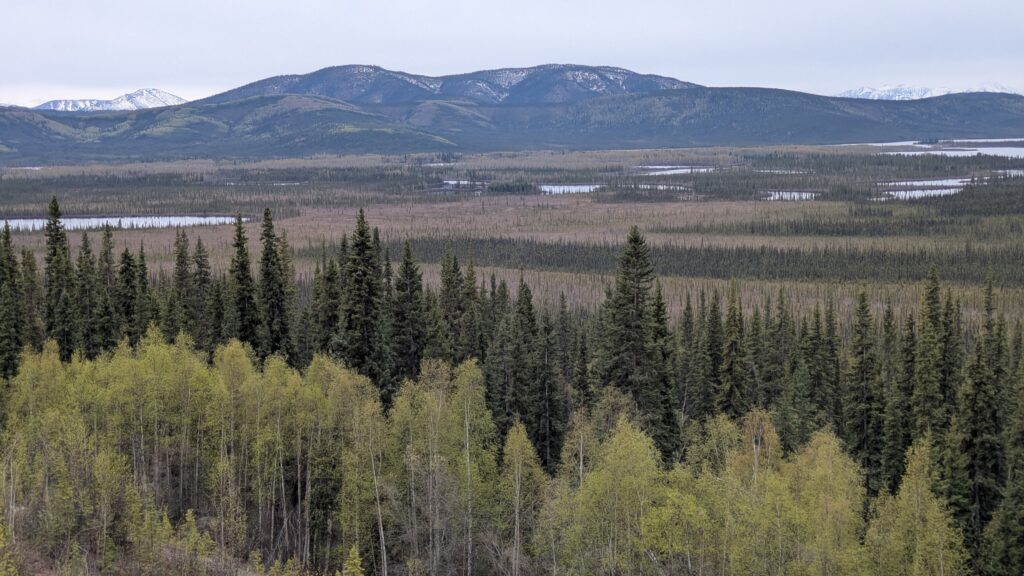
This land was originally inhabited by different groups of the Athabascan Native Americans and we detoured into the heart of the protected area to visit Northway, or as they call it – Naabia Niign – one of the villages they still call home. The wild and rolly-polly road through the marshes and across the stream was very cool, the village not too much.
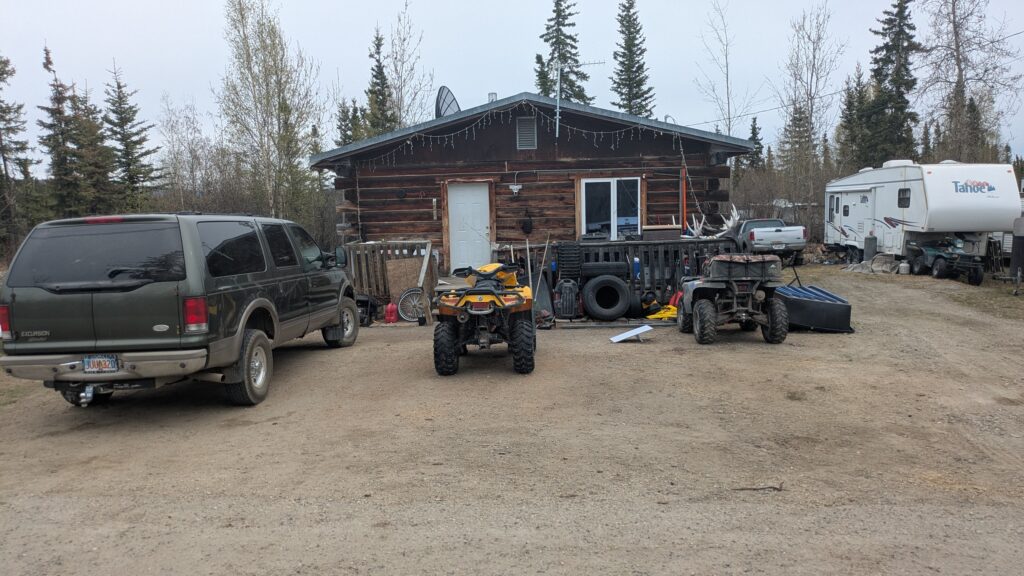
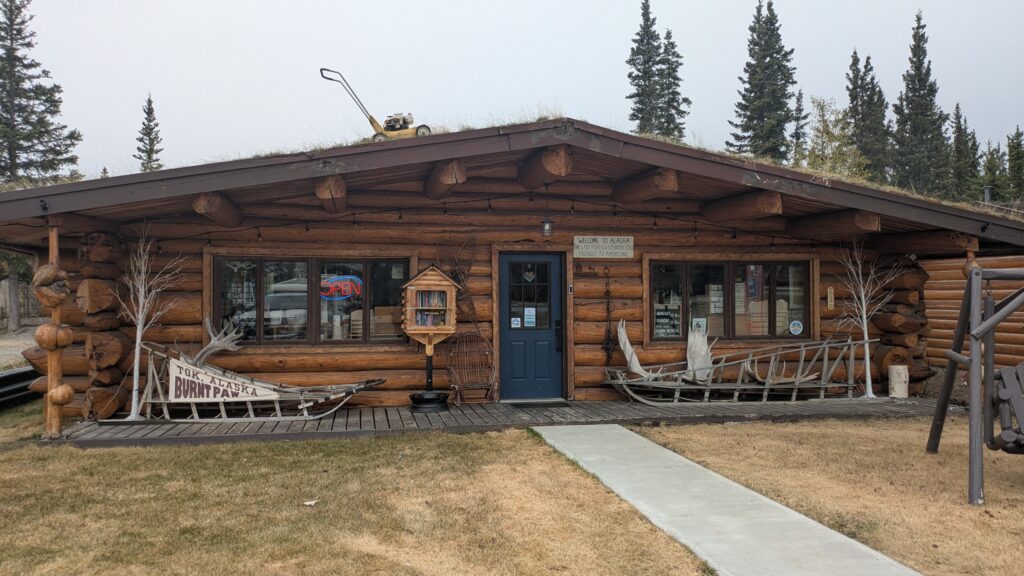
We finally arrive at the town of Tok, our first Alaskan town and home to about 1,200 year-round people. When you look at a map of Alaska you can’t help but notice that just about every paved road in the eastern part of the state go to Tok. In this vast open wilderness Tok is the centre of the universe. And fun fact, it’s also known as the ‘Sled Dog Capital of Alaska’ for it’s annual races.
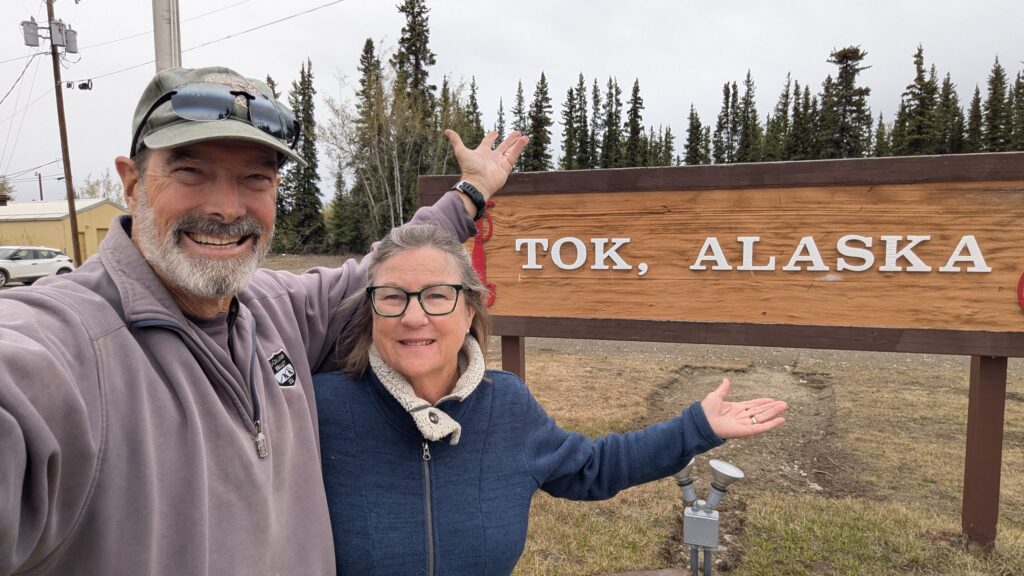
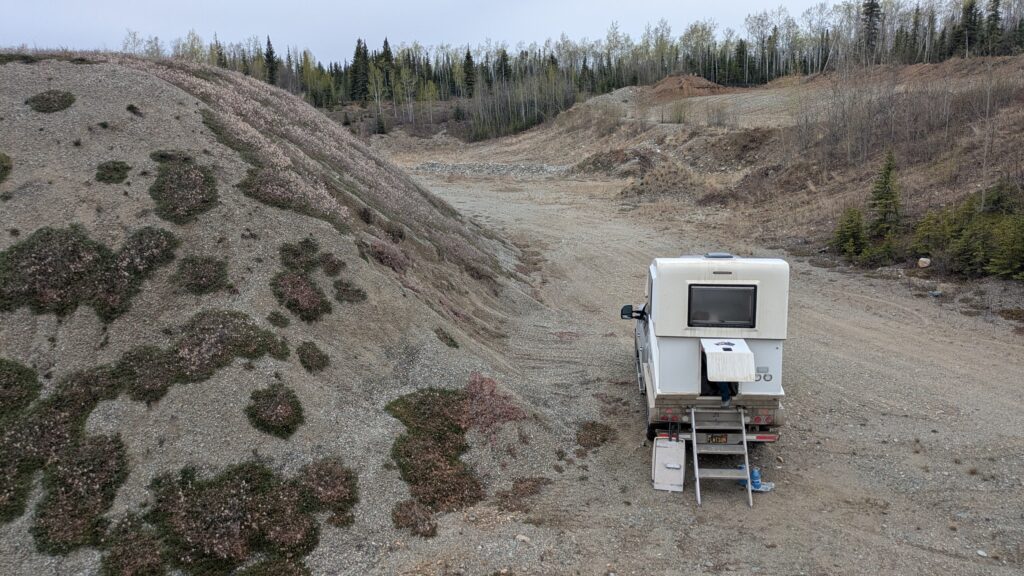
We refuelled and bought some booze, not because we were thirsty but more because it’s so much cheaper in the US compared to Canada, and tootled down the road towards Fairbanks until we found another gravel pit to call home. The clouds had come in, the temperature had dropped and the drizzle was on.
The Yukon has been amazing, a fabulous outdoor adventure playground with unlimited opportunities if you’re into that, and we know we’ll be back later on this trip.
Wonderful scenery. Really enjoying your travels (as usual). Love to you both.
Hi Wendy, thanks for the note. We’re loving it up here, that’s for sure! Take care, Bill
Howdy Julie & Bill
Looks like you’re having a fabbo time…not so much Tramp maybe!
The Yukon certainly looks majestically beautiful!
Stay warm and keep truckjn’
Susie xx
Hi Susie,
Yes, poor Tramp is giving us a hard time right now but hopefully things will get better soon. And Yukon absolutely rocks – it’s got everything we love. Take care to you and Sean. Bill