The Aleutian Islands
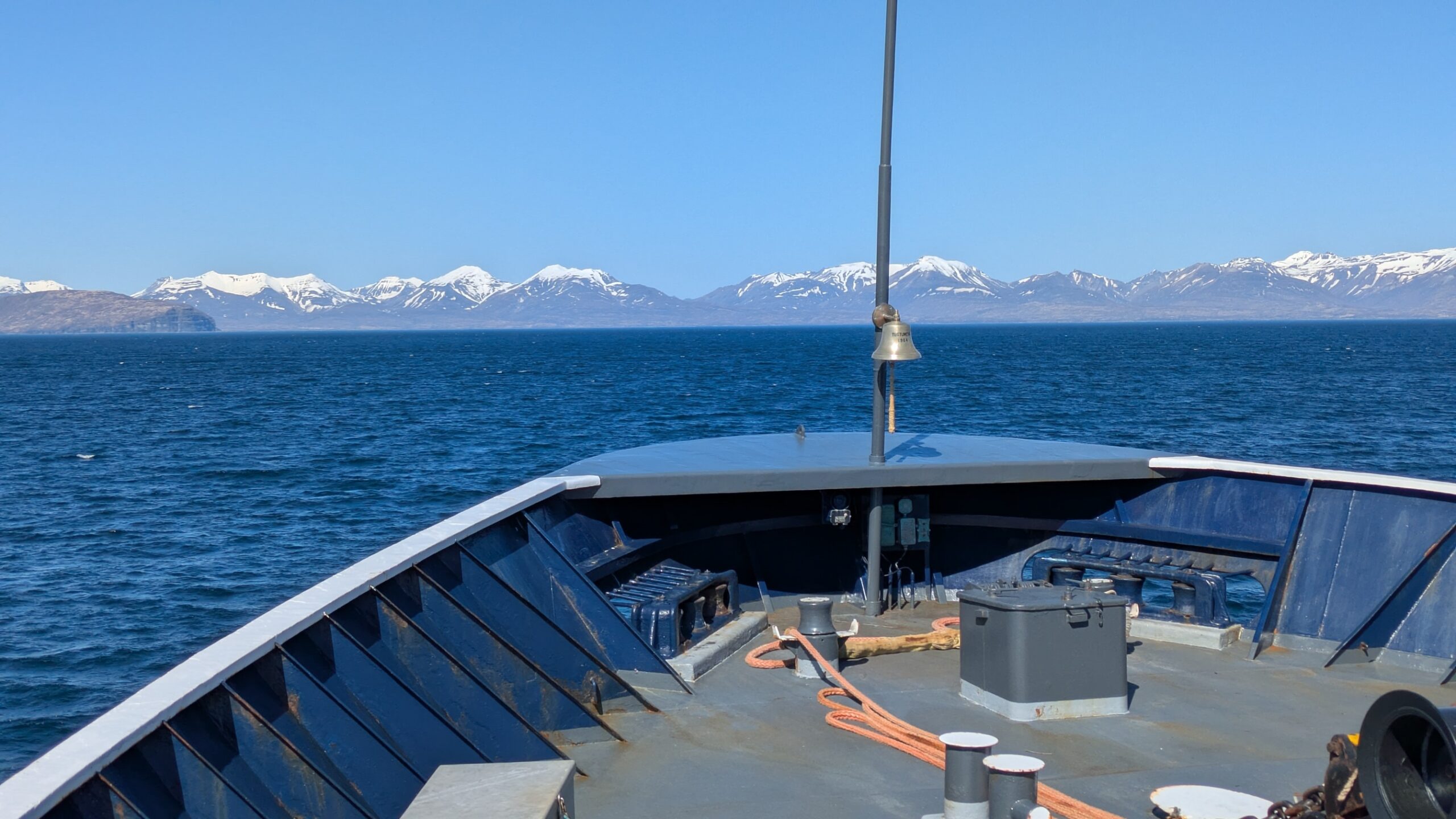
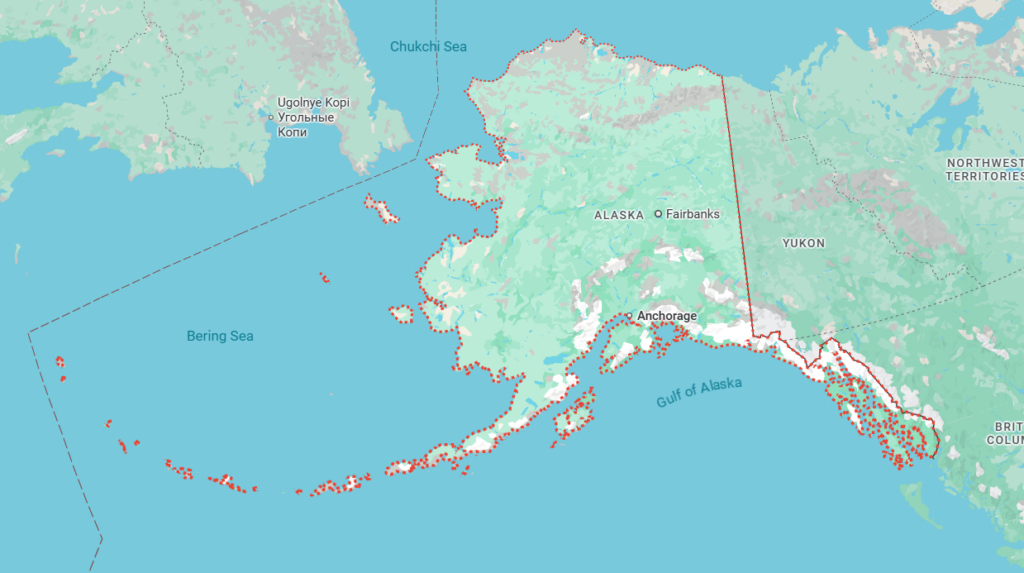
As a young geographer growing up I always thought the state of Alaska was shaped like an elephant’s head, which was kinda odd considering how many elephants there are in Alaska. The key to my imagination was the string of islands that stick out in the North Pacific Ocean just like an elephant’s trunk. That mysterious, remote, obscure and compelling string of islands is call the Aleutian Islands. And we were headed that way.
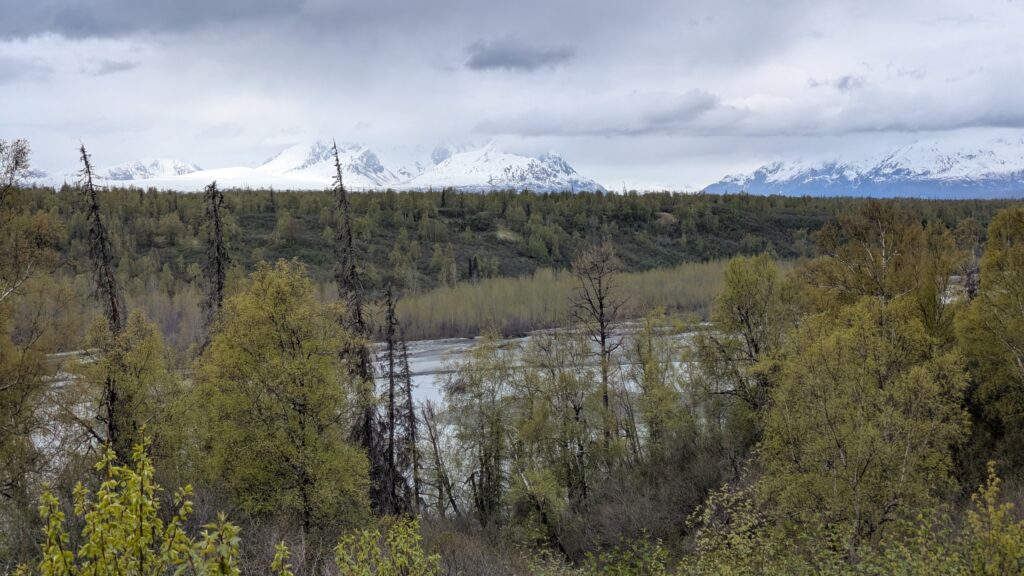
We drove south from Denali National Park towards Anchorage on a cold and slushy day hovering just above freezing. The cloud cover was like a curtain set half way down, exposing the snowy bottom of the Alaska Range but teasing us with what might be hidden behind. We stopped at multiple pull outs designed to showcase this magnificent range of mountains, and in particular show off Denali (technically, the name of the mountain was officially changed back to Mt. McKinley recently by Washington DC but the locals all still refer to as Denali). But no luck at all, Denali was hiding behind the curtain of clouds and there was nothing we could do.
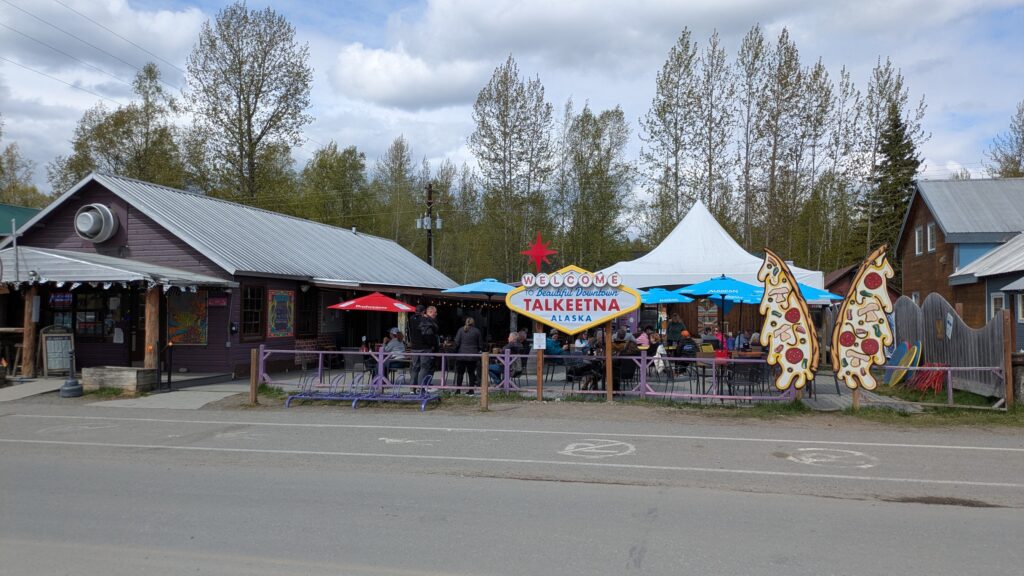
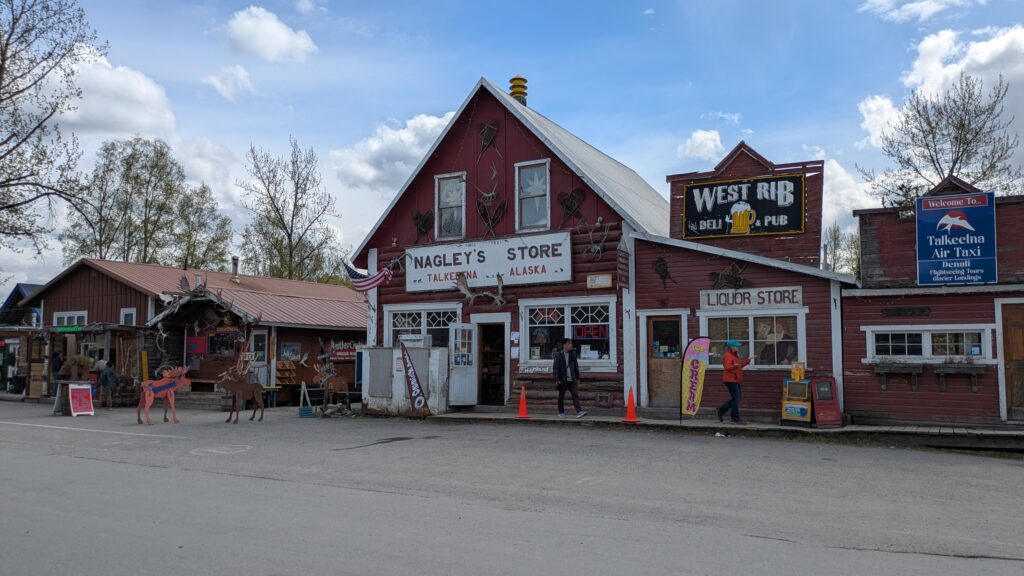
We stopped at the quirky touristy town of Talkeetna, rich in history related to the mountains and today offering a cool sort of alternative vibe with it’s tourist shops and eateries. It is also a must see for the cruise line tourist buses that haunt this road and we ended up seeing more people in Talkeetna than we had seen in our entire time in rural Alaska.
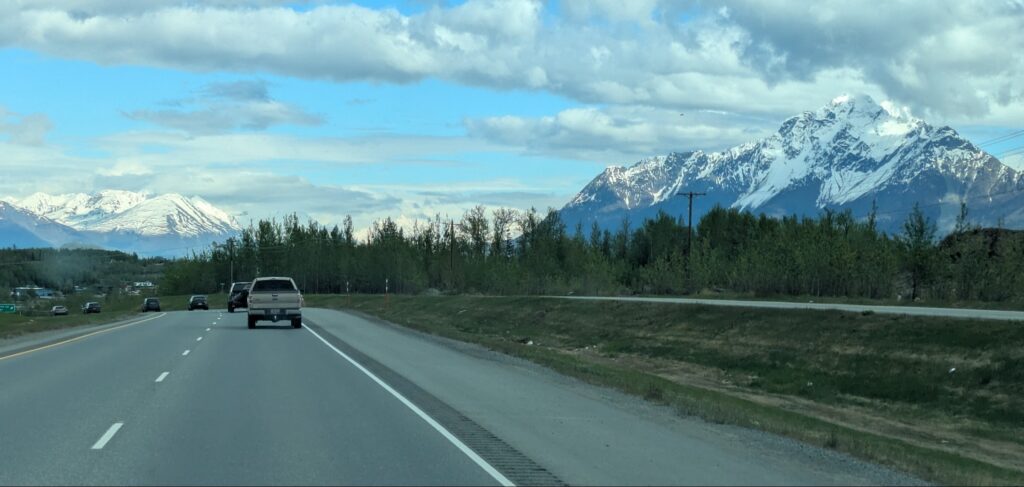
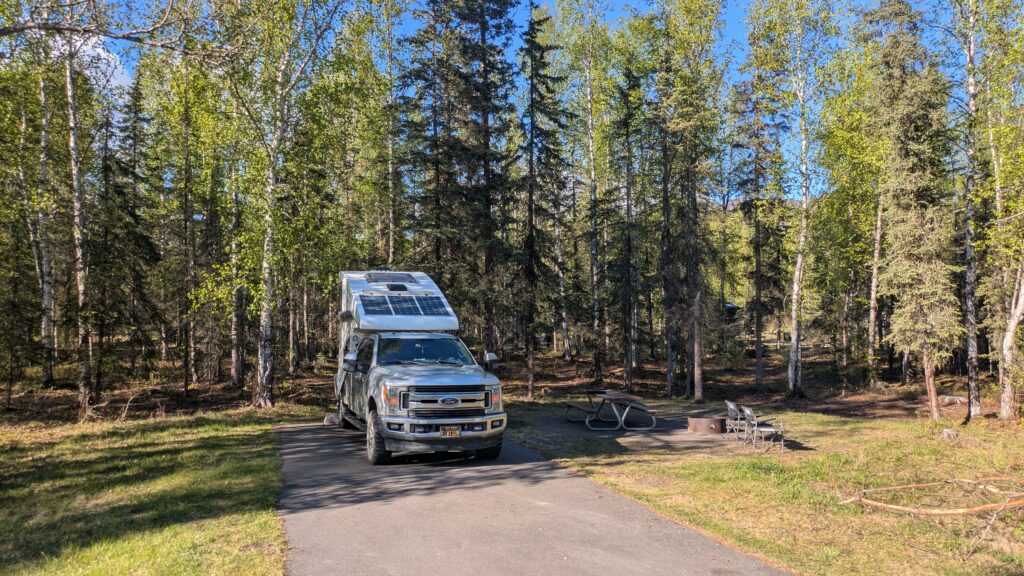
Leaving the Alaska Range behind we were greeted full frontal by the Chugach Mountains, no less spectacular and by afternoon delightfully shining in the sunlight. We camped that night in the Chugach State Park, not far from Anchorage.
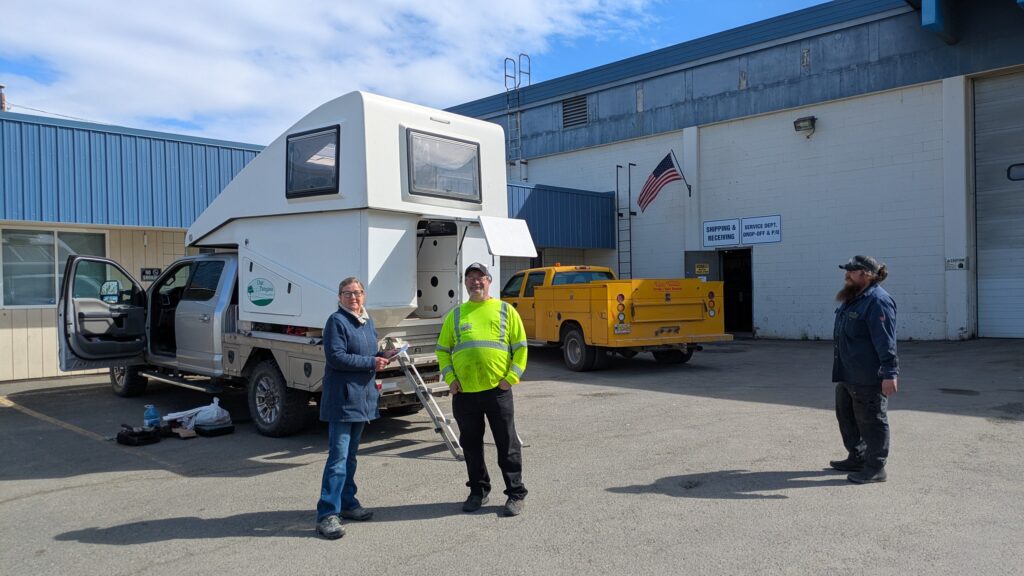
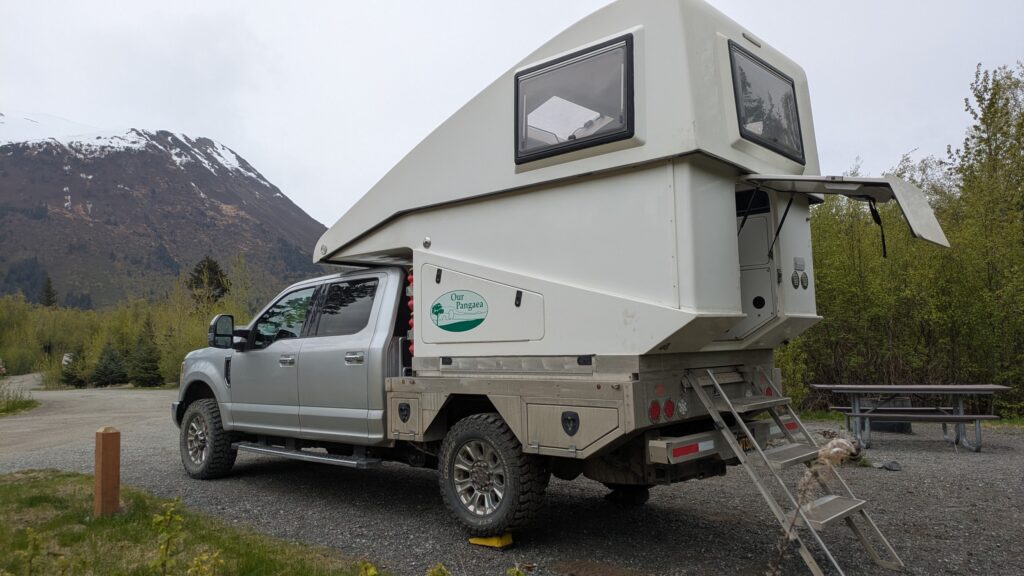
Under beaut blue sunny skies, the next day we headed into the big smoke, Alaska’s largest city by far, for more remedial work on Tramp. Because nobody wants to hear about a guy’s hydraulic problems I will only say we made some progress but the overriding problem remains. Tramp’s top goes up badly crooked and risks failing at any time.
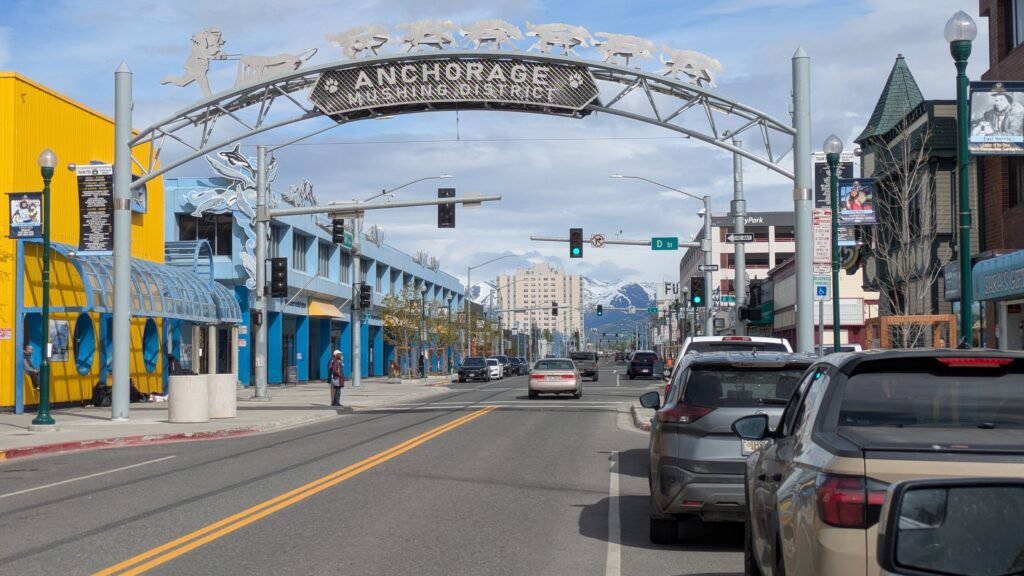
We spent time in downtown Anchorage, hitting tourist shops and enjoying the town which was surprisingly quiet despite the cruise ship passengers wandering around aimlessly. We then headed south, following the road as it hugs Turnagain Arm (great name!) which is part of the much larger Cook Inlet and juts into the guts of the jagged snow-capped mountains. The weather turned very grey, cold and windy – to be precise, very Alaskan – and we camped in a little sheltered campsite on the bay’s shore. We were seriously pumped for the Aleutians.

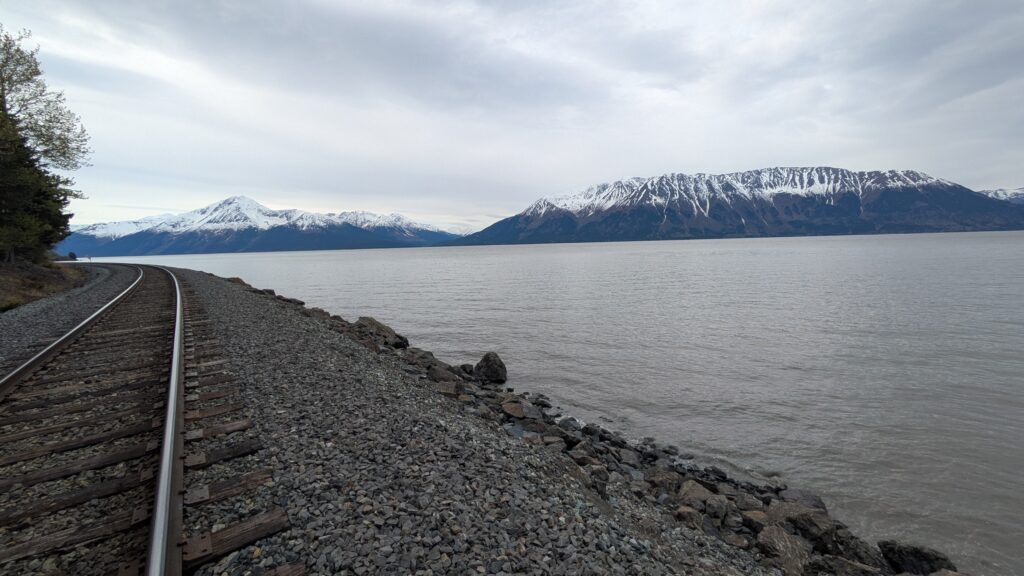
The next day we followed the shores of Turnagain Arm, famous for it’s massive tides, called bore tides, that when the conditions are right can come into the Arm in surfable waves up to six feet high. It was very flat and mellow for us but we stopped to check out a dozen beautiful bald eagles who were resting on the grassy shoreline.
We headed south on the renowned Kenai Peninsula, tall mountains spotted with glaciers all around us. We stopped at one of the lakes for lunch and detoured to the historic town of Kenai for a sneaky-beak. The Russian Orthodox churches on the peninsula reminded us that this was all part of Russia – and populated by Russian fur traders – until 1867 when the US bought it.
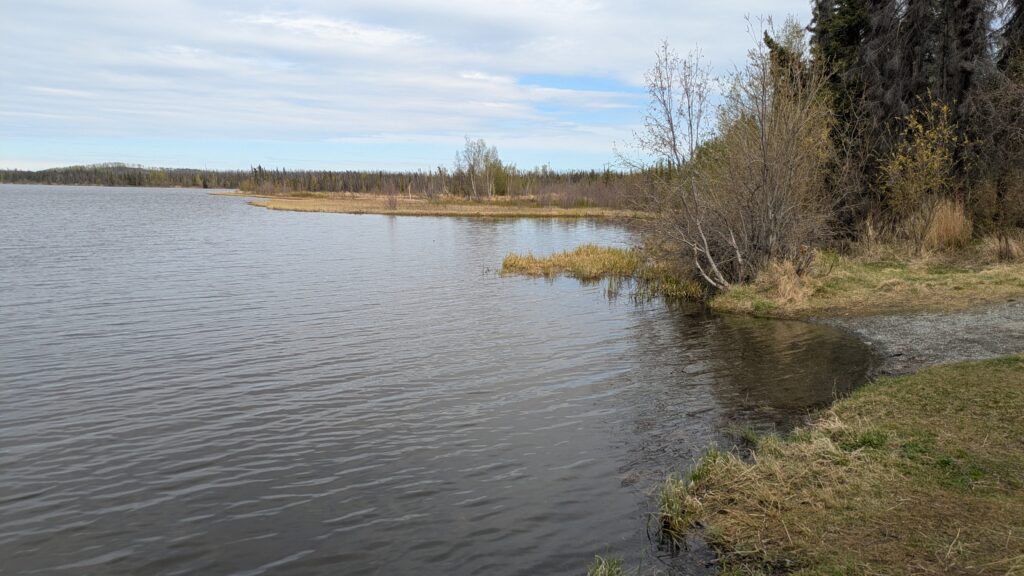
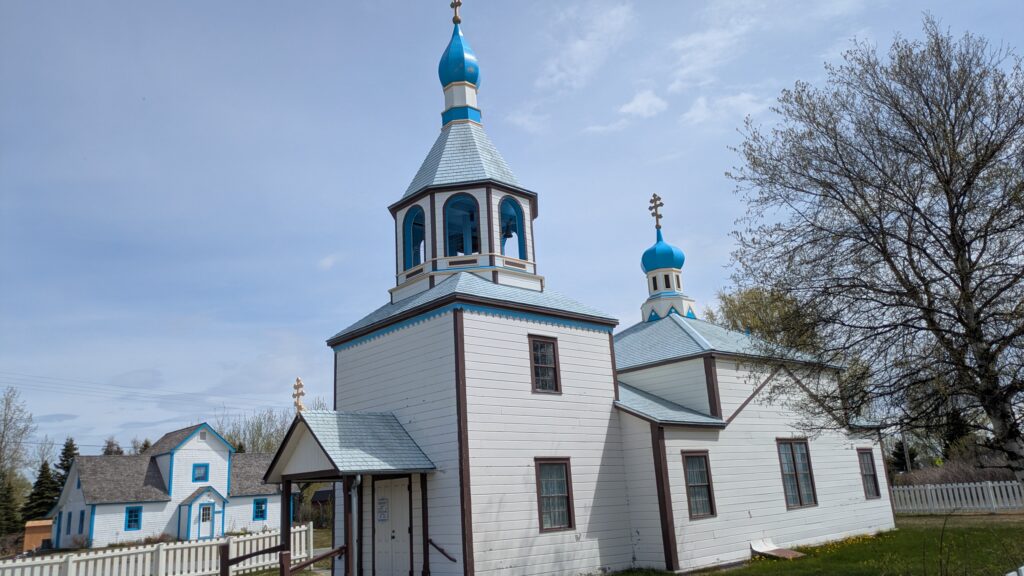
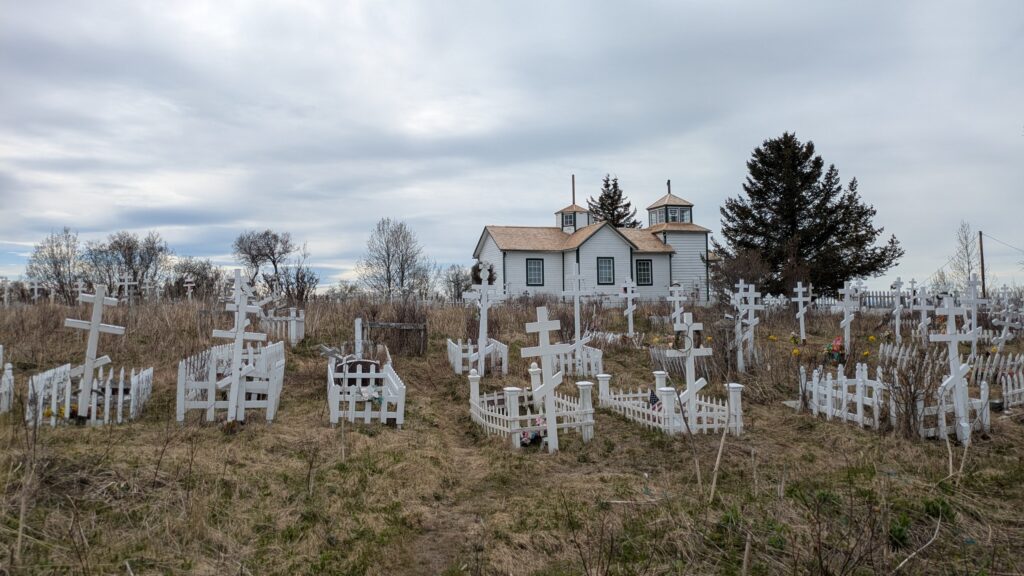
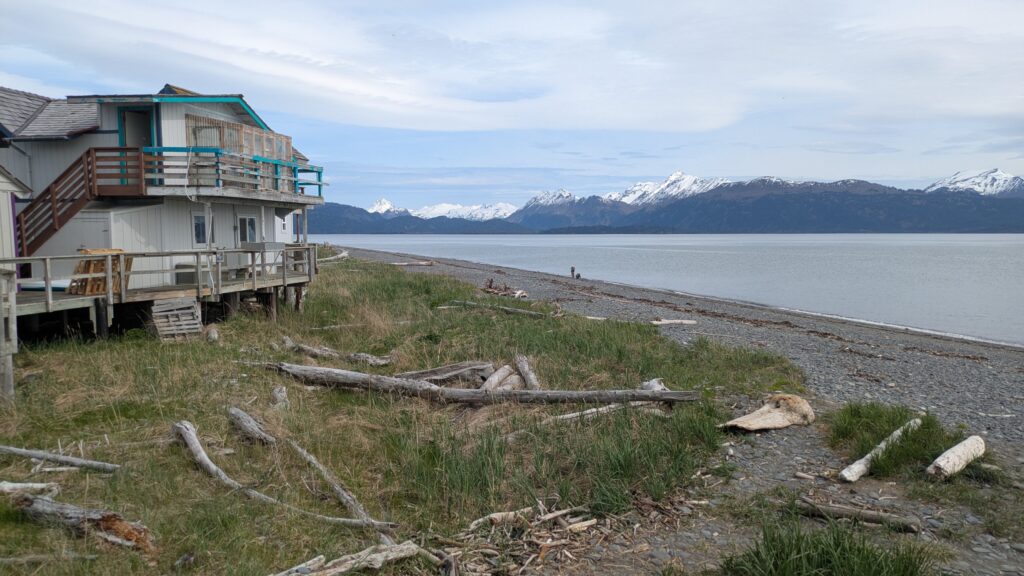
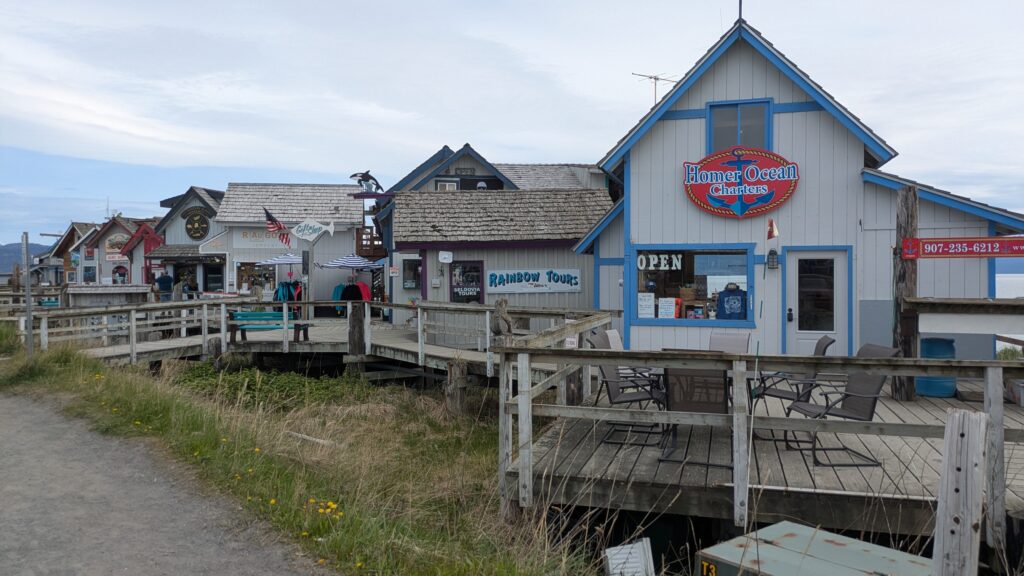
We finally made Homer, the southern most town on the peninsula, and drove out on it’s iconic spit. Homer draws hordes of roaming RV’s in the summer and has the tourist shops, bars and restaurants to prove it. But Homer’s proud claim to fame is that it is the Halibut Fishing Capital of the World and keen fishers from everywhere come down to fish for the prized Halibut. Sadly we weren’t here in an RV and we weren’t here to fish. We were here to catch a ferry.
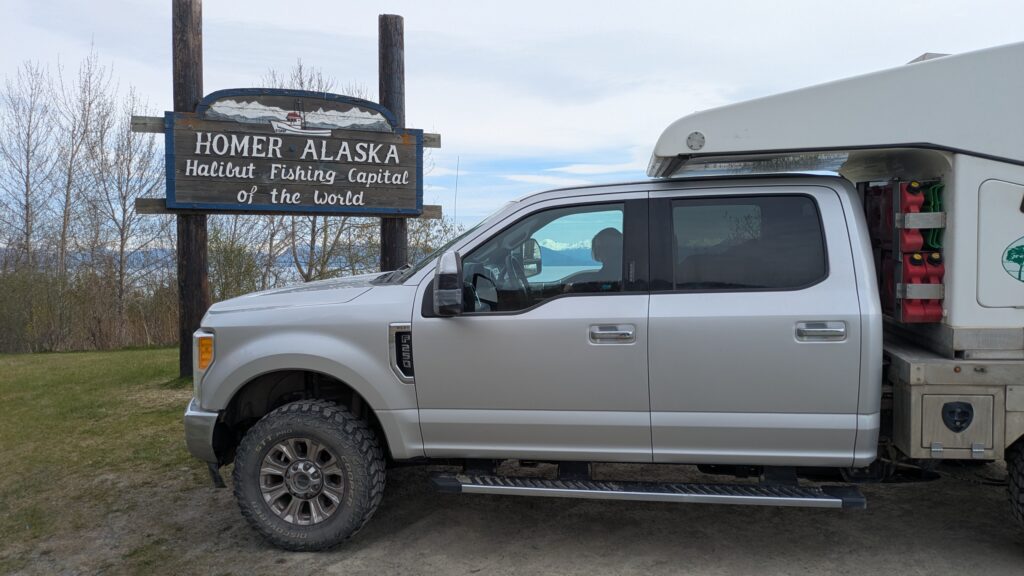
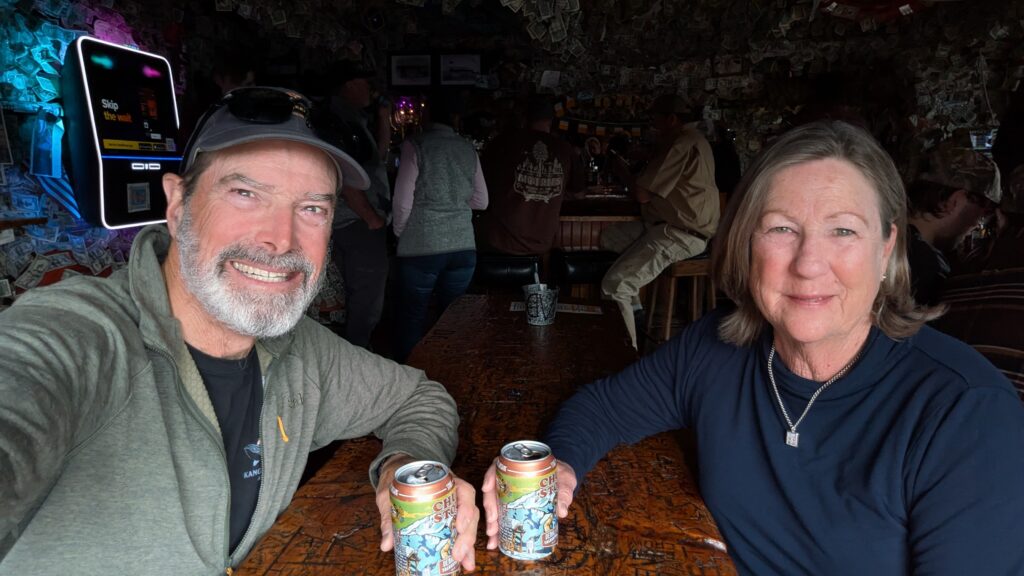
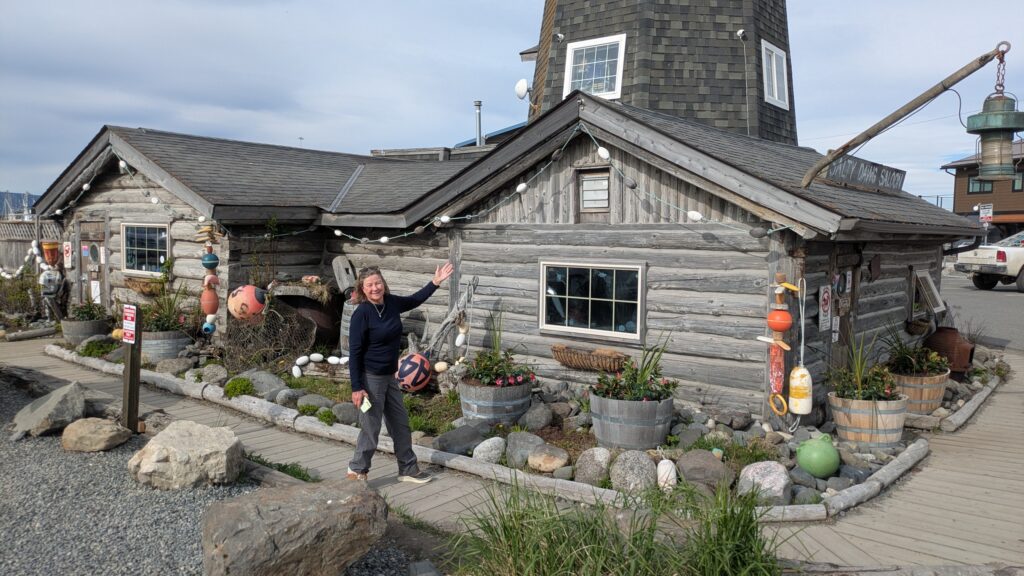
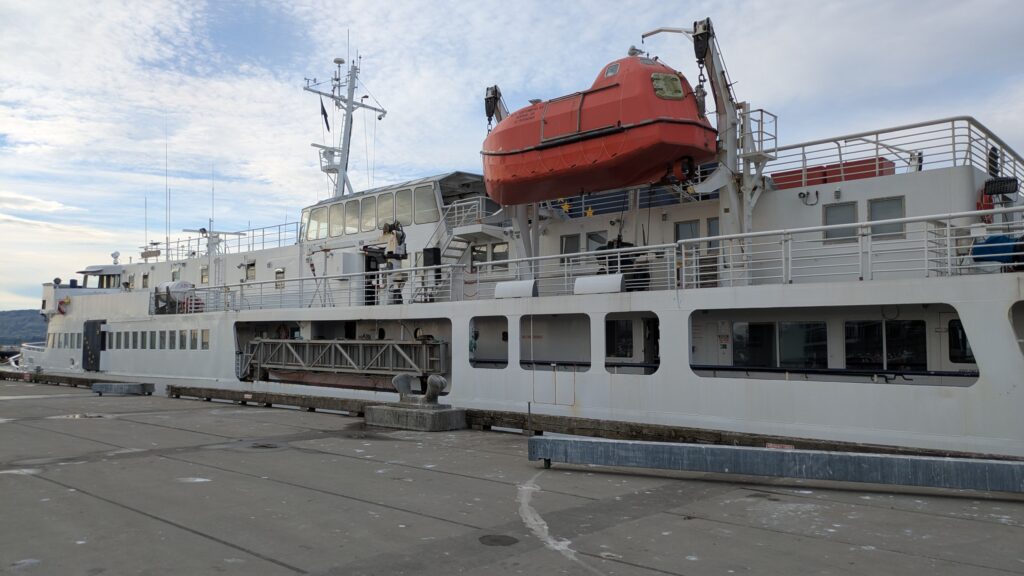
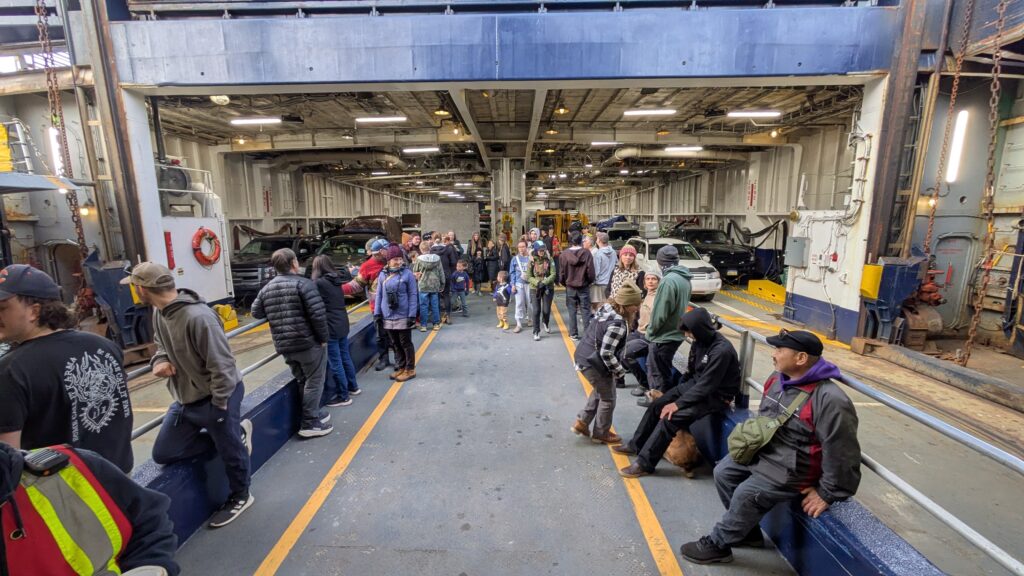
After a beer in the legendary Salty Dawg Saloon and local fish and chips we boarded the M/V Tustumena for our much-anticipated four day and four night trip down the Aleutian Islands. As the sun shined on the snow-capped mountains opposite the Cook Inlet we waited and waited and waited until our 9pm departure finally happened at 11.45pm. It was our first lesson in the (lack of) timeliness of the Alaska Maritime Highway Service.

The Tustumena was first built in 1964, making it a staggering 62 years old, and has gained the affectionate nickname ‘The Trusty Tusty’, or as we adopted to it – The Trusty Rusty Tusty. Never mind, it was our home for the next four days and we loved it.
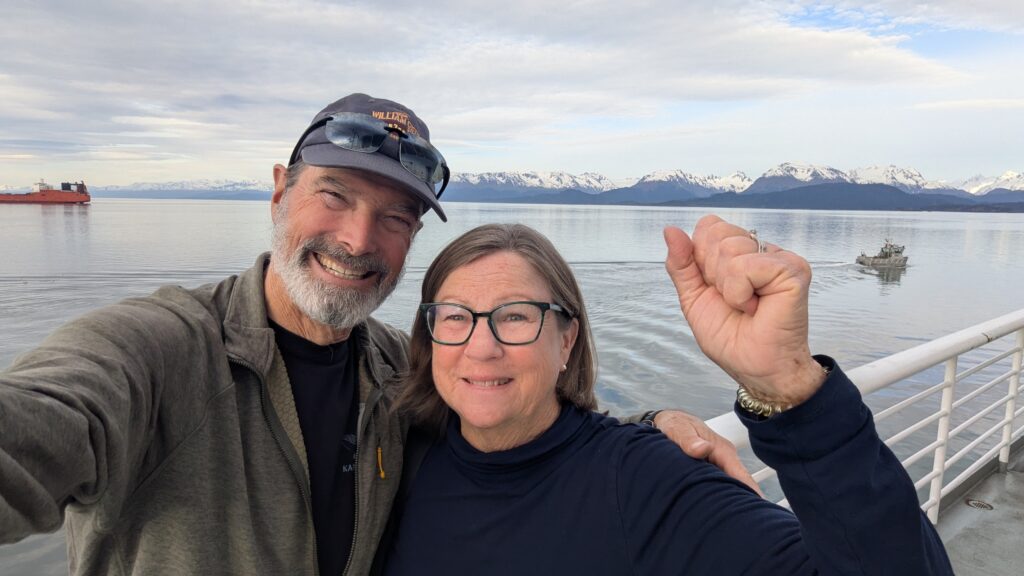
We finally managed to commandeer a booth and had a decent sleep, only to wake in the morning as we pulled into our first port of call – Kodiak on Kodiak Island. Kodiak Island, nicknamed the Emerald Isle, is an rugged outlier of the Kenai range of mountains which are on the mainland. The town of Kodiak has been home to the fishing industry since ancient times and is still absolutely fundamental to the island’s existence.
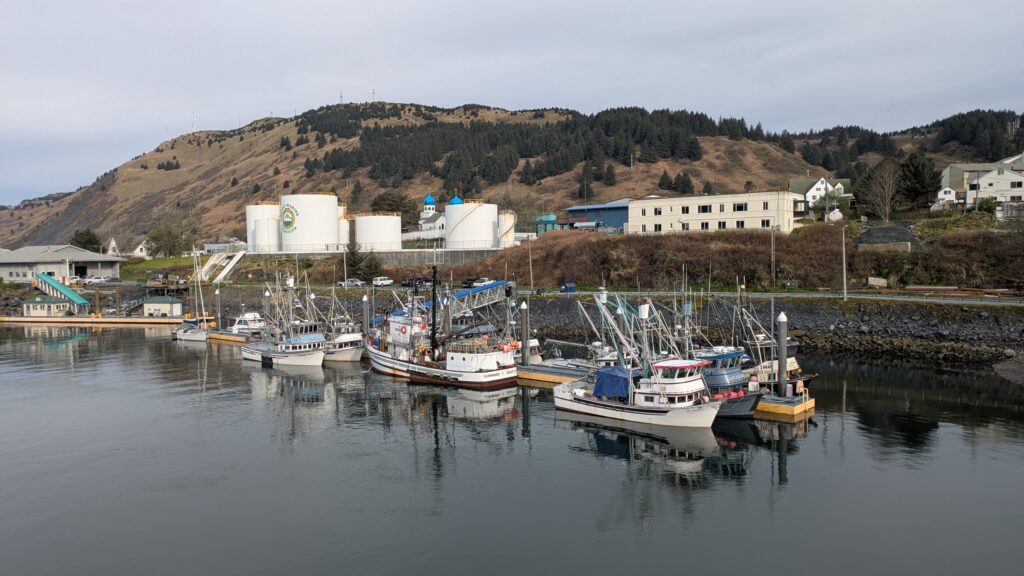
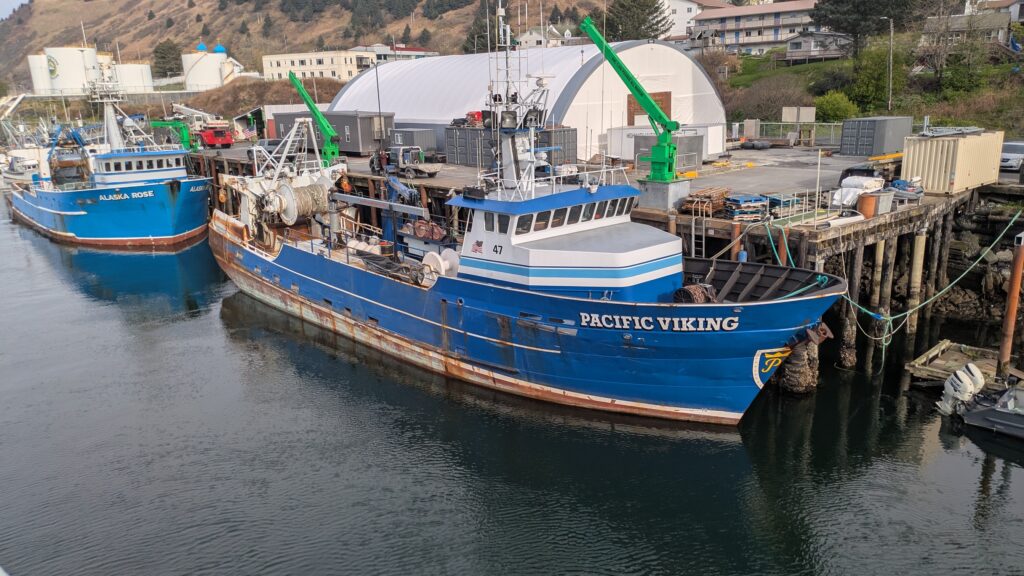
During our two hour exploration of the town while our ship was unloaded and reloaded with supplies moving from island to island we had a coffee and explored the town, the port (the largest commercial fishing port in the US) and the museums.
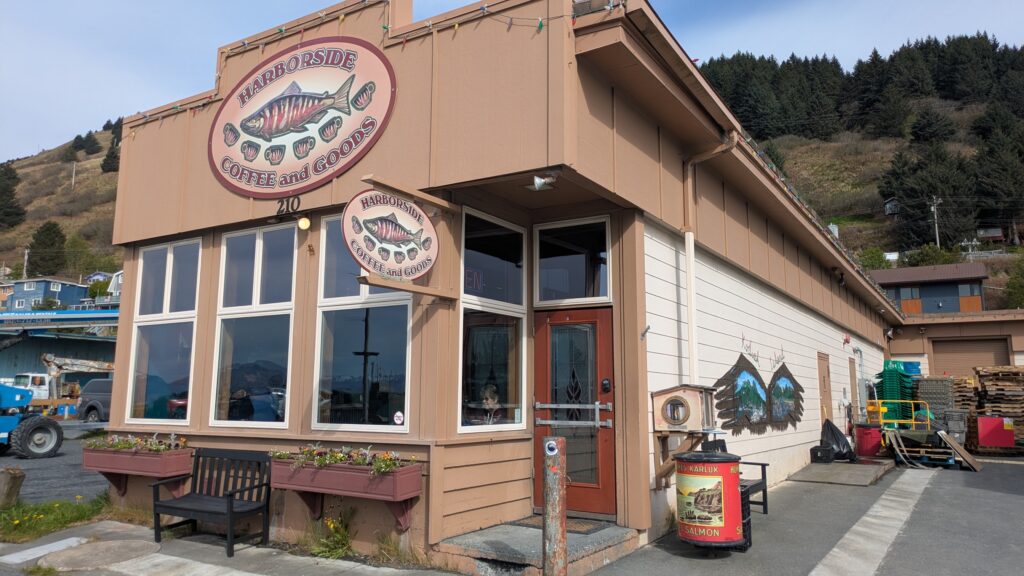
The community has a fascinating history over thousands of years, including the arrival of the fur-trading Russians and then the Americans, the fishing and canning industries, the massive earthquake in 1964 which virtually destroyed the town, and it’s modern fishing success story. Today it is a hard core working class town with mountain and ocean charm. We loved it.
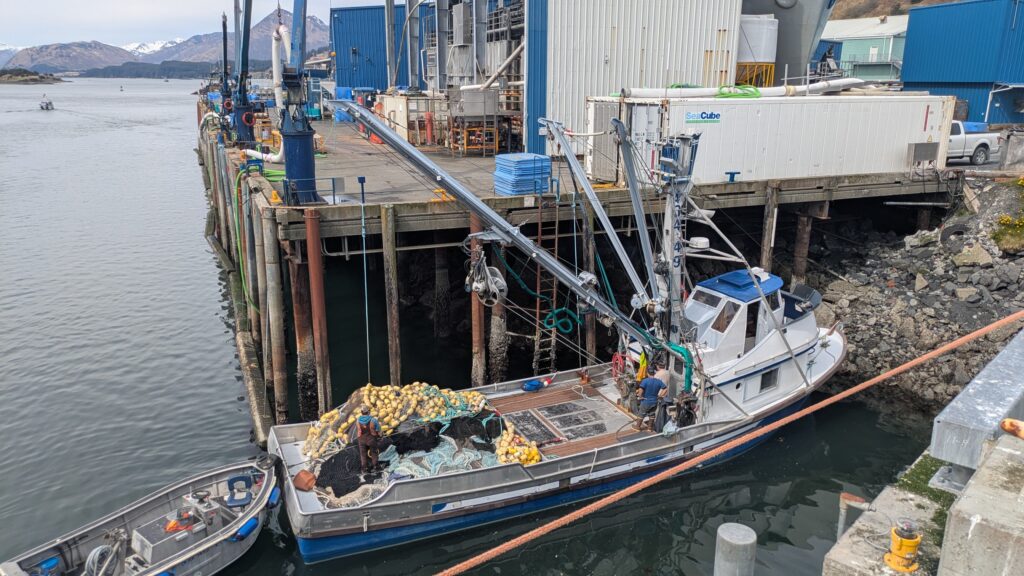
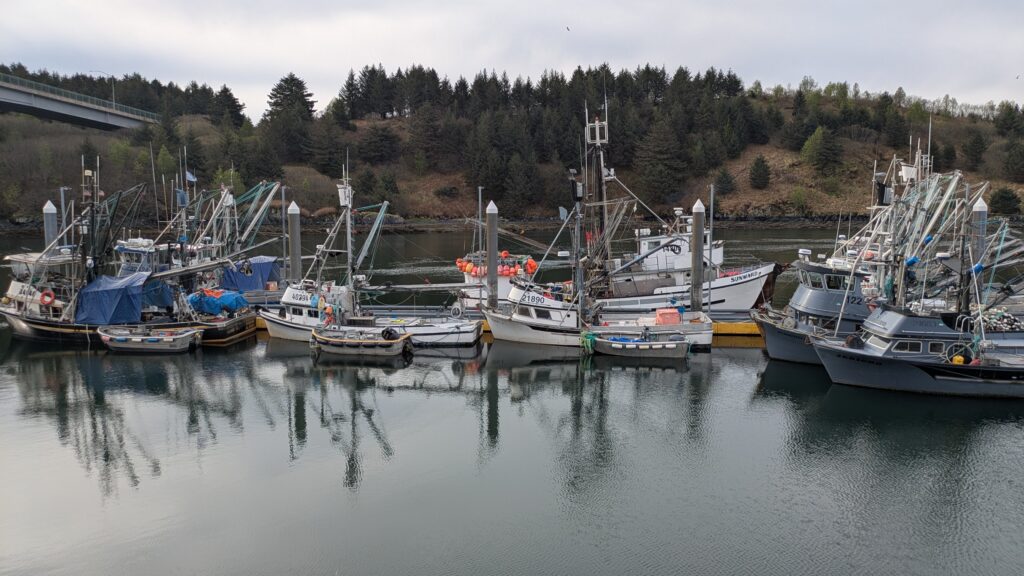
We finally set sail again almost two hours late, but no one seemed to mind as we were on Aleutian time. And the Aleutians have quite an alure to us. With 26 out of the 47 active volcanos in the US the Aleutians are a very active and volatile area. And with indigenous fishing villages and communities along the long string of remote islands we had the chance to visit them in the Tustumena’s first voyage to the outer islands of 2026. Our final destination is Dutch Harbour which is four days away.
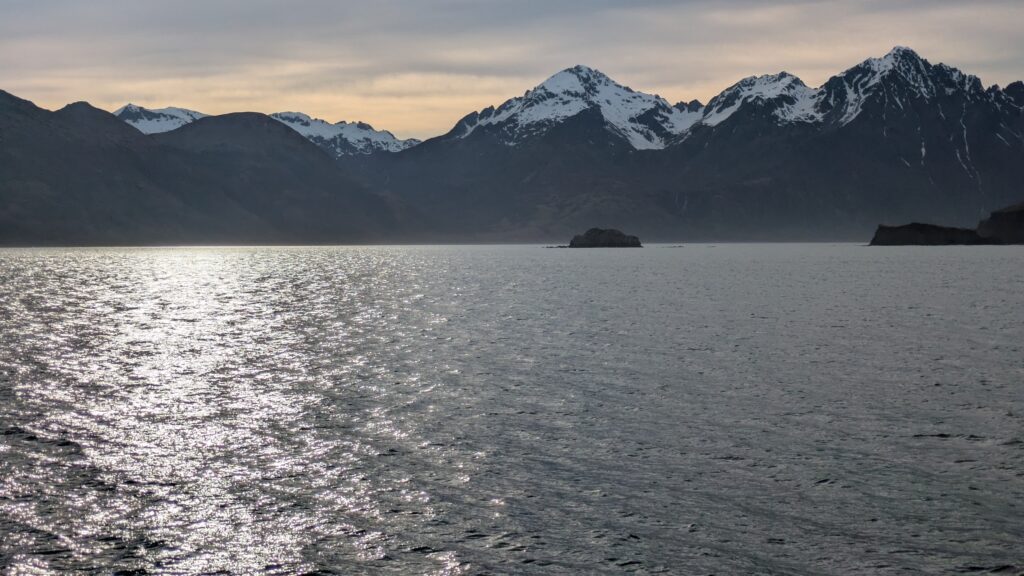
Our next stop on the trip was Old Harbour which is near the southern tip of the huge Kodiak Island. At the town of Kodiak many more people got on than got off, something we didn’t expect, and the boat was quite crowded. The Tustumena is not a big boat and holds 160 people, most of them locals moving to and from their communities.
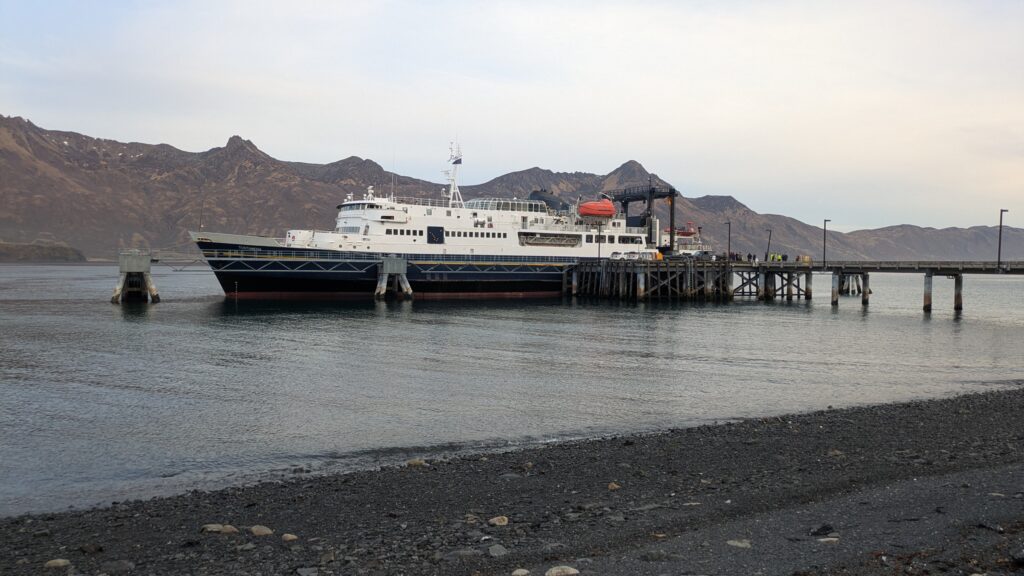
As the afternoon settled in and the seas developed some bumps we enjoyed the rugged coastline and the relaxing downtime the trip provided. We chatted with a few of our fellow travellers, more than half of which were local indigenous people returning to or visiting their communities on the islands. It is fairly tight quarters for so many people to live together in but everyone got along fairly well.
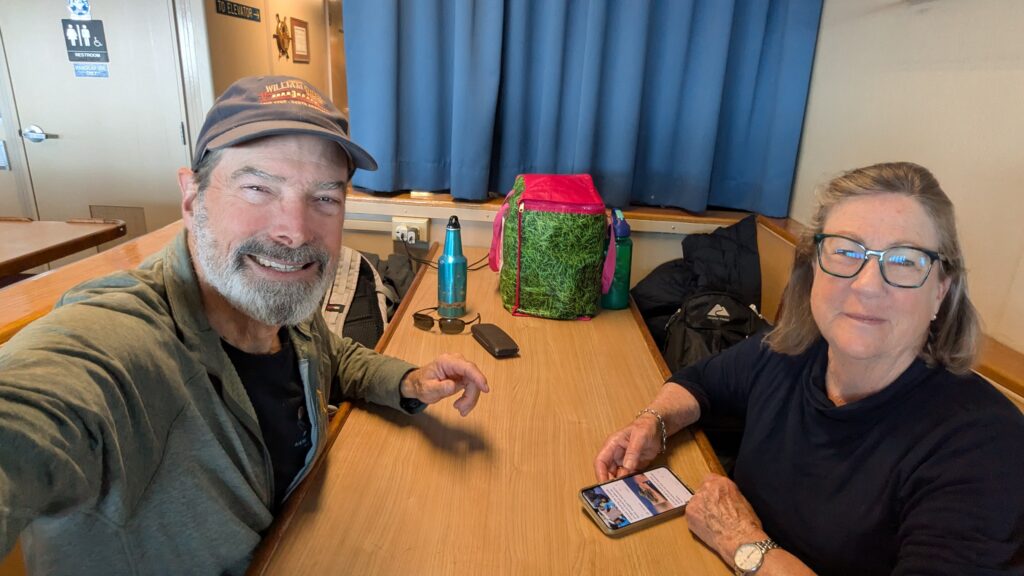
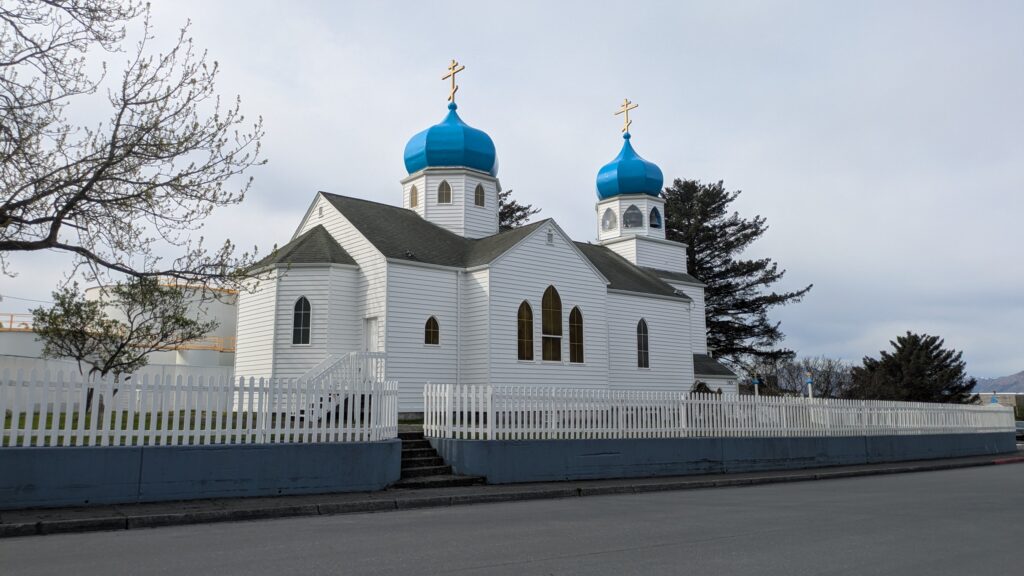
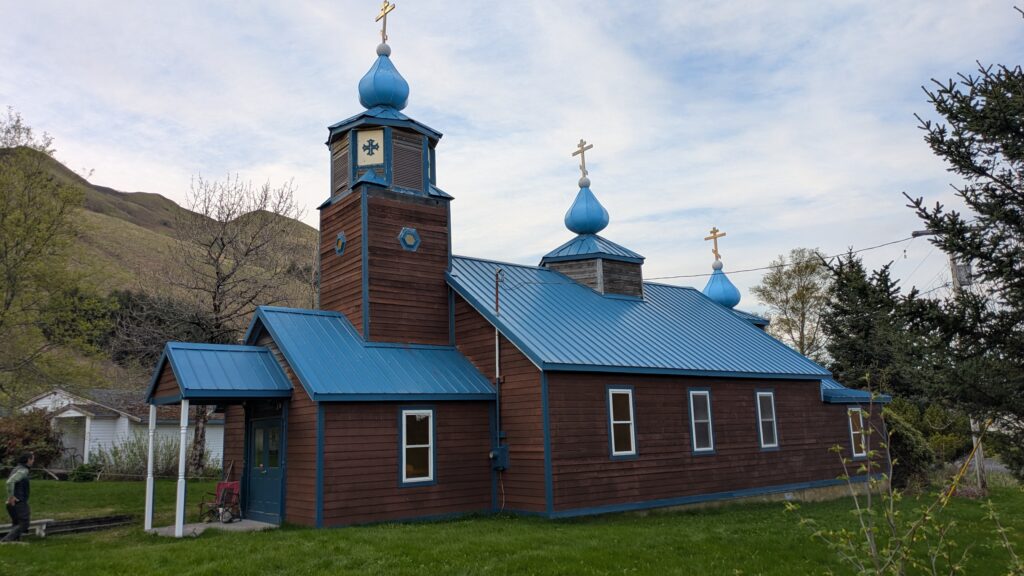
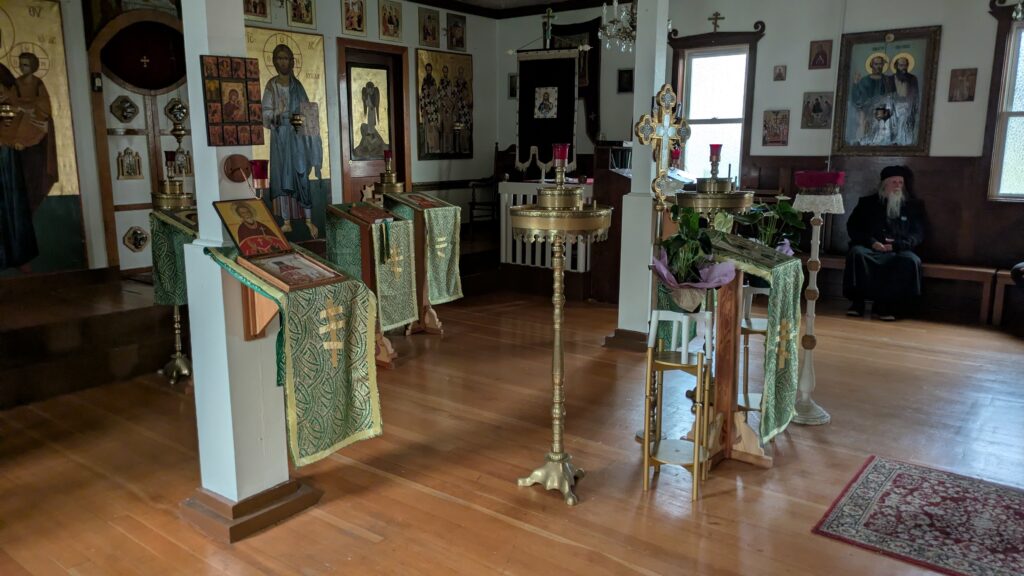
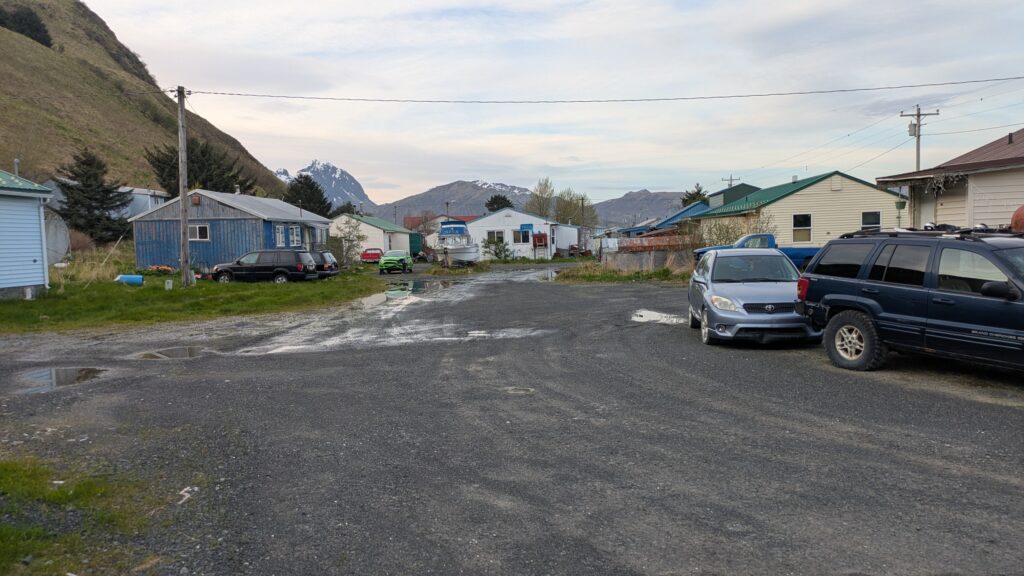
We ordered take away dinner from the restaurant so we could preserve our valuable booth which we were using for sleeping rather than sleep in a slightly-reclining chair. At 9.30pm we arrived at the small community of Old Harbour, population about 200, which featured an exceptionally handsome Orthodox Church built in 1935. After a brief visit to the community the Trusty Tusty pulled away from the port and we set ourselves up for another comfy night in our booth.
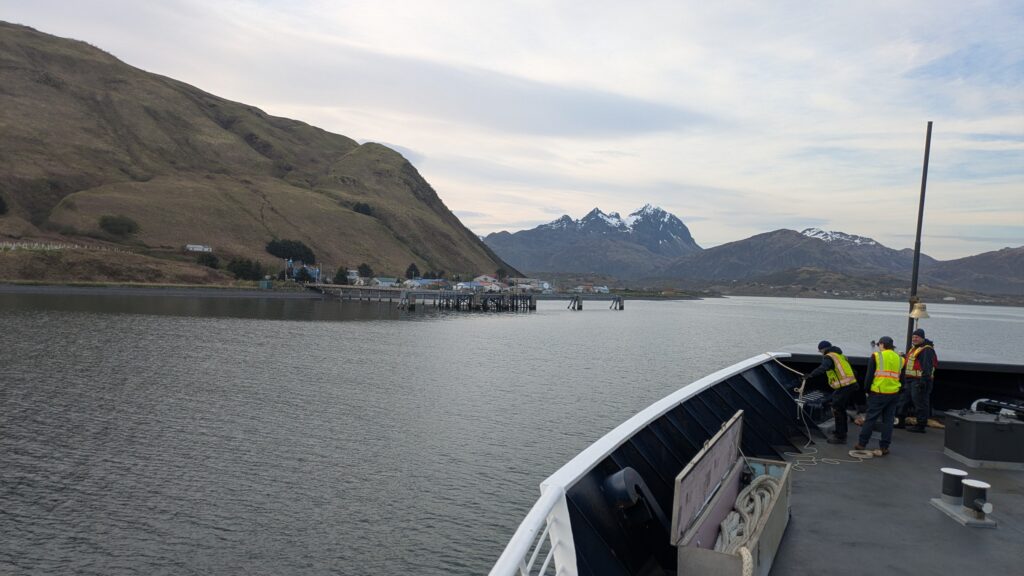
We still had a few days to go on the Aleutian Islands – and then we had to fly back to Homer – but the rewards for this journey had already been worth the effort.
Comments
The Aleutian Islands — No Comments
HTML tags allowed in your comment: <a href="" title=""> <abbr title=""> <acronym title=""> <b> <blockquote cite=""> <cite> <code> <del datetime=""> <em> <i> <q cite=""> <s> <strike> <strong>