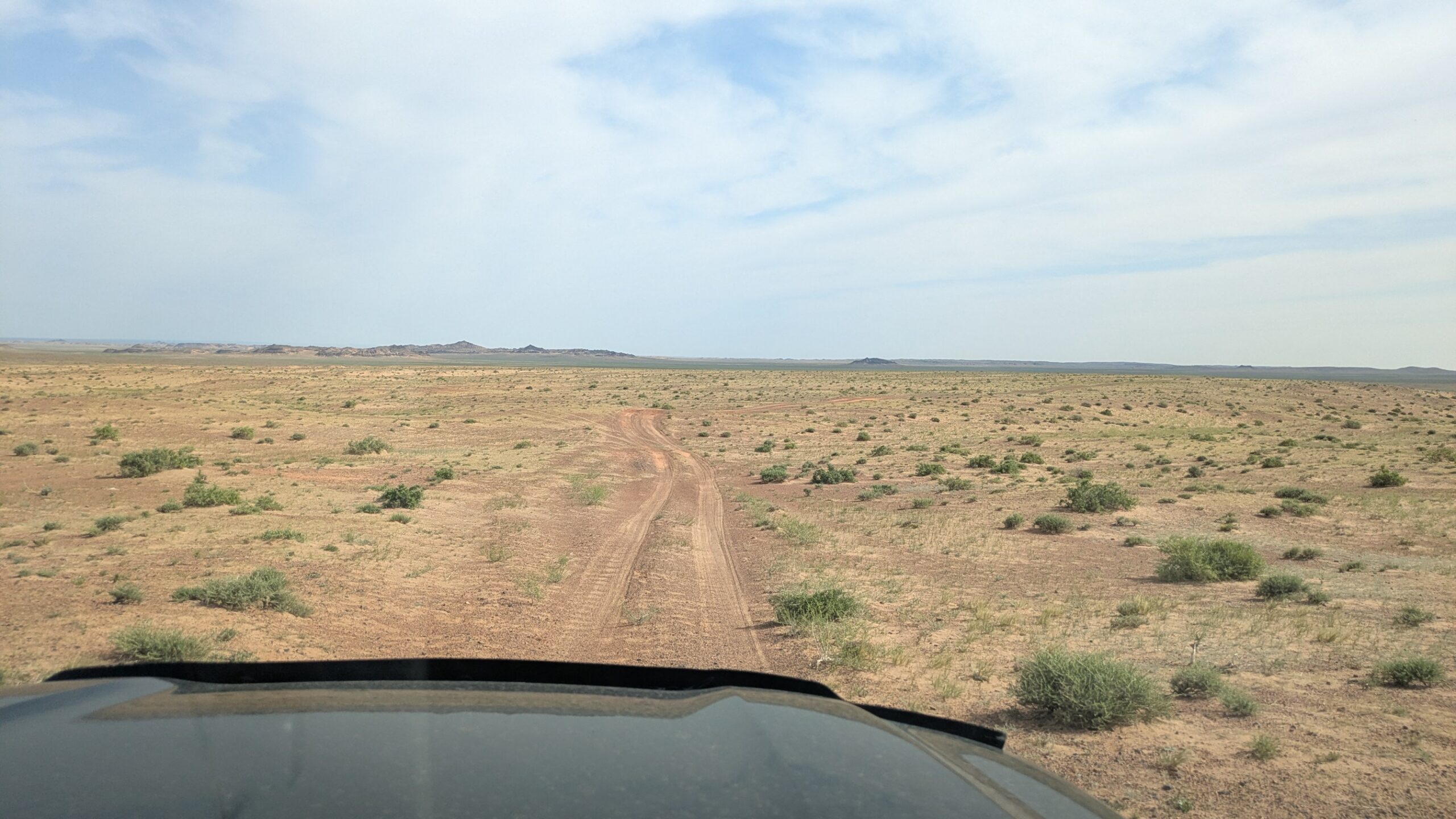
The Gobi keeps going
Mongolia is the ninth largest country in the world and to see it in three weeks with these slow dirt tracks is a big ask. We dreamed up an itinerary that would give us the best the country had to offer within our timeline – and the famous Gobi Desert was our first region of our journey. And there’s much more to Mongolia than just a famous desert.
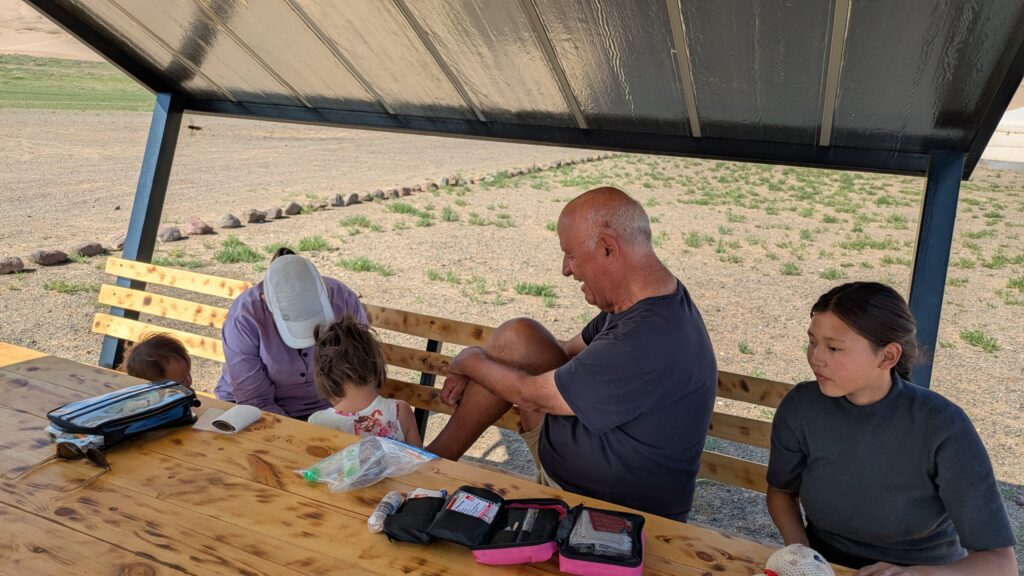
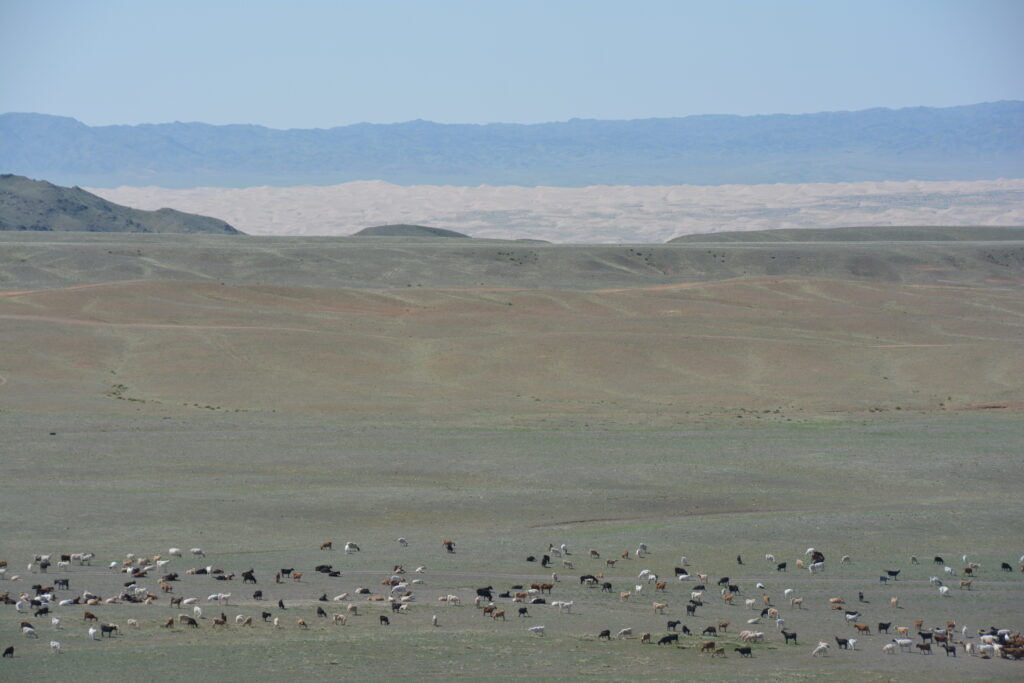
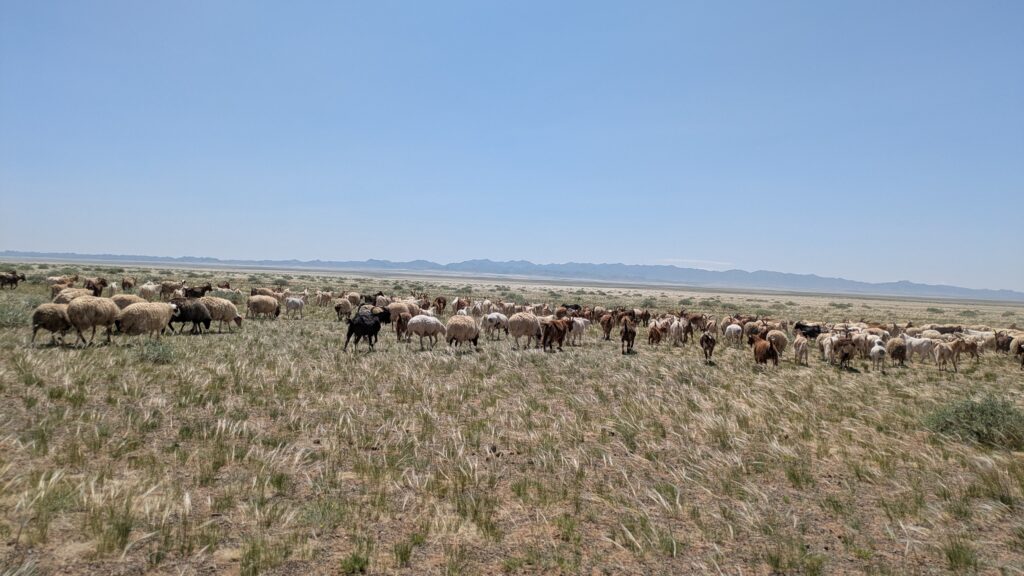
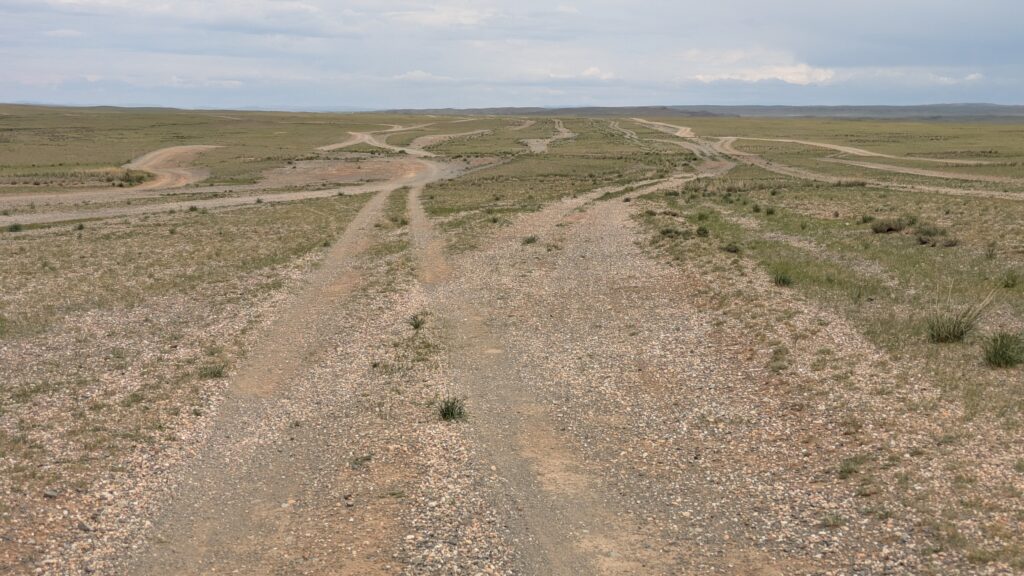
But as it turns out, the desert is hard to leave, partly because it’s so big and partly because there’s so much to see while you’re there. We left our ger near the base of the huge sand dunes and headed eastward across more vast open plains, marveling at the dimensions of this beautiful land and how much there was to enjoy despite the emptiness. There were herds of goats, sheep, camels and horses occasionally crossing the desert and a ger or two used by the local herdsmen during the summer. But mostly it was the limitless spaces of this land that captivated us.
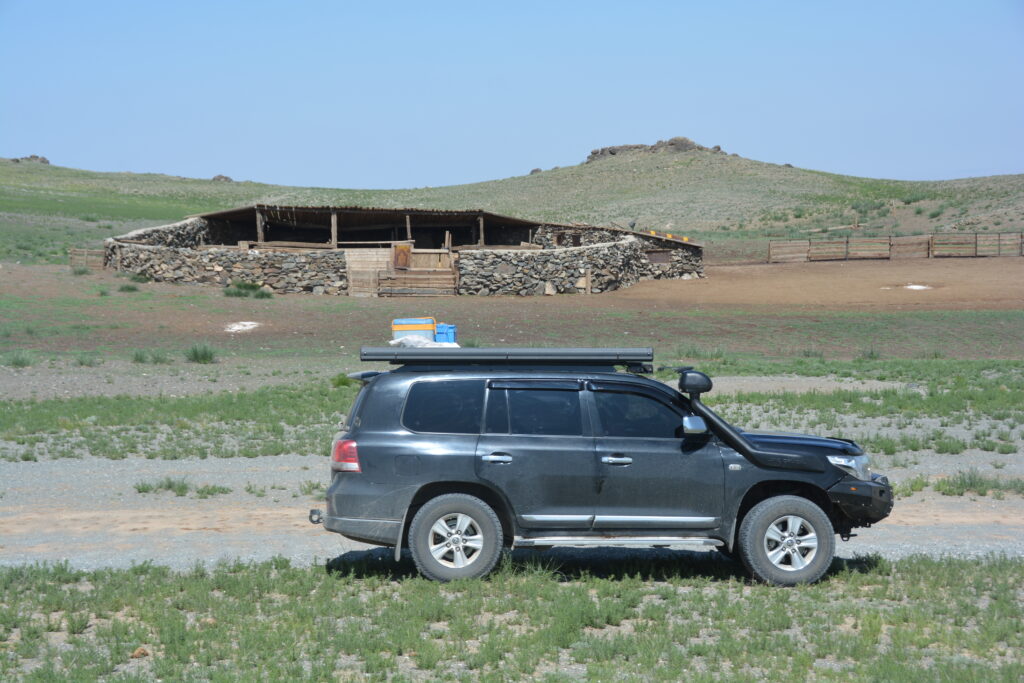
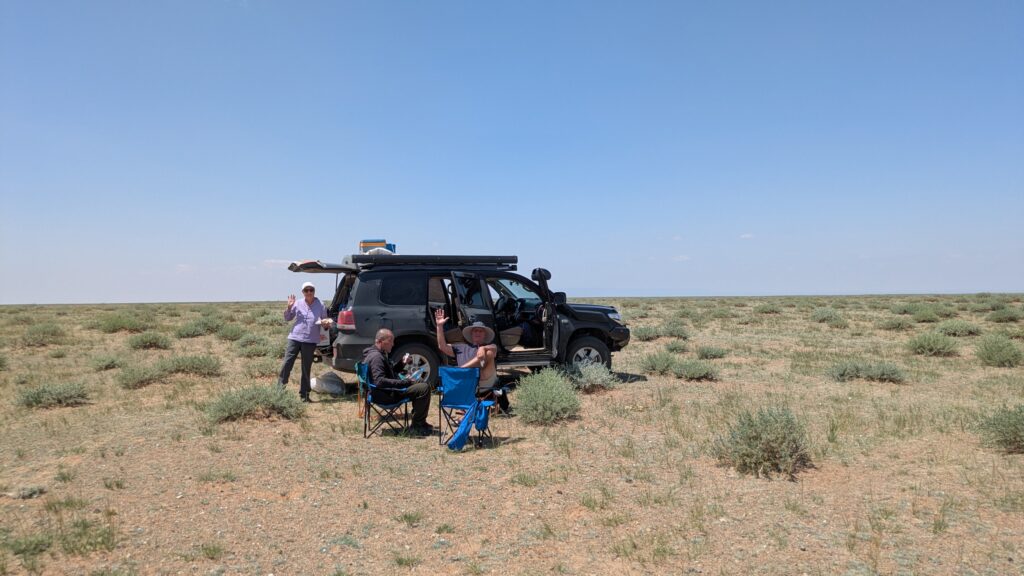
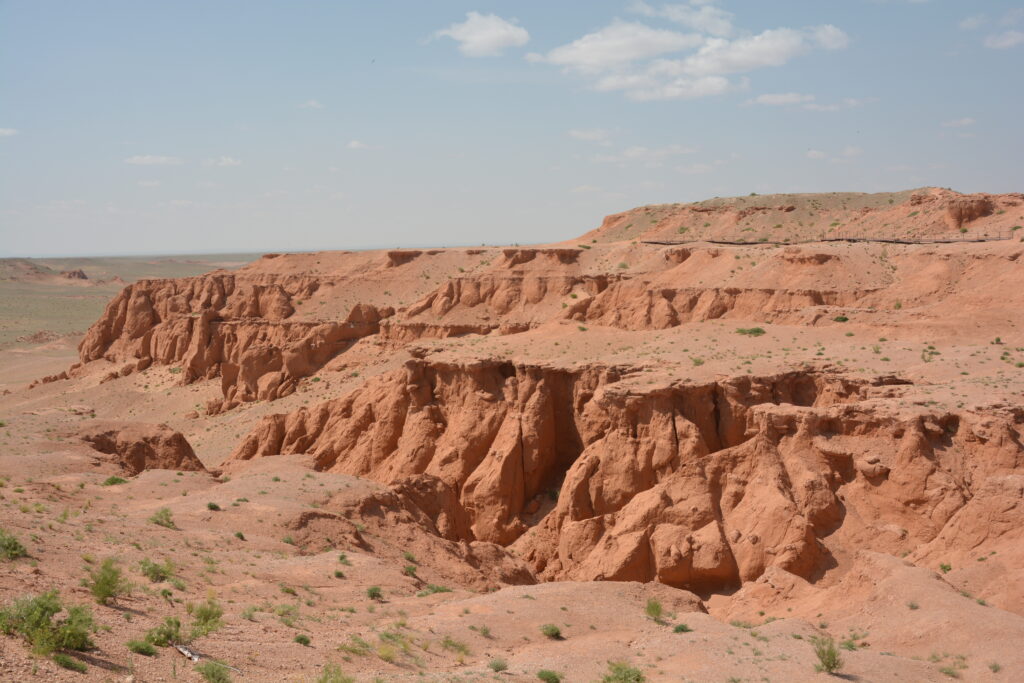
After a picnic lunch on these flat plains, where we learned our driver Dashca doesn’t like peanut butter and jam sandwiches and can barely tolerate cheese and tomato sandwiches (yes, our supplies are getting low) we pulled into one of the most famous paleontologist sites in the world called Bayanzag, or Flaming Cliffs.
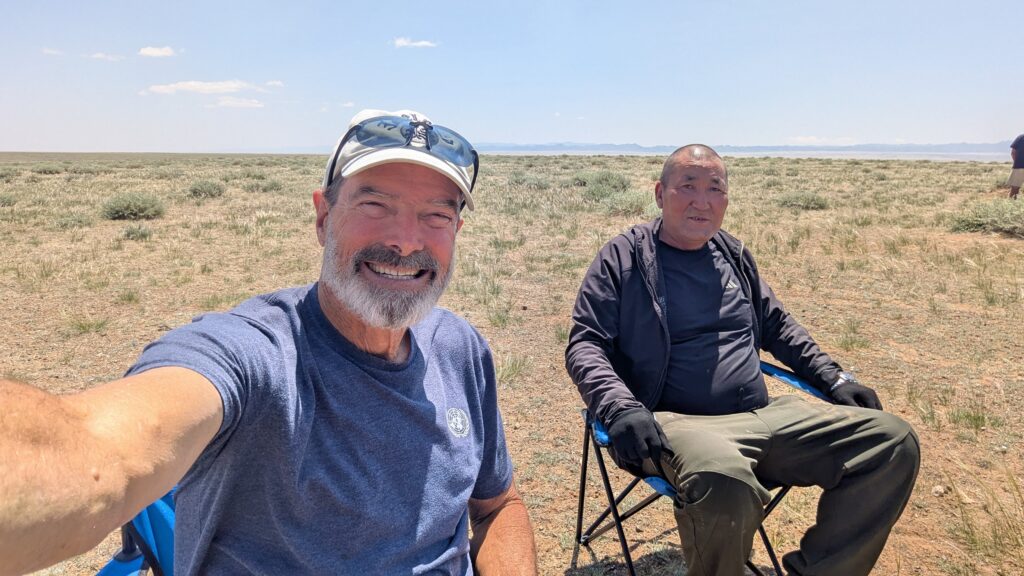
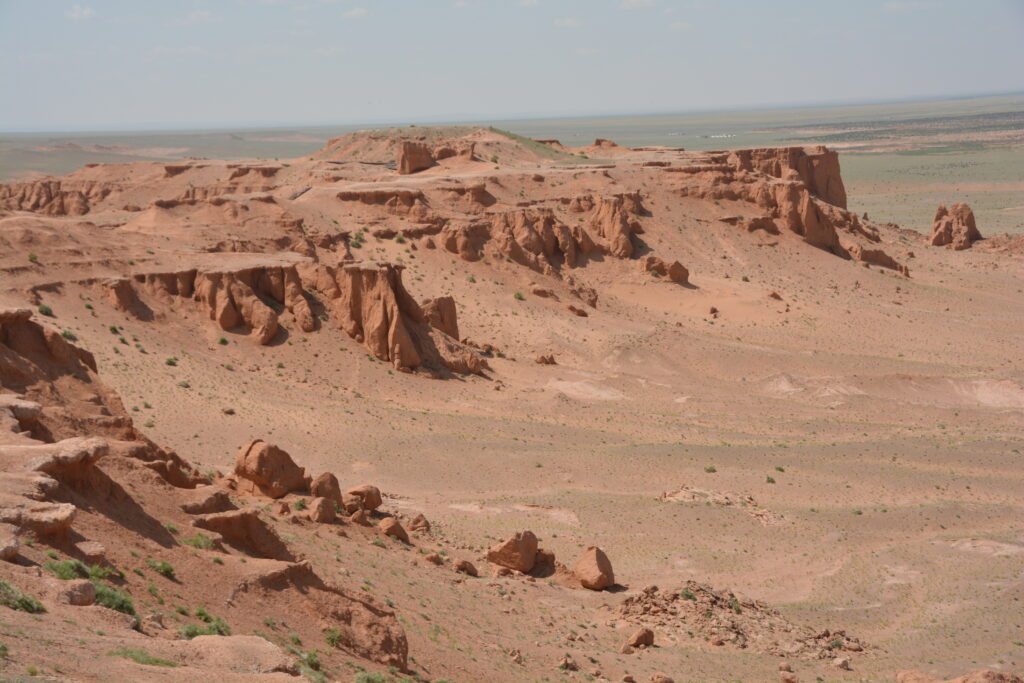
As the story goes, a swashbuckling British palaeontologist in the 1920’s, who was later the inspiration for the more famous Indiana Jones, found the first ever dinosaur eggs as well as stacks of skeletons on a forsaken sandy desert ridge which became one of the most famous dinosaur excavation sites in the world. We walked along the ledge and took in this magnificent setting, just trying to imagine what it must have been like out here a hundred years ago. Way cool.
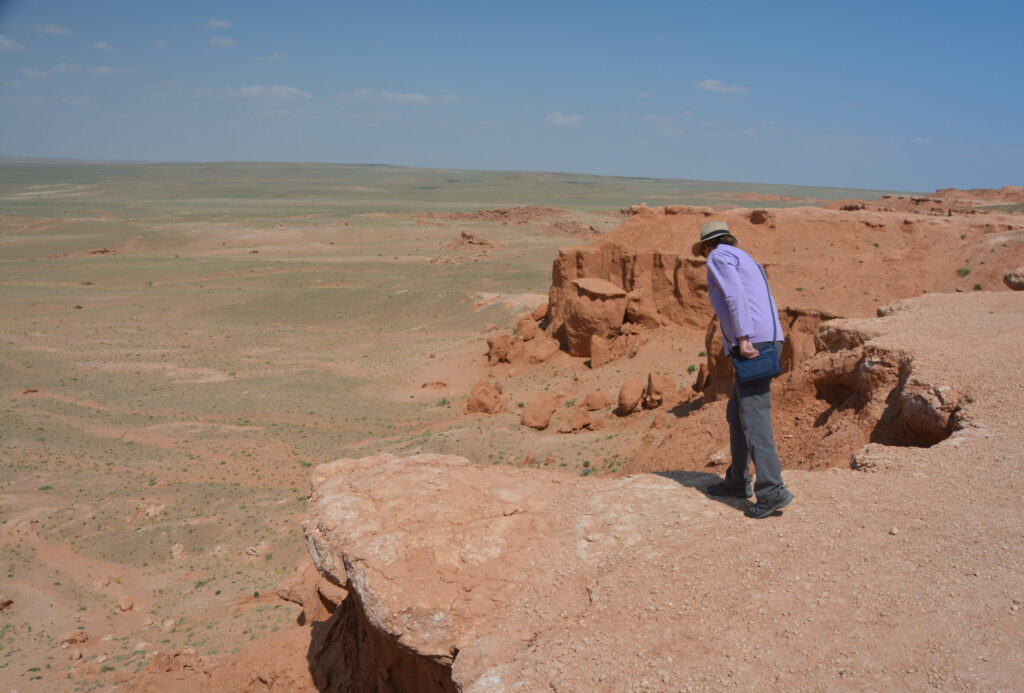
We drove a ways across the desert and set up camp for the night, just endless horizon in all directions, the only humans for as far as we could imagine. It was an absolutely magical spot and a fitting final night to our stay in the Gobi Desert because the following day we were expecting to travel north into another region.
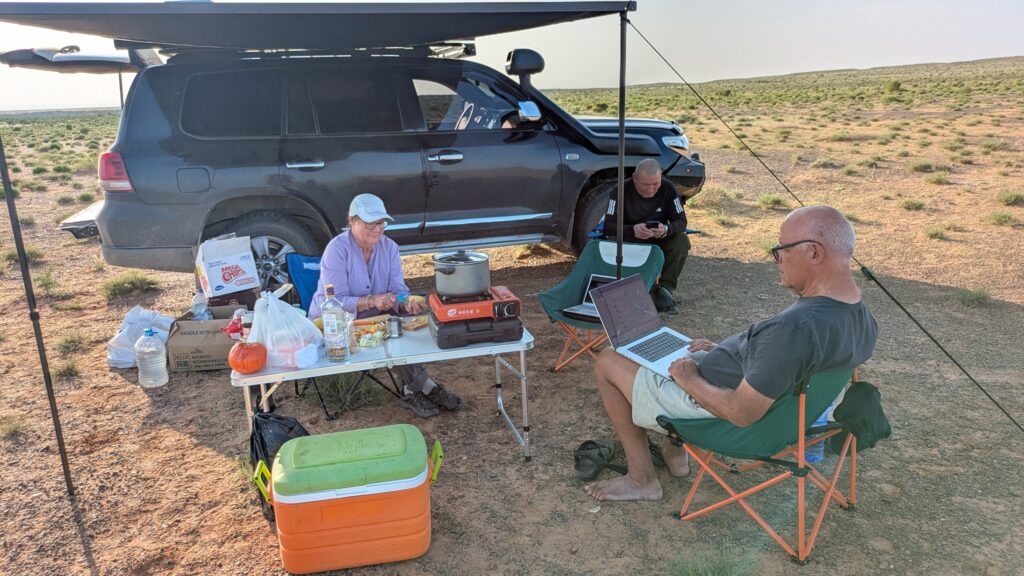
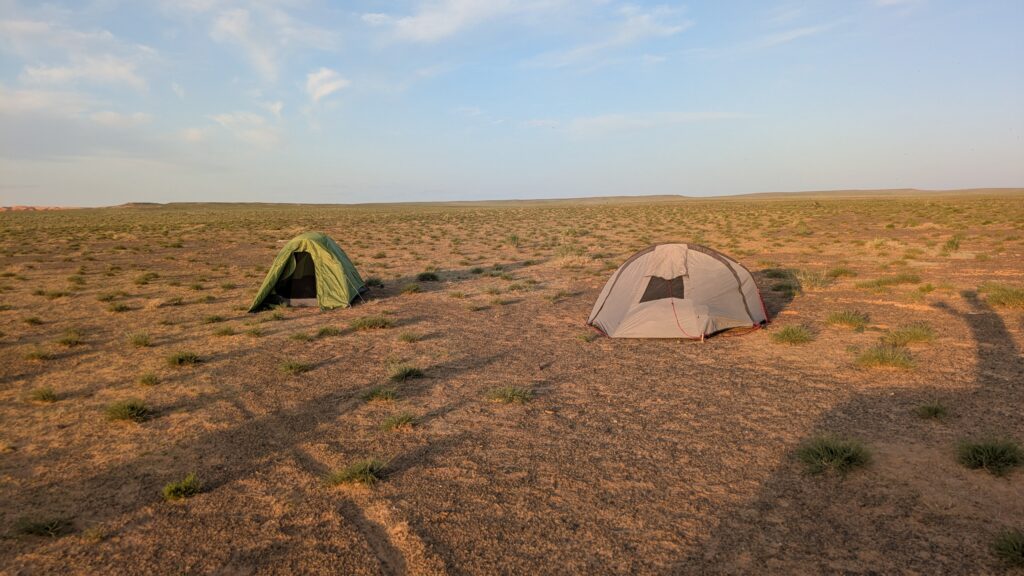
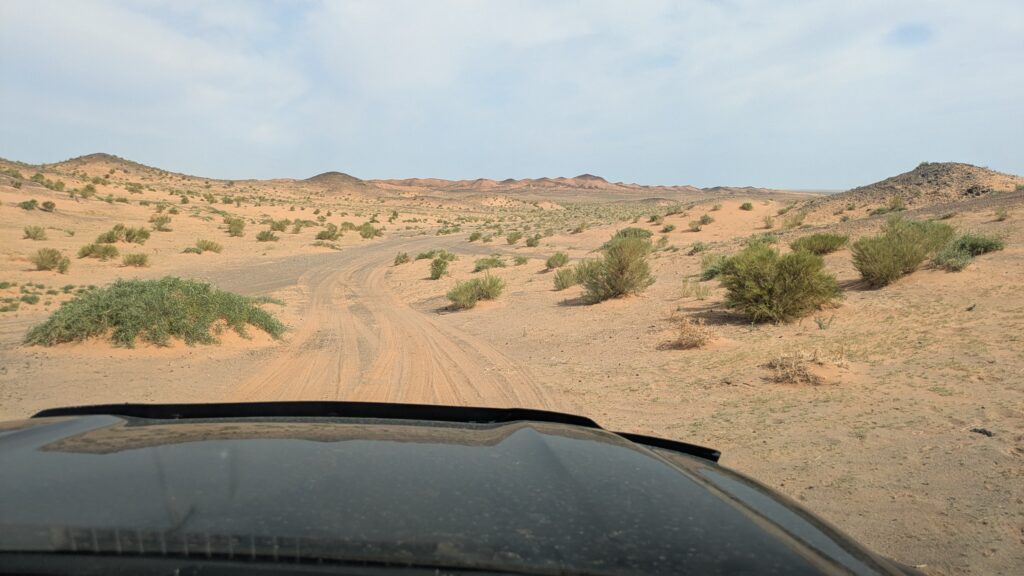
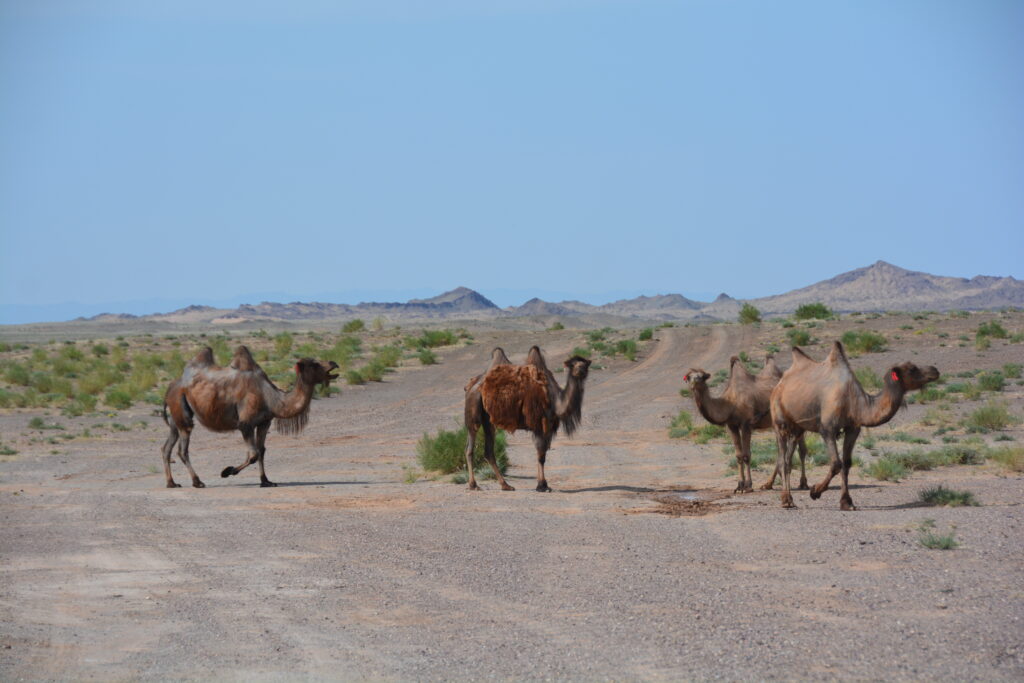
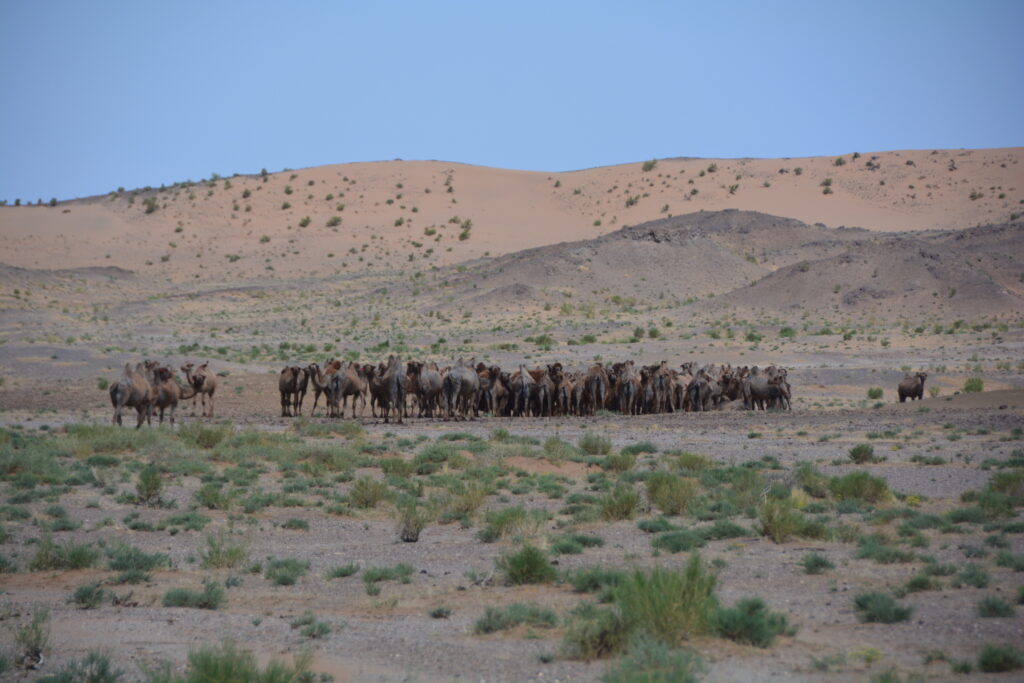
Yes, well, as it turns out the Gobi Desert just seems to keep going and going. After having a herd of cattle walk through our camp at 4am, and Dave bravely getting up to shoo them along by clapping together his size 16’s, we headed north across rolling plains with rocky ridges appearing on the horizon. The ground was much sandier here and we frequently had to go over or around small dunes. At one point we came to a herd of camels that must have been a couple hundred strong, just wandering around seemingly with no mission in mind.
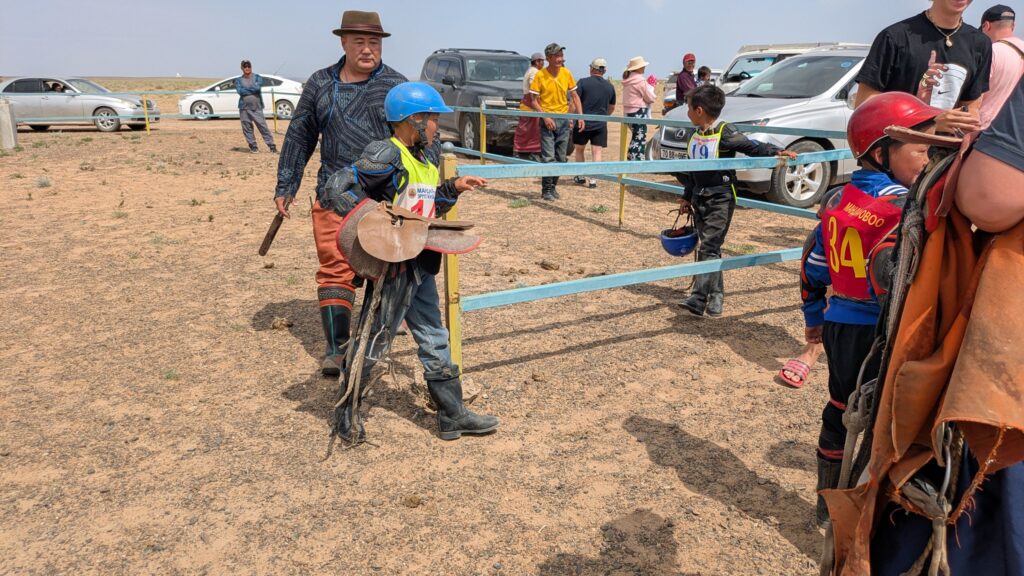
As we approached the small community of Mandal Ovoo we noticed a gathering of people, cars and horses off to the left. Quick to investigate, we soon learned that as part of the upcoming Naadam Festival across Mongolia we had arrived at the finish line of a 20 kilometre horse race with riders of about ten or twelve years old. We sat down at the finish line with the locals, some in traditional dress, lining the desert track all around us and we realised we were about to have a real treat. As they say in the classics, timing is everything!
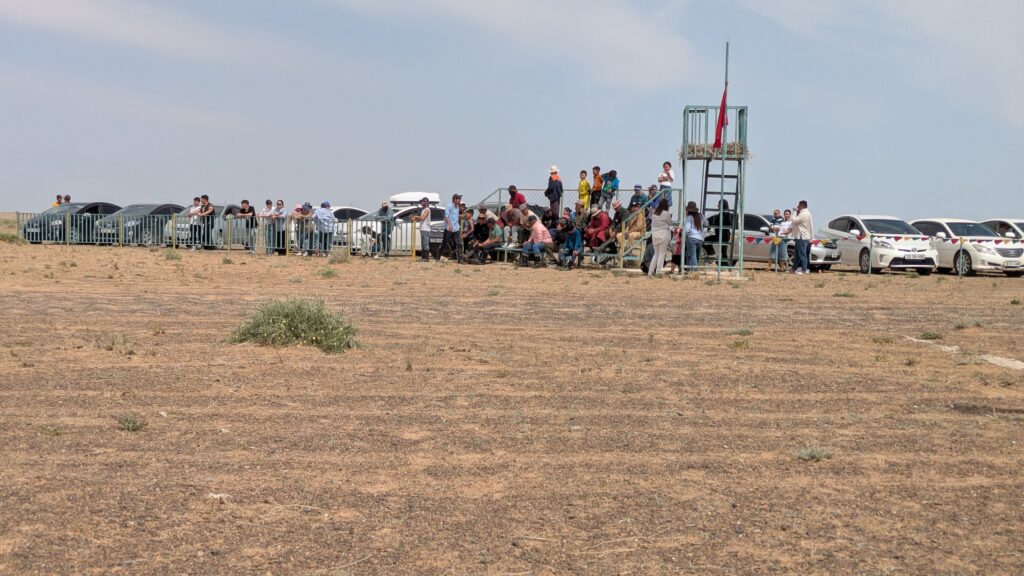
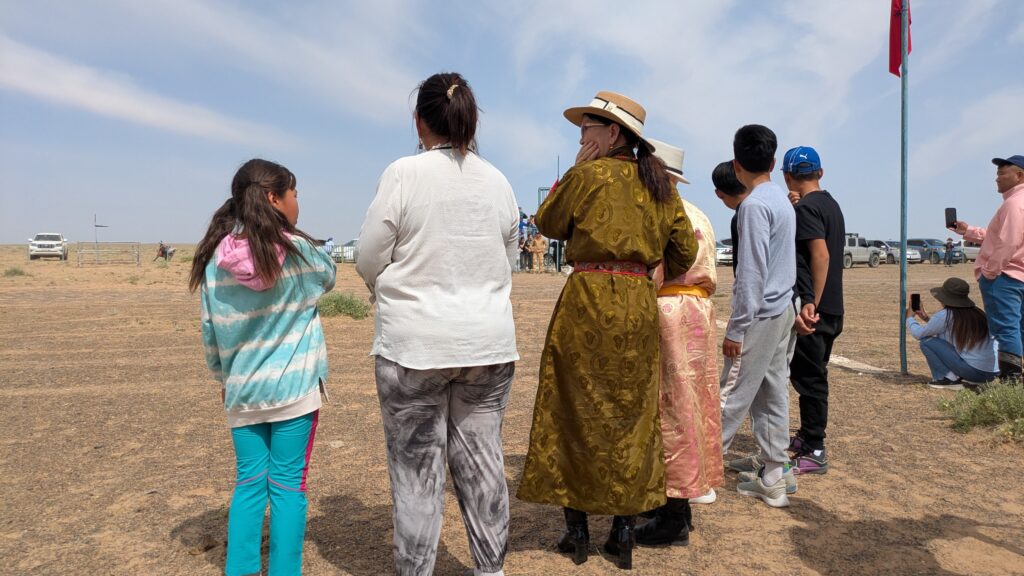
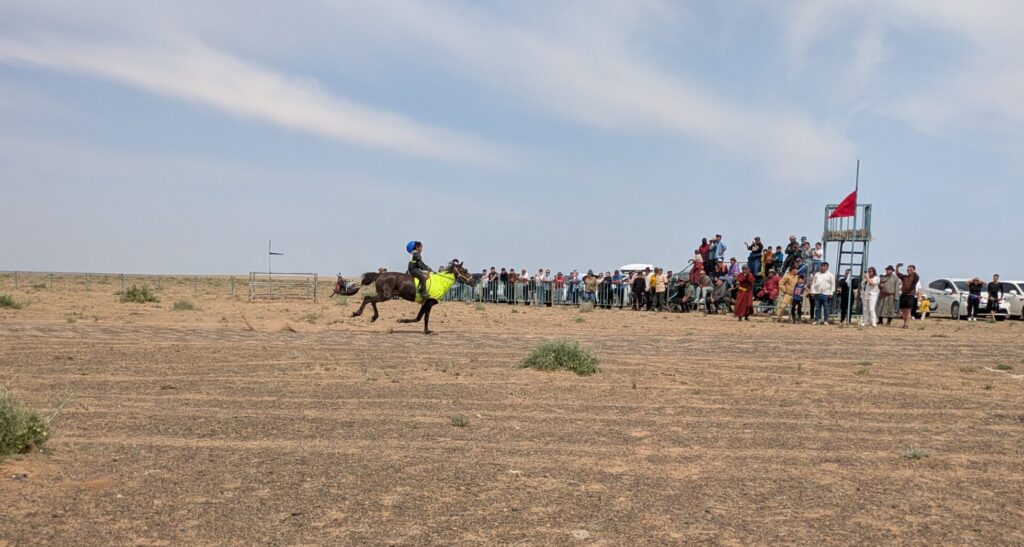
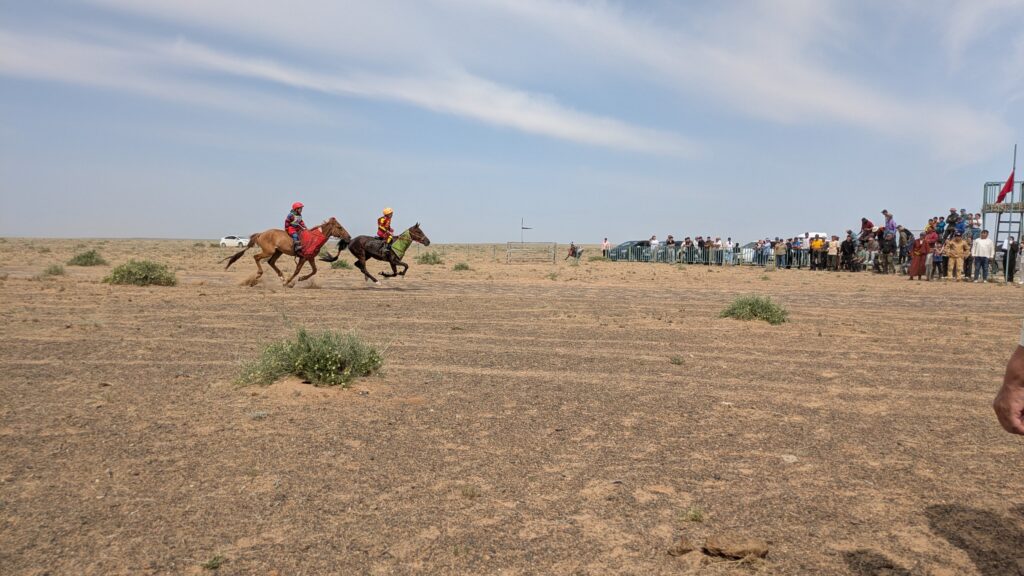
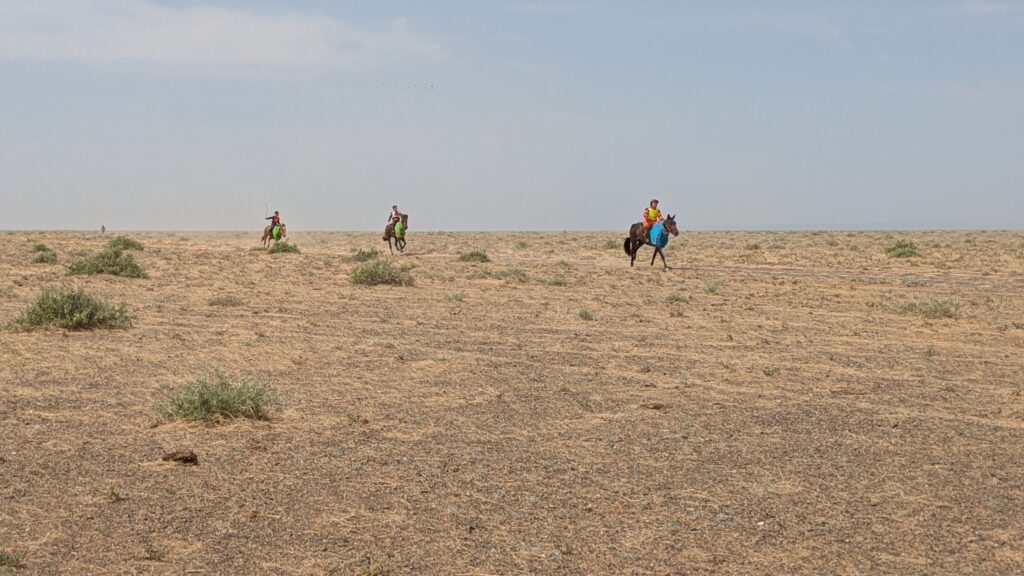
After waiting for only a few minutes we saw the lead car in the distance racing towards us and the swirling dust of dozens of horses galloping at whatever full speed they still had in them, young boys whipping their steeds furiously. To the cheering of the crowd, and no doubt the pride of many parents and family members, the colourfully clad horses came roaring across the line, just a wonderful spectacle. Congratulations to the winners!
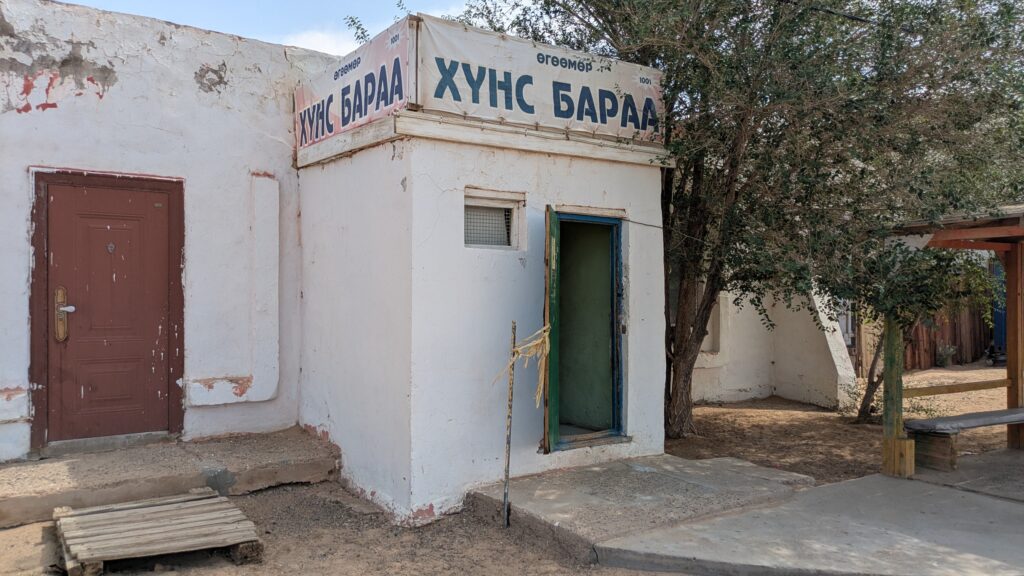
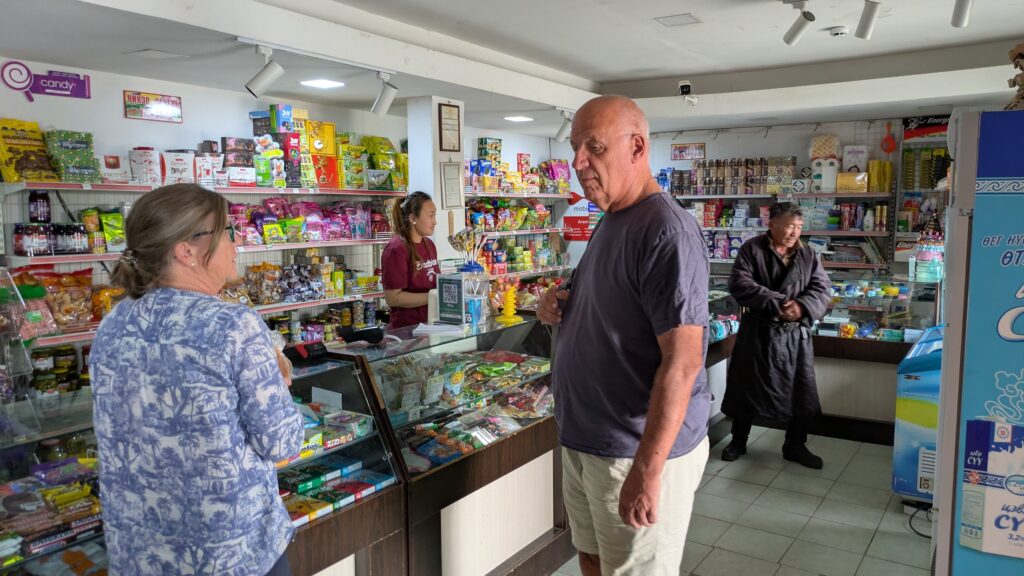
The town of Mandal Ovoo itself was the same as many others we had stopped in – barely a paved road in sight, the bare minimum of shops and other amenities, absolutely no effort at civic pride and almost no sight of anyone actually living there. Grim does not fully describe these towns. We scoured the small stores for anything of use, coming up empty-handed again.
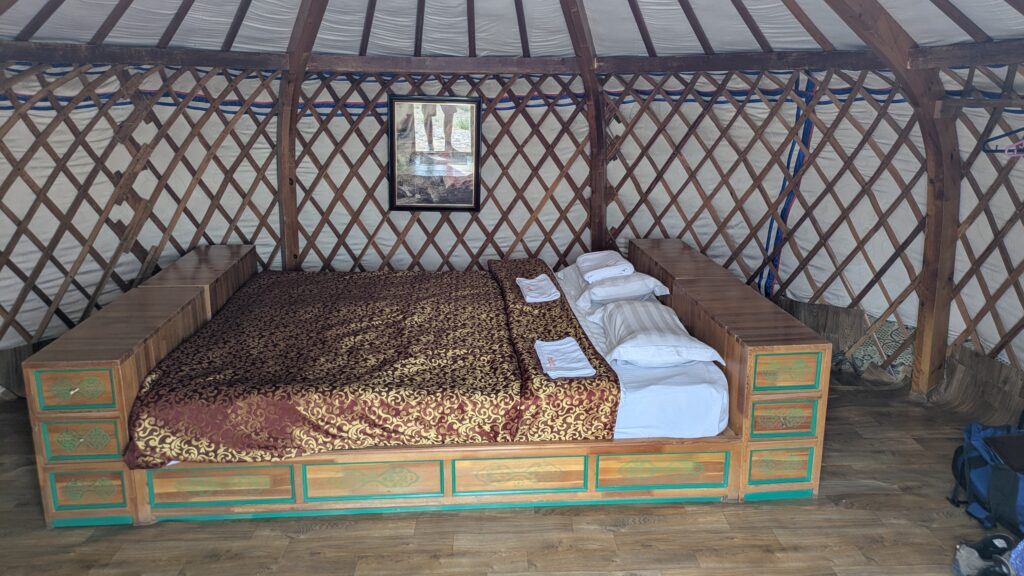
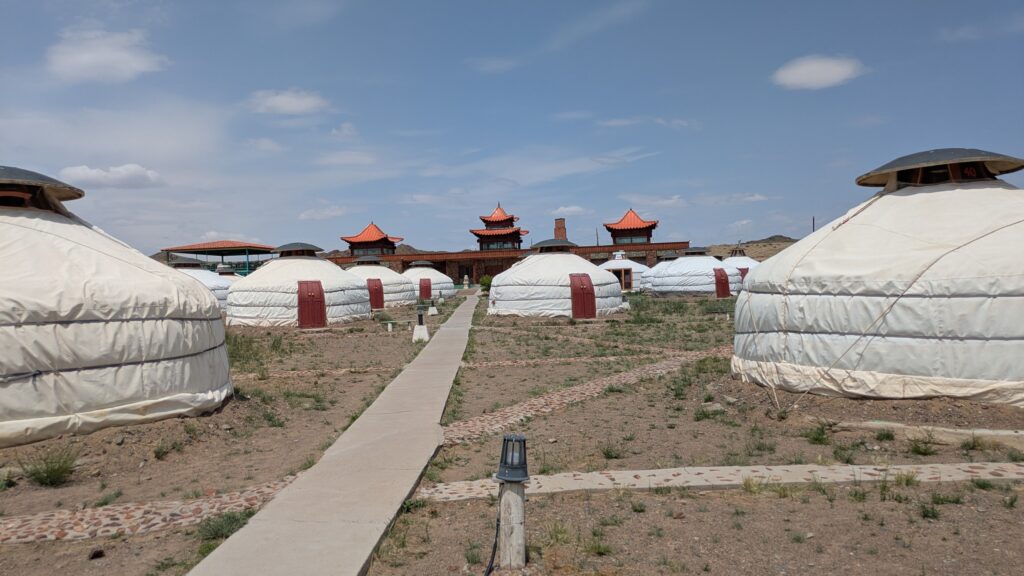
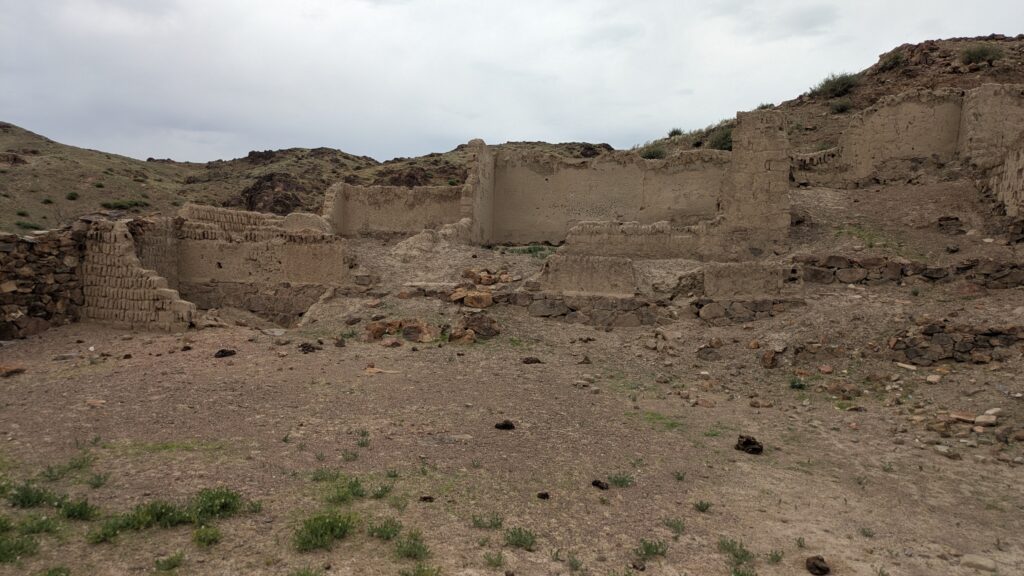
After another two hours careening across billiard table-flat desert we finally arrived at the Ongi Monastery and our upmarket special treat accommodation at the Secret of Ongi Tourist Camp. Oh my, the luxury of it all after not having a proper shower for over a week and living out in the sand and desert elements. On the worldwide ger scale this was five stars. We showered, we chilled, we rested, we recharged all our literal and figurative batteries before rejoining Dashca for the short drive to the monastery complex.
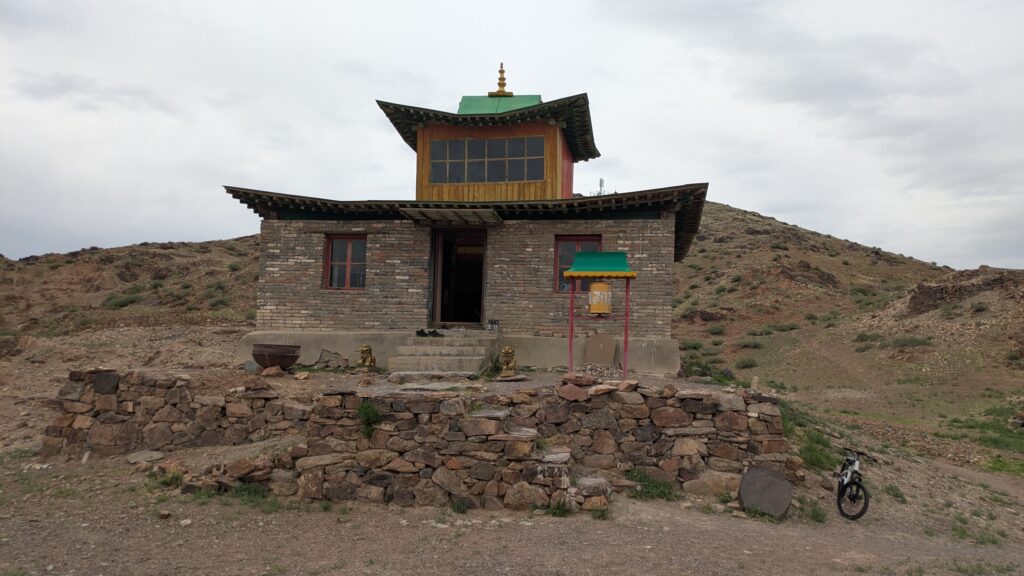
Ongi Monastery, or Ongiin Khiid to be more precise, is actually two monasteries built on opposite sides of the river, the first in 1660, the second more than a century later. This vast complex housed a thousand monks, as many as 28 temples, four universities and countless other facilities, making it the largest place of worship in the country at that time. Unfortunately when the Communists took over in the 1930s this place became a target and it was destroyed in 1939, along with the murder of over 200 monks. Some of the ruins have begun to be rebuilt but it is more of a sad historical site than a religious site these days.
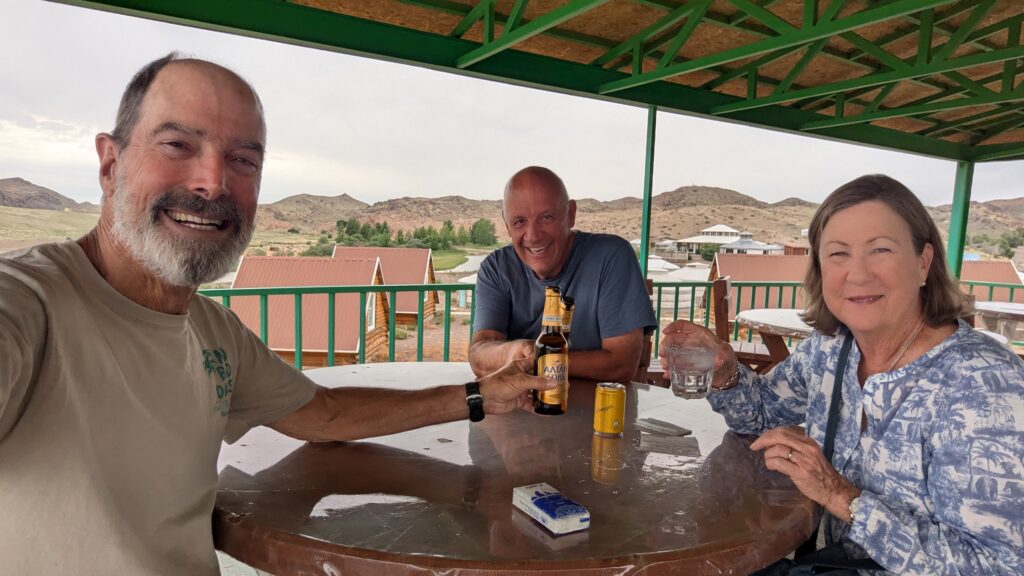
That night Dave and I enjoyed our first beer in eight days, Julie enjoyed not having to cook and we made three trips to the buffet which featured western and local food. And we slept like royalty to top it off.
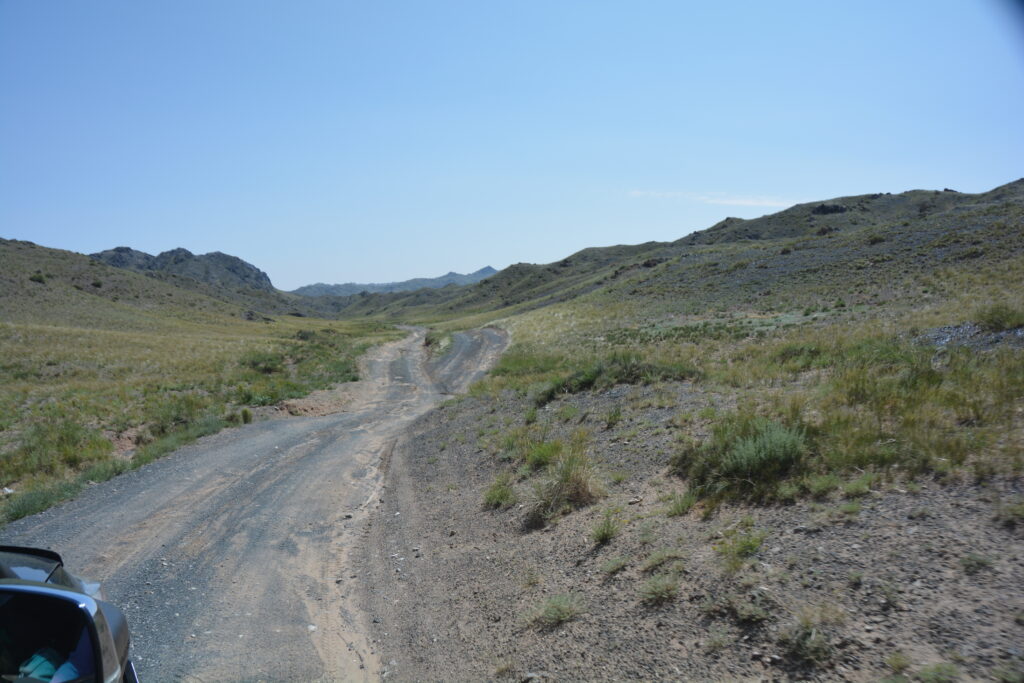
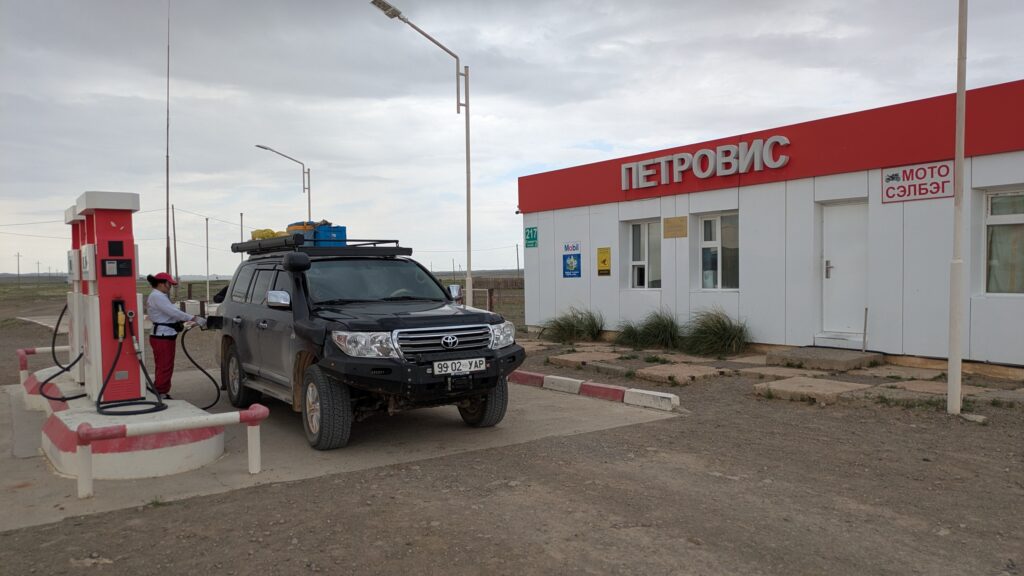
The next day turned out to be a bit of a travel day as we headed north across the last stretches of desert, passing through one dusty and forlorn town in search of bread and water, and then more hours on bumpy dirt roads, putting the Gobi behind us.
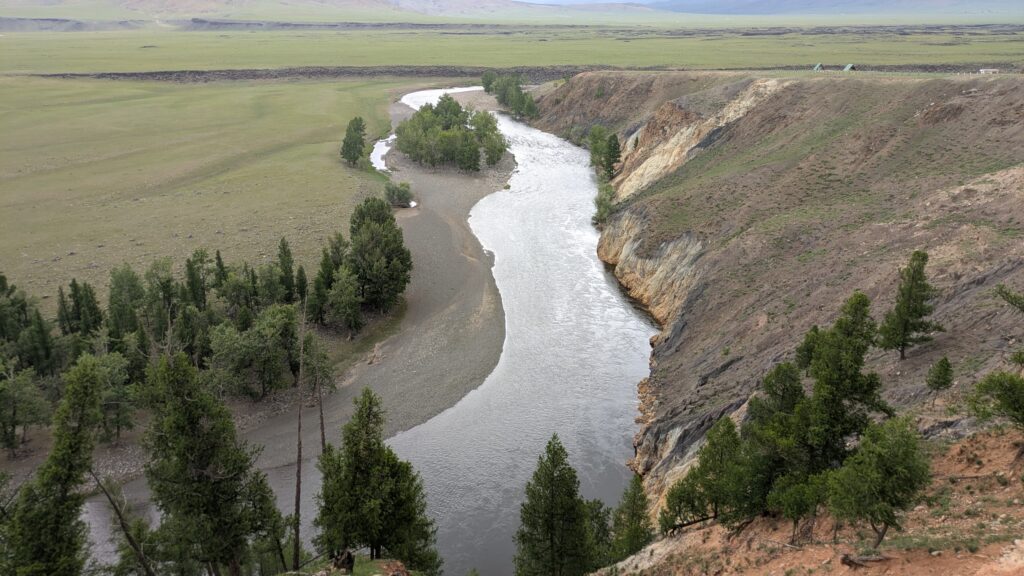
As the mountains came into view so did the rain clouds and by the time we made the town of Khujit we knew we could be getting wet. Our first trees appeared as we paid our fees into the Orkhon Valley Nature Reserve and we continued to head up this beautiful green valley.
The rain began to fall, the track turned super slippery and Dashca had a full time job keeping us straight and moving forward. There were a few sketchy sideways moments but eventually we made it to a parking lot and came to a stop. As has been the case this entire trip, with our daily agenda not amounting to more than a few words and Dashca speaking not a grunt of English we have deemed our trip the Magical Mystery Tour. Most of the time we just happily tag along with the Land Cruiser and Dashca, having a great time and loving whatever is around the corner.
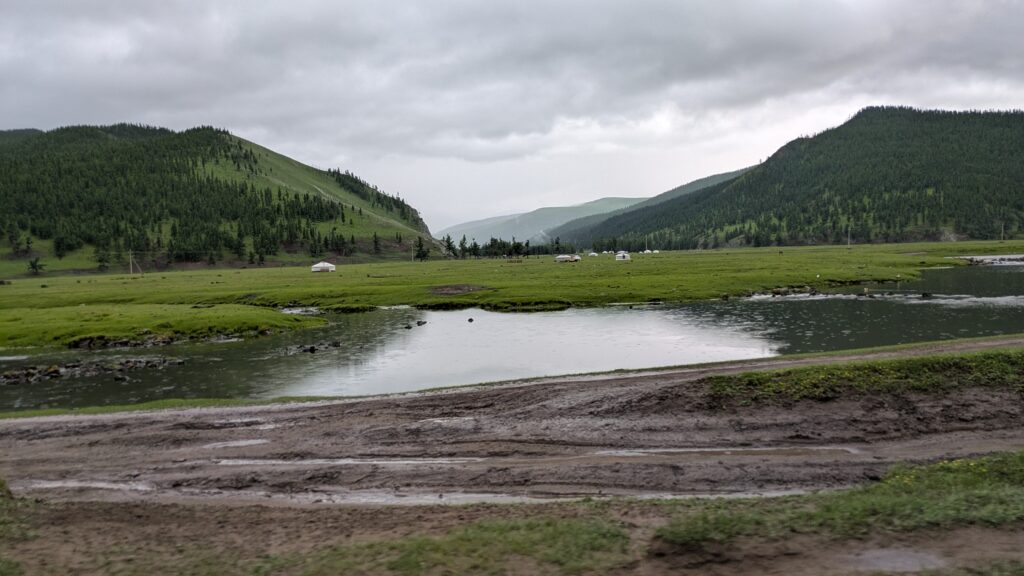
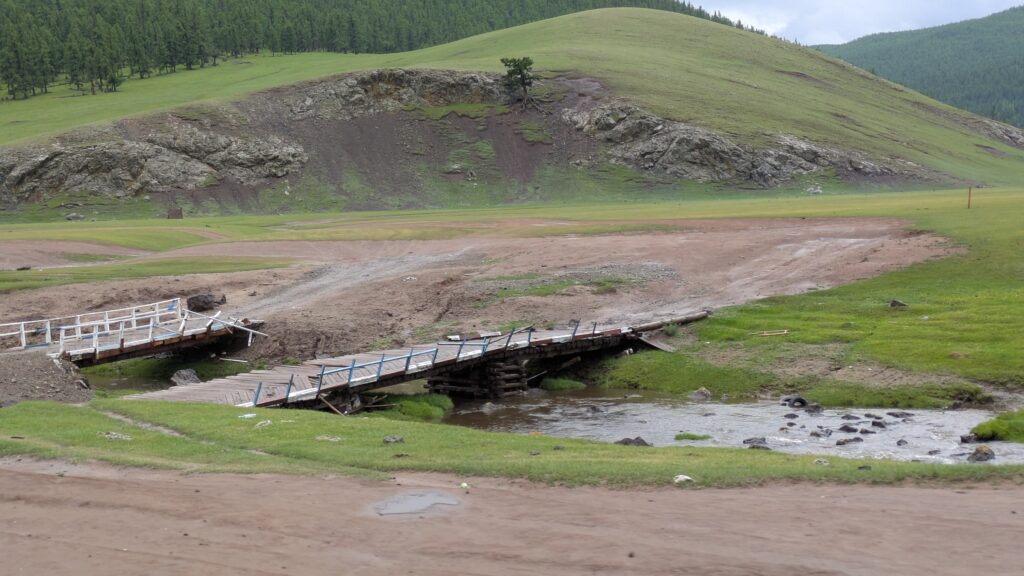
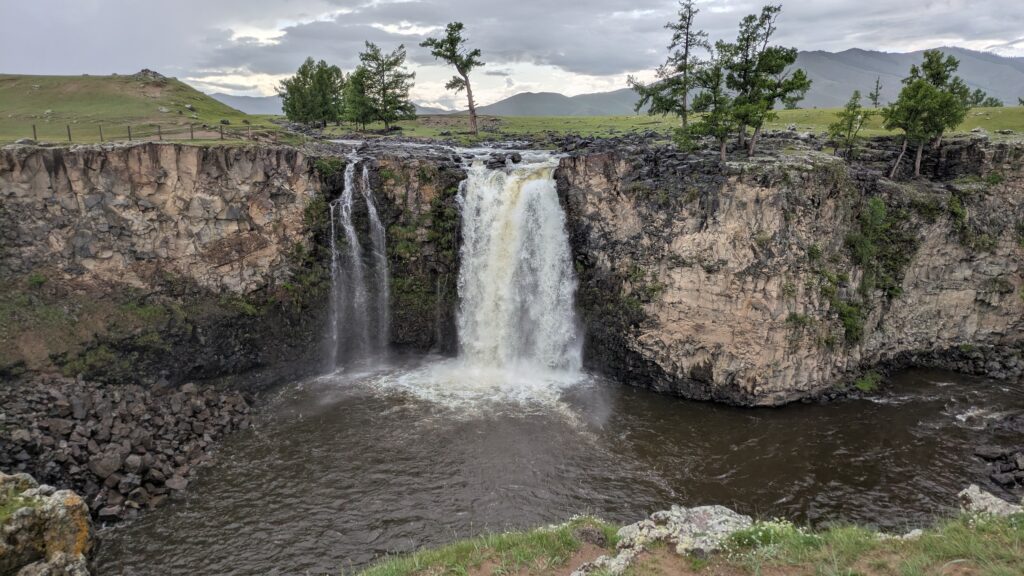
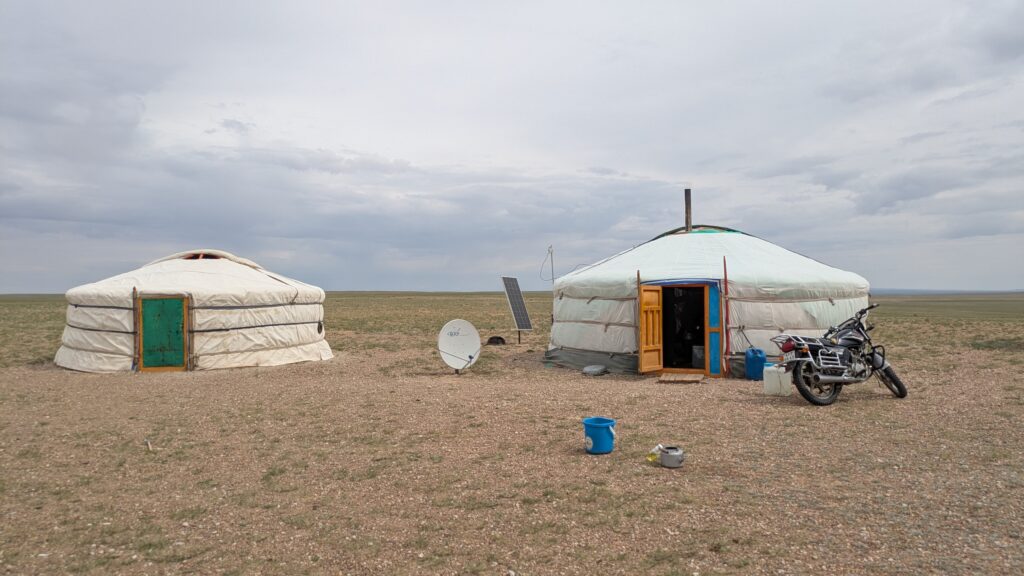
As it turned out, this nature reserve is known for a few things, including the Orkhon Waterfall which we found after a one kilometre walk from the parking lot in the drizzle. Dashca then took us further up this wonderfully green and luxuriant valley, a few yaks here and there mixing with all the other livestock, until we made our way to a welcoming and comfy family ger for the night. With a setting like this all around us we couldn’t be happier and Julie’s no refrigerator dinner concoction topped off another great day.
Comments
The Gobi keeps going — No Comments
HTML tags allowed in your comment: <a href="" title=""> <abbr title=""> <acronym title=""> <b> <blockquote cite=""> <cite> <code> <del datetime=""> <em> <i> <q cite=""> <s> <strike> <strong>