
Can you spell Kyrgyzstan?
The border between Tajikistan and Kyrgyzstan is officially closed as the two countries have been bickering over land and border issues for many years. So that means Tajiks can’t go into Kyrgyzstan and Kyrgyz people can’t go into Tajikistan. Tourists can cross the border as long as they have a special permit, which we had, but Omar, Daniel and their vehicles, couldn’t go with us.
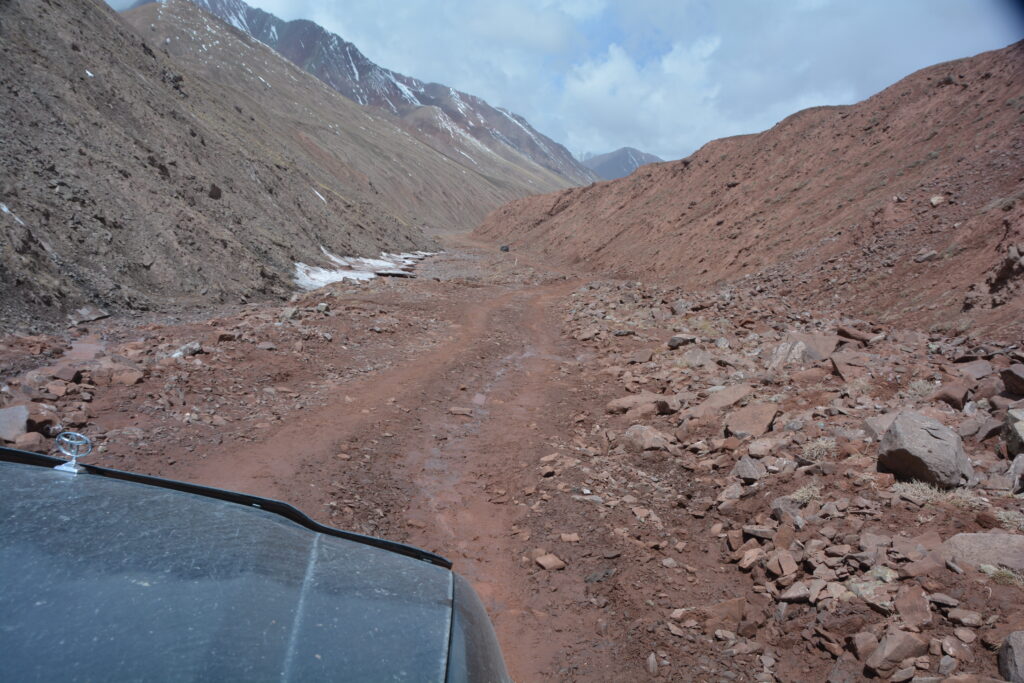
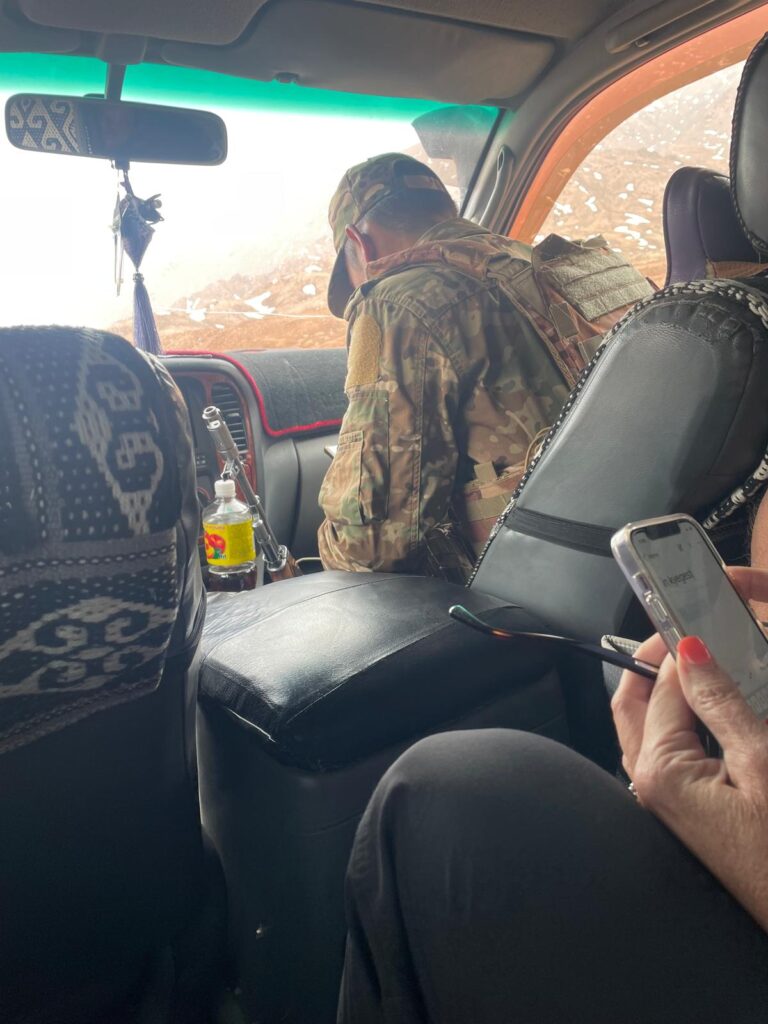
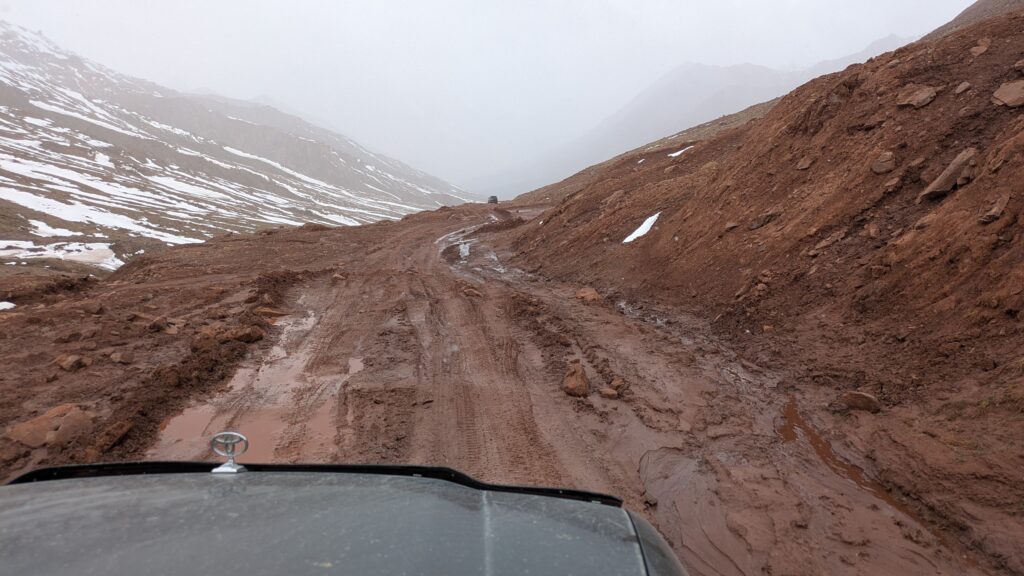
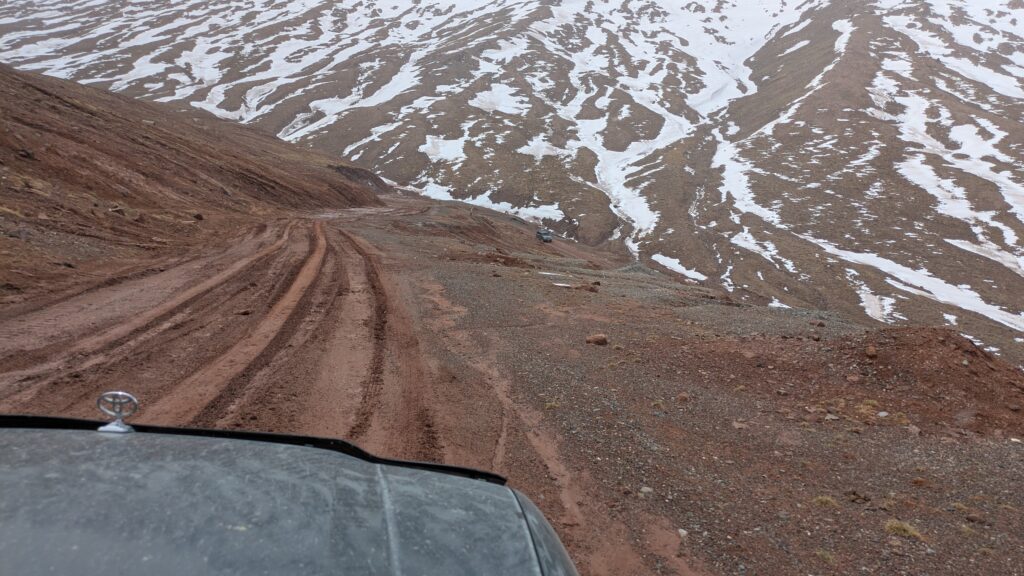
We passed through Tajikistan Immigration and then drove up to the top of the pass at 4,300 metres (14,100 feet) to move our bags over to new cars and new drivers. This was a crazy scene – as it lightly snowed on us and a military dude checked our passports we said goodbye to Omar and Daniel, who had been fantastic drivers and guides for our journey along the Pamir Highway in Tajikistan, and headed down the steep muddy and slippery track with our new drivers Koba and Jackin.
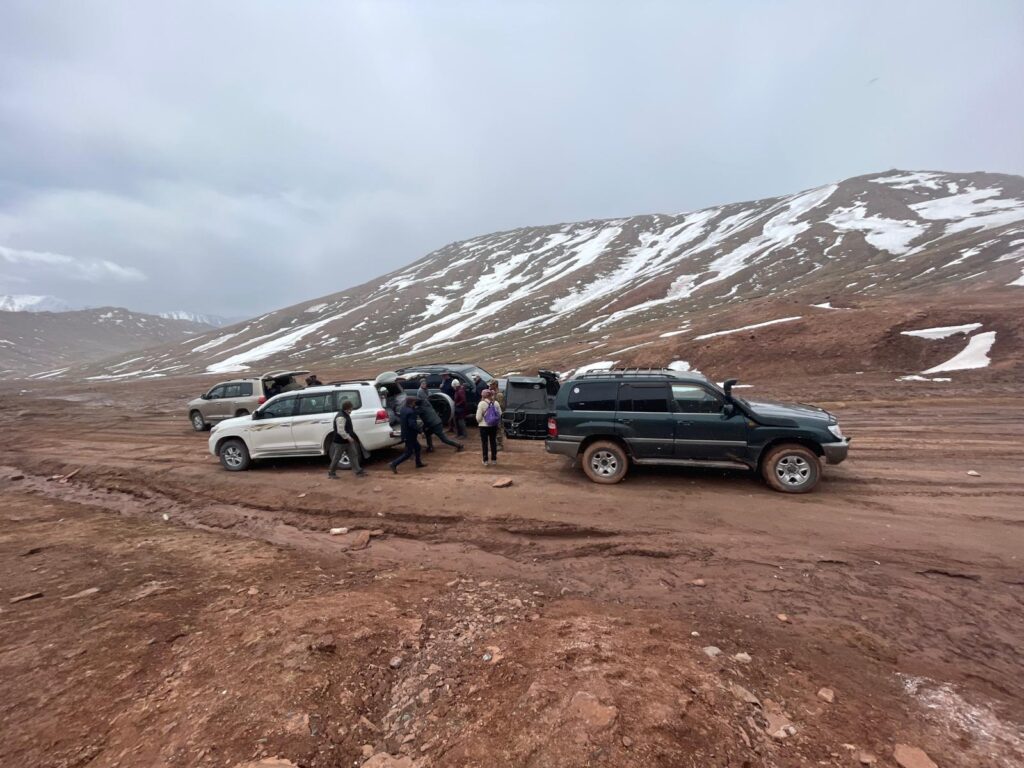
Kyrgyzstan must be the hardest country in the world to spell. That major issue aside, our first impressions were very positive. Our drivers spoke less English and their cars were older but they carefully negotiated the super steep and slippery muddy track from the high pass and stopped on the grassy plain so we could look back at the magnificent Pamir Mountains we had just descended. It was a scene that no number of wows could honour.
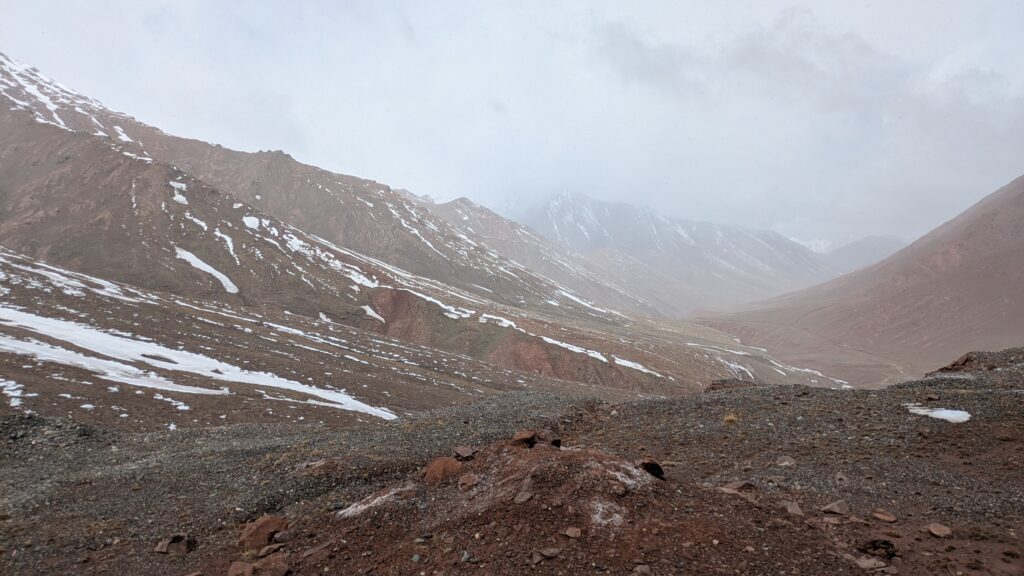
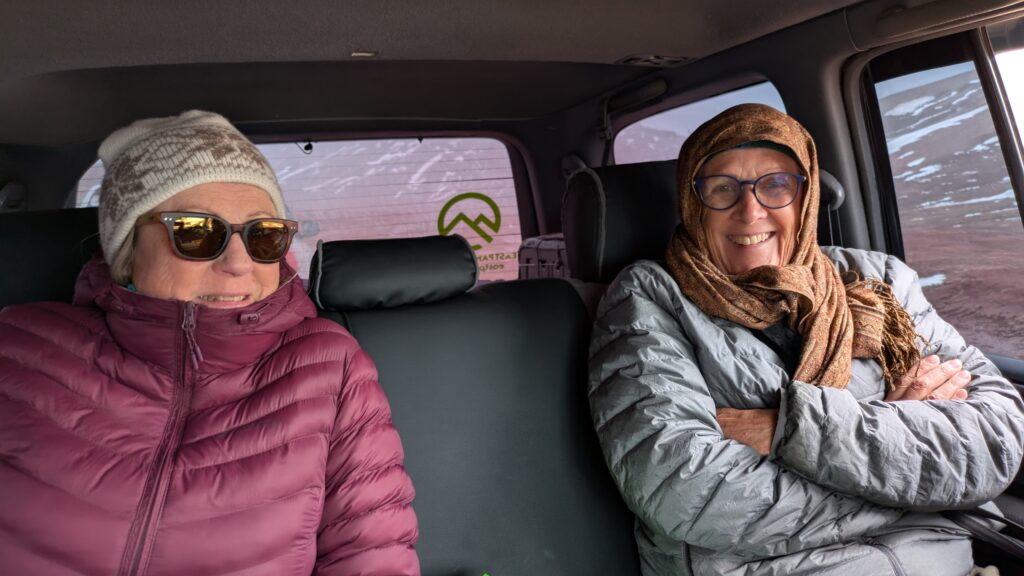
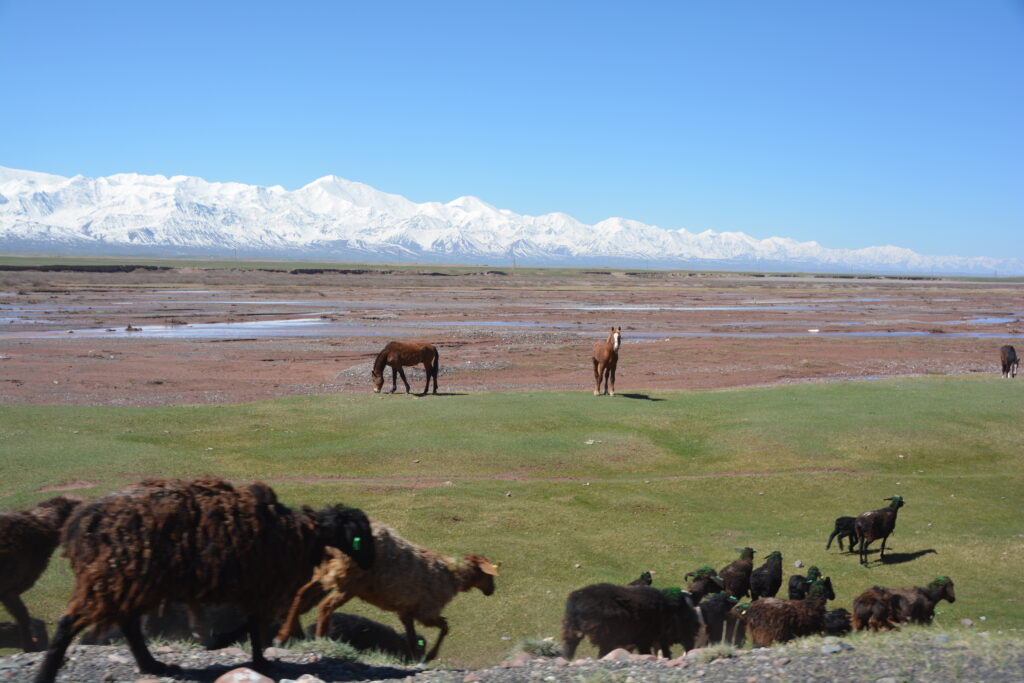
We passed these flat plains, not having seen green grass or wide open fields for the last week, and arrived in the small town of Sary-Tash for lunch. We could immediately tell the difference between Tajikistan and Kyrgyzstan – this town had substantially larger and nicer homes and there were more vehicles about than we had seen in comparably sized towns in Tajikistan.
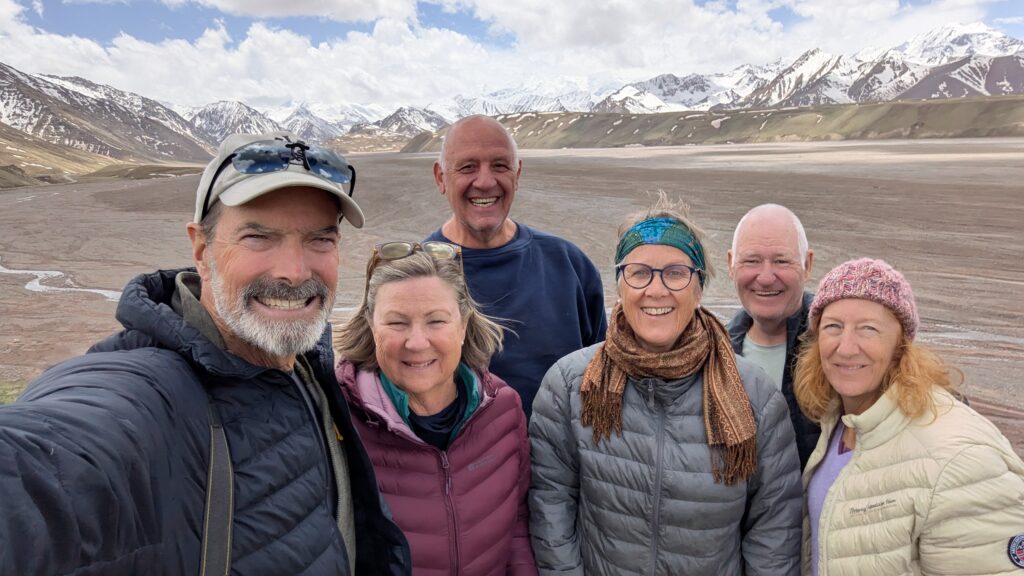
We then drove to Sary Mogul, our overnight stop for the night, and hit the dirt tracks towards the huge mountains that seemed a stone’s throw away. The Pamir Alay Mountains provide a dramatic backdrop to these vast open plains – a rough jagged skyline and ample snow still hiding in the crevasses and the shady sides. We crossed the plains again and drove up into the mountains until the snow drifts were too big even for our big four wheel drives to negotiate.
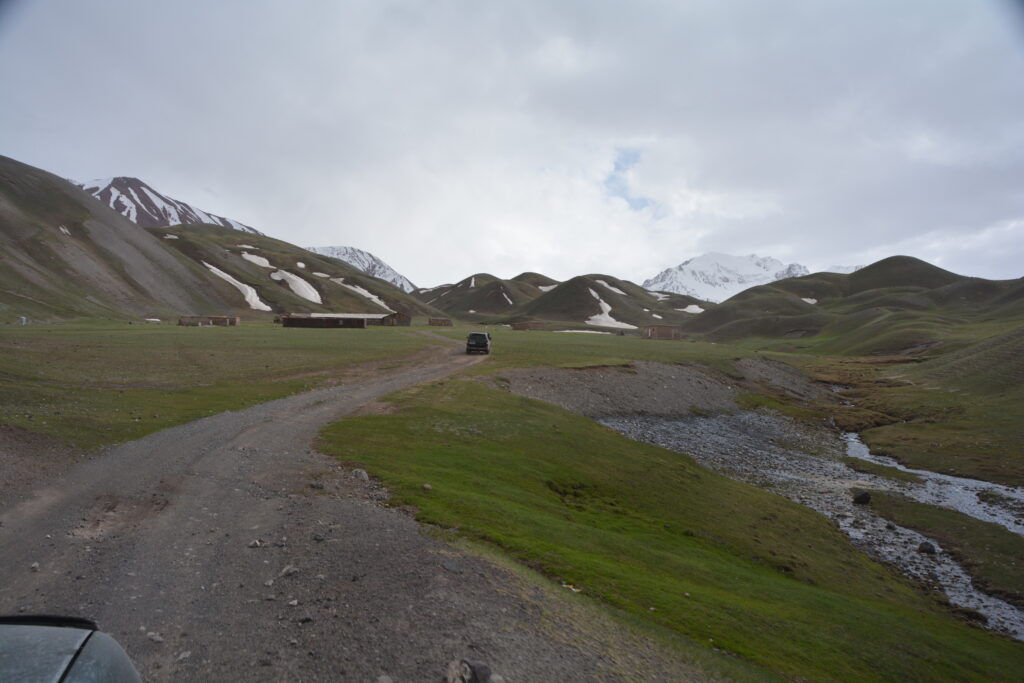
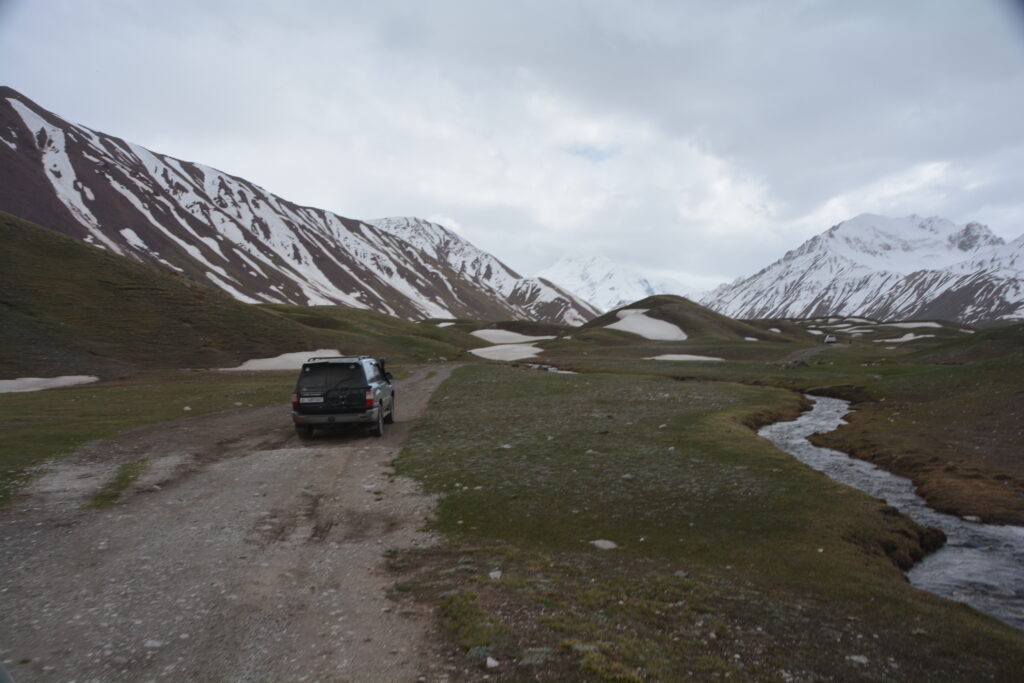
We donned our warmest gear and started the walk up the mountain following the old track when we could, weaving our way between fifteen different lakes and numerous snow patches until we reached a yurt camp which was still closed for the winter. In summer this camp is packed with locals and tourists as they take further walks up into the mountains, including climbing the handsome Lenin Peak at 7,134 metres (23,400 feet).
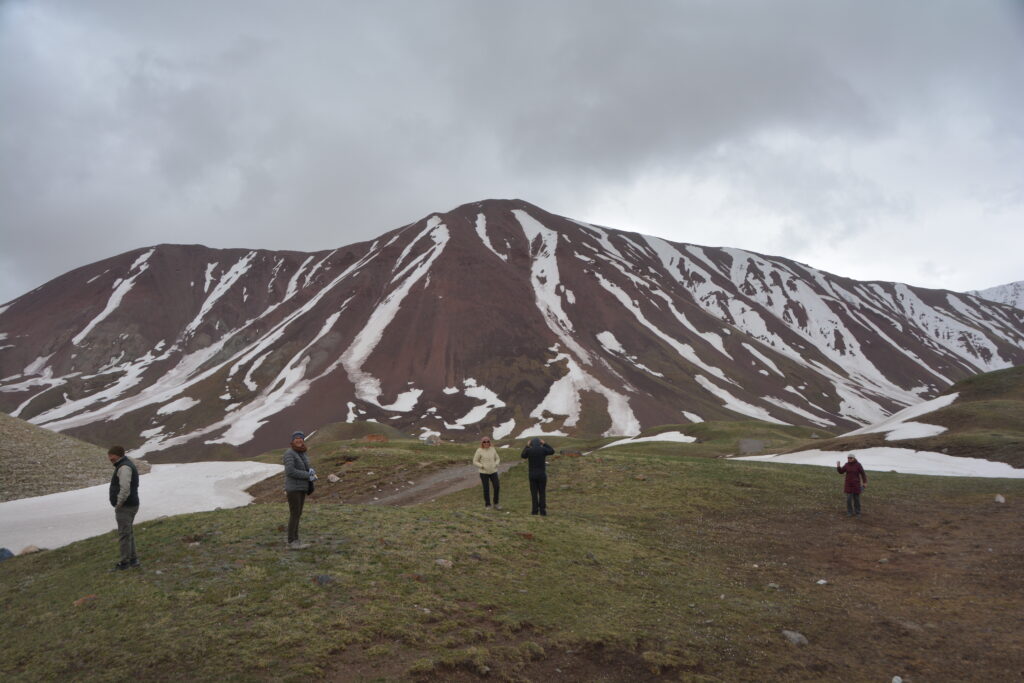
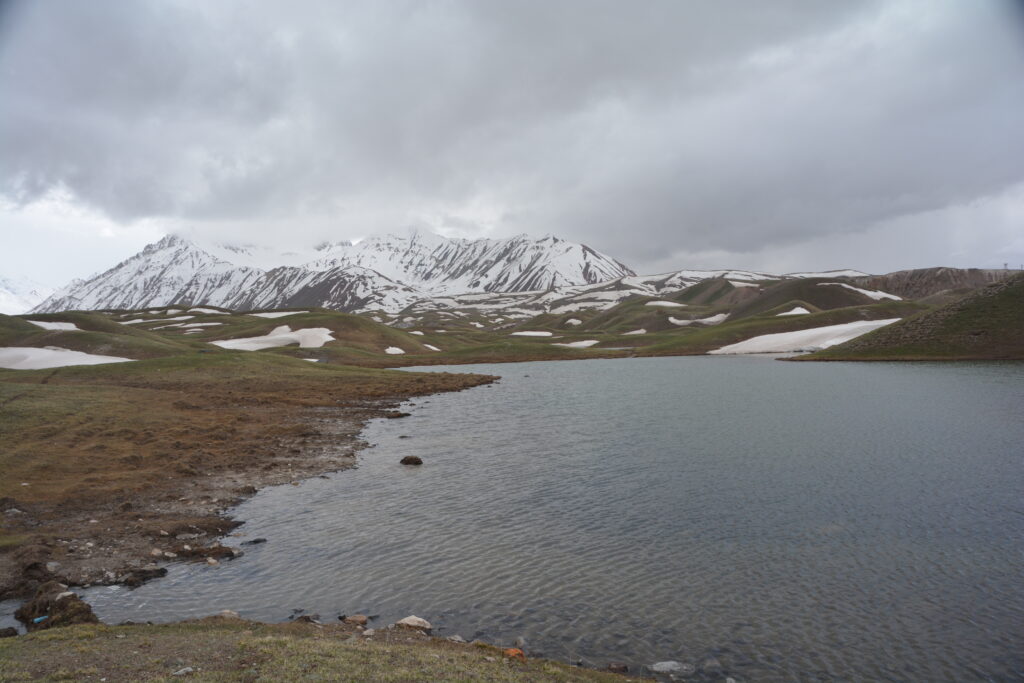
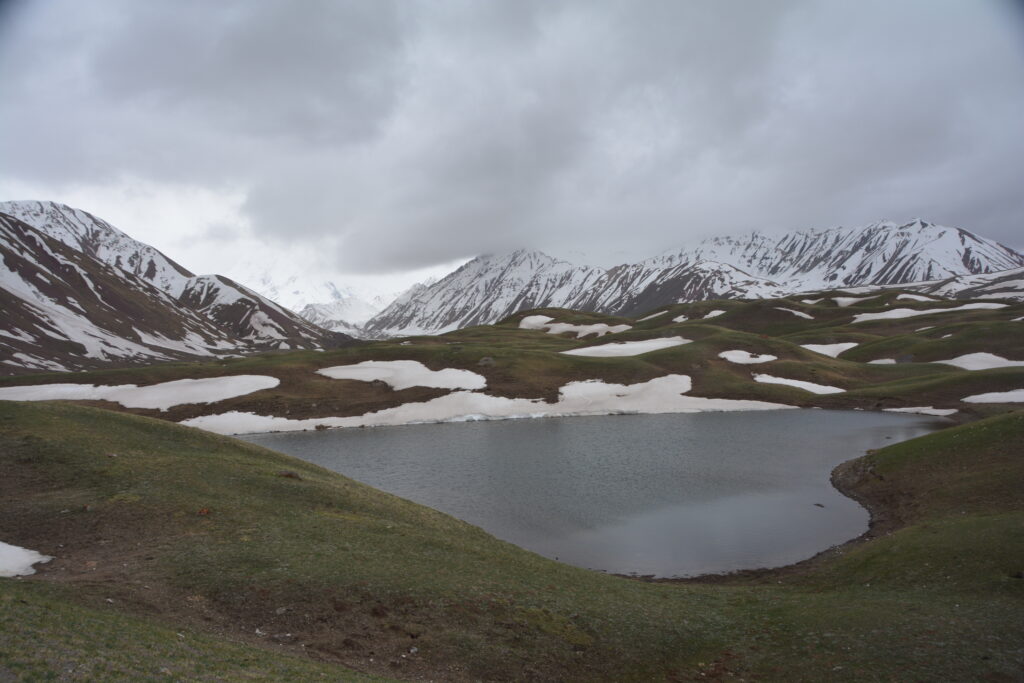
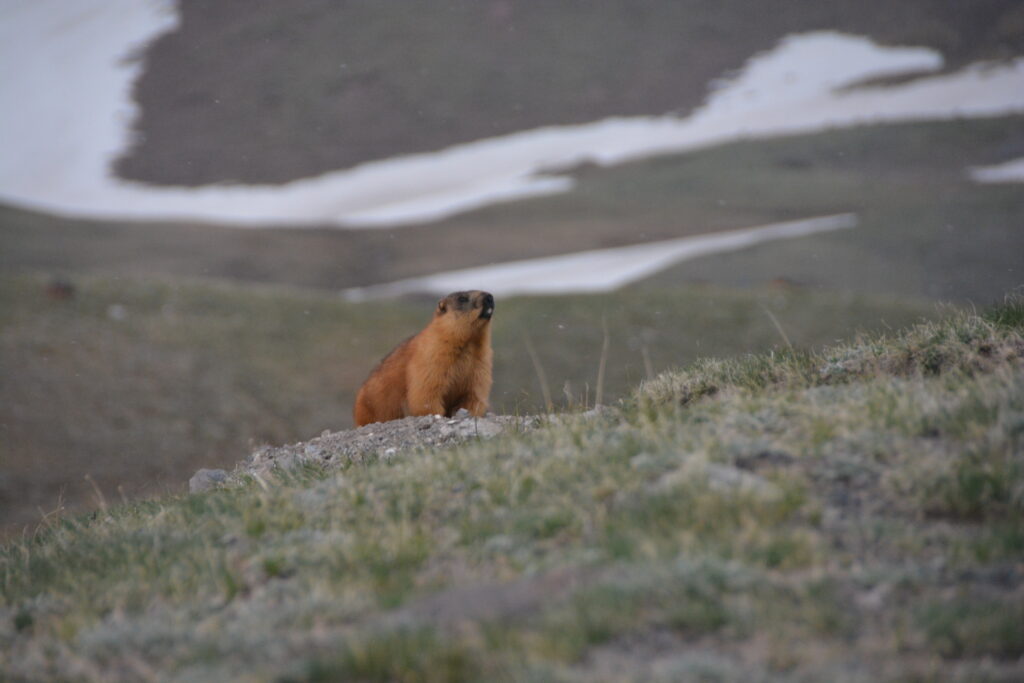
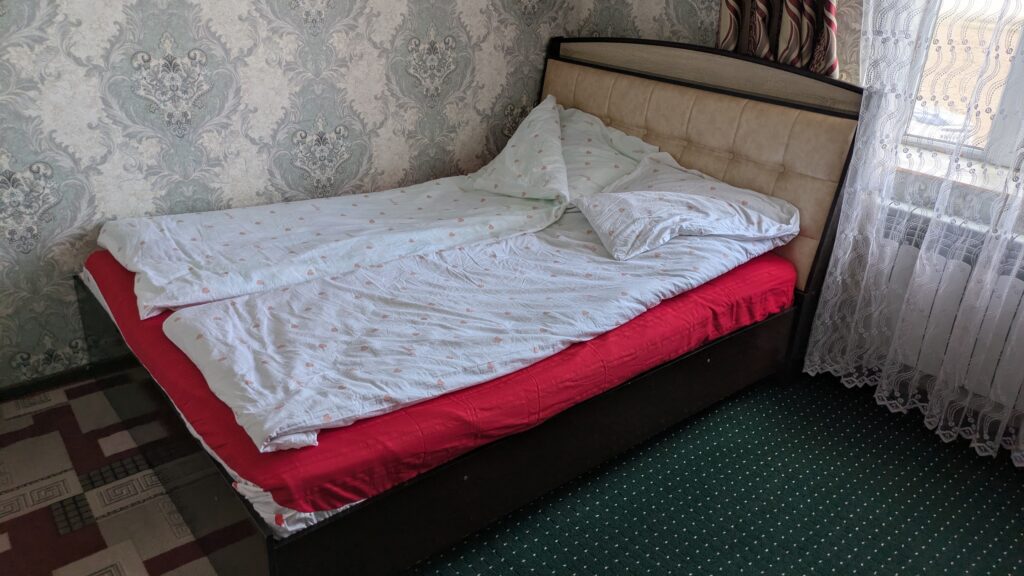
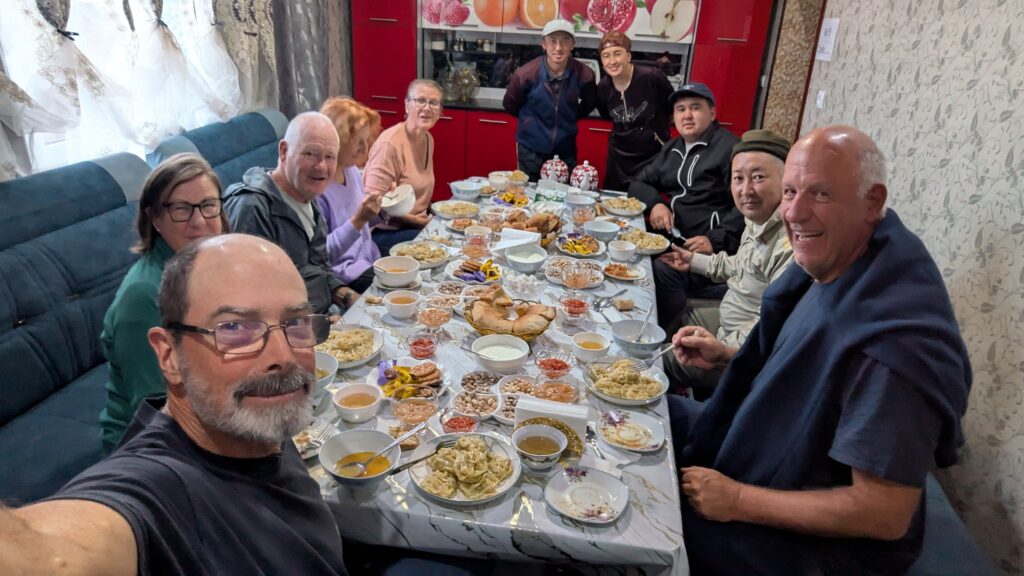
Unfortunately clouds block our views of this local landmark and it started to snow so we retreated to our vehicles and our guesthouse where we enjoyed flush toilets, hot showers and a fabulous Kyrgyzstan meal. The luxury of it all!
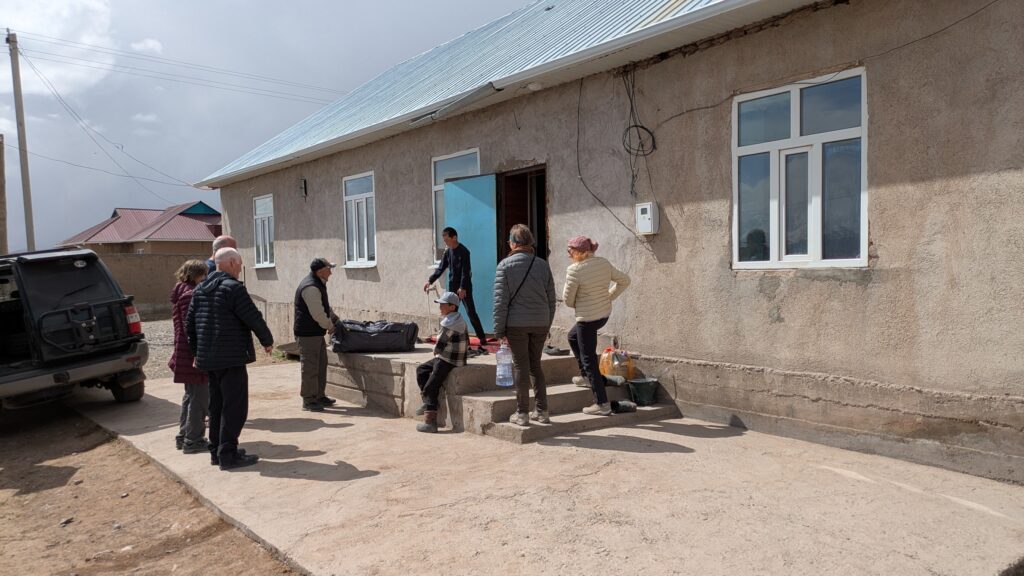
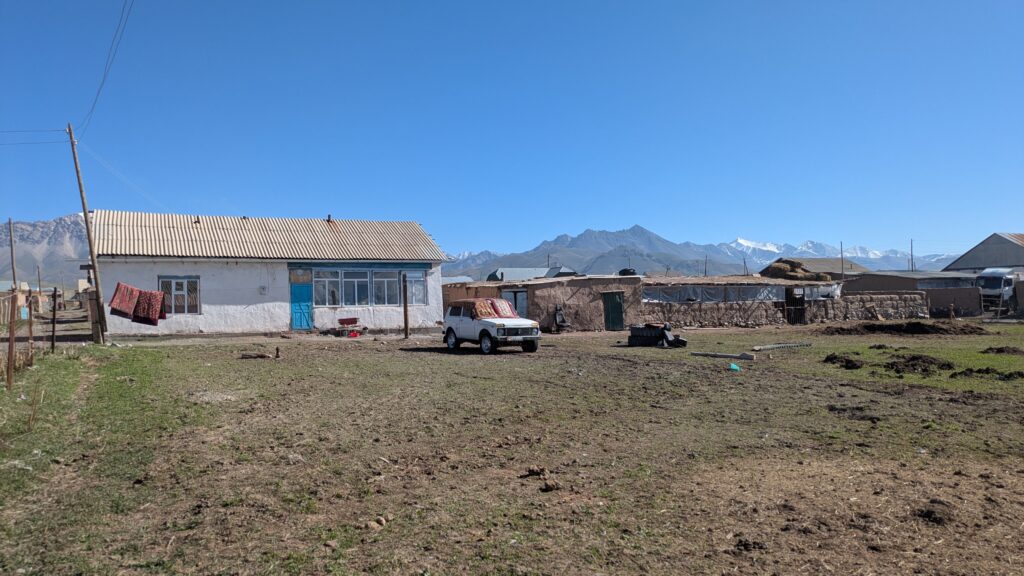
The next morning we had time to wander through our village of Sary Mogul, the farmers, mothers and children all going about their business.
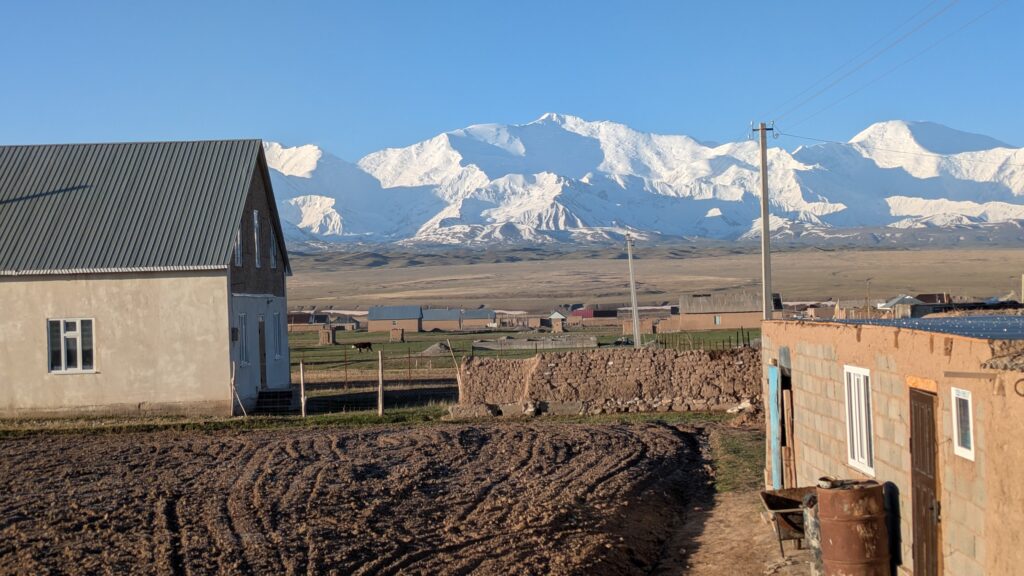
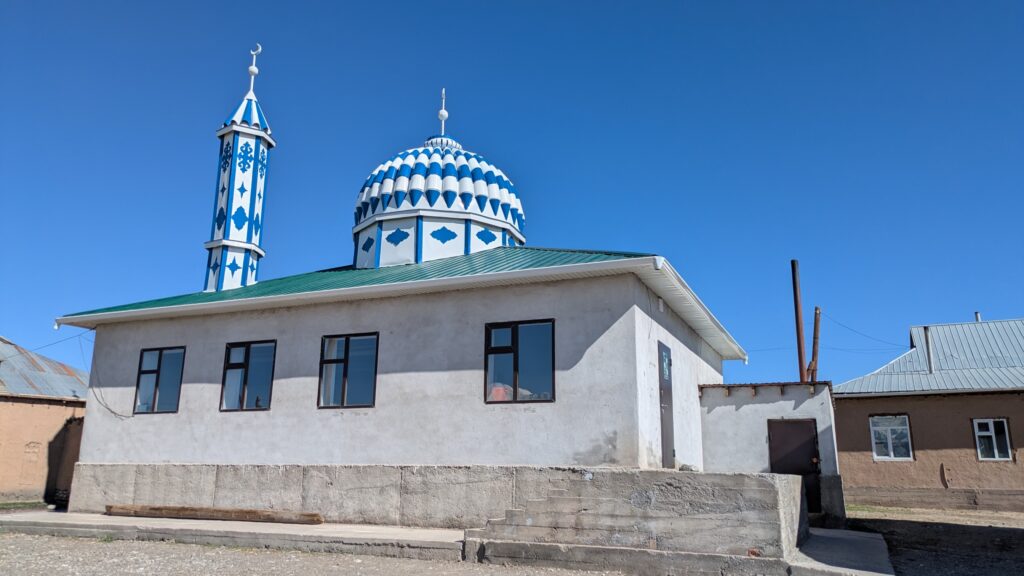
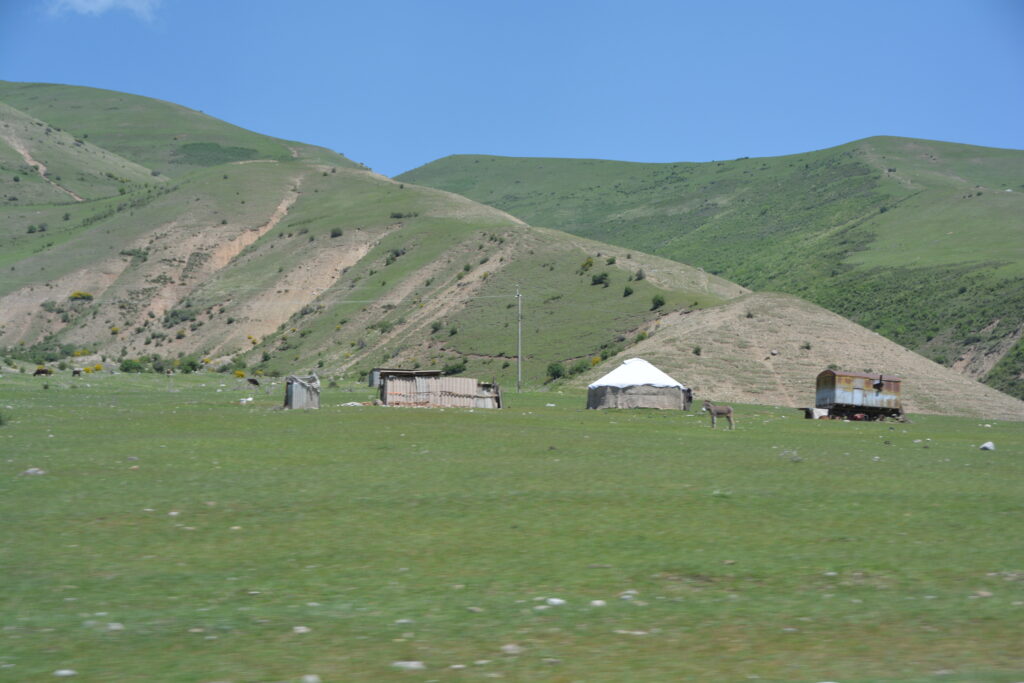
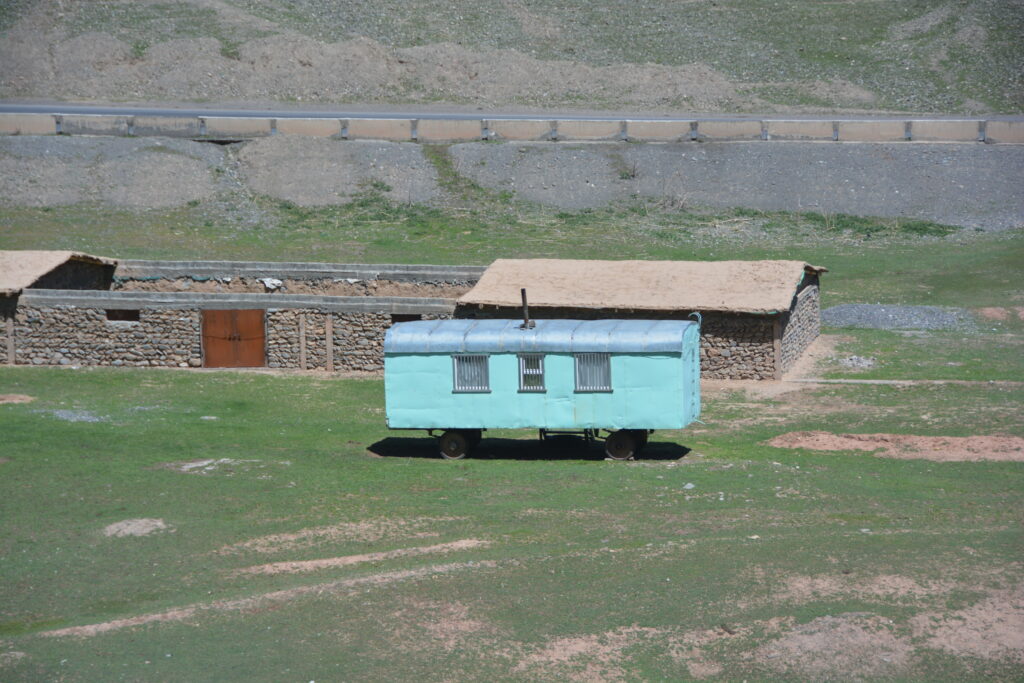
The homes were substantially better than in Tajikistan but still of course quite basic by western standards. Most homes had sheds where their animals lived in the winter and some had small plots for their vegetables. We loved their little mosques with colourful domes and single minarets and even heard a call to prayer, something that is not done in Tajikistan.
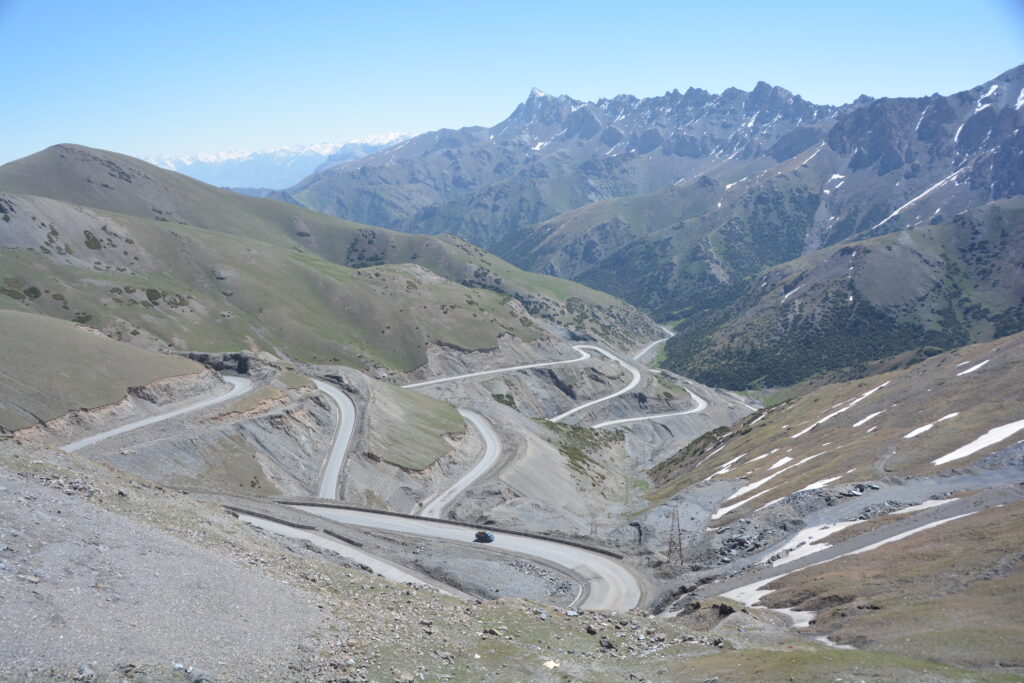
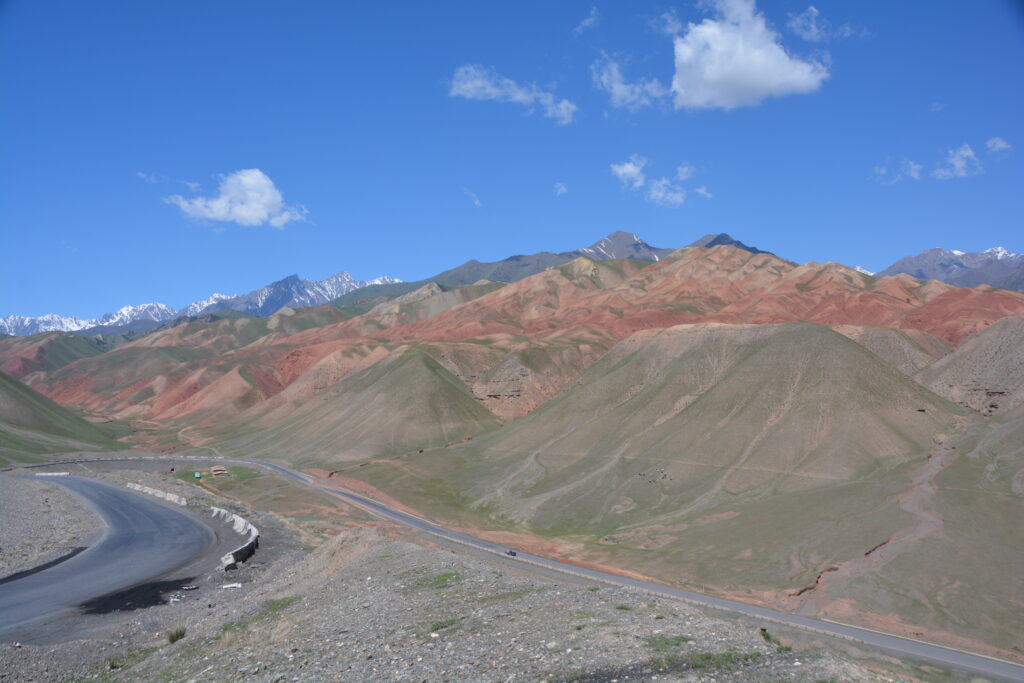
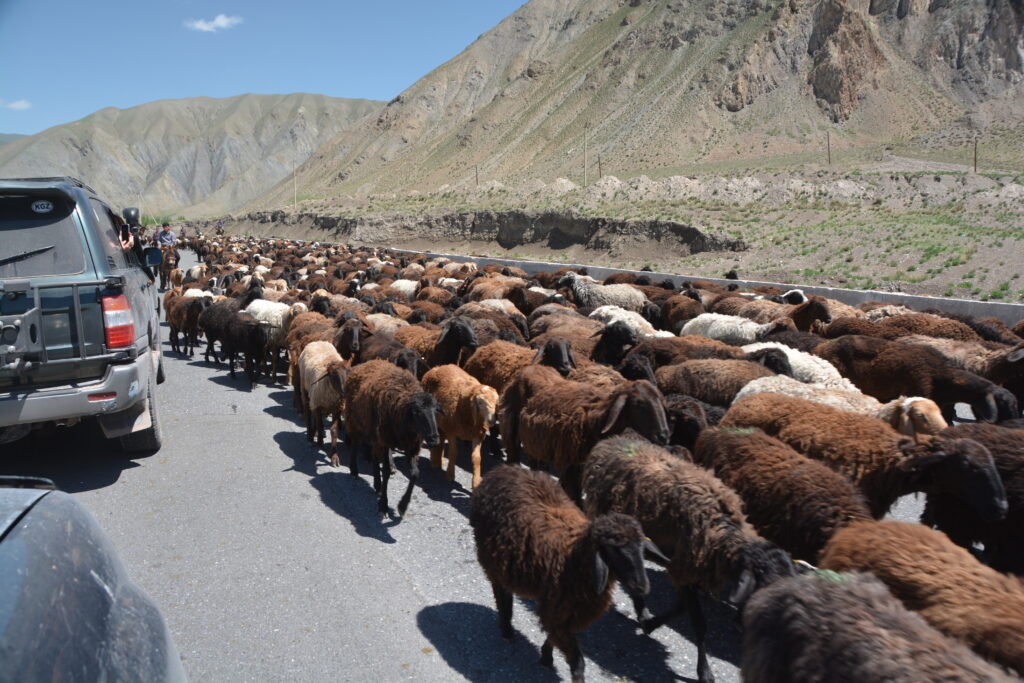
Our drive to the regional centre of Osh took about five hours and what we thought was just a transit day to officially finish the Pamir Highway turned out to be a delightful journey over a pass of 3,500 metres with snow-capped mountains, a crazy steep switchback road, through tidy villages and along rushing snow-melt rivers. One aspect of the journey was all the herds of goats, sheep and even horses that were moved by the locals across or along the road as they relocated their herds up into the mountains for summer grazing.
Arriving in Osh, a city of 250,000 people, was a bit of a culture shock after a week in the remote mountains, deep canyons and valleys of Tajikistan. People buzzing everywhere, traffic up the wazoo, horns blaring, not a single sheep in sight. We checked into our oddly named Ocean Hotel with not an ocean within 5,000 kilometres and had a great little introductory stroll around a couple of the parks near our hotel.
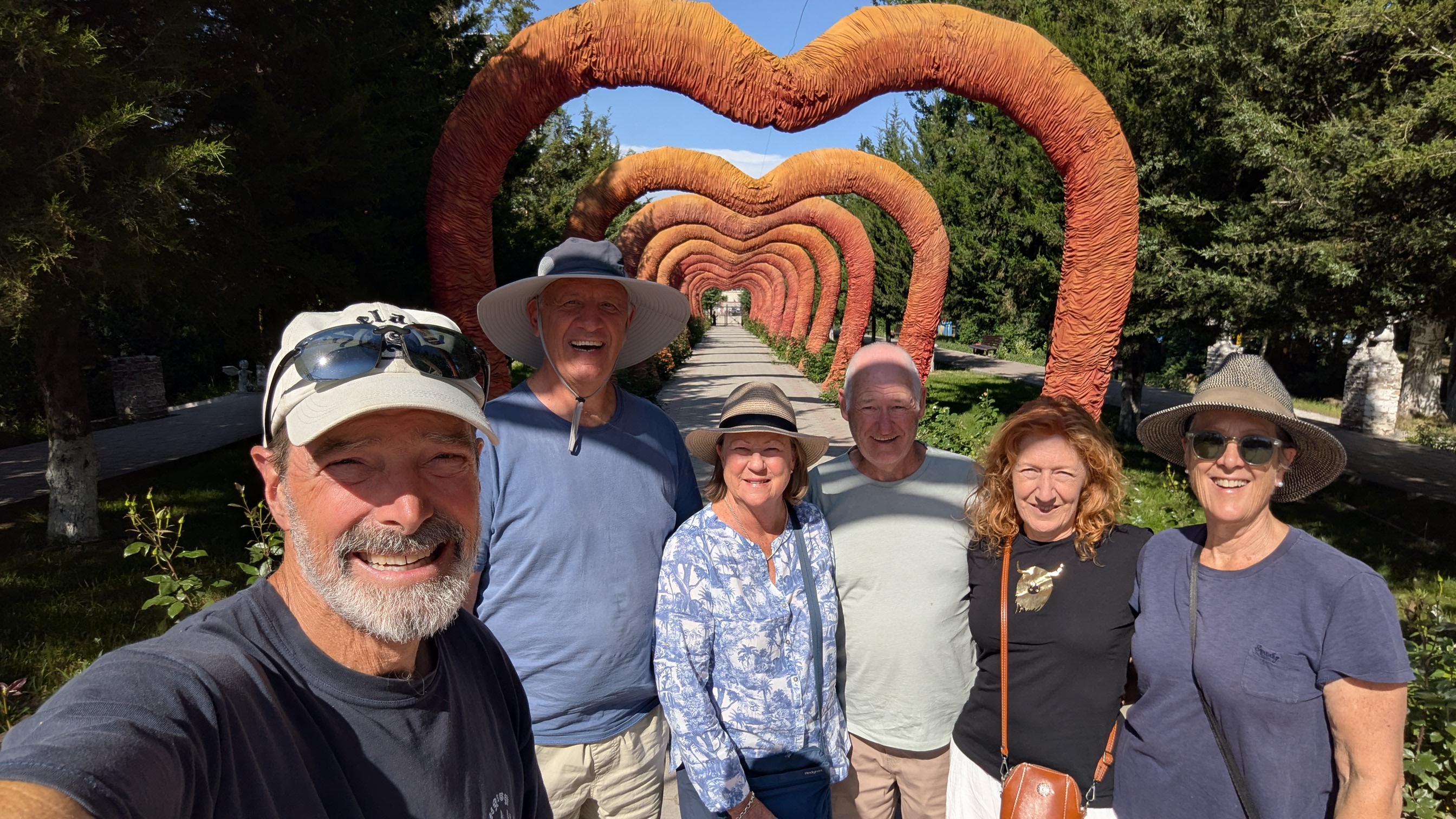
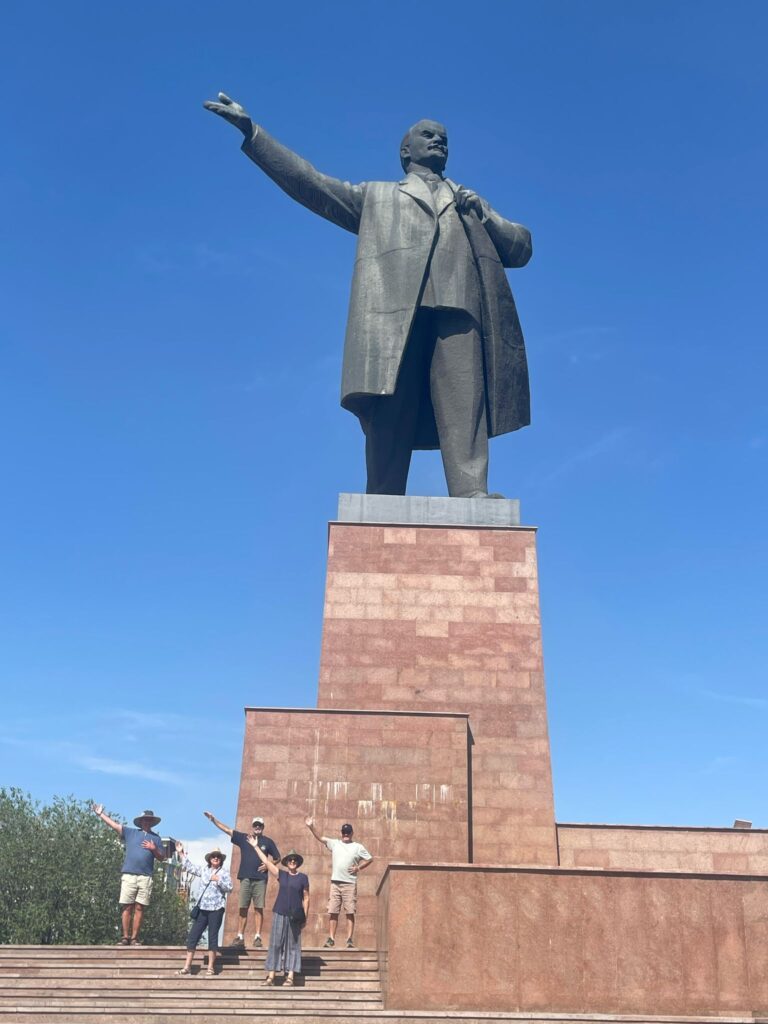
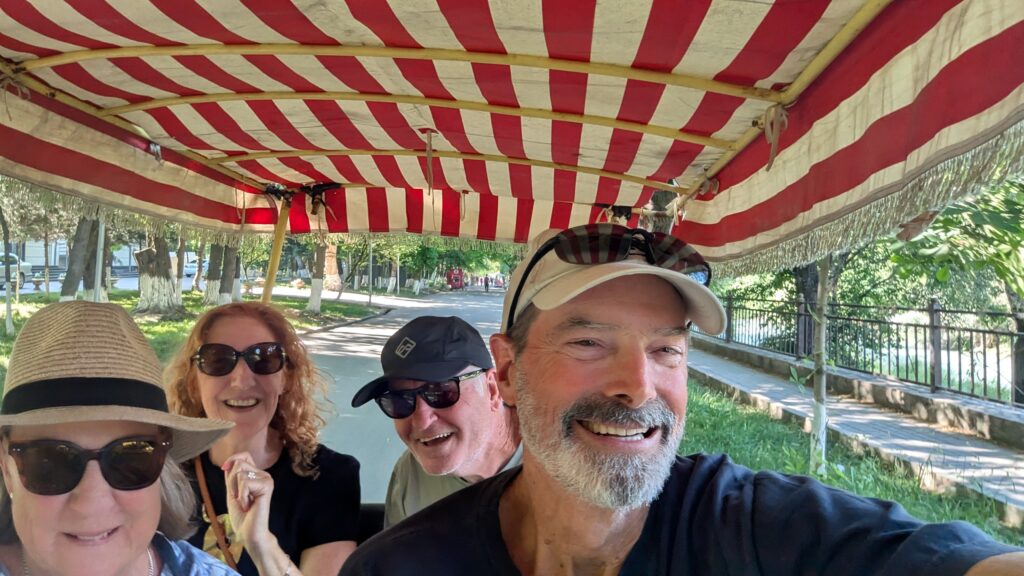
We visited the nearby giant statue of Lenin, a major cultural landmark in the city and apparently still a hero here today, had an ice cream in the Love Garden, hired little four wheeled bicycles for a hilarious pedal through a large park and eventually, finally, thankfully, found a place that sold beer.
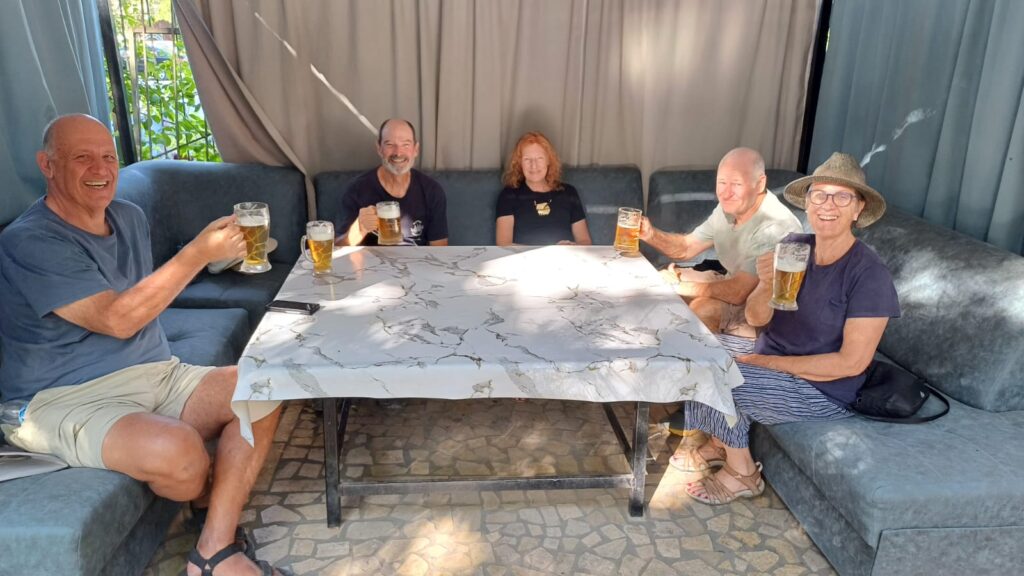
We rested our tired bodies and enjoyed a cold well-deserved ale, our first in many days, before venturing to a popular upmarket Kyrgyz restaurant. We celebrated the successful completion of the Pamir Highway, talked about our highlights and lowlights (an endless stream of the former, practically none of the later) and worked on our plans for the next few days.
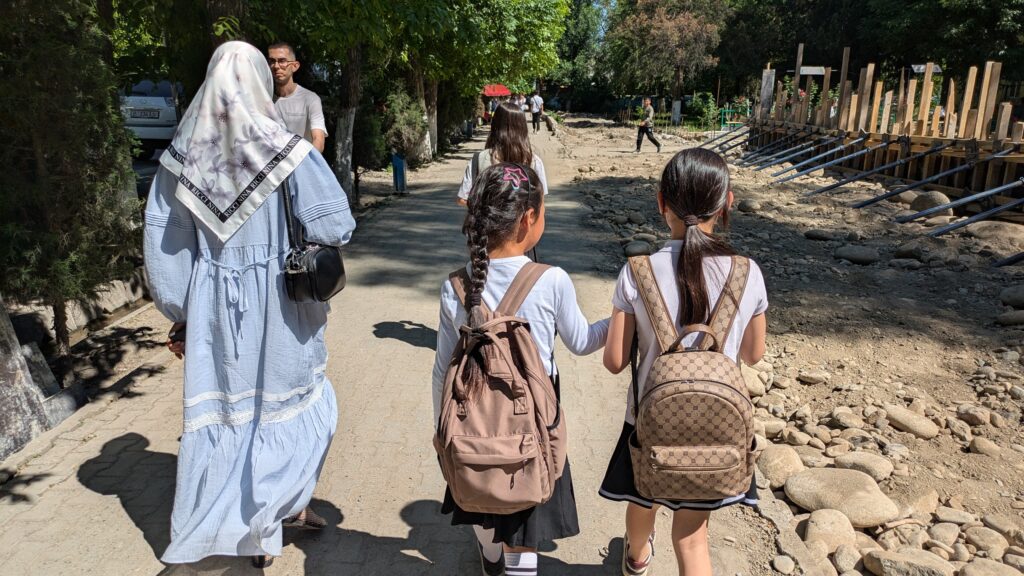
We found that in Tajikistan Islam was not rigorously practiced, a reasonable percentage of women would be without head coverings, we rarely saw anyone pray and there weren’t any calls to prayer from the village mosques. In Kyrgyzstan we did begin to hear the call to prayer, a somewhat mournful wail blaring from loudspeakers on the mosque’s minarets and many women even in Osh wore some form of head scarves. But alcohol was available in some upmarket restaurants and the whole thing seems pretty low key and casual.
The next morning I downloaded an app and led a self-guided walking tour of Osh which gave us more information about this fascinating city. Osh played a critical role over the centuries as a key trading point on the Silk Road, and the walking tour gave us a good grounding on life here. We finished at the Silk Road Museum which gave us more information about the people who passed through here over the centuries.
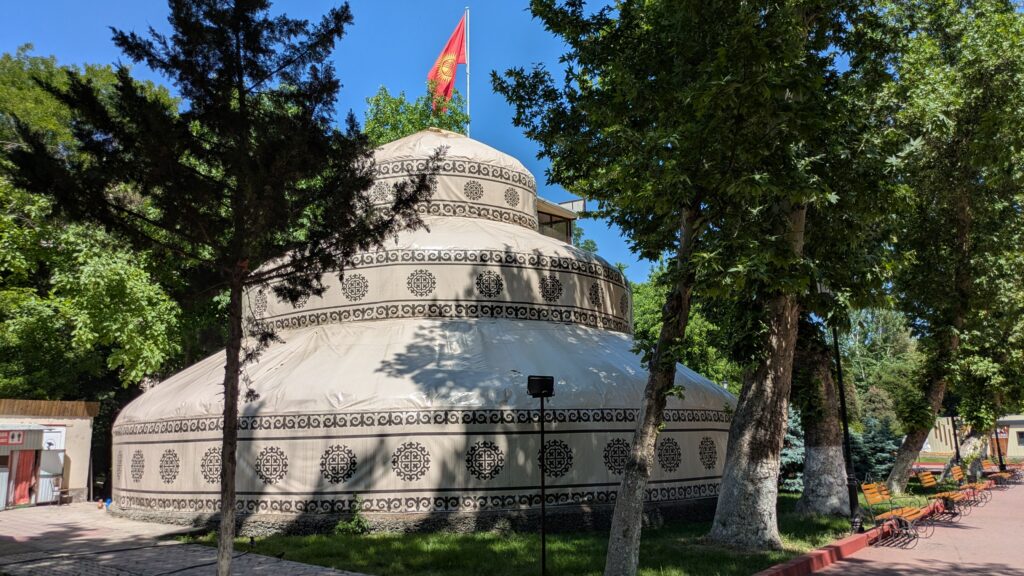
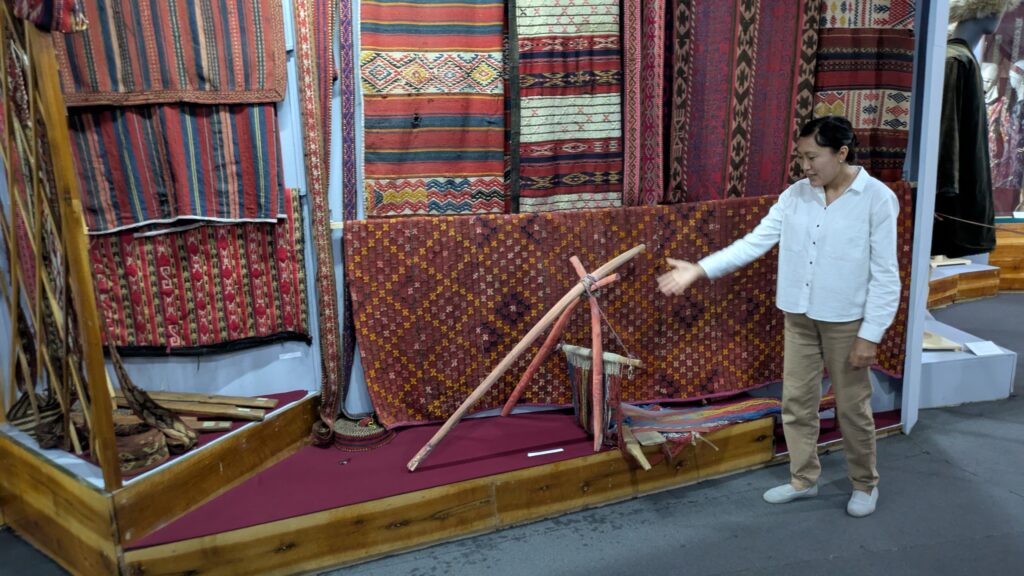
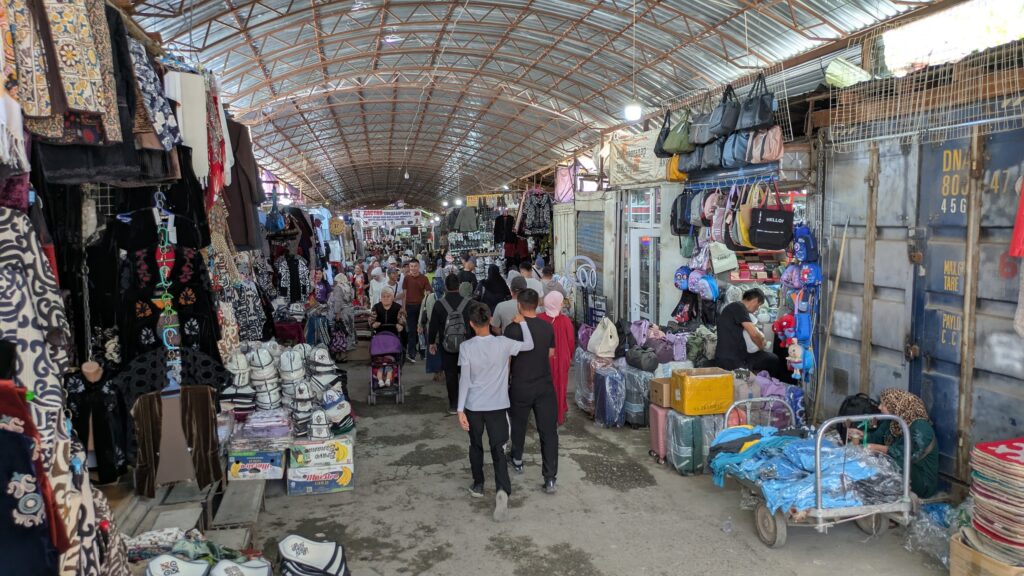
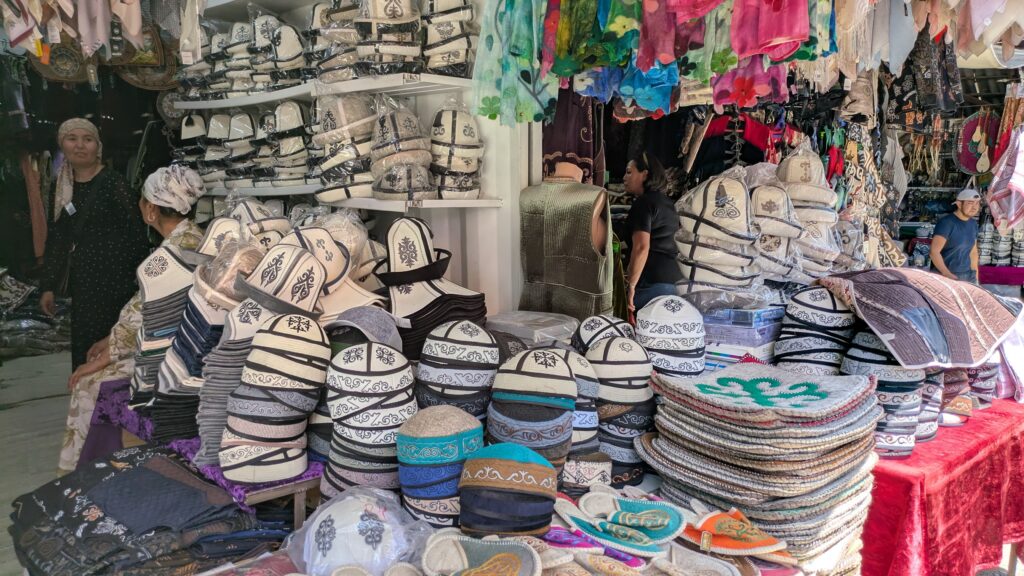
We then headed for the lively covered bazaar which was great fun – it was definitely a local market but easy to find things to buy, even if we really didn’t need them.
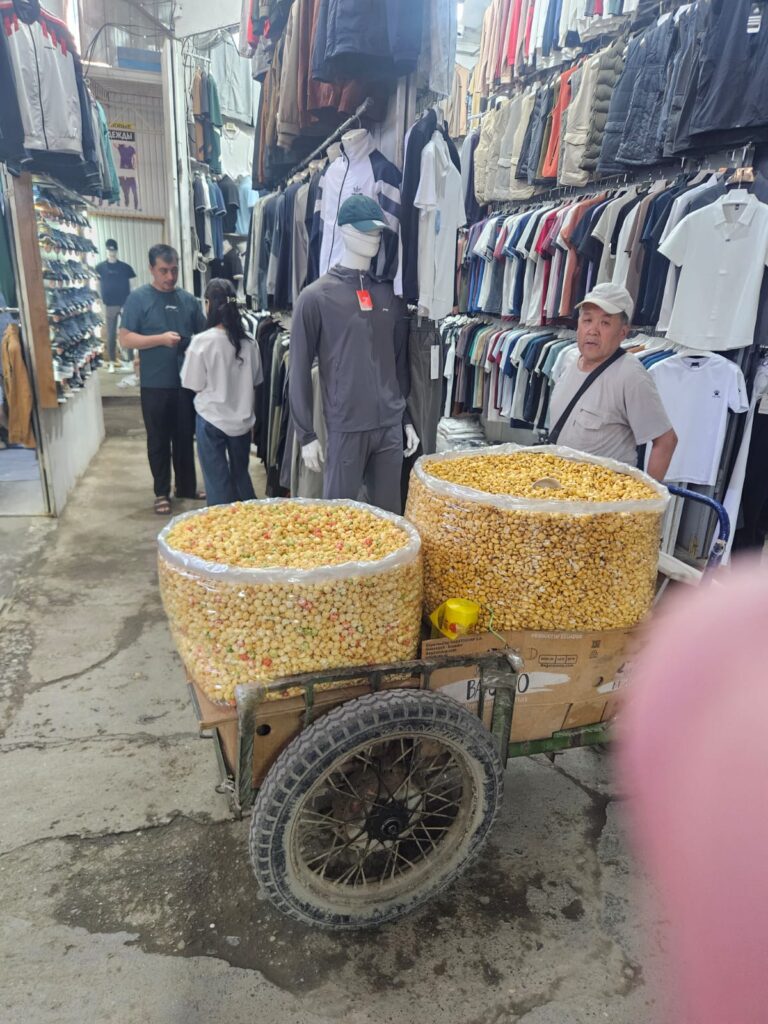
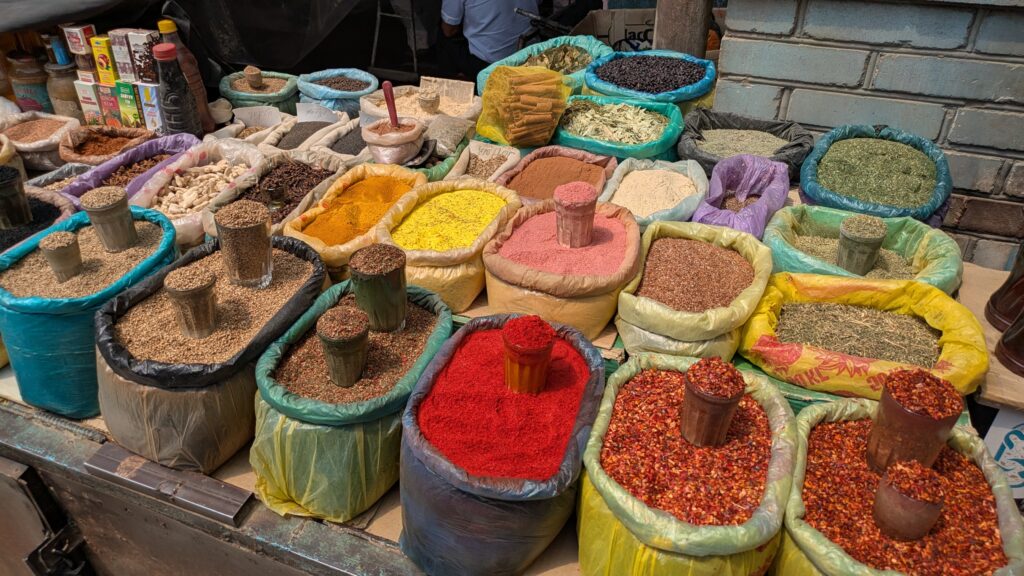
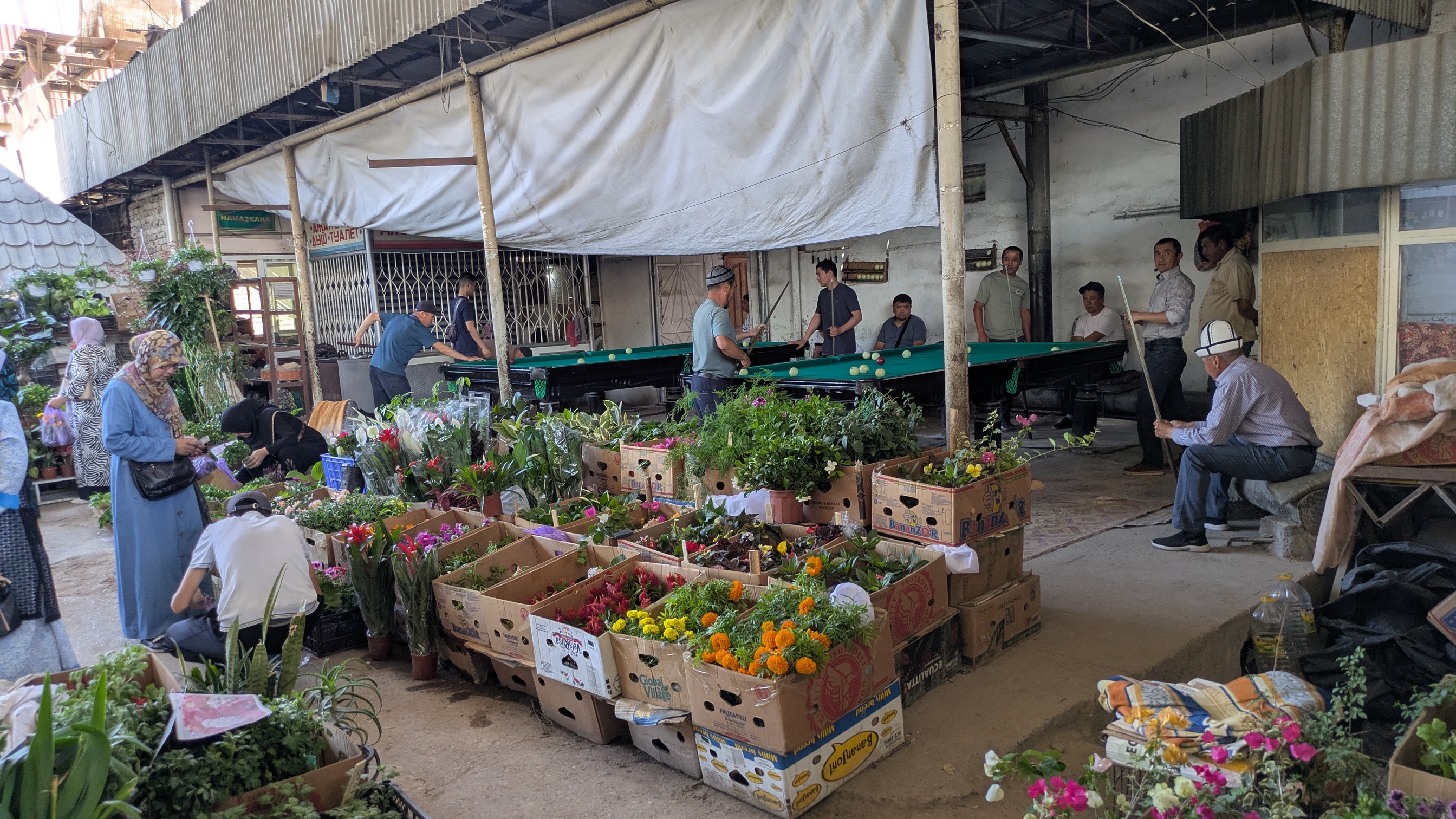
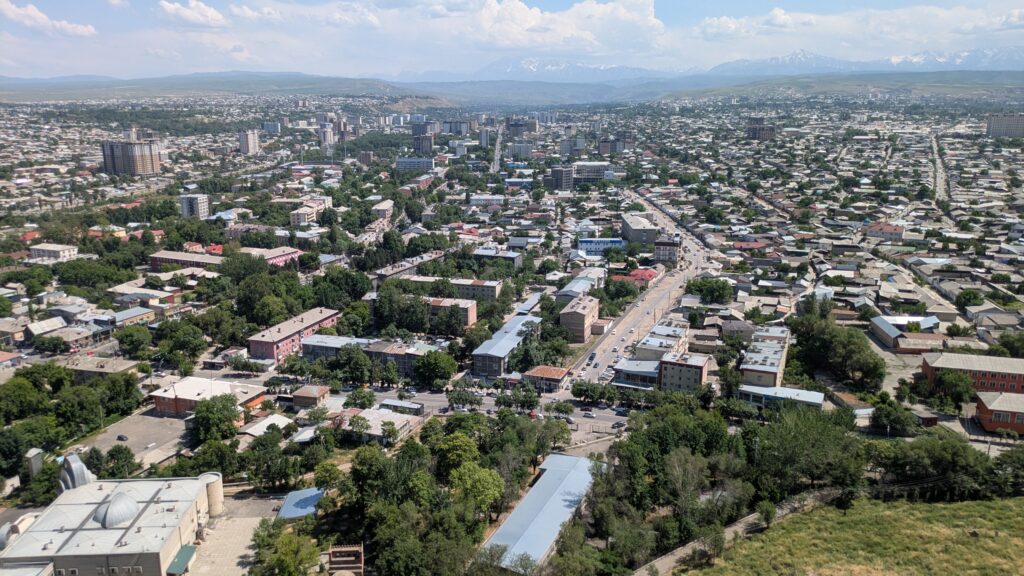
Warren and I opted to climb to the top of the Sulaimon Too Mountain in the centre of town for helicopter views of Osh before meeting the others back at the hotel and eventually heading out for beers and another rousing good dinner. The more time we spent in Osh the more we enjoyed it.
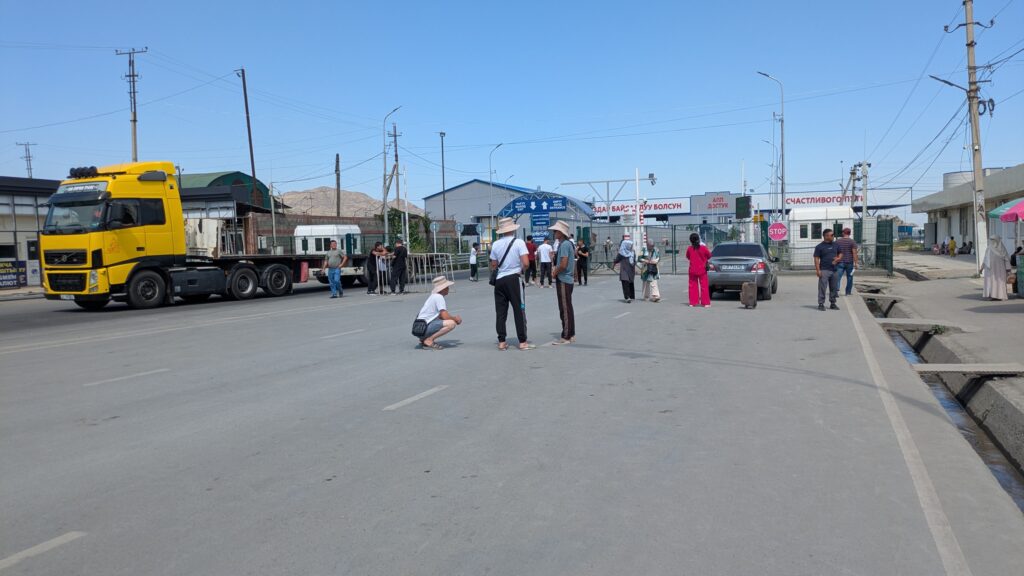
Our plan the next day was to cross the border into Uzbekistan and travel to Tashkent, the national’s capital. But how to do it was the question and we pondered many options. In the end we chose to take local taxis to the border which is just outside Osh, walk across the border, which was relatively painless, cross into Uzbekistan and charge on from there. I hope we make it!
Comments
Can you spell Kyrgyzstan? — No Comments
HTML tags allowed in your comment: <a href="" title=""> <abbr title=""> <acronym title=""> <b> <blockquote cite=""> <cite> <code> <del datetime=""> <em> <i> <q cite=""> <s> <strike> <strong>