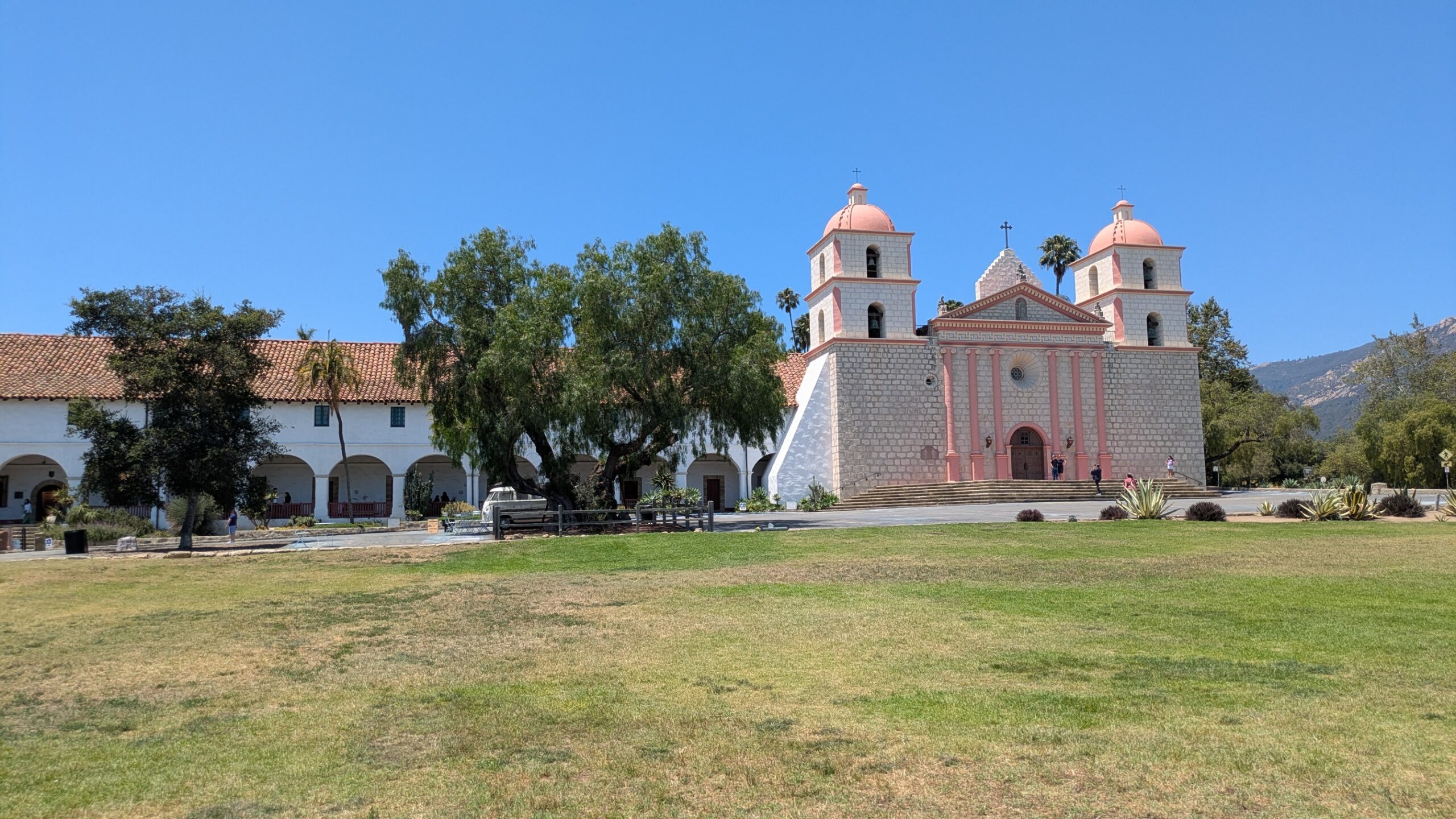
On a mission to see missions
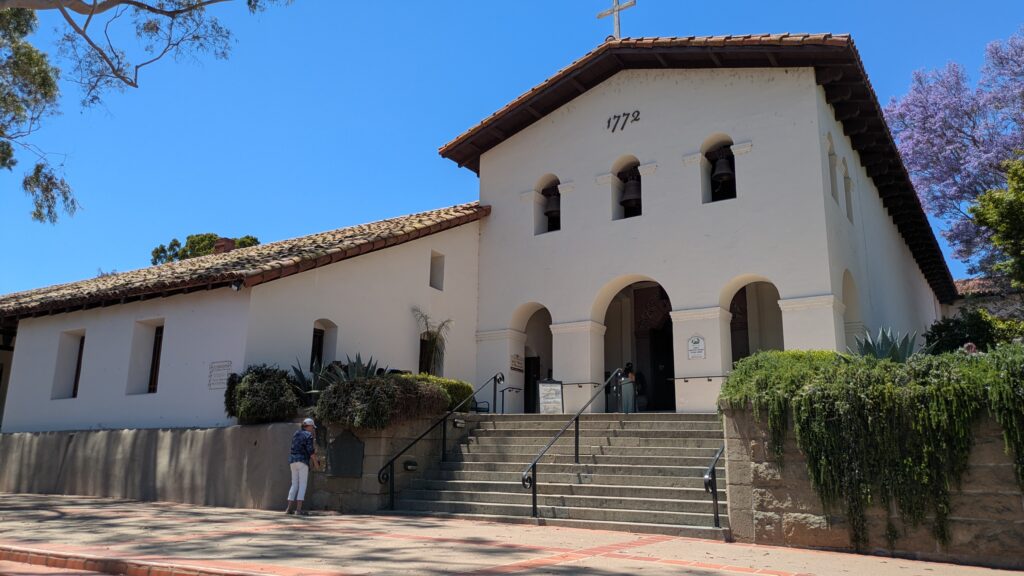
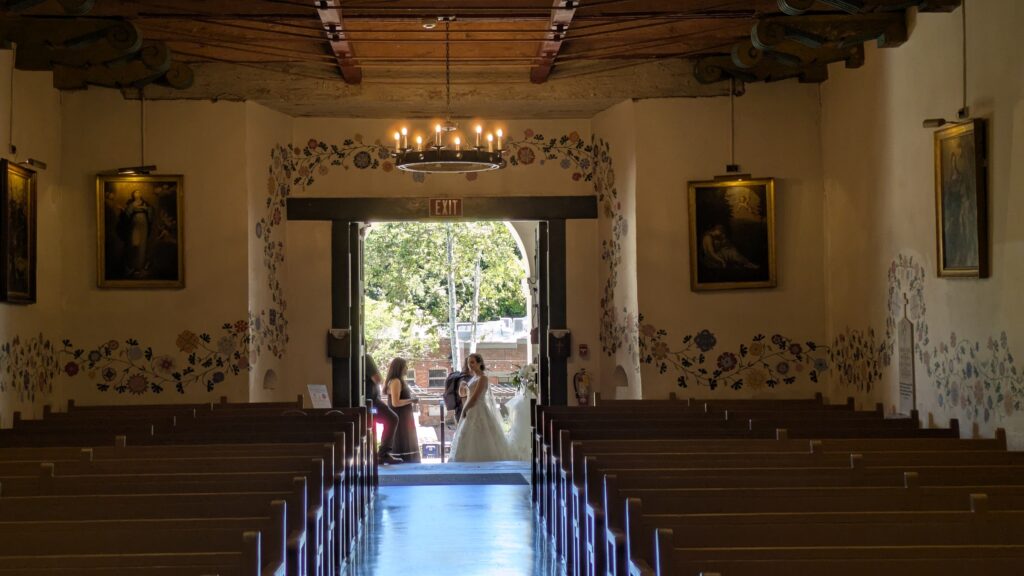
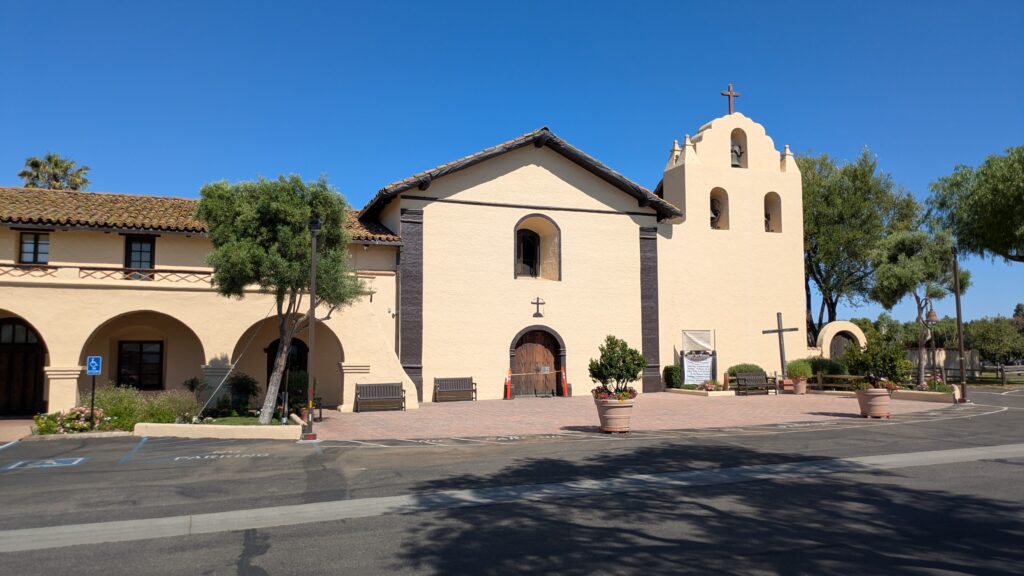
The history of European settlement of California is different to the rest of the United States in that instead of pioneers moving westward in search of new land from the east coast, California was settled by Spanish missionaries from the south in search of new souls. Core to that fascinating movement over 200 years ago is the establishment of 21 missions throughout California by these Spanish priests. And Julie and I wanted to dive right into these juicy history pages.
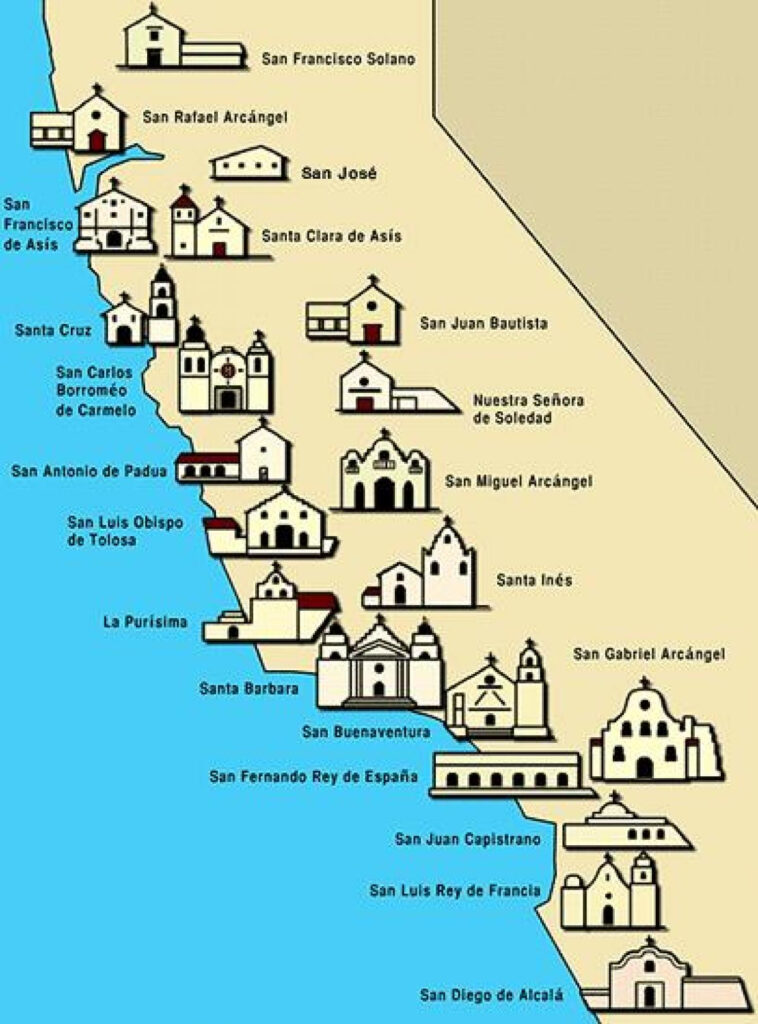
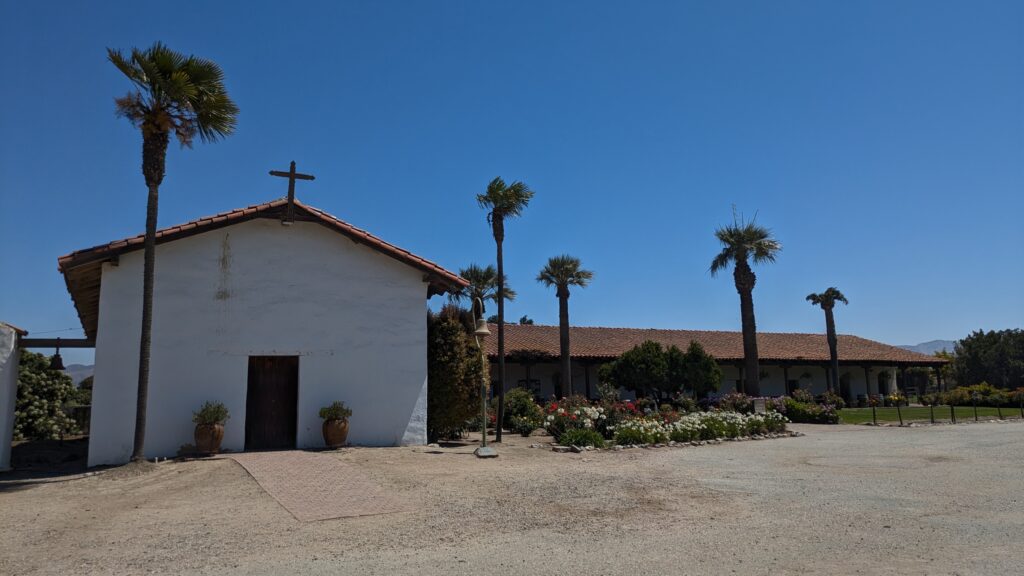
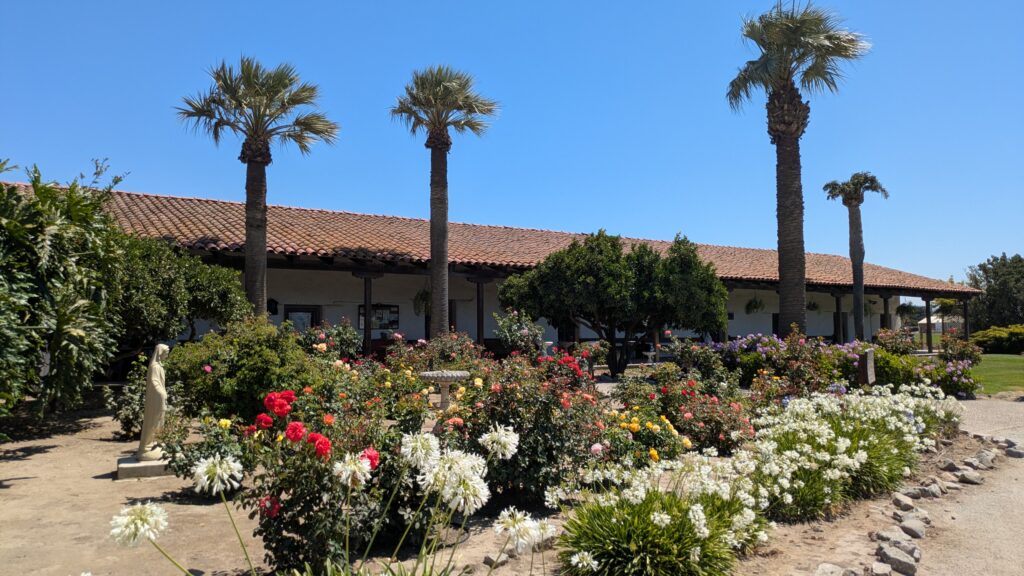
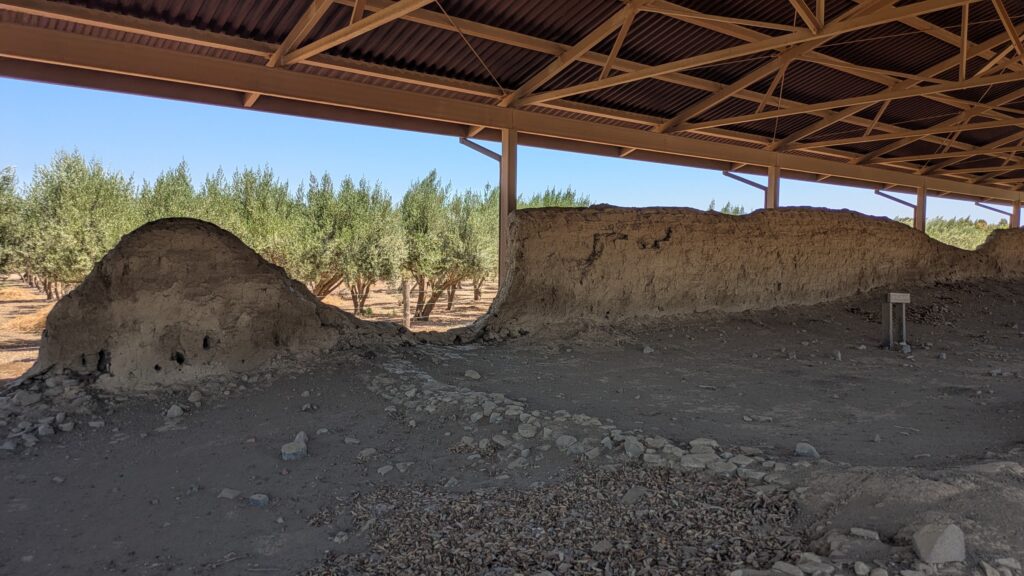
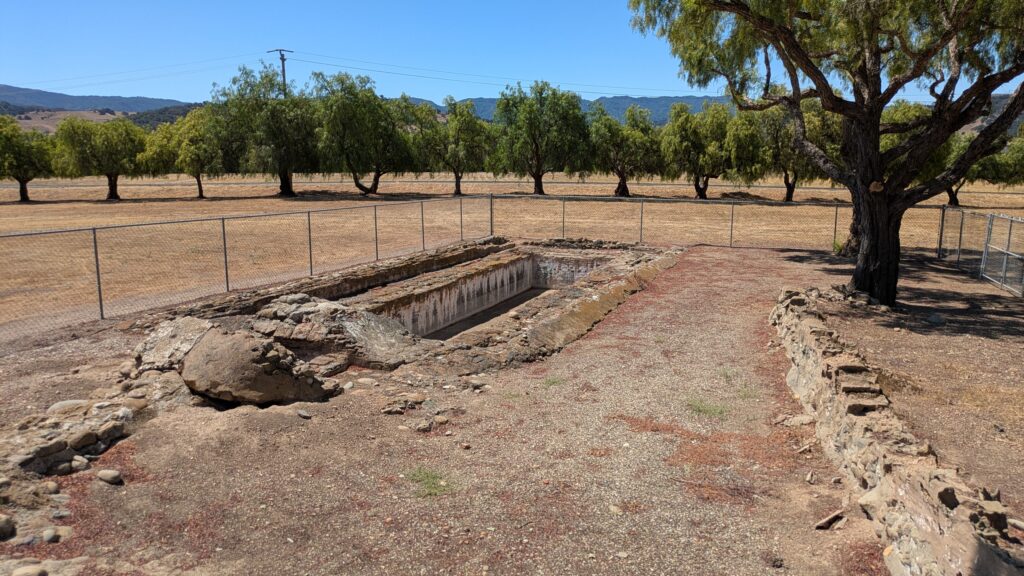
Curiously – or perhaps embarrassingly – I only had a vague memory of the history of these explorative and exploitive Catholic missionaries establishing missions in my home state. Sure, it was taught in schools but that was a long time ago and it was probably sanitised and glorified at the time. But in the last 50 years or so these fabulous historic buildings and complexes, some of which had been left to ruin, have been at least partly restored to celebrate this unique cultural, political, religious and historical period.
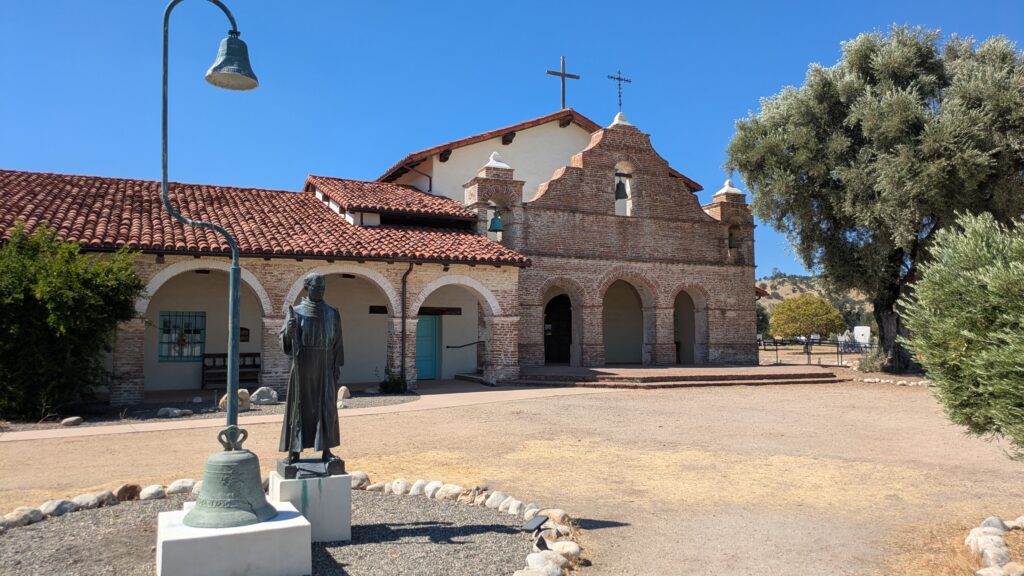
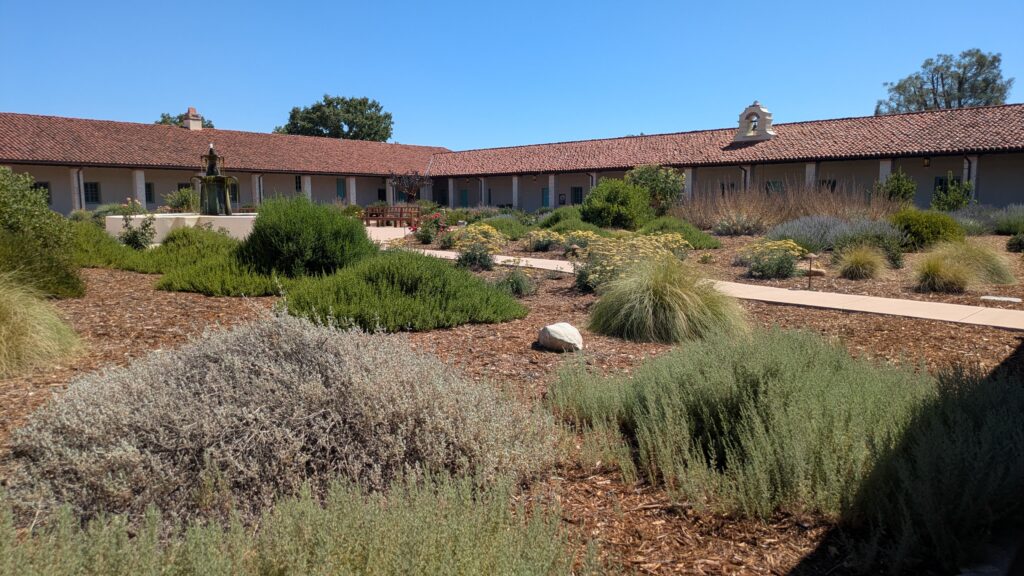
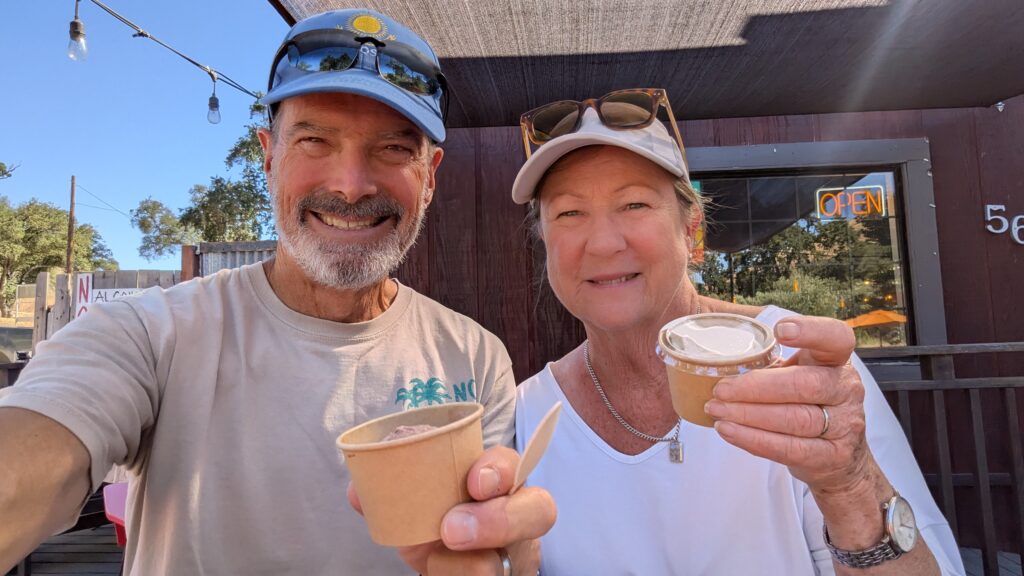
Of the 21 missions that were originally built, all of which are now open to visitors, Julie and I had only visited two of them – the famed Carmel Mission, probably the most well restored and impressive mission of them all, and the beautiful San Juan Bautista Mission, both of which are relatively near my home town. So that left 19 more missions for Julie and I to visit and so, yes we began our mission to see the missions.
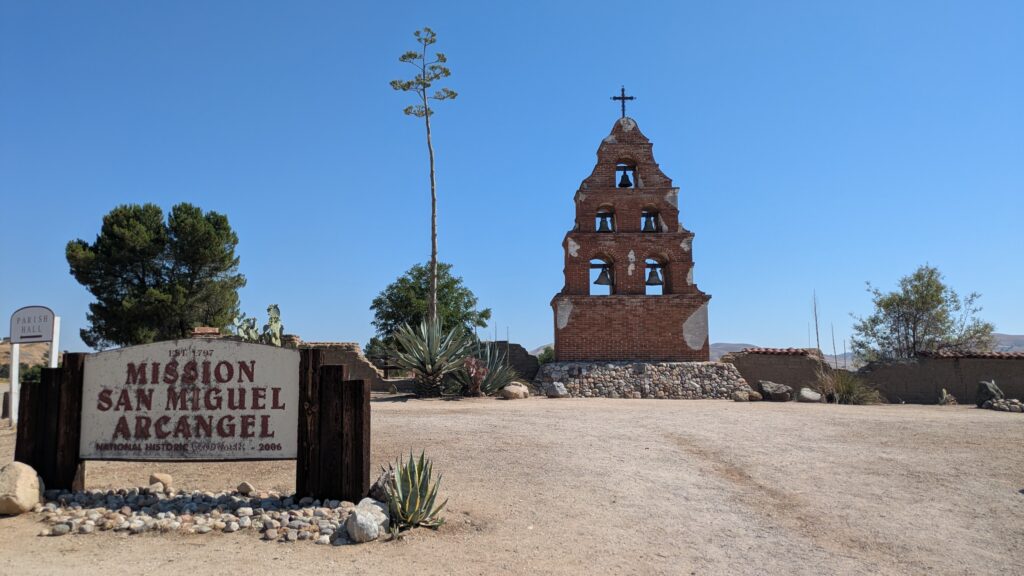
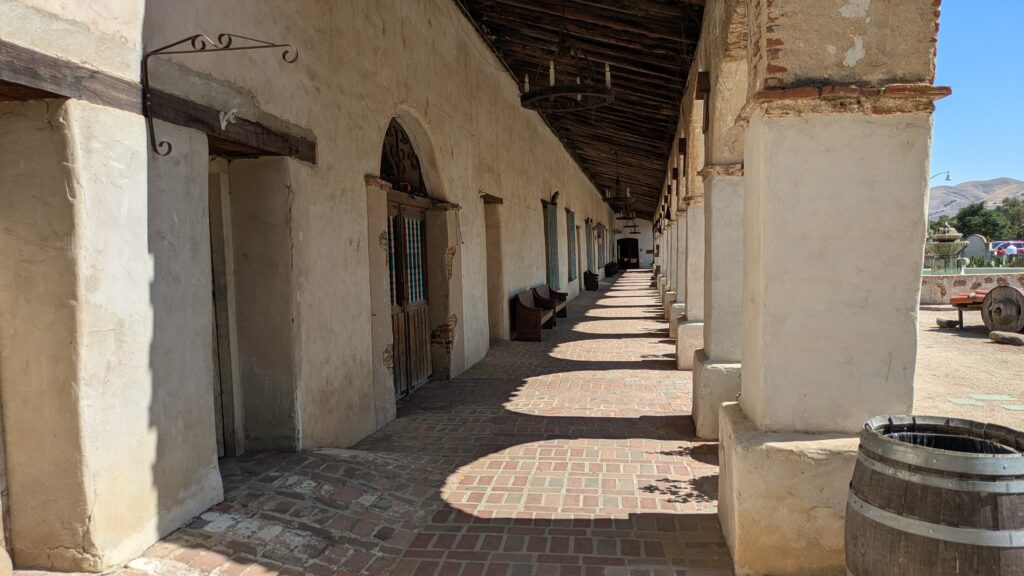
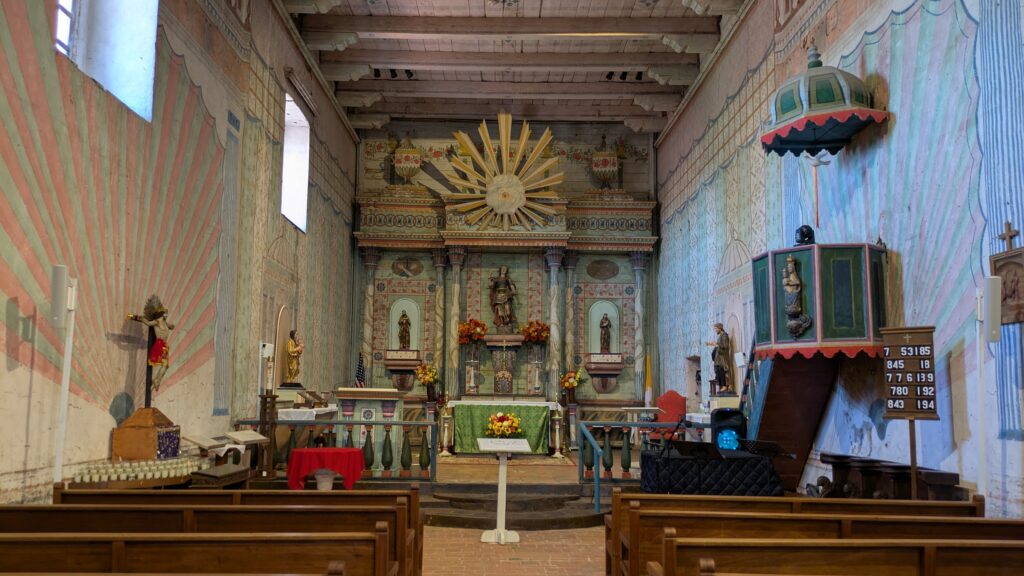
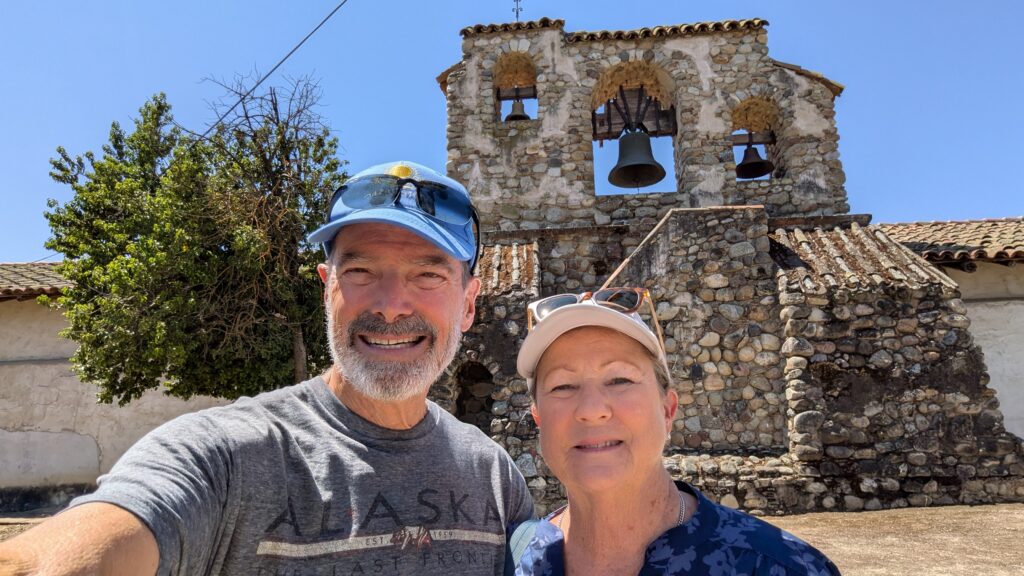
The land we now know as California was inhabited for thousands of years by various tribes of indigenous people who were hunters and gathers, living off the land, moving through this bountiful country for food and water as needed. In the mid 18th century Spanish explorers under the rule of the King of Spain started to explore this coastline and inland areas after moving northward from modern day Mexico. What they found was a rich land, good soils and favourable weather – perfect for them to claim this vast region on behalf of their King.
And as a bonus to claiming this land for Spain they took away any chance the Russians, who had also been exploring nearby and had already established a foothold in northern California, from claiming the region for their Tsar.
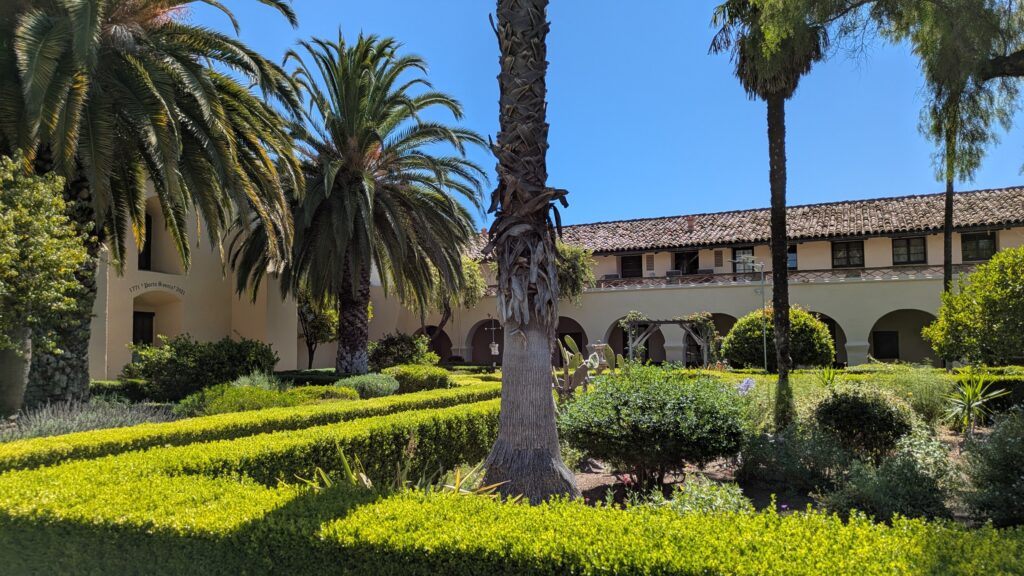
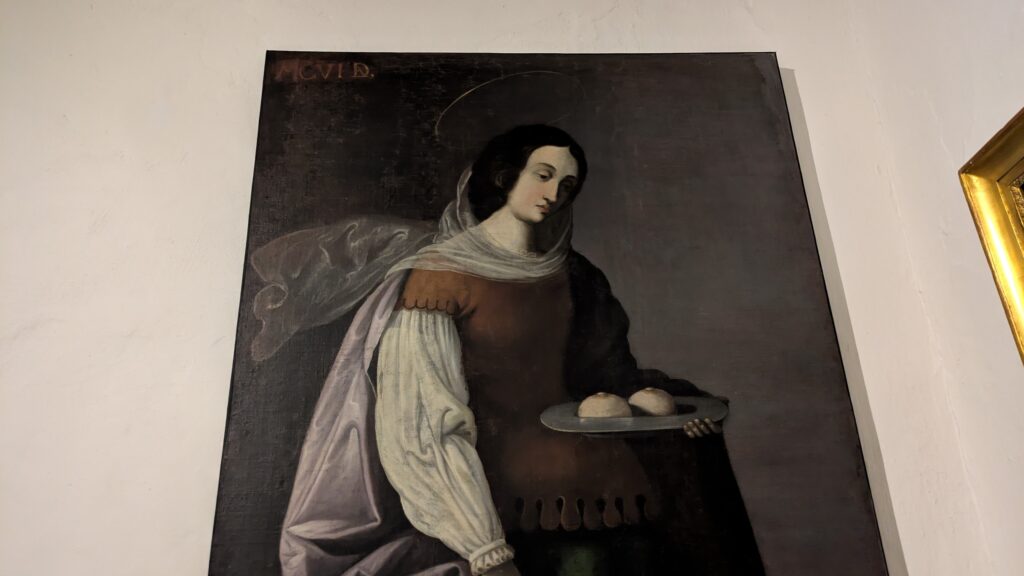
Critical to this plan were the ambitious and determined missionaries who established missions along the way, converted the indigenous people to Catholicism, introduced livestock like cattle, sheep, goats, horses, chickens and pigs, introduced crops like beans, potatoes, fruits, grapes and grains, and introduced diseases that the local tribes had no defense for.
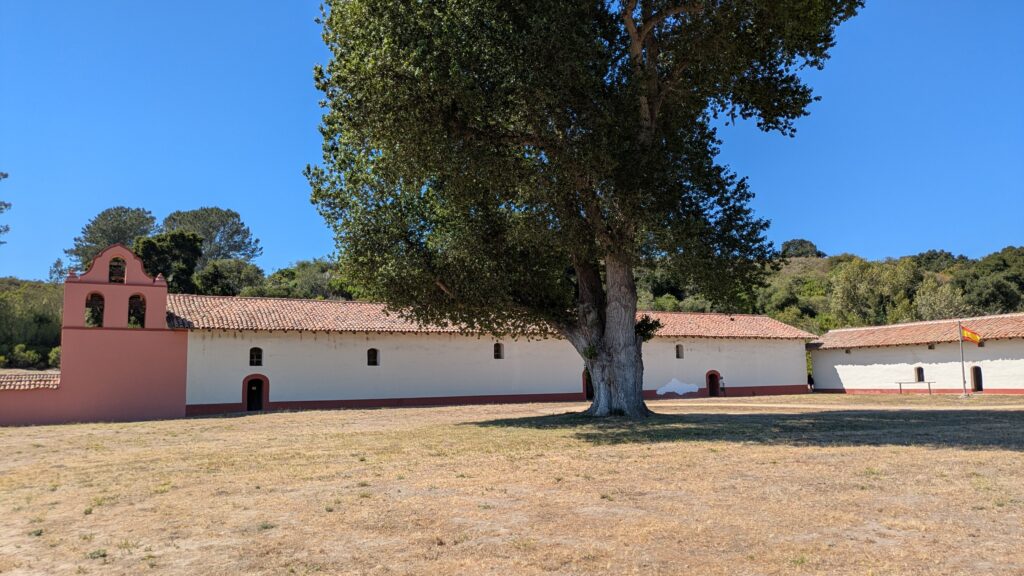
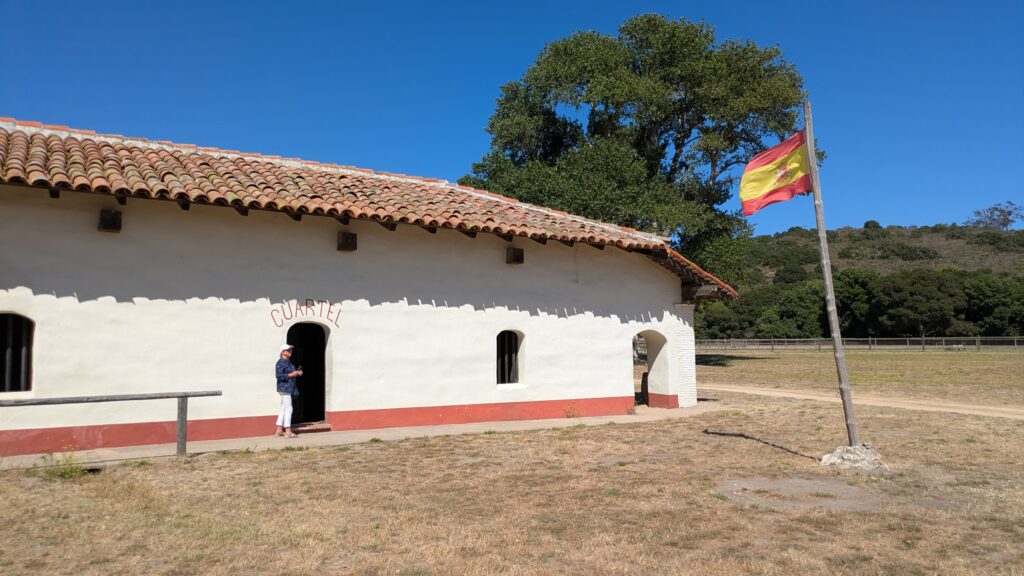
The string of missions were built roughly 30 miles (50 kilometres) apart from each other, a long hard day on horseback, and spanned about 650 miles (1,000 kilometres). The first was built near modern day San Diego close to the Mexican border in 1769 by Fray Junipero Serra, a Franciscan priest who is credited with leading the missionary charge into California and establishing more missions than anyone else (modern historians also credit him with exploiting and abusing indigenous tribes along the way).
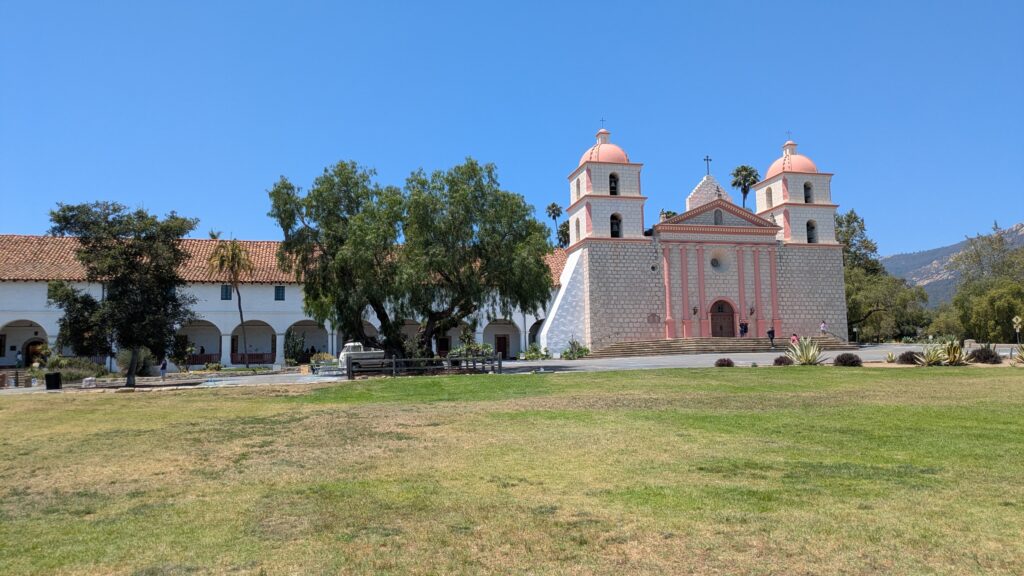
Julie and I recently drove from Salinas down to Ventura to visit the Channel Islands National Park and along the way visited eight of the 19 remaining missions on our list. This gave us a fascinating insight into not just the history of the missions themselves but also the history of California, the land’s original inhabitants and how international forces – read Spanish Kings, Russian Tsars, Mexican generals and pioneer gold seekers – shaped what we now know of this favoured land.
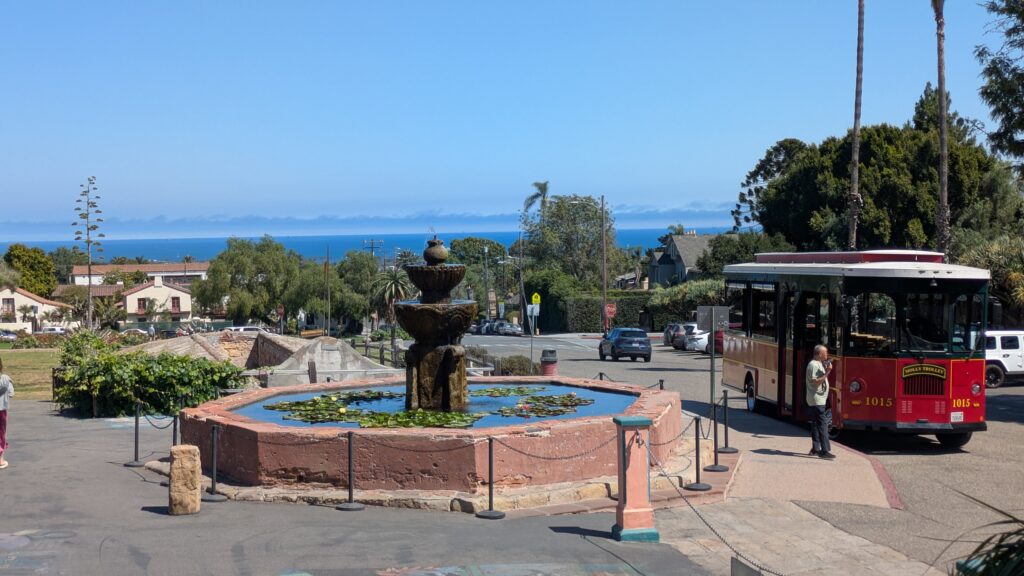
Our journey roughly followed what is known as the El Camino Real, or the King’s Road, which uses modern roads to follow as closely as possible the original trails forged by countless riders and horse-drawn wagons that linked these missions and provided the first ‘super-highway’ in California.
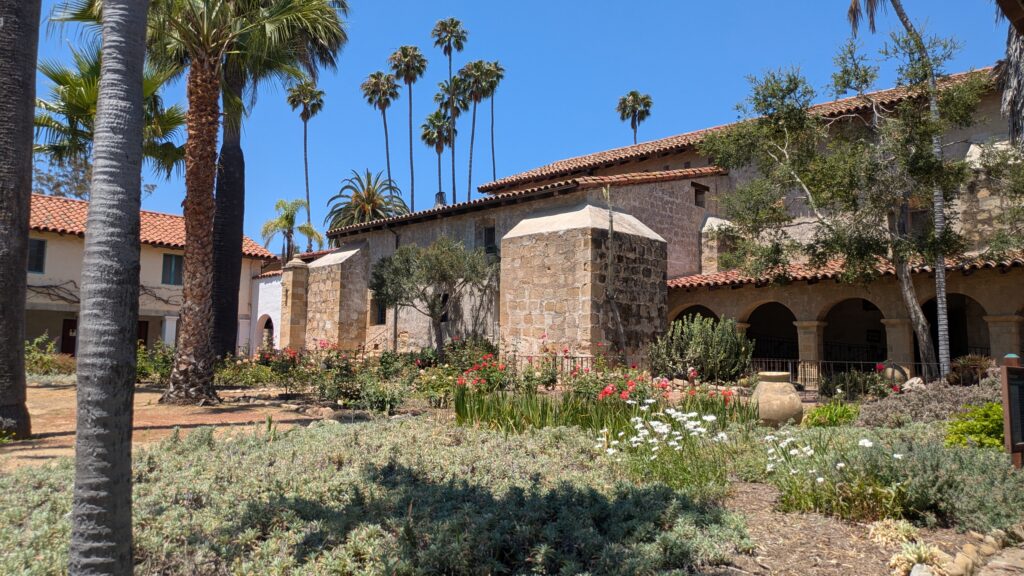
Our mission to see the missions also gave us an excuse to travel on obscure backroads and visit places we have never been to. And what we saw was fantastic – the golden hills of California, the long sandy beaches and people living and working and getting on in life despite their cultural, political or economic circumstances. We loved it.
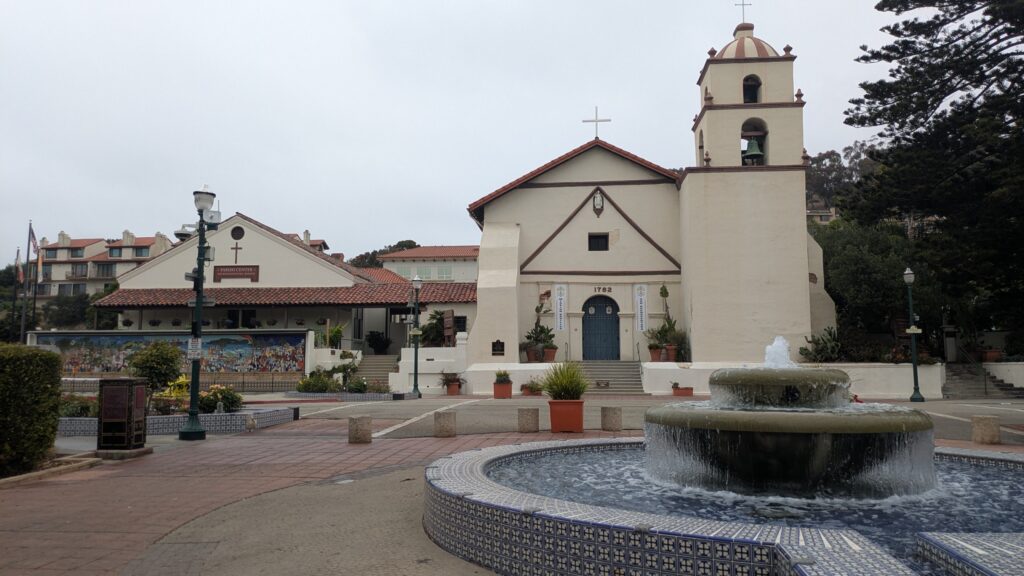
We also enjoyed the differences in each of the missions despite their strong connections. Most were built by one of two priests and they were all intended to serve the same function, namely to convert as many native Americans as possible to Catholicism, whether the locals wanted it, needed it or paid any attention to it. To do that the missionaries introduced a completely new way of life with stationary living, farming the land, running large herds of livestock, schooling, new languages, learning trades like weaving, pottery, blacksmithing and carpentry, as well as the constant indoctrination of their religious beliefs. In effect the missionaries turned these people into an involuntary and free workforce.
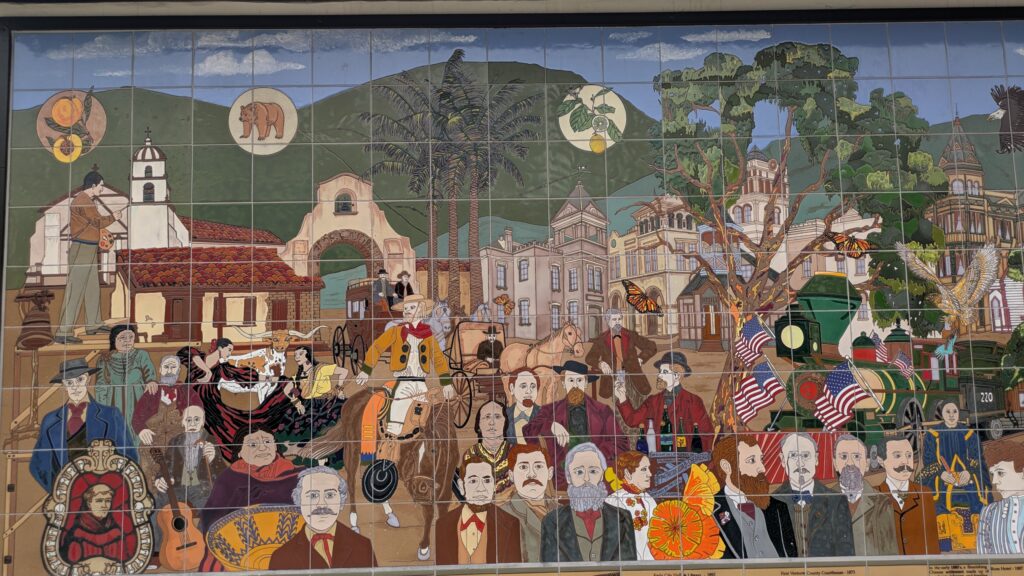
But events were moving quickly on the world stage which would profoundly affect these missions. In 1821 Mexico declared their independence from Spain and the focus in California shifted to ranchos – wealthy or influential Mexicans who took over the land formerly run by the missions and turned them into vast ranches where they ran huge herds of livestock. Most of the missions were closed or repurposed for these ranchos by the 1840’s.
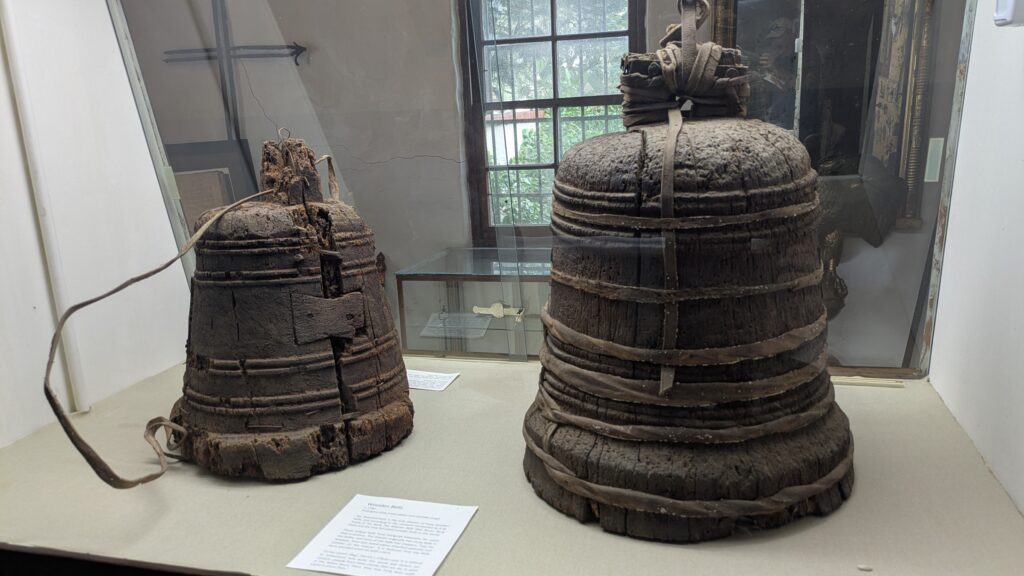
In 1848 as a result of the Mexican-American War the land we know as California was ceded to America and was declared the 31st state of the United States in 1850. President Abraham Lincoln returned the missions to the church by proclamation in 1862 but most of them were lost and forgotten until the 1900’s when local towns or organisations started to restore the sites, usually with private funding.
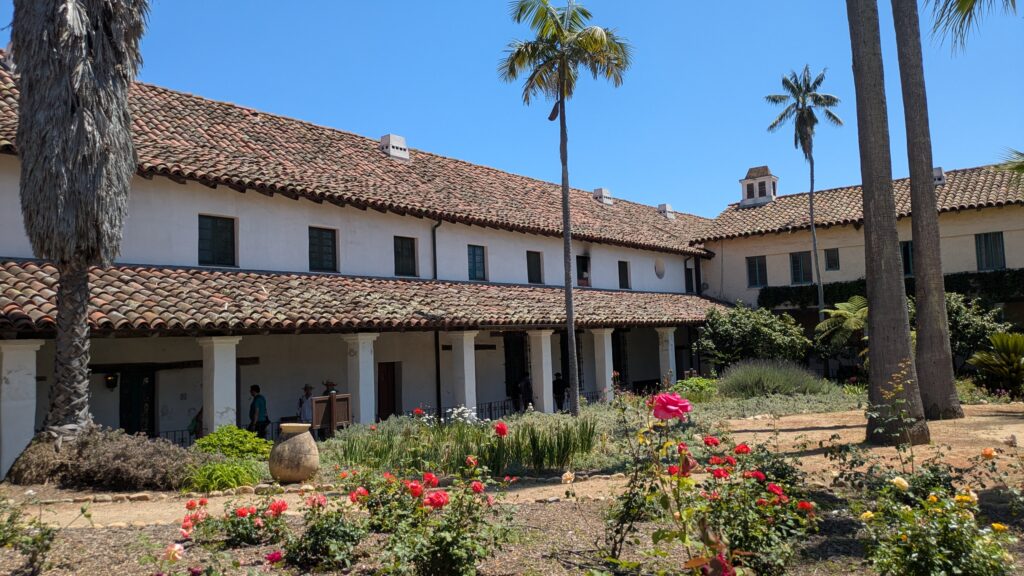
Since the missions are all active churches none of them receive any state or federal funding and rely on local support for any restoration work or maintenance. My hat is off to all the people up and down the state who have brought these wonderful missions back to life.
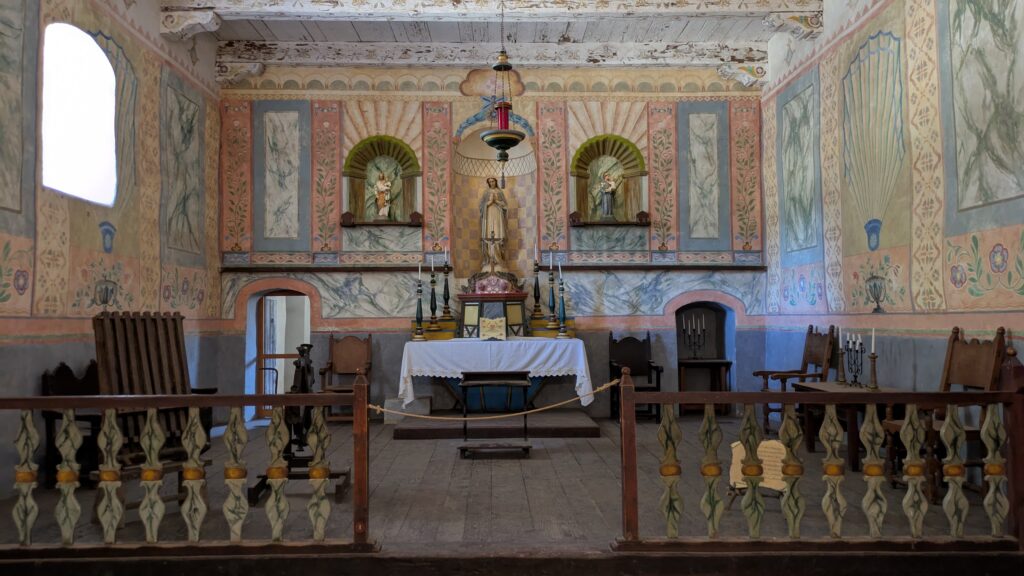
So if you’re ever in California – or if you live there and haven’t priortised the missions – my strong recommendation is to do a little googling, find a couple of missions near you and check them out. You may get hooked on exploring them all like Julie and I.
Comments
On a mission to see missions — No Comments
HTML tags allowed in your comment: <a href="" title=""> <abbr title=""> <acronym title=""> <b> <blockquote cite=""> <cite> <code> <del datetime=""> <em> <i> <q cite=""> <s> <strike> <strong>